
The Niger Delta does not open up to the traveler as a conventional map of paved highways and reflective road signs, but rather as a vast and labyrinthine tapestry of brackish water, tidal channels, and mangrove mazes where geography shifts to the relentless rhythm of Atlantic tides. In this waterlogged territory of southern Nigeria, where the arterial water of the main river fragments into thousands of tentacles before discharging into the Gulf of Guinea, human and freight mobility depends on an intermodal choreography as fragile as it is fascinating. Here, automobiles cede their absolute prominence to hand-carved canoes, powerful outboard speedboats locally known as flying boats, and cabotage barges carrying everything from refined fuel to yams and plantains destined for the floating markets of Port Harcourt and Warri.
Understanding the anatomy of transport in this region requires stripping away the Western metrics of modern logistics. There are no toll highways or precise railway timetables here; instead, the economic and social pulse is governed by tidal windows, the horsepower capacity of two-stroke engines, and the expertise of local steersmen who navigate by memory through channels where a newly formed silt bank can alter a centuries-old trade route. This report examines the technical, human, and economic framework that sustains connectivity in one of the most complex and contested river deltas on the planet.
The Fluvial Genesis: Channels, Tides, and Mud Engineering
The baseline infrastructure of the Niger Delta is entirely natural, sculpted over millennia by sediment carried down from West Africa and shaped by the constant interaction between continental floods and ocean currents. However, human intervention has radically modified this liquid bed. Industrial dredgers operated by oil corporations and government agencies keep the main channels open to allow the transit of supply vessels toward offshore platforms, while local communities rely on the ancestral maintenance of shortcuts and minor channels connecting isolated villages.
Seasonal variability imposes extraordinary operational challenges. During the rainy season, between the months of May and October, the volume of the Niger River multiplies, carrying floating logs and overflowing riverbanks, turning nighttime navigation into an exercise of extreme danger. Conversely, during the dry season, water levels drop drastically, exposing sandbars that force cargo to be transshipped into shallower vessels. This perpetual oscillation prevents the development of fixed heavy transport infrastructure, confining connectivity to a resiliently flexible and decentralized network.
The Invisible Fleet: Monoxylous Canoes and Amphibious Transport Technology
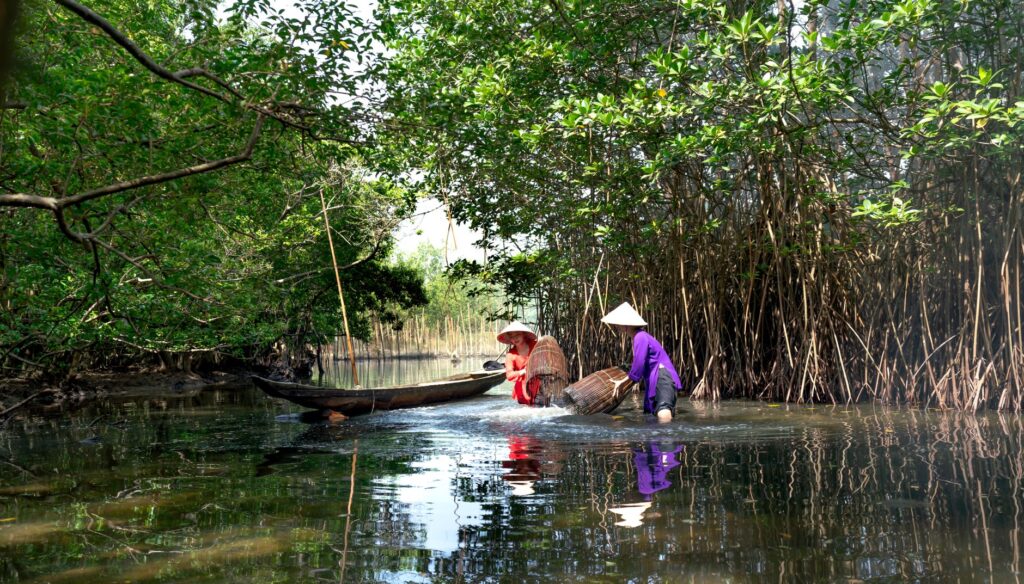
In the narrowest arteries of the mangrove, inaccessible to larger motorized boats, the traditional monoxylous canoe carved from iroko or mahogany tree trunks remains the fundamental tool of transport. Propelled with poles or short paddles by expert hands, these watercraft transport uniformed schoolchildren, fishermen, and their nets alike, constituting the most elementary yet resilient link in the deltaic logistics chain.
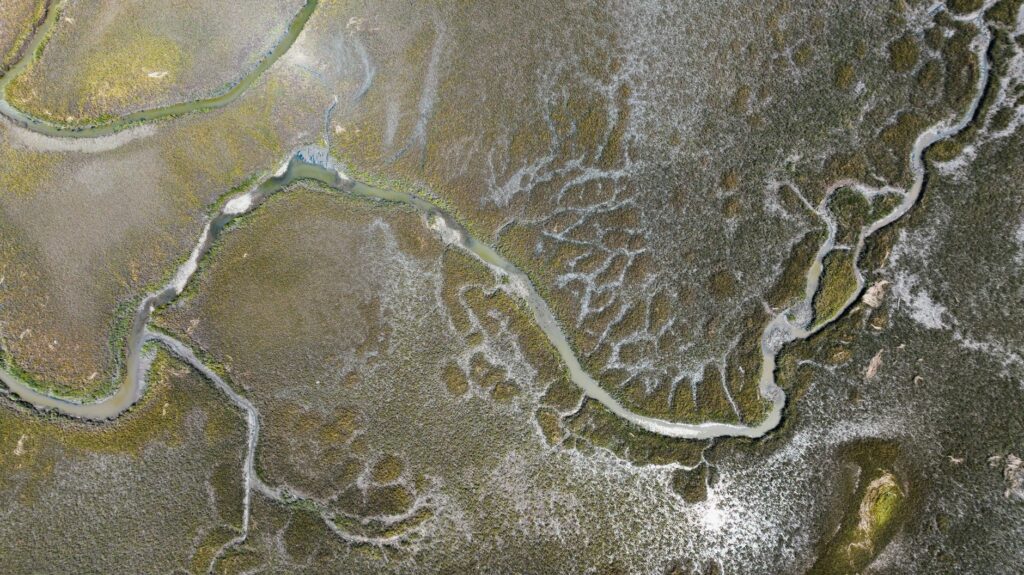
As channels widen and connect major riverside settlements, the traditional dugout coexists with fiberglass-paneled canoes and ubiquitous aluminum boats equipped with high-power outboard motors. The latter represent medium-distance public transport: true aquatic buses defying the laws of balance at breakwater speeds, carrying packed passengers alongside perishable goods. Safety on these routes depends entirely on informal regulation enforced by river transport unions, which establish fares and departure schedules at improvised wooden pier landings.
Commercial Cabotage and Floating Markets
Beyond passenger transport, the delta operates as a giant moving market where cabotage barges play an irreplaceable economic role. These flat-bottomed vessels, capable of supporting several tons of weight, supply riverside enclaves with manufactured goods from interior urban centers and evacuate local agricultural produce to major commercial collection hubs.
The floating markets, which are established ephemerally at the confluence of specific channels during favorable low-tide days, exemplify the perfect symbiosis between commerce and navigation. Buyers and vendors exchange goods without leaving their canoes, creating a bustling economic ecosystem where water acts simultaneously as a roadway, public square, and intercultural meeting space among the various ethnic groups populating the delta, such as the Ijaw, Itsekiri, and Ogoni.

Water in the Niger Delta does not divide communities; on the contrary, it acts as the only possible path in a territory where solid ground is an ephemeral and shifting luxury.
The Fuel Crossroads: Informal Logistics in the Petroleum Heart
It is a profound paradox that one of the most hydrocarbon-rich regions in the world chronically suffers from fuel supply issues for its own transport network. A large portion of the gasoline and diesel moving the delta’s outboard motors comes from artisanal and informal refining, a clandestine activity carried out in hidden camps among dense mangroves.
This artisanal fuel, transported in plastic jerrycans aboard fragile mother vessels, feeds the daily machinery of river transport but carries enormous environmental and safety risks. Barges laden with flammable drums navigate along the same channels traveled by passenger boats, highlighting the precariousness of a logistics system operating outside state regulations for hazardous materials transport.

Shoreline Infrastructure: Piers, Walkways, and the Pavement Challenge
The effort to connect the delta via terrestrial roads has historically been an endless source of unfinished pharaonic projects. Roads on concrete stilts and kilometer-long bridges attempt to defy the instability of clayey, swampy soil, but salt corrosion, extreme humidity, and river erosion rapidly deteriorate any conventional civil engineering work.
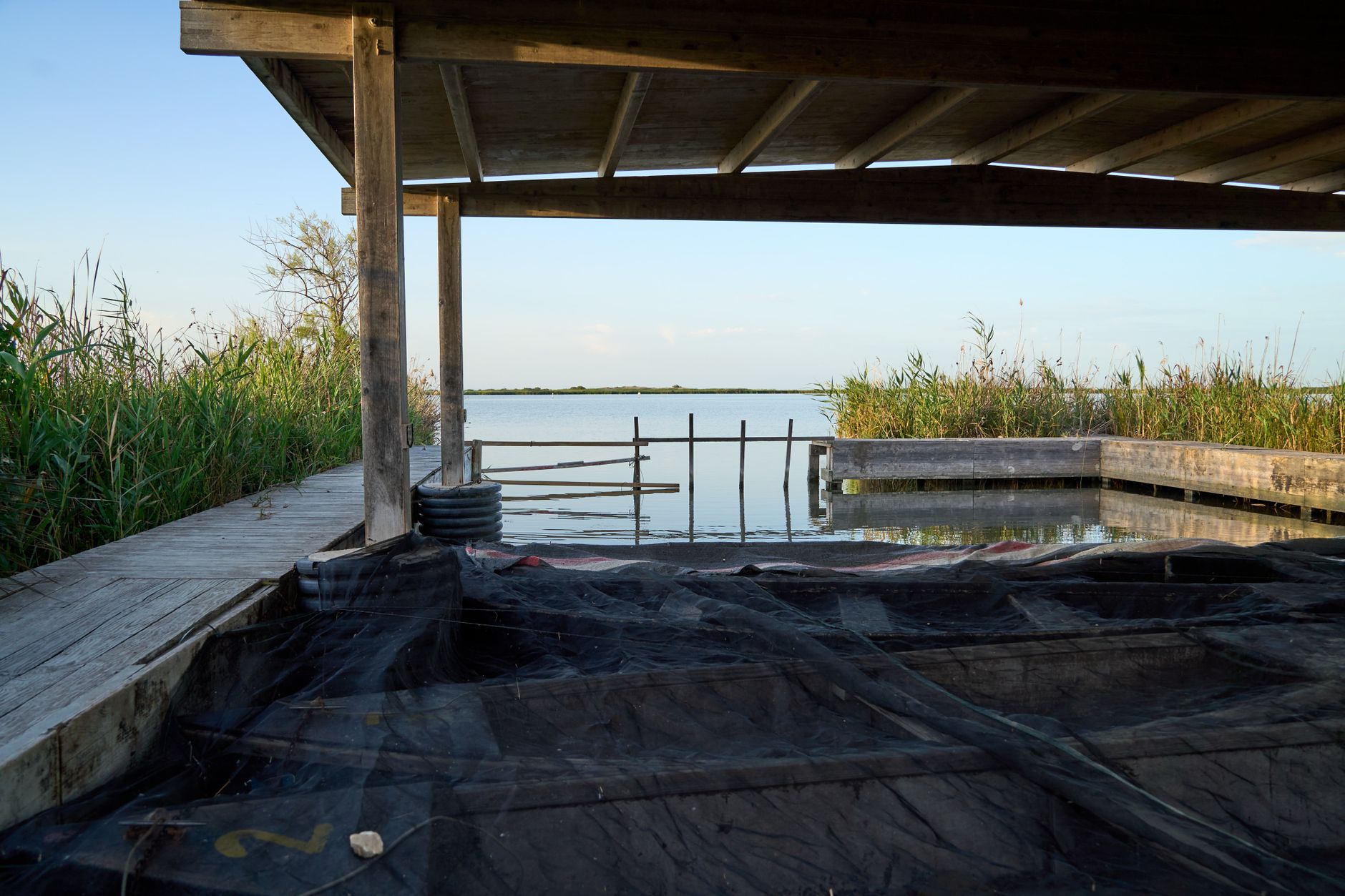
As a result, the intermodal points between road and water—urban and rural piers—become critical bottlenecks. At these makeshift docks, the transfer of goods from heavy trucks arriving from the north to river barges is done manually, employing gangs of porters carrying bundles on their heads across slippery wooden gangplanks. Modernizing these logistical nodes is the great pending challenge to balance the region’s economic scale.
Practical guide
Planning a trip or field work in the Niger Delta requires a rigorous understanding of its operational and security constraints.

- Main access points: Port Harcourt and Warri act as the primary logistical entry hubs, hosting the largest commercial docks and road connections to the rest of Nigeria.
- Regular river transport: Use exclusively services organized by official transport associations at authorized piers and avoid nighttime navigation in vessels lacking proper lighting.
- Time management: Tides and seasonal weather conditions dictate schedules; always incorporate a buffer margin of at least twenty-four hours in any planned itinerary.
- Security and permits: Certain areas of the delta require security escorts and special authorizations issued by local authorities due to persistent geopolitical and criminal risks.
- Essential equipment: Personal life jacket, high-traction waterproof footwear, watertight protection systems for electronic devices, and a comprehensive first aid kit.
The true measure of the traveler in the delta is not calculated by miles traveled, but by their capacity to adapt to the slow and demanding rhythm of tidal waters.
Twilight Over the Mangroves: Navigation Toward Silence
As the sun begins to set over the Gulf of Guinea, the intense cacophony of outboard motors and the chatter of floating markets gradually fade away, replaced by the constant murmur of the incoming high tide penetrating the aerial roots of the mangroves. This is the moment when the waters acquire a leaden, specular tone, reflecting the dark silhouettes of raffia palms defining the aquatic horizon.
In that evening twilight, the last cabotage boats seek shelter in sheltered creeks, mooring their wooden hulls against muddy banks as their crews light charcoal burners to cook dinner on board. Human connectivity in this vast river labyrinth never rests, instead adopting quieter and more persistent forms, reminding us that survival in the Niger Delta has been, is, and always will be an act of intimate communion and respect toward the capricious sovereignty of its waters.