
The city of Cuenca rises upon a rocky promontory sculpted by the millennial patience of the Júcar and Huécar rivers. Its famous hanging houses defy gravity, but the true daily pulse of its inhabitants beats just a few meters away from the modern arteries, within its Central Food Market. This building, a witness to the urban transformations of the twentieth century, encloses much more than a commercial exchange point: it is the living archive of a culinary culture forged among limestone canyons, infinite pine forests, and high mountain pastures.
Entering the morning routine of this enclosure means immersing oneself in a liturgy where the gestures of the vendors preserve the solemnity of ancient trades. Here, produce does not respond to the standardization of large supermarkets, but to the capricious rhythm of the seasons. When autumn blankets the Serranía de Cuenca with a layer of damp leaf litter, the stalls transform into an ephemeral mycological museum where saffron milk caps, porcini mushrooms, and cardoon mushrooms coexist, harvested at dawn by expert hands that know every turn of the forest.
The invisible geography of canyons and gorges
To understand the pantry that feeds the Cuencan counters, one must look toward the geographic horizon that surrounds it. The Serranía de Cuenca is not a uniform territory; it is a labyrinth of high plateaus, deep canyons, and microclimates that foster exceptional plant biodiversity. Water currents have carved valleys where small-scale agriculture survives thanks to the tenacious effort of farming families who defend local varieties against global homogenization.
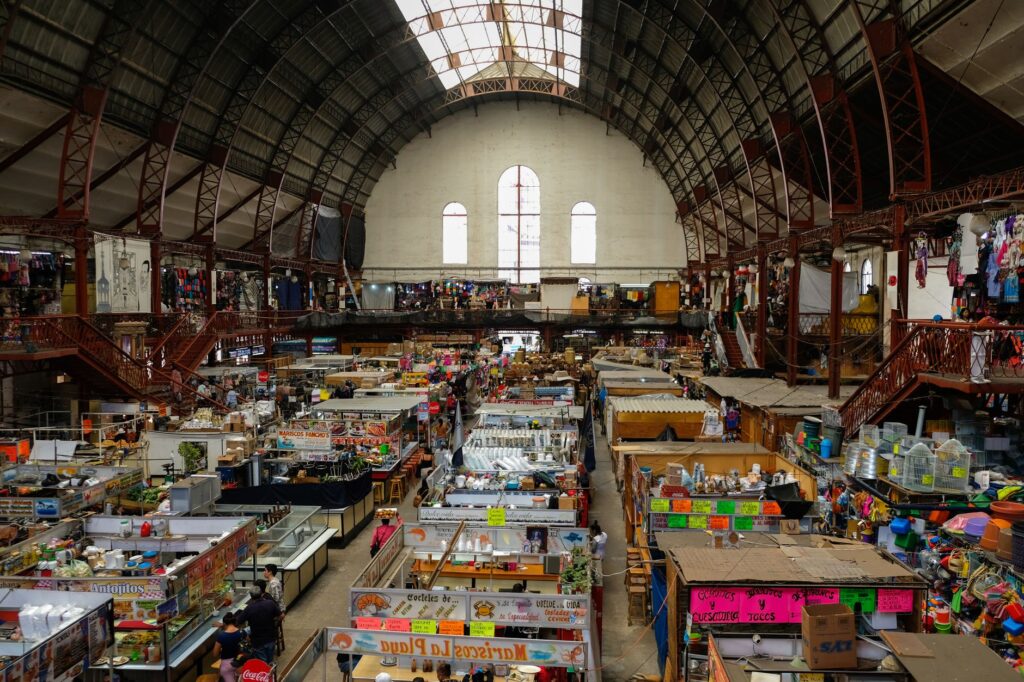
In this environment, pure water from mountain springs feeds tiny vegetable gardens located in the river valleys. A few kilometers from the urban center, these plots produce vegetables with concentrated flavors, purple garlic of infallible potency, and legumes that withstand the passage of time in linen sacks. The market acts as the convergence point where the fruits of this fragmented geography meet, allowing the visitor to decipher the landscape through the aromas emanating from wooden crates.
The art of cold and salt: the treasures of transhumance
Cuenca’s charcuterie tradition drinks directly from its pastoral past and the rigors of an extreme continental climate. Long, freezing winters historically demanded the development of conservation techniques based on salting, curing by the warmth of the hearth, and natural aging sheltered by mountain winds. At the market’s cured meat stalls, strings of game sausage, loin preserved in pure olive oil, and morteruelo—a rustic game and spice pâté whose recipe is handed down from generation to generation—narrate the history of winter survival.
The cuisine of the Cuencan Serranía does not seek artifice; it is the direct result of scarcity converted into excellence through the wise use of time and slow fire.
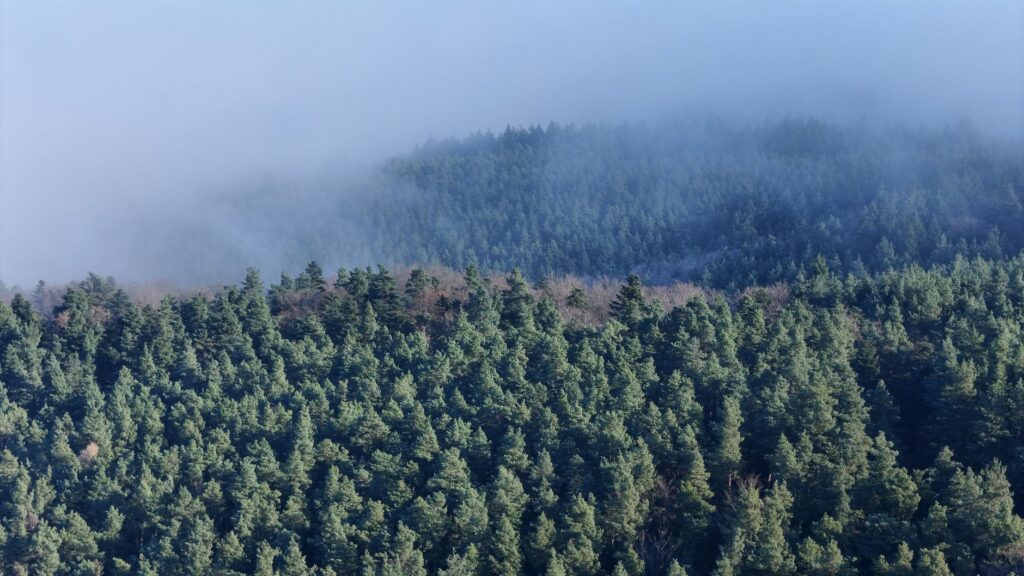
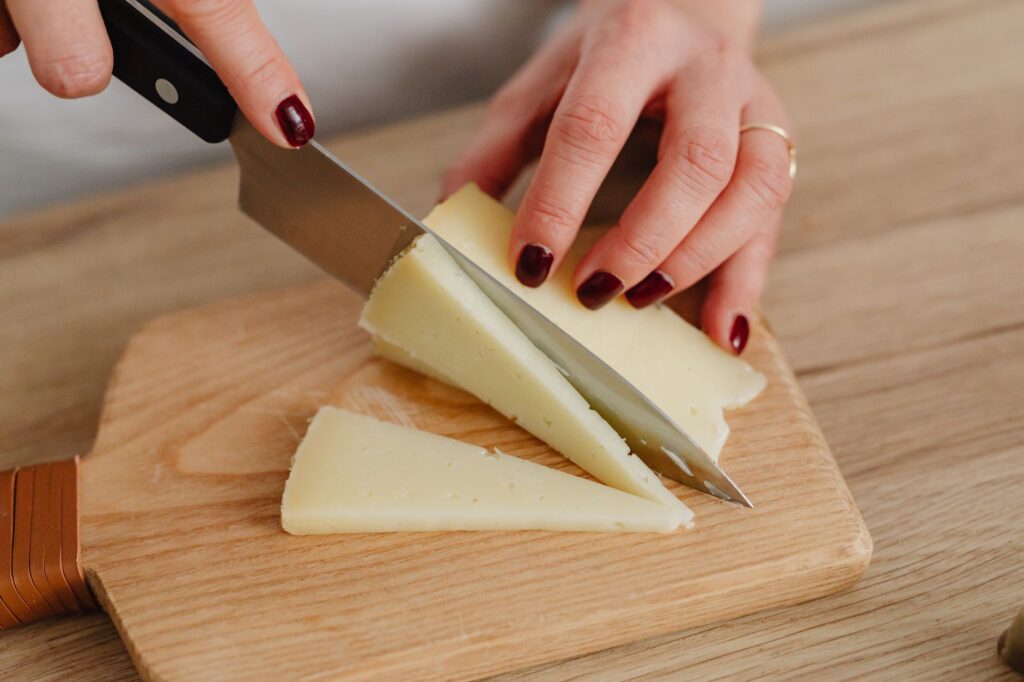
Alongside pork products, artisanal cheeses made from Castilian sheep’s milk occupy a prominent place. Wheels with natural rinds greased with lard or submerged in oil reveal cellar notes, aromatic herbs, and a touch of acidity that outlines the character of the high-altitude pastures where flocks graze. Each wedge acquired at the market carries the invisible seal of the shepherds who still traverse the ancient transhumance drovers’ roads today.
The cathedral of bread and flour in the high valleys
Cereal has historically been the primary sustenance of the high lands of Castile. In the traditional bakeries supplying the Cuenca market stalls, bread is kneaded with selected flours and slow fermentations that guarantee a crispy crust and a dense crumb capable of withstanding the moisture of traditional stews. Village loaves, baked in wood-fired ovens fueled by oak and pine pruning remnants, maintain an unshakeable relevance among local buyers.
This respect for cereal raw materials extends to convent and popular pastry-making. Alajúes—an ancestral mixture of almonds, cooked honey, orange zest, and spices wrapped between two wafers—recall the Andalusian legacy that permeated Castilian cuisine. Finding these pieces in traditional stalls connects one with a convent recipe book that has survived unscathed through contemporary gastronomic trends.
The inland tide: river fish and salted catch
Despite its status as an inland city surrounded by stone and mountain, Cuenca has always maintained a close relationship with the aquatic resources of its river basins. Wild trout inhabiting the crystal-clear waters of the Júcar and Alto Tajo rivers once occupied a central space in traditional tables, usually prepared miller-style or pickled. Although current regulations protect natural populations, the memory and flavor of these dishes remain alive in the collective imagination of the market.
Likewise, the distance to the sea did not prevent salted cod from becoming a pillar of Lenten and daily cooking. Thanks to historical merchandise transport routes, this fish reached the mountain villages to integrate into iconic preparations such as ajo arriero, a robust emulsion of potato, flaked cod, garlic, and oil that represents the quintessence of mountain resourcefulness cooking.
The social pulse of centenarian counters
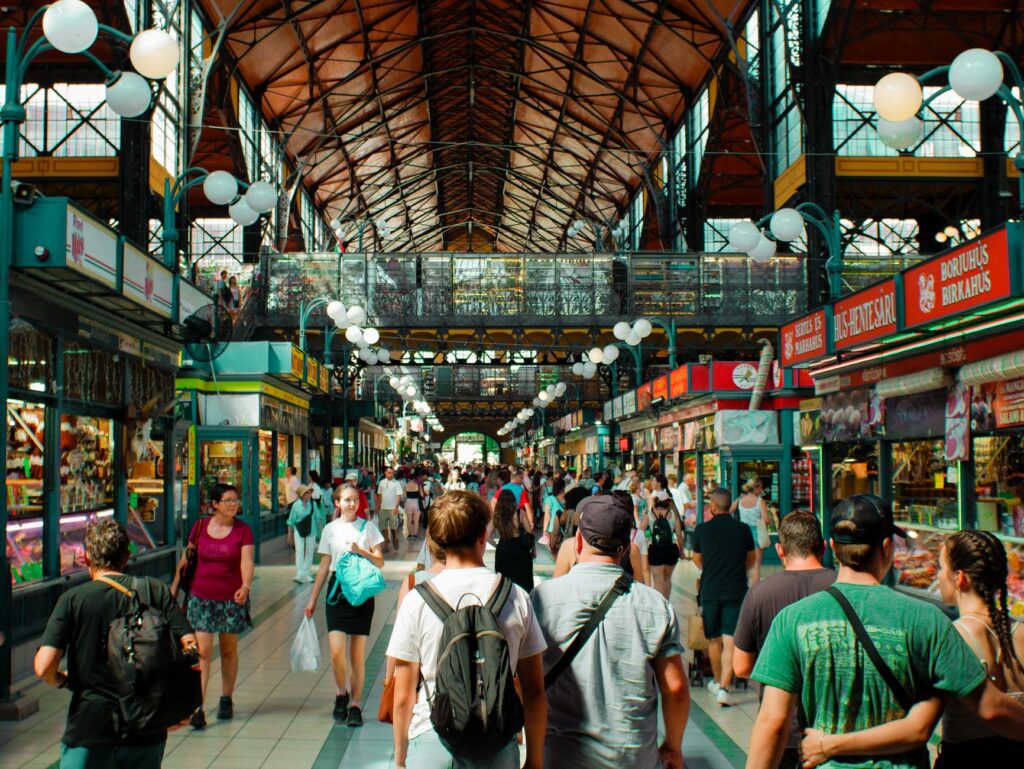
The Central Market of Cuenca is, above all, a space for urban sociability. Commercial transactions here are not reduced to an impersonal monetary exchange; they are accompanied by shared recipes, advice on the exact cooking point, and conversations about the weather or the state of the roads. The vendors act as custodians of collective memory, capable of remembering the tastes of multiple generations within the same family.
Among brass scales and tiles worn by use, the market survives as the last bastion of leisurely shopping against the dizzying dictatorship of commercial immediacy.

This human dynamism is completed by the recent opening of small tasting stalls where raw market produce is transformed into instant tapas. Visitors can savor a venison cecina croquette or a wine from the Ribera del Júcar Denomination of Origin while observing the daily bustle of neighbors filling their shopping carts with seasonal vegetables.
Practical guide
How to get there: Cuenca is perfectly connected via high-speed AVE rail, lying less than an hour from Madrid and Valencia. The Fernando Zóbel high-speed station features regular shuttle buses connecting to the city center in fifteen minutes.
Location and hours: The Central Food Market is located in the lower zone of the city, near Calle Carretería. It opens from Monday to Saturday during morning hours from 08:00 to 14:00, with Fridays and Saturdays seeing the highest activity and variety of fresh produce.
Recommended accommodations: For a complete immersion in historical architecture, the Parador de Cuenca, located in the former Convent of San Pablo opposite the hanging houses, offers privileged views. The old town also features numerous boutique hotels installed in rehabilitated manor houses.
Shopping tips: If visiting the market during the autumn season, be sure to ask for stalls specializing in wild mushrooms. It is advisable to arrive early to purchase high-demand artisanal cheeses and cured game sausages from mountain villages.
The refuge of memory and the horizon of mist
When the afternoon begins to decline over the Júcar cliffs and mountain mist starts creeping through the cobbled alleys of the old city, the market closes its doors until the following day. There remains in the atmosphere the echo of overlapping voices, the persistent aroma of pine wood, and the tangible memory of a land that has managed to preserve its identity through flavors. In a globalized world that tends to erase territorial differences, traditional markets like Cuenca’s stand as beacons of authenticity. Visiting their halls is not a mere act of consumption, but an exercise in respect toward a millennial culture that, sheltered by its mountains, continues to celebrate every dawn the daily miracle of shared life around the table.