
Introduction to a land of muleteers and silence
Winter in La Maragatería is measured not by the calendar, but by the density of the fog rolling down from the mountains of León and the thick smoke curling from slate chimneys. Just a few kilometers from Astorga, this historic region preserves an architecture of sturdy granite ashlar stones, paved courtyards, and narrow alleys designed for the passage of large mule-drawn carts. Here, time seems frozen in the 18th and 19th centuries, when Maragato muleteers held a monopoly on transporting goods between the Castilian plateau and northern peninsular ports. Far from being an open-air museum, this arid and magnetic landscape pulses to the rhythm of a culinary tradition as unique as it is hearty: the Maragato stew, a gastronomic ritual unlike any other due to its inverted order.
Traveling to Castrillo de los Polvazares, Santiago de Millas, or Val de San Lorenzo during the colder months means immersing oneself in a distinct way of understanding subsistence and hospitality. The muleteer houses, with their grand noble-wood portals and continuous balconies, conceal kitchens where the hearth fire never truly goes out. This report approaches the region not merely through appetite, but as an exercise in cultural archaeology where stone, commercial memory, and the small local chickpeas of San Feliz merge into an experience that demands pause, respect, and a voracious hunger.
The paradox of order: meat first and soup at the end
The most celebrated feature of Maragato gastronomy is undoubtedly the reversal of the traditional stew sequence. While the rest of Spain begins a broth-based meal with soup and concludes with the meats, La Maragatería starts at the very end: the meats precede the vegetables, and the soup closes the feast. This custom, wrapped in numerous popular legends, fundamentally responds to the practical working conditions of the ancient transporters. The muleteers needed to consume the concentrated proteins and fats of the meat during harsh outdoor days, saving the light, hot broth to warm their bodies at the end of the meal.

In the dining rooms of traditional inns, the parade of platters is choreographed with millimeter precision. Up to seven different meats make their appearance first: Leonese cured beef (cecina), marinated pork ribs, trotter, ear, snout, chorizo, stuffed bread crumb mixture (relleno), and minced meatball. This is followed by vegetables, usually cabbage sautéed with paprika and garlic, before the fine noodle soup finally arrives, crafted from the concentrated broth resulting from slow simmering in clay pots. Eating this dish requires a rhythmic learning curve—an exercise in initial restraint so that one reaches the end with enough dignity to enjoy the steaming broth.
The commercial epic of the muleteers
To grasp the historical weight of La Maragatería, it is essential to walk the quiet streets of Astorga and delve into the regional villages by understanding the muleteer phenomenon. During centuries of peak prosperity, the men of this land left their homes for months at a time to transport cured meats, pastries, salted fish, and manufactured goods along impossible mountain paths. This commercial activity generated an unprecedented economic boom that translated into the construction of stately mansions with noble coats of arms on their facades, monumental stables, and a rural bourgeoisie with trade connections in Madrid, Cádiz, and Santiago de Compostela.
The wealth accumulated by the muleteers materialized not only in brick and stone, but in an ethos based on self-sufficiency, guild pride, and commercial secrecy. The women assumed absolute governance of the homes, lands, and education of the children during the long absences of their husbands. Today, walking over the granite floor borders of Castrillo de los Polvazares offers a glimpse of the pulse of that community which, although losing its monopoly with the arrival of the railway, managed to bequeath a protected architectural heritage that today forms one of the best-preserved historical-artistic complexes in the Iberian Peninsula.
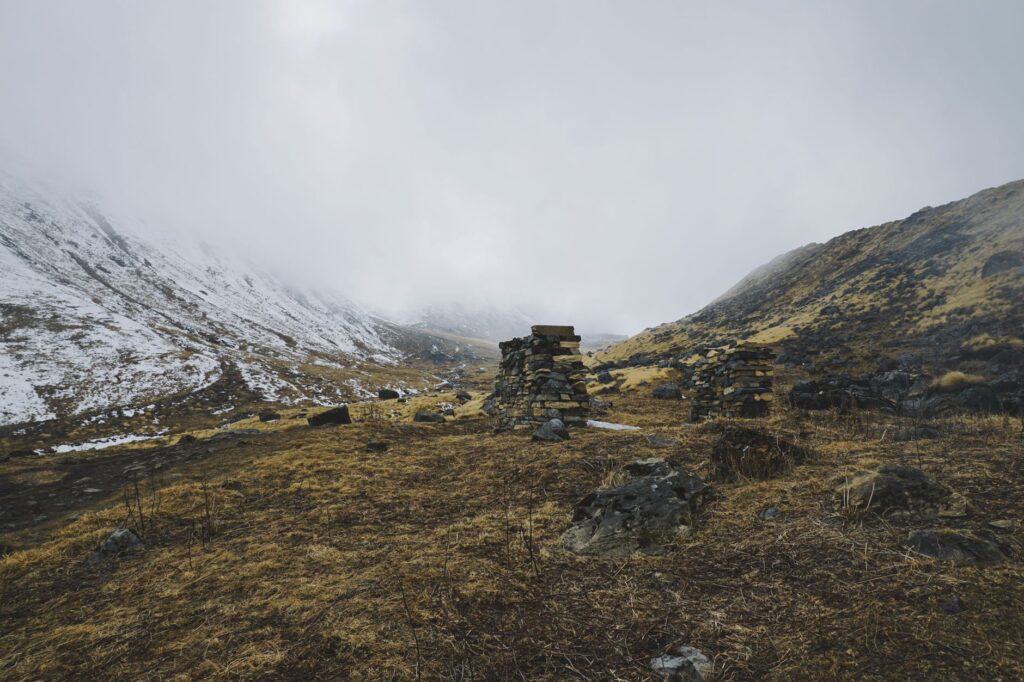
La Maragatería is not a place for passing through, but a territory that demands slow walking, observing the textures of golden stone, and understanding that every plate of stew is a living archive of survival.
Architecture of granite, wood, and winter silence
The urban planning of La Maragatería strictly responds to the functional needs of the muleteer era. Homes are organized around a central cobblestone courtyard, accessed through a carriage gateway wide enough to admit fully loaded carts. Around this neuralgic space, stables were distributed on the ground floor, living quarters on the upper floor, and attics for storing grain and cured meats. Ashlar stone comes from local quarries, while oak and chestnut wood structures balconies and galleries facing south to capture the meager heat of the winter sun.
Villages like Murias de Rechivaldo or Santa Colomba de Somoza offer the traveler a tableau where the silence is broken only by church bells or the crunch of boots on frosted ground. The absence of discordant elements in the urban landscape—municipal regulations have rigorously preserved traditional aesthetics—turns any morning stroll into a journey through time. The slate roofs, polished by mountain winds, contrast with the ochre tone of the facades, creating a sober and deeply Castilian-Leonese chromatic palette.
The vegetal gold: the pico pardal chickpea
No Maragato stew would be conceivable without its star ingredient: the pico pardal chickpea. This native variety, small in size, rough in texture, and featuring a pronounced beak-like point, is the result of the legume adapting to acidic soils and the extreme climate of the region. Its cultivation, traditionally tied to family gardens and small dry-farming plots, has hovered on the brink of extinction several times due to low profitability compared to more commercial varieties, but the efforts of local farmers and the demands of restaurateurs have managed to protect its production under quality seals.

The culinary secret of the pico pardal lies in its thin skin and buttery texture after prolonged cooking, remaining intact despite hours of heat in clay pots. When chewed, it releases a subtle earthy flavor that masterfully absorbs the juices of the meats and paprika. Visiting local cooperatives or talking with producers at regional fairs provides an understanding of the titanic effort required to harvest this vegetal gold in terrain where stone wins the battle over arable soil on every square meter.
Val de San Lorenzo: the textile and craft heartbeat
Just a few kilometers from Astorga, Val de San Lorenzo represents the other great soul of La Maragatería: its textile and artisan tradition. If the muleteers put wheels on the roads, the looms of this municipality clothed half of Spain with blankets, coarse woolens, and heavy fabrics. The ancient fuller mills and looms driven by stream water have given way to artisan workshops where generations of weavers continue to operate centuries-old wooden looms with hypnotic mastery.
The most emblematic product of this tradition is the famous Maragato blanket, recognizable by its bright color stripes on a dark background and its rugged touch, originally designed to protect muleteers from nighttime freezing temperatures on the high plains. Exploring the Museum of Traditional Clothing or visiting the village workshop-stores allows visitors to acquire handmade pieces woven from merino sheep’s wool, discovering an intangible heritage that perfectly complements the region’s gastronomic experience.

Practical guide
How to get there: The La Maragatería region is located in the west of the province of León. Main access is via the A-6 highway to Astorga, from which secondary roads (LE-142 and LE-421) branch out to connect key historic villages such as Castrillo de los Polvazares, Murias de Rechivaldo, and Val de San Lorenzo.
When to go: Autumn and winter months (November to March) are the optimal period to fully enjoy the Maragato stew and the intimate atmosphere of the stone villages. In summer, tourist numbers rise considerably, and part of the original serenity is lost.
Where to eat: Booking weeks in advance is essential at traditional inns in Castrillo de los Polvazares, such as Casa Maragata or Entrecasas, where the stew is served strictly upon prior reservation. In Astorga, the Serrano restaurant offers an excellent interpretation of local recipes.
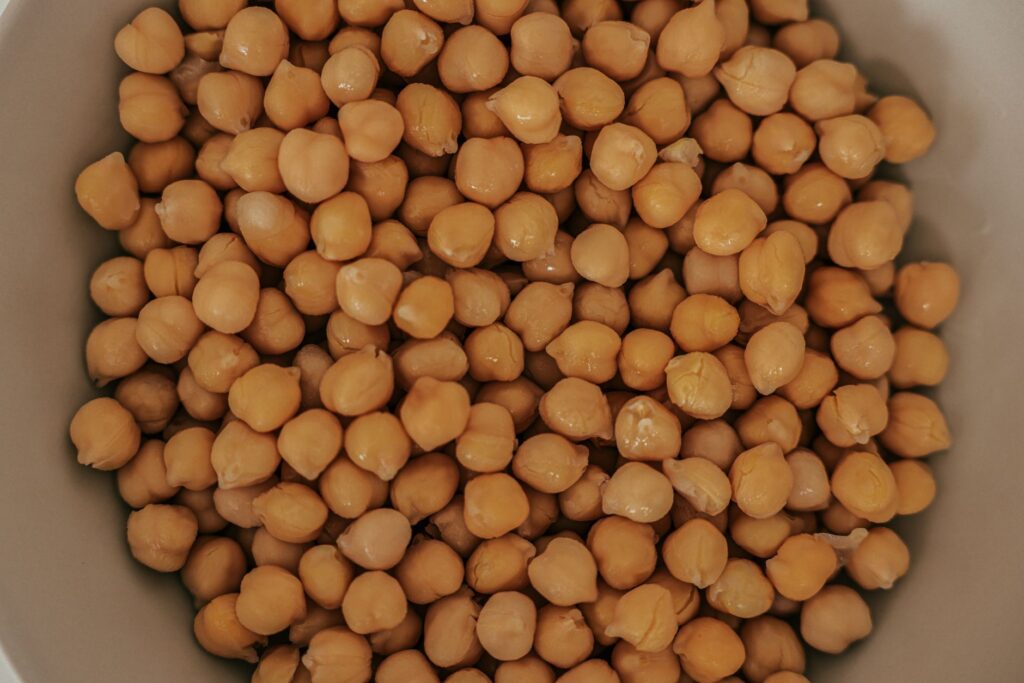
What to buy: Bulk pico pardal chickpeas in local shops, handcrafted virgin wool blankets in Val de San Lorenzo, IGP Leonese cured beef (cecina), and traditional Astorga butter pastries (mantecadas).
Epilogue by the hearth: the shelter of memory
As evening begins to fall over the slate roofs of Castrillo de los Polvazares and white frost starts to coat the fields of La Maragatería once more, the traveler understands that this region is not merely visited: it is inhabited ephemerally through the senses. Sitting by the hearth of a muleteer home, feeling the slow warmth of the stone while reviewing the day’s experiences, grants the journey a deeply human dimension. The stew, with its apparent simplicity and complex choreography of meats and broths, is nothing more than a pretext to preserve a form of cultural resistance against contemporary haste, reminding us that in the soberest corners of the peninsular geography, the untamable pulse of history sculpted by spoon and memory still beats.
Source in EN: La Vanguardia – Tiempo de cocido: visita la comarca leonesa de la Maragatería (https://www.lavanguardia.com/ocio/viajes/20200118/472924567148/cocido-comarca-leonesa-maragateria.html)