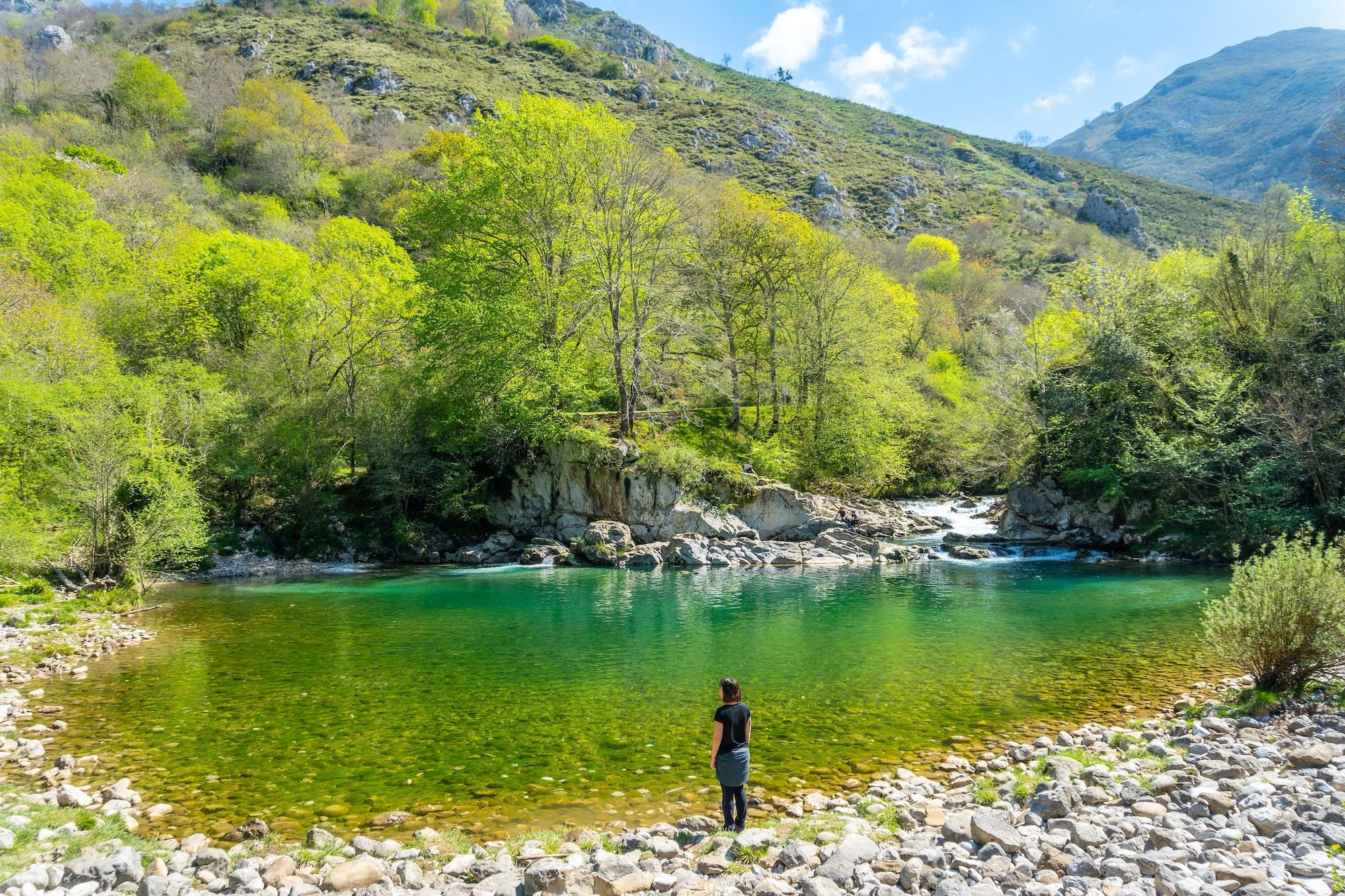

The Dobra River is not merely a watercourse; it is a vital artery descending with the force of melting snow from the limestone peaks of the Picos de Europa. On its winding path toward its confluence with the Sella, this river has carved out one of the most beautiful and unpretentious gems in Asturias: the Olla de San Vicente. A basin of crystalline waters that, under the zenith light of midday, displays a range of emeralds and turquoises that seem to belong more to a tropical latitude than to the rugged landscape of the Cantabrian Mountains.
Reaching this place requires a leisurely walk, an exercise in introspection where the sound of water hitting limestone becomes the only guiding thread. The Olla is not just a swimming destination; it is a reminder of how the persistence of water can shape stone, creating a space of absolute silence where nature reclaims its right to unaltered beauty.
The birth of an untamable flow
The Dobra River rises near the Dobres pass, on the border between León and Asturias, but it is in its middle section that it acquires its most magnetic personality. The water, filtered through limestone rocks, arrives at the Olla with exceptional purity. This natural filtration process is responsible for its characteristic color, a hue that changes according to the sun’s angle and the depth of the pool.
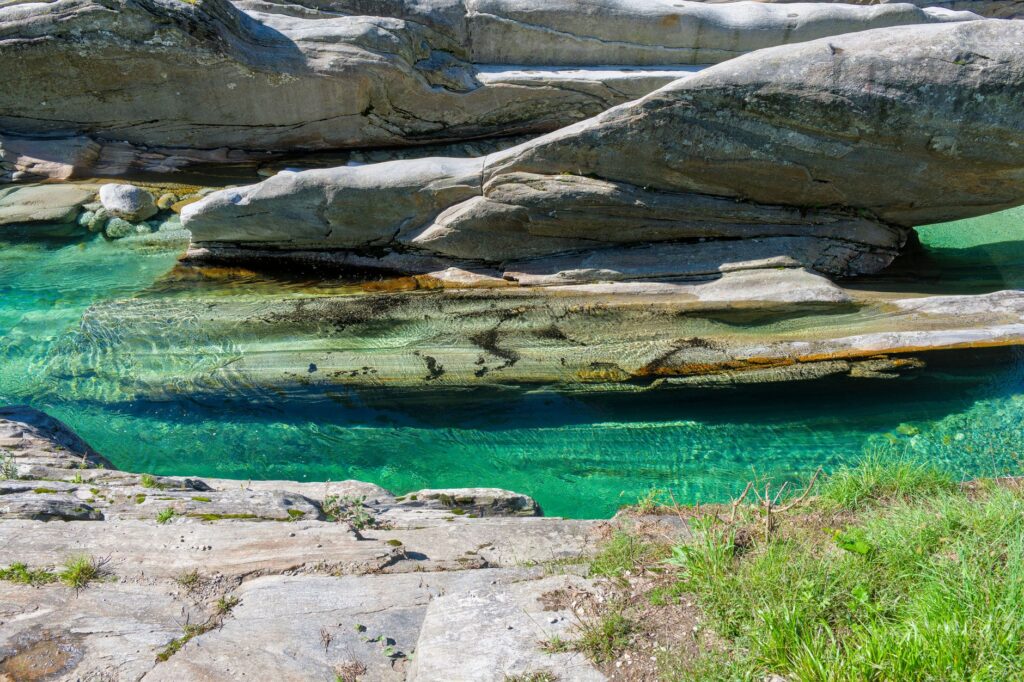
Geologically, the Olla de San Vicente is a giant’s kettle, an erosive formation produced when sediments trapped in a river eddy act as a drilling tool on the rocky bed. Over millennia, the Dobra has sculpted this perfect cavity, creating a natural pool of generous dimensions surrounded by vertical walls that protect the site from winds and the noise of the outside world.
The Dobra trail: A path of stone and moss
Access to the Olla is via a path that starts from the medieval stone bridge over the Dobra, near the village of Tornín. The trail is a narrative of textures: the damp moss covering the rocks, the ash-gray of the limestone, and the intense green of the riparian forests. It is a low-difficulty route, but one that requires proper footwear due to the unevenness of the terrain.
As we move away from the road, the air becomes fresher and oxygen-rich. The vegetation, composed mainly of alders, ash trees, and some hazelnut trees, creates a natural canopy that filters the light, generating a cozy, dim environment. It is undoubtedly one of the most photogenic stretches in the area, where every bend of the river offers a new perspective on the hydraulic force of the Dobra.
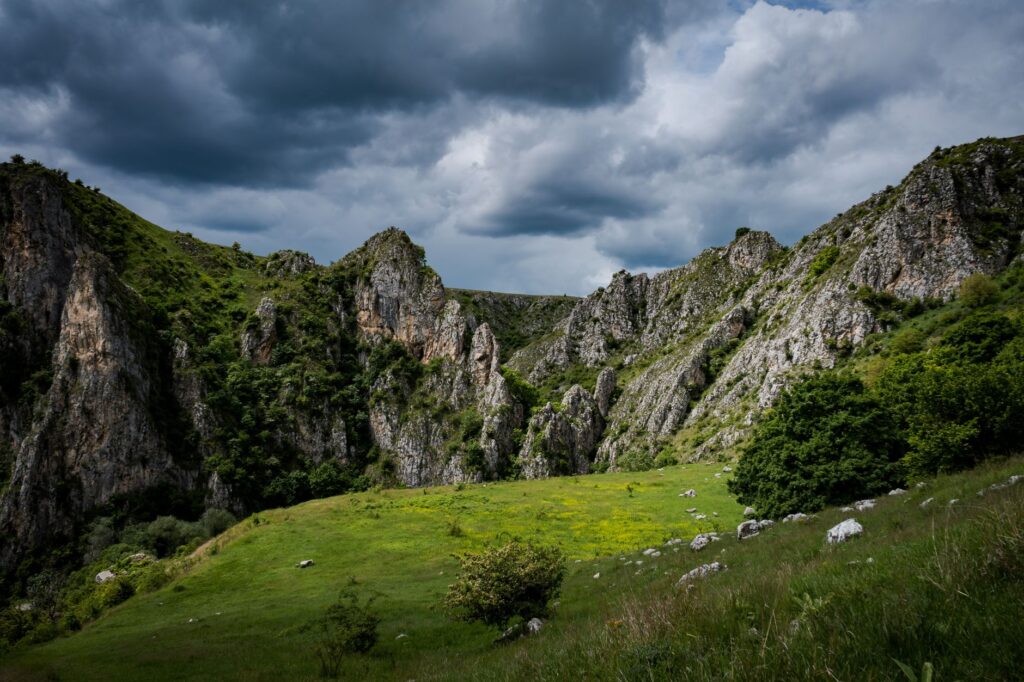
The Olla de San Vicente is not a place for haste, but a refuge for those who know how to observe the murmur of clear waters.
The traveler’s ethics in fragile environments
Due to its growing popularity, the Olla de San Vicente faces the challenge of sustainability. The fragility of this river ecosystem depends entirely on the responsibility of those who visit it. It is imperative to remember that this is a wild environment; there are no trash cans, cleaning services, or constant surveillance. Everything the traveler brings must return with them to the starting point.
Overcrowding, especially in July and August, can disturb the peace of the place. The recommendation is clear: visit the enclave on weekdays or outside the peak season. The experience of bathing in these waters, which remain icy even on the hottest days, is a purification ritual that is only fully enjoyed in the stillness of the morning.
The stone bridge: A portal to the past
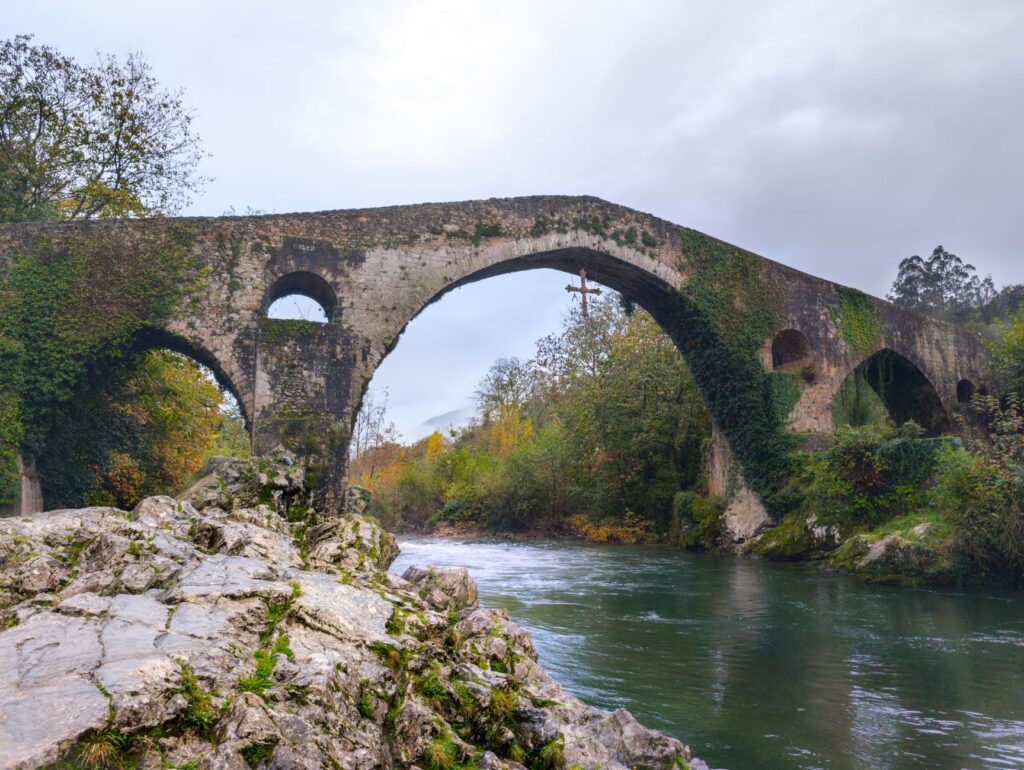
Before reaching the pool, the stone bridge crossing the Dobra greets us like a silent guardian. Although often attributed to Roman origins, many historians suggest it is a medieval construction that served as a passage for shepherds and livestock on their transhumance toward high pastures. Its semicircular arch, worn by centuries of rain and wind, is the perfect starting point to begin the immersion in nature.
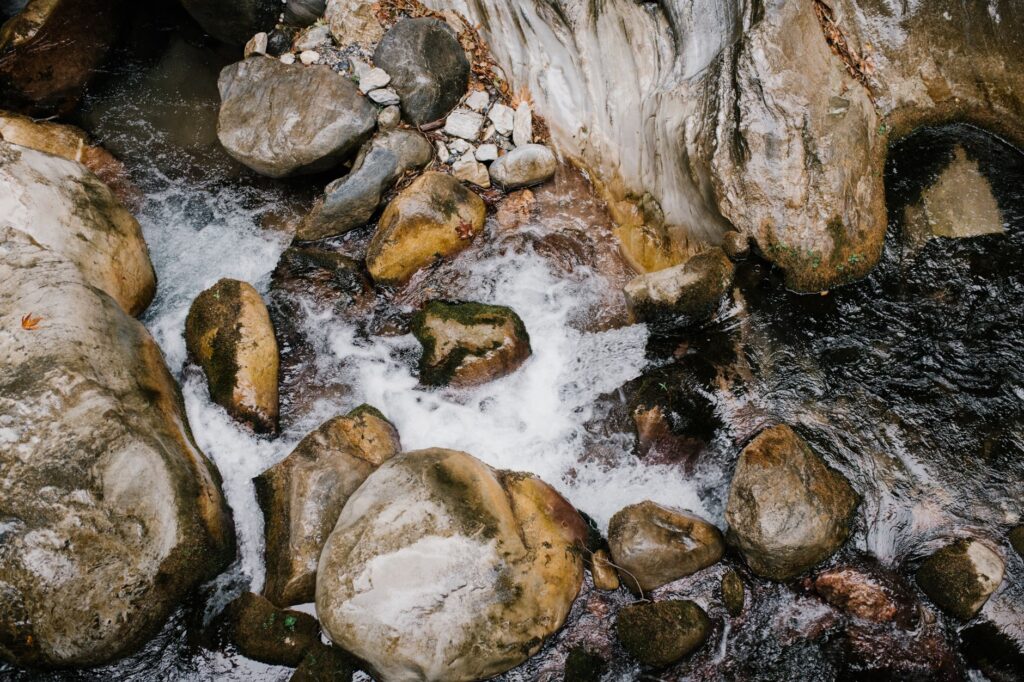
This bridge is not just a functional structure; it is a privileged viewpoint over the river. From its deck, the traveler can observe how the water rushes between the rocks, forming small waterfalls and rapids that precede the calm of the Olla. It is a place where time seems to have stopped, allowing a direct connection with the traditional ways of life of the Asturian mountains.
Riparian biodiversity
The surroundings of the Olla are an enclave of biodiversity. In its waters, the brown trout finds an optimal habitat thanks to water quality and the abundance of food. The banks are colonized by flora adapted to humidity, where ferns and mosses form carpets that absorb sound, contributing to that atmosphere of intimacy that defines the spot.
It is common to observe the low flight of the white-throated dipper, a small but tenacious bird that dives into the fastest currents to seek larvae among the stones. Its presence is a biological indicator of the purity of this river. If one remains silent, it is possible to see how it moves with agility underwater, challenging the current with a mastery that only evolution can perfect.
Light as a sculptor of the landscape
For those interested in nature photography, the Olla de San Vicente offers interesting challenges. Direct light can create contrasts that are too sharp between the white rocks and the darkness of the water. The best time to capture the essence of the place is during the early morning hours or on slightly cloudy days, when diffused light allows for an appreciation of the transparency of the bottom and the saturation of the emerald color.
Capturing the movement of water often requires the use of a tripod and slow shutter speeds to soften the river’s fall while maintaining sharpness on the static rock. It is an exercise in patience that forces the photographer to integrate into the environment, waiting for the breeze to calm to obtain the perfect reflection of the rocky walls on the water’s surface.
The water of the Dobra is a liquid crystal that keeps the memory of snow-capped peaks on its journey toward the Cantabrian Sea.
The bathing experience: A test of will
Bathing in the Olla de San Vicente is not an activity for those seeking thermal comfort. Even in mid-summer, the water temperature is remarkably low, a direct consequence of its origin in the highest peaks of the range. However, this thermal shock is part of the appeal: a full immersion is the best remedy for fatigue after the hike and a revitalizing experience for the body.
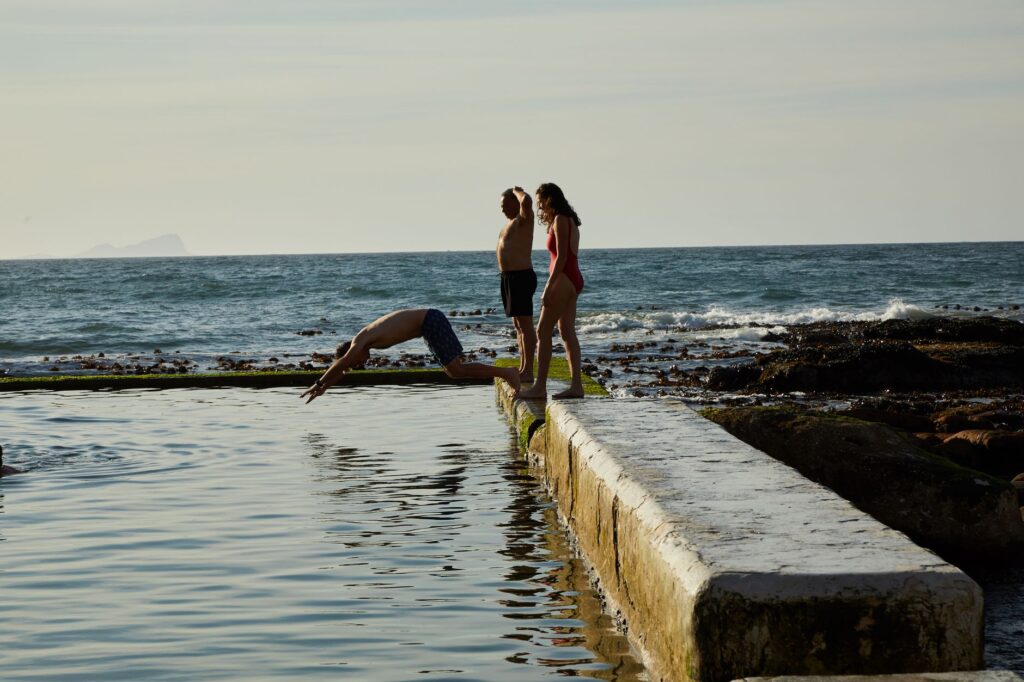
It is essential to exercise caution when entering the water. Rocks can be slippery and the depth varies drastically within a few meters. It is recommended to enter calmly, allowing the body to acclimate to the temperature, and to avoid jumping from surrounding heights, as the depth of the bottom is not always predictable due to sediment accumulation.
Practical guide
How to get there: The most common starting point is in the town of Tornín, in the Cangas de Onís council. You can reach the vicinity of the trail start by private vehicle, where parking areas are available. Estimated time: The hike takes approximately 45 to 60 minutes each way, depending on pace and stops. Recommendations: Wear hiking shoes with good grip, bring water, sun protection, and a bag to collect any waste generated. Best time: Late spring and early autumn to avoid crowds, although bathing is more pleasant in July and August. Safety note: Do not attempt the route on days of heavy rain or storms, as the river level can rise suddenly.
At the end of the day, when the sun begins to hide behind the peaks, the Olla de San Vicente recovers its ancestral silence. The light withdraws, leaving the water in a deep, almost black blue, which invites reflection. It is time to pack the backpack and start the return journey, carrying with us the image of a corner where time is not measured in hours, but in the incessant cadence of the Dobra River.
Source: Condé Nast Traveler Spain