
Soledad, Colombia: The Savannah Kitchens Where Cassava and River Shape the Daily Table.
Origins of a Riverbank Cuisine in Soledad
The town of Soledad, located in the Colombian department of Atlántico, embodies one of the most deeply rooted culinary traditions of the continental Caribbean. Just a few meters from the course of the Magdalena River, the dynamics of daily food revolve around the products that the fertile land and river currents have provided for centuries. Far from purely tourist circuits, the gastronomy of Soledad responds to a mestizo heritage where indigenous knowledge, African influences, and Spanish techniques adapted to the tropics converge across generations.
The daily pulse of this land is clearly perceived in its marketplaces and on the streets where the smoke from charcoal stoves begins to rise long before dawn. The inhabitants of this region build their daily routines around preparations that take advantage of the local abundance of tubers, plantains, and freshwater fish. Each ingredient tells a story of survival, adaptation, and community celebration that defines the core identity of its communities.
This symbiotic relationship with the natural environment enriches the daily lives of the inhabitants, who find in each harvest a reason for gathering and social cohesion. Local gastronomy is not limited to satisfying a biological need, but acts as a vehicle for cultural transmission and collective memory that strengthens with each sunrise on the banks of the Magdalena River.
The Central Market as a Neuralgic Center
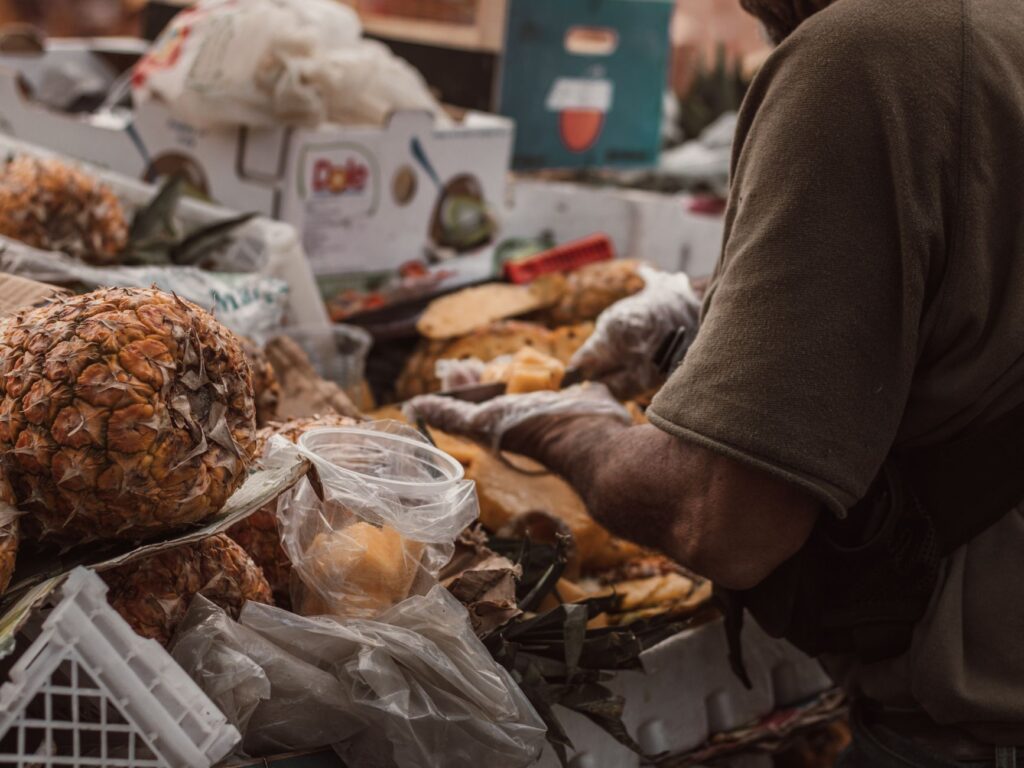
The beating heart of urban life is concentrated in its popular supply spaces, where farmers and fishermen converge to offer the fruits of their labor. Rows of stalls display fresh cassava, yams, sweet chili peppers, and tender corn, essential elements that form the basis of local gastronomy. Commercial transactions are accompanied by unhurried conversations and the exchange of knowledge about the exact ripening point of the produce.
In these enclosures, the day passes amidst intense aromas of homemade sofrito, fresh cilantro, and achiote. Local merchants act as guardians of culinary memory, passing down from generation to generation the secrets for choosing the best components of a sancocho or the ideal texture for a cheese arepa. The relationship between consumer and producer is direct and personal, a bond that strengthens the social fabric of the region.
The orderly bustle of these plazas reflects the vitality of a community that values fair trade and human treatment over the impersonality of modern supermarkets. Each market stall is a testimony of perseverance and daily effort that sustains the food heritage of the region.
The Territory of Cassava and Corn
The agriculture of the surrounding savannah supplies the stalls with an exceptional variety of products that take center stage at the daily table. Cassava, in particular, holds a place of honor in the cuisine of Atlántico; it is consumed boiled, fried, or transformed into rolls wrapped in corn husks. This versatile tuber accompanies almost any main dish, providing energy and a comforting texture to household diets.
Along with cassava, corn plays a fundamental role through artisanal preparations that require hours of dedication. From grain grinding to cooking in clay or metal griddles, the preparation of dough reflects the care of those who keep these customs alive. This is not merely nutrition, but a cultural act that preserves traditional methods against modern standardization.
The arable land of this Colombian region rewards the constant work of farmers with harvests that nourish both the body and the community spirit. Respect for the agricultural cycle ensures that each ingredient retains its essential qualities for the delight of local diners.
The cuisine of the Colombian Caribbean region cannot be understood without a deep respect for the rhythms of the earth and the generosity of its waters.
Secrets of Charcoal Cooking
Traditional cooking methods remain valid in the homes and small establishments of Soledad. The use of firewood and charcoal gives food smoky nuances impossible to replicate with modern technology. Stews of beef or pork, marinated with fresh vegetables and local herbs, are simmered slowly for hours in heavy cauldrons.
This patient process requires constant attention and experience from the cooks, who control the temperature by manipulating the embers with simple metal tools. The result is a set of comforting dishes that reconnect diners with the flavors of yesteryear, consolidating a table where patience is the main ingredient.
The transmission of these culinary techniques ensures that the gastronomic identity remains intact despite changes in contemporary lifestyles. Cooking over a wood fire is a tangible reminder of the shared history of the families of the locality.
Magdalena River Fish
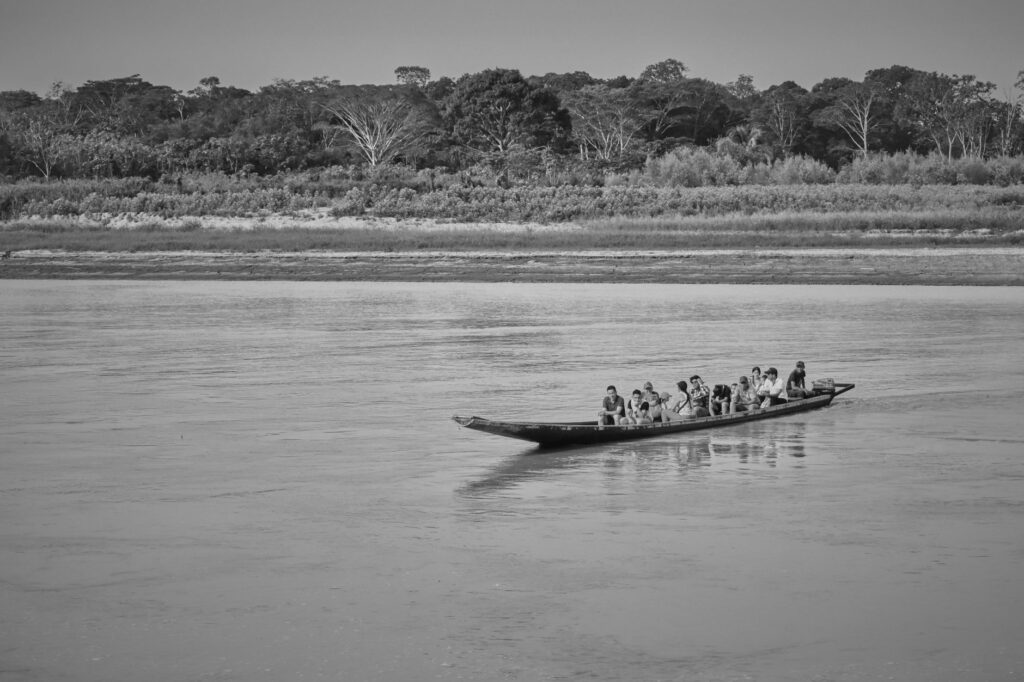
The proximity to the great Colombian tributary determines that fish forms an essential part of the daily diet. Species like bocachico, mojarra, and catfish arrive fresh at local stalls, ready to be prepared in dense soups, fried to perfection, or stewed with coconut milk and vegetables. Fresh fish recipes stand out for their simplicity and the absolute prominence of the main product.
On weekends, the preparation of these aquatic delicacies becomes a family ritual that brings together relatives and neighbors around long tables. The skill to clean and season fish is valued as an inherited art, where each cook brings their own personal touch to an unmovable traditional base.
This river abundance requires in turn a clear conscience about the preservation of species and respect for fishing regulations. Caring for the Magdalena River is equivalent to safeguarding the main source of sustenance and flavor for the entire community.
Pastry and Traditional Sweets
The conclusion of any important meal is usually marked by the presence of artisanal sweets made from tropical fruits, milk, and sugar. In the town streets, vendors offer cocadas, corozo sweets, yam with coconut, and manjar blanco in small containers that delight young and old alike. These desserts reflect the influence of colonial cuisine and the use of local harvests.
Making these sweets requires precise sugar-point techniques and prolonged cooking in copper or thick aluminum pots. Keeping these preparations alive represents a conscious effort by local artisans against the industrialized supply of confections.
Each sweet consumed on a hot afternoon is a small celebration of popular creativity and the generosity of the fruit trees growing in the patios of traditional houses.
Sustainability and Responsible Visitor Decisions
For those visiting the region, responsible gastronomic tourism implies a commitment to the local economy and respect for natural resources. Consuming in traditional markets, acquiring products directly from local farmers, and valuing artisanal work are actions that guarantee the survival of this heritage. Conscious travelers understand that their role must be that of a respectful observer who supports short marketing circuits.
Likewise, the care of the river environment and the appreciation of fishing closures are crucial issues to ensure that future generations can continue to enjoy river wealth. Environmental education and a genuine interest in learning about cultural roots enrich the visitor’s experience without altering the daily dynamics of the host communities.
Adopting an ethical stance during the trip contributes to tourism acting as a tool of preservation and not as a factor of cultural or environmental wear for the municipality.
Practical Guide
- How to get there: It is accessed mainly from Barranquilla via public or private land transport, given that the locality is part of its metropolitan area.
- When to visit: The months with less rain offer better conditions to tour open-air markets and enjoy local festivities.
- What to taste: Do not miss trying fish sancocho, egg arepas, cassava rolls, and artisanal cocadas.
- Etiquette tips: Always greet merchants kindly before photographing or asking about products in the markets.
Final Reflection on the Shared Table
The true value of gastronomy in this corner of the Colombian Caribbean lies in its community roots and the living heritage of its inhabitants. Each dish summarizes the effort of farmers and cooks who keep the flame of tradition burning. Knowing this heritage from respect and civic consciousness ensures that the table of Soledad continues to be an inexhaustible meeting point.