
The Living Geography of the Valley of Mexico
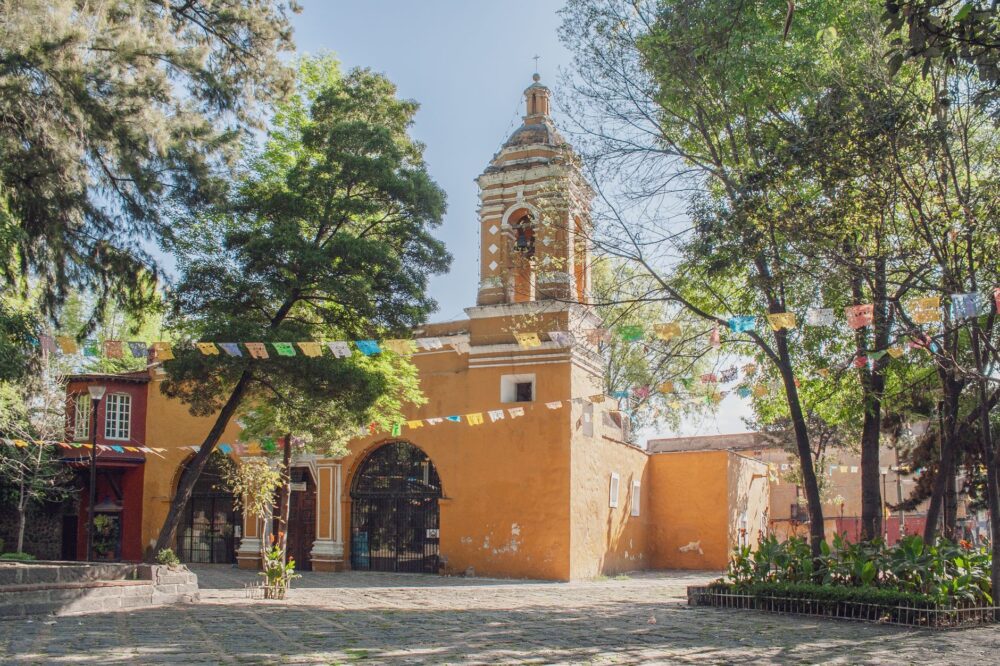
Nestled against the foothills of the Sierra de Guadalupe, the municipality of Ecatepec de Morelos in Mexico features a geographical profile defined by volcanic elevations and lacustrine plains that have shaped human settlement for centuries. The territory sits at an average elevation of approximately 2252 meters above sea level, a factor directly influencing the temperate climate and the clarity of urban horizons. The hillsides serve as a constant visual backdrop for daily routines, offering natural landmarks that orient both local residents and travelers interested in understanding the territorial layout of the State of Mexico.
The contemporary urban fabric is the result of expansive growth that has transformed ancient indigenous settlements into densely populated sectors. Despite intense urbanization, fragments of historic pathways still connect traditional neighborhoods with main thoroughfares. Walking through areas like San Cristóbal reveals how the historic street layout, characterized by narrow lanes and low-rise architecture, interacts with contemporary metropolitan infrastructure. This spatial duality defines the experience of exploring the municipality, where each neighborhood retains distinct traits derived from its agricultural and religious past.
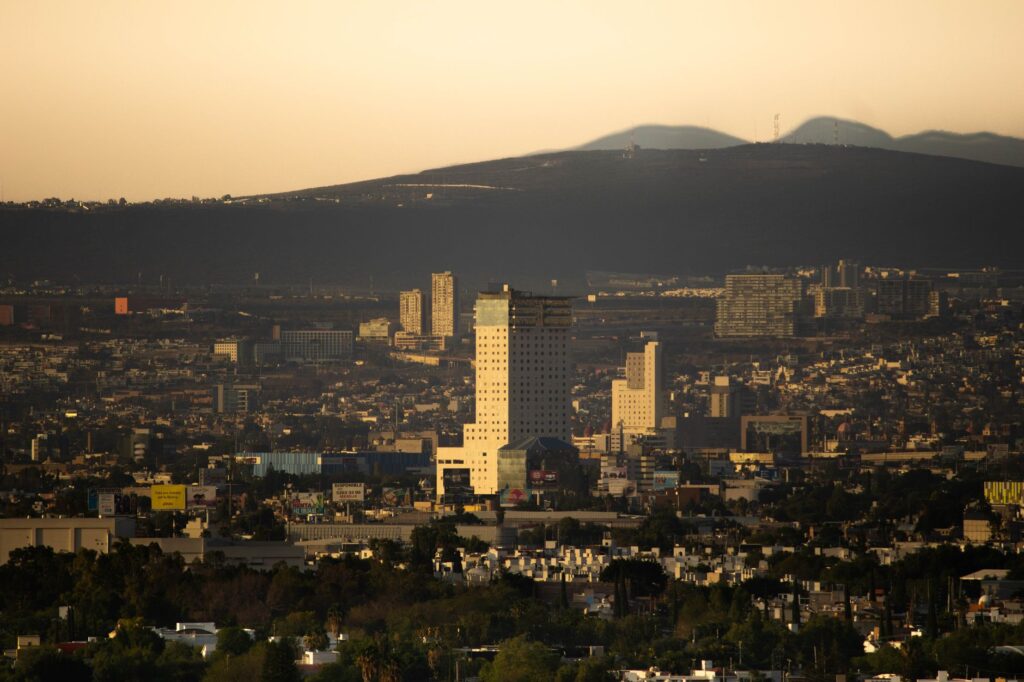
Understanding this territorial configuration requires observing how urban expansion has adapted to the natural topography of the basin. The slopes of the hills provide vantage points that overlook the vast expanse of the metropolitan area, illustrating the interplay between nature and human construction in this part of Mexico.
The Historic Heritage of San Cristóbal
The foundational heart of Ecatepec is concentrated in its municipal seat, San Cristóbal, an area where civil and religious architecture evokes pivotal stages of Mexican history. The main church and surrounding squares function as focal points where civic and social life unfolds at a measured pace. In these enclaves, volcanic stone and colonial architectural details reflect the enduring presence of a historical legacy that resists the passage of time and the dynamism of the surrounding metropolitan sprawl.
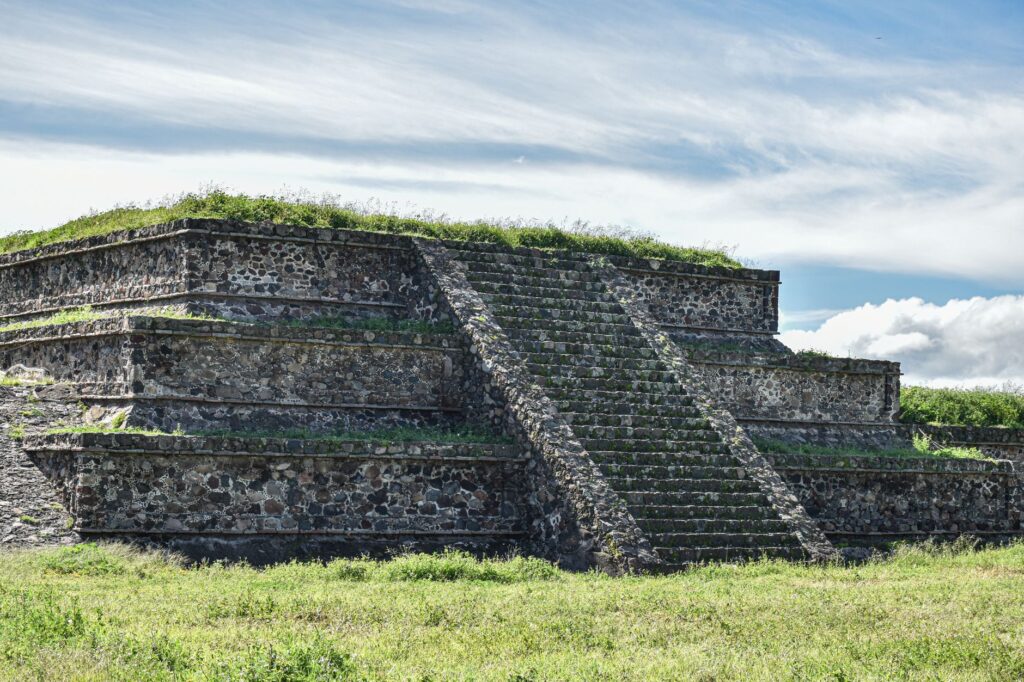
Among the monumental landmarks stands the structure known as the Albarradón de San Cristóbal, a historic hydraulic engineering project built during the viceregal period to regulate the waters of the valley’s ancient lakes. This stone structure not only testifies to colonial efforts aimed at preventing flooding, but also acts as a linear corridor inviting contemplation of the surrounding landscape. Strolls along this monument allow visitors to gauge the scale of human intervention upon the original lake environment.
Preserving these architectural elements offers a tangible connection to the past, reminding visitors of the complex hydraulic challenges historically faced by inhabitants of the region. The careful observation of these sites enriches the understanding of how early engineering transformed the local geography.
Traditional Markets and Daily Provisioning
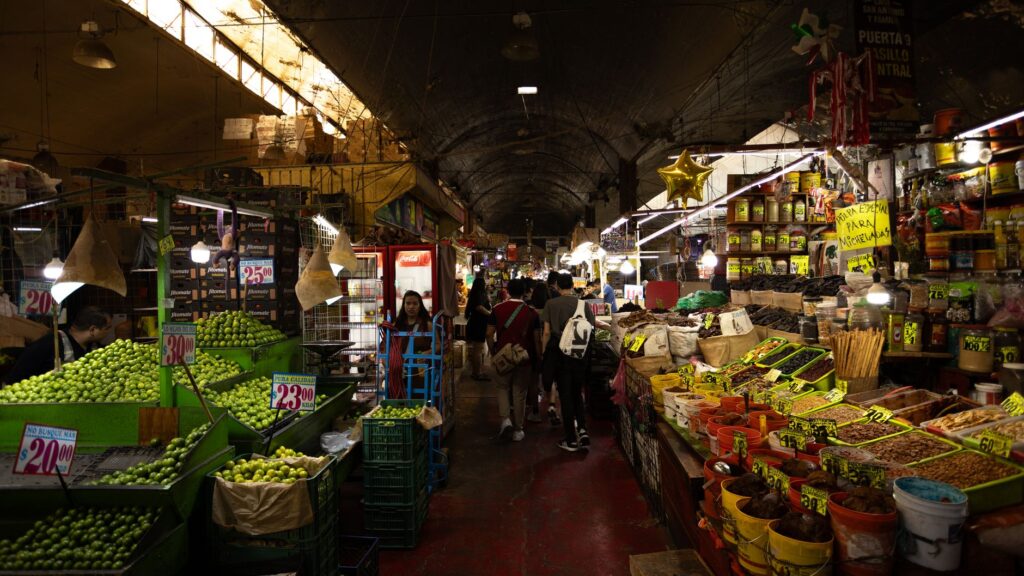
The economic and social pulse of Ecatepec de Morelos beats strongly within its traditional markets, true ecosystems of cultural and commercial exchange. In establishments such as the municipal market of San Cristóbal, the senses are engaged by aromas of dried chilis, culinary herbs, seasonal fruits, and freshly prepared local snacks. These spaces are far more than mere food distribution centers; they function as intergenerational meeting points where traditional recipes and direct commerce methods foster social cohesion.
The gastronomic offerings of local markets reflect the culinary richness of the State of Mexico and the broader Valley of Mexico. Stalls display everything from hand-pressed tortillas to stews prepared with endemic ingredients, offering travelers a direct immersion into the region’s food culture. Conversing with vendors provides insight into family histories rooted in decades of commercial labor, revealing the daily effort that sustains proximity economics within the municipality.
Exploring these commercial hubs allows visitors to appreciate the subtleties of local commerce, where human interaction remains central to the exchange of goods and culinary traditions passed down through generations.
Mobility and Transportation in the Urban Fabric
Navigating a territory of over a million and a half residents requires integrated transportation systems that connect highland zones with main roadways. In Ecatepec, daily mobility combines local bus routes, bicycle taxis in interior neighborhoods, and mass transit systems such as the Mexibus and the cable car network known as Mexicable. This aerial infrastructure not only optimizes travel times for residents living on steep slopes but also offers a unique overhead perspective of the plains and urban settlements.
For travelers seeking to explore the area with a respectful approach, utilizing local public transit constitutes a direct way to understand metropolitan dynamics. Stations and stops are zones of intense activity where streams of commuters converge, traveling toward Mexico City for work or educational purposes. Planning journeys outside peak hours allows for a calmer experience, facilitating the observation of daily life and civic interaction in transit spaces.
The integration of cable transport solutions highlights how modern municipal management addresses geographical challenges, improving connectivity for communities residing in elevated zones without disrupting the fundamental street layout below.
Urban Calm Spaces and Local Parks
Despite the predominantly urban character of Ecatepec, public spaces and municipal parks serve as tranquil refuges from the accelerated pace of the metropolis. Tree-lined green areas and civic squares allow local families to stroll on weekends, practice outdoor sports, or simply rest under the shade of native trees. These urban lungs fulfill an essential function in daily wellbeing, offering a natural counterpoint to the built density.

The preservation of these spaces fosters a sense of belonging among residents, who adopt them as venues for community celebrations and patron saint fairs. Exploring the parks late in the afternoon, when sunlight illuminates the slopes of the Sierra de Guadalupe, reveals a peaceful and contemplative side of the municipality, far removed from stereotypes often associated with Latin American outer peripheries.
These green enclaves provide crucial opportunities for social engagement, hosting informal gatherings and recreational activities that strengthen community ties across different neighborhoods.
Responsible Community Relations
Cultural tourism and urban exploration in Ecatepec require an attitude of respect and empathy toward resident communities. Given the territory’s complex social dynamics and strong local identity, visitors should prioritize spending at small businesses, utilizing community services, and respecting privacy in residential zones. Supporting artisanal workshops and neighborhood markets ensures that economic benefits directly reach the families inhabiting the municipality.
The value of a territory lies not in tourist exclusivity, but in the authenticity of the lives sustaining it day after day.
Likewise, it is essential to understand that Ecatepec’s heritage encompasses both its historic monuments and the living cultural expressions of its people. Participating in local festivities and respectfully approaching community traditions enrich the travel experience, transforming the visitor into a conscious observer of Mexican metropolitan reality.
Fostering respectful interactions ensures that tourism remains a mutually beneficial activity, honoring the daily routines and cultural expressions of those who maintain the vibrancy of the municipality.
Exploration Practices and Route Recommendations
To make the most of a visit to Ecatepec de Morelos, structuring the itinerary according to distances and the weather conditions of the Valley of Mexico is highly beneficial. Mornings typically offer cooler temperatures and clearer skies, which are ideal for visiting the historical sites of San Cristóbal and walking near the Albarradón structures. Wearing comfortable footwear and appropriate clothing for areas with slight elevation changes ensures a pleasant walking experience.
Observing local schedules and remaining mindful of basic safety recommendations in high-density areas are prudent practices for any traveler. Reviewing public transit routes beforehand and carrying offline maps simplifies navigation through a complex and dynamic urban landscape, enabling a secure and enriching immersion into municipal daily life.
Practical guide
- Main Location: Ecatepec de Morelos, State of Mexico, Mexico.
- Average Elevation: Approximately 2252 meters above sea level.
- Predominant Climate: Temperate sub-humid, with fresh mornings and summer rainy seasons.
- Recommended Transport: Mexicable system for aerial views and integrated local transit.
- Notable Heritage: Albarradón de San Cristóbal and municipal historic center.
- Markets of Interest: San Cristóbal municipal market for traditional gastronomy.
- Mobility Tip: Plan journeys outside metropolitan peak hours.
- Responsible Approach: Spending in local businesses and respecting community life.
Final Reflection on Landscape and Memory
The journey through Ecatepec de Morelos leaves a lasting impression marked by the persistence of community memory in the face of rapid urban growth. The silhouettes of the Sierra de Guadalupe continue to watch over a valley in constant transformation, where colonial history and the vitality of popular markets shape a unique identity. At the end of the day, as the last rays of sunlight illuminate the streets of San Cristóbal, the municipality reveals its true essence: a human mosaic where the dignity of daily labor and the cultural richness of the State of Mexico intertwine indelibly.