
Origins and Transformation of a Living Territory
The district of Circoiscrizione III in Turin represents a fascinating microcosm where Italy’s industrial history engages in a constant dialogue with urban modernity. Located in the western area of the Piedmontese capital, this administrative sector groups neighborhoods with distinct personalities such as San Paolo, Cenisia, Pozzo Strada, Cit Turin, and Borgata Lesna. Far from being a mere container for housing, the territory has been built over decades upon the foundations of a profound economic transformation, transitioning from housing large manufacturing complexes to becoming a benchmark for urban regeneration focused on the well-being of its residents.
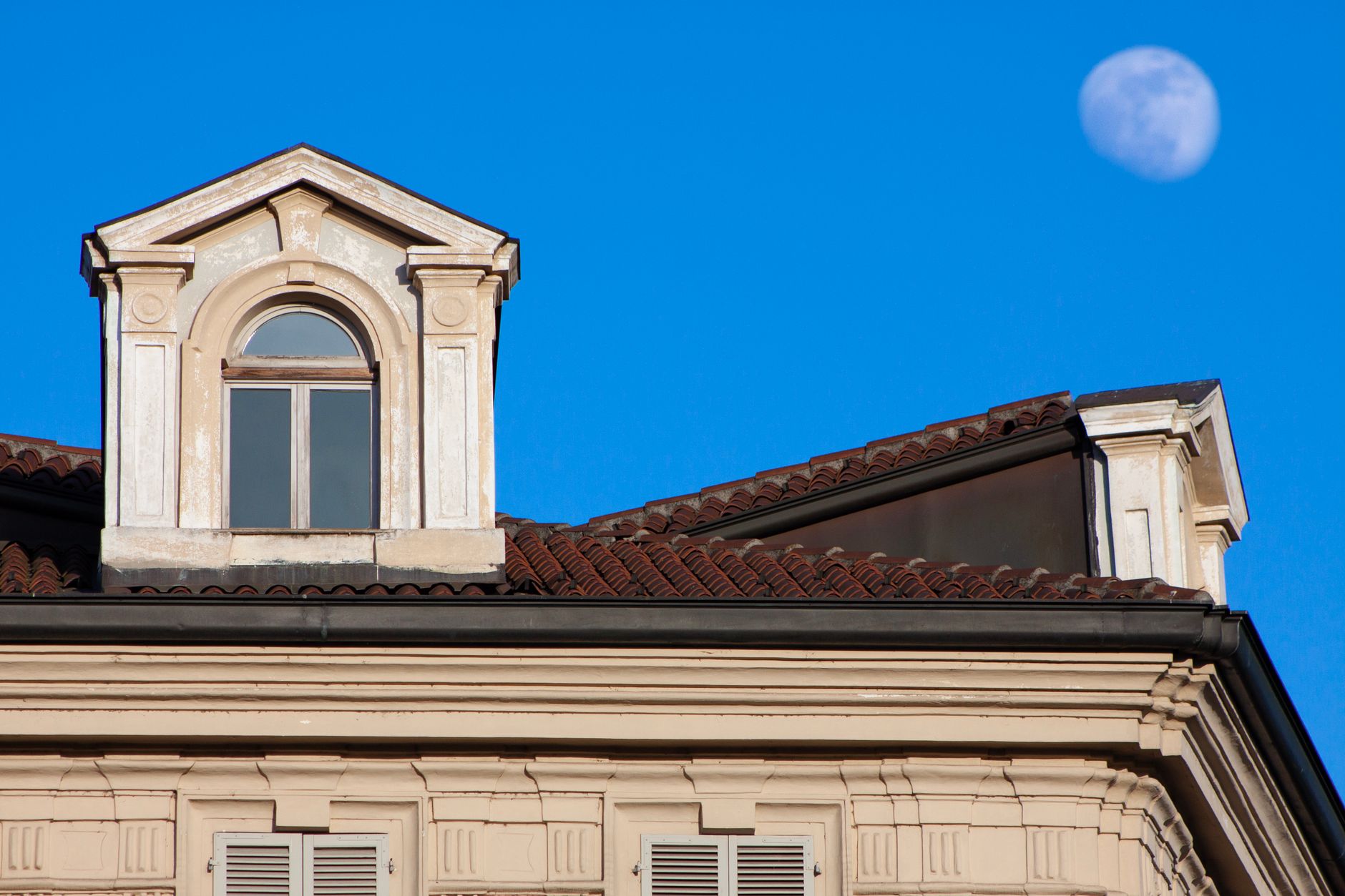
The memory of manufacturing work continues to permeate the atmosphere, though today it manifests in renewed ways. The old industrial warehouses and mechanical workshops that drove the region’s economic engine in the 20th century have given way to cultural centers, coworking spaces, and residential areas that respect the human scale. This process has not erased the past; on the contrary, it has successfully integrated it into the daily landscape. Walking through its streets allows observers to see how exposed-brick industrial architecture coexists with mid-century residential buildings and contemporary design proposals that prioritize energy efficiency and sustainability.
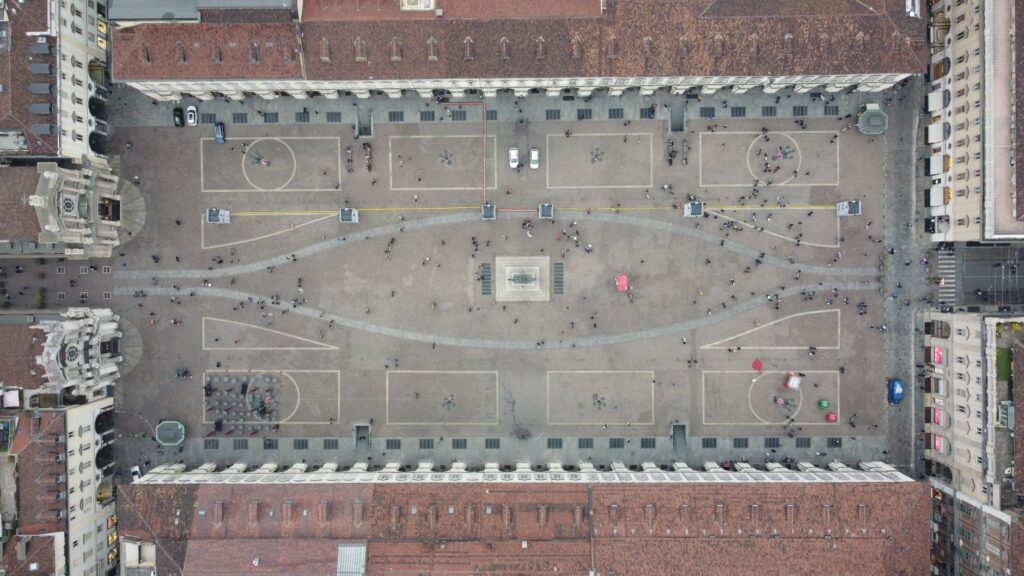
Daily life in this sector of Turin unfolds at a pace that combines metropolitan dynamism with the close-knit feel of an established neighborhood community. Squares and local markets act as the true social lungs of the district. In these spaces, citizens gather to share local produce, discuss current affairs, and maintain traditions passed down from generation to generation. Local identity is reinforced precisely in these everyday exchanges, where respect for heritage and openness to new cultural influences coexist in perfect harmony.
Architectural Pulse and Public Space Design
The built landscape of Circoiscrizione III offers a masterclass in how urban planning can evolve without losing its soul. Unlike monumental historic centers, this sector displays an architecture where functionality and social aesthetics go hand in hand. The residential blocks of the 1950s and 1960s, characterized by wrap-around balconies and interior courtyards, reveal an era when architecture cared about collective liveability. Today, recent interventions in urban design have endowed these spaces with more welcoming pedestrian zones, integrated bike lanes, and street furniture manufactured from recycled materials.
A distinctive element of design in this area of Turin is the integration of green spaces within the densely built fabric. Neighborhood parks are not mere residual spaces, but focal points designed to foster intergenerational encounters and outdoor activities. The arrangement of trees, the creation of urban gardens managed by the residents themselves, and the recovery of riverbanks and small streams demonstrate a consolidated ecological awareness. This approach responds to a responsible decision by both local administrations and residents, who understand that the design of their immediate surroundings directly influences their quality of life.
Commercial architecture also plays a fundamental role in the visual and social configuration of the district. Historic grocery stores, artisan bakeries, and neighborhood cafes maintain facades that respect traditional aesthetics, avoiding the commercial homogenization affecting so many large European cities. This attention to aesthetic and functional detail ensures that strolling through the streets of San Paolo or Cenisia is a visually rich experience, where every corner tells a story of continuity and adaptation to the present.
Daily Life and the Neighborhood Market Network
Understanding the essence of Circoiscrizione III requires immersing oneself in its daily dynamics, especially its food markets. These enclosures are not merely places to acquire fresh produce from the Piedmont region, but authentic stages for social life. Under nineteenth-century metal roofs or in squares open to the morning sun, vendors display an offering that reflects the agricultural wealth of northern Italy. Here, zero-kilometer produce, seasonality, and direct dealings between producer and consumer are valued, practices that reinforce the economic sustainability of the surroundings.
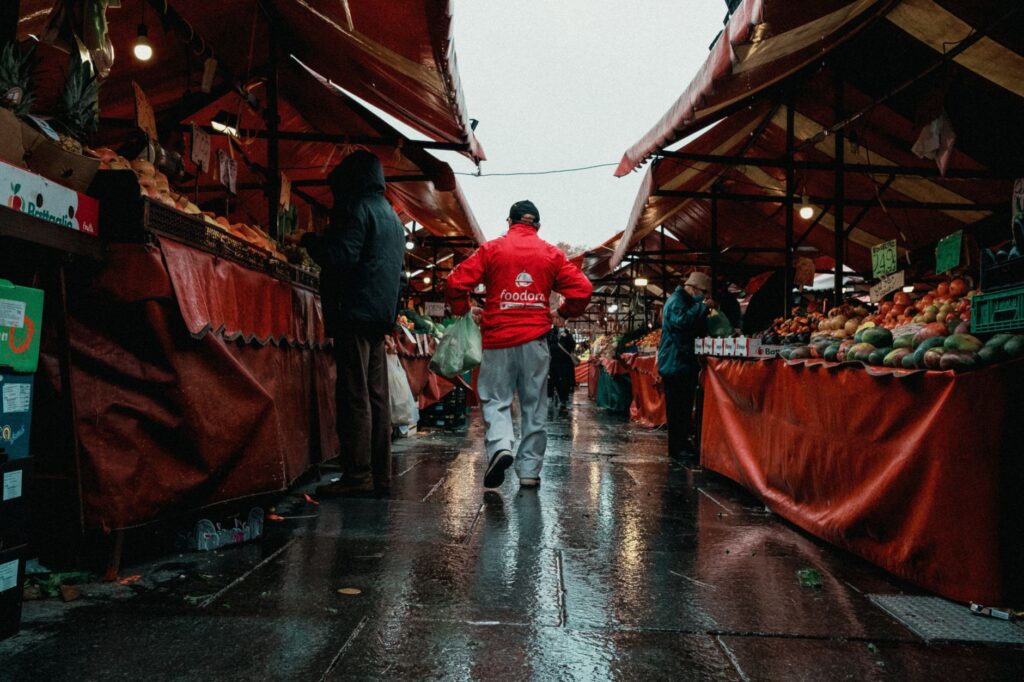
Around the markets, life unfolds in traditional cafes and on the benches of tree-lined squares. Neighbors gather to read the local newspaper, comment on sports results, or simply enjoy an espresso during a morning pause that seems untouched by the frenzy of the modern world. This unhurried routine is not synonymous with stagnation, but rather with a deep security in community values. Neighborhood associations play an active role in organizing cultural events, recycling workshops, and activities for youth, ensuring that social cohesion remains strong in the face of current demographic challenges.
Proximity commerce also extends to independent bookstores, repair shops, and design studios that choose to settle in the district seeking a more authentic connection with their public. This mix of tradition and contemporary entrepreneurship generates a resilient socioeconomic fabric, capable of weathering global crises thanks to loyalty and mutual support between residents and local merchants. Turin’s identity draws precisely from this capacity to keep small commerce alive as a pillar of urban coexistence.
Industrial Heritage and Collective Memory
The industrial heritage of this sector of Turin constitutes a three-dimensional archive of Italian working-class history. The old factories that once produced textiles, mechanical components, and vehicles are today the object of study and heritage revaluation. Far from being demolished to make way for impersonal real estate developments, many of these structures have undergone careful industrial archaeology interventions. Architects and urban planners have transformed old warehouses into multifunctional centers, public libraries, and exhibition spaces where the memory of working-class struggles and achievements is preserved.
This revaluation of the manufacturing past is not limited to large buildings; it also permeates toponymy, minor monuments, and pedestrian routes connecting different neighborhoods. Walking through the streets of Borgata Lesna or Pozzo Strada means stumbling upon commemorative plaques, public sculptures dedicated to labor, and artistic murals that reinterpret industrial history from a contemporary perspective. The community recognizes these elements as a fundamental identity anchor that prevents the cultural rootlessness so common in large contemporary metropolises.
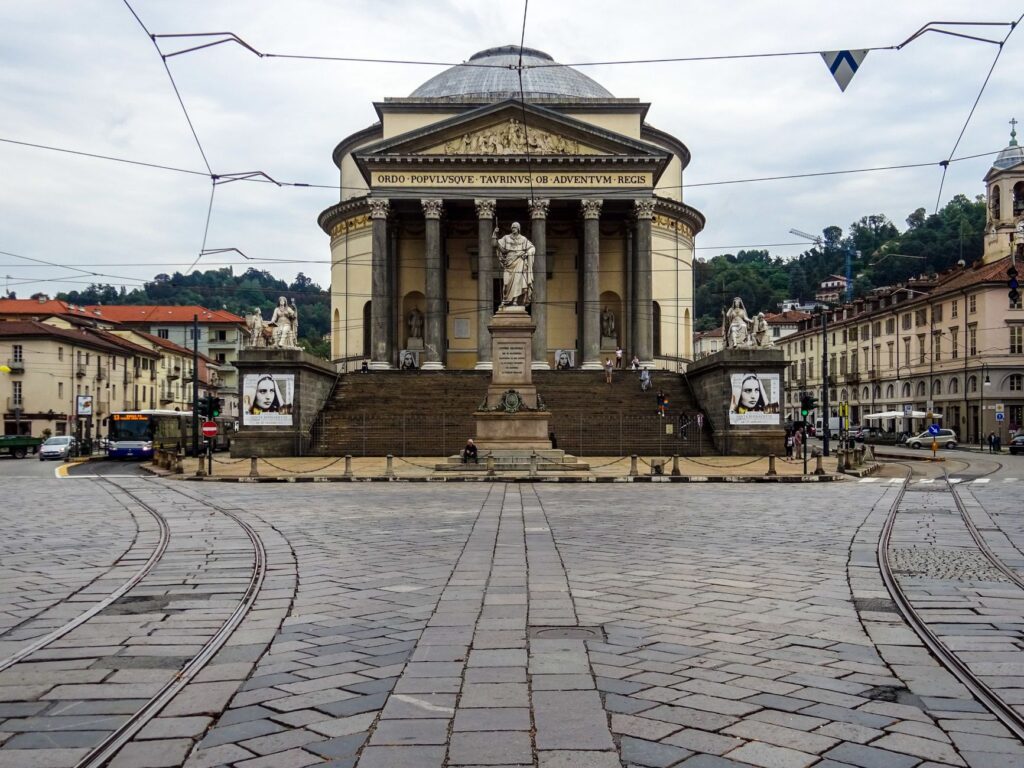
The dialogue between the industrial past and present ecological aspirations translates into regeneration projects that prioritize collective memory. Schools, civic centers, and cultural associations collaborate in gathering oral testimonies and photographic archives that document the evolution of the district. In this way, history is not confined to academic books, but is lived in classrooms, squares, and gathering centers, ensuring that new generations understand the collective effort that cemented the current city.
Urban Sustainability and Responsible Visitor Decisions
Responsible contemporary tourism finds in Circoiscrizione III a model destination to observe how an urban community addresses the ecological challenges of the 21st century. Unlike the mass-marketed circuits of Turin’s historic center, this district offers an authentic and unvarnished perspective of Italian metropolitan life. For travelers seeking to understand reality beyond postcards, visiting this sector entails adopting an attitude of respect and active listening toward local dynamics.
Responsible visitor decisions begin with the use of public transport and active mobility. The district is perfectly connected via a capillary network of trams, buses, and metro stations that make private vehicles entirely unnecessary. Likewise, bicycle rentals and the use of extensive bike lanes facilitate fluid movement that respects the urban environment. Supporting the local economy by shopping at traditional markets, eating at family-run restaurants, and using accommodations integrated into the residential fabric are practices that ensure tourism directly benefits the host community.
The true value of an urban journey lies in the ability to view others’ daily routines not as a spectacle to consume, but as a mirror in which to recognize the dignity of labor and shared coexistence.
The conscious traveler understands that a place’s heritage is not exhausted in its museums, but resides in the cleanliness of its streets, the care of its parks, and the civic-mindedness of its inhabitants. By traversing the neighborhoods of San Paolo or Cenisia, visitors become temporary observers who learn to value the architecture of everyday life, contributing through civic behavior to the preservation of a delicate balance between urban development and social well-being.
Culture, Street Art, and Community Expression
Artistic expression in Circoiscrizione III transcends institutional spaces to settle in the public realm. In recent years, gable walls, underpasses, and building facades have served as canvases for street art interventions addressing social, environmental, and historical issues. These works are not the result of aesthetic speculation, but of participatory processes in which neighbors, artists, and local associations decide which themes deserve visibility in their daily surroundings.
The design of these mural interventions dialogues with the chromatic palette of traditional Piedmontese architecture, utilizing earthy tones, ochres, and grays combined with contemporary strokes that dynamize the urban landscape. This phenomenon turns the district into an open-air museum accessible to any passerby, democratizing access to art and fostering a sense of belonging. Neighborhood cultural centers complement this offering by organizing temporary exhibitions of local artists, independent film series, and open workshops that encourage community creativity.
Literature and music also find refuge in neighborhood libraries and small auditoriums hosting literary gatherings and chamber concerts. The cultural life of Circoiscrizione III demonstrates that artistic decentralization enriches a large city, endowing peripheral or residential neighborhoods with an independent and vibrant voice that complements the offerings of Turin’s institutional tourist circuits.
Neighborhood Flavors: The Everyday Gastronomy of Piedmont
Gastronomy in Circoiscrizione III avoids tourist traps and concentrates on the honest excellence of traditional Piedmontese cuisine adapted to the rhythm of modern life. In neighborhood trattorias, bakeries, and local pastry shops, flavors are based on a rigorous respect for seasonal ingredients. Fresh pasta dishes such as agnolotti del plin, handmade according to age-old recipes, or preparations based on mushrooms, regional truffles, and locally raised meats form the core of a comforting culinary offering deeply connected to the territory.
The shared table in Turin’s neighborhoods is the space where Piedmont’s agricultural memory meets the dynamic pulse of current urban life.
Food markets act as the epicenter where local chefs and residents acquire the products defining the daily diet. Cheese stalls offer specialties like Castelmagno or Toma Piemontesa, while vegetable stands showcase the wealth of the surrounding market gardens. This gastronomic culture does not seek ostentation, but rather the pleasure of sharing a well-made meal, prepared with patience and accumulated knowledge over generations, consolidating the table as the district’s primary space for social gathering.
Practical guide
- Getting There: The district is accessible from downtown Turin via metro line M1 (with key stops like Racconigi and Pozzo Strada), as well as numerous tram and bus lines managed by GTT (Gruppo Torinese Trasporti).
- Internal Mobility: Exploring the area on foot or by bicycle is recommended, utilizing the urban bike lane network and bike-sharing services available throughout the city.
- Accommodation: Opt for regulated tourist apartments or small guesthouses integrated into the residential fabric of the San Paolo and Cit Turin neighborhoods to support the local economy.
- Main Markets: Corso Racconigi Market and Piazza Benefica Market are essential stops to experience daily commercial and gastronomic life.
- Local Etiquette: Maintain respectful behavior in residential areas, moderate noise levels during nighttime hours, and greet local merchants using basic Italian courtesy phrases.
- Recommended Season: Spring (April to June) and autumn (September to November) offer optimal temperatures for walking and enjoying open-air markets.
- Responsible Consumption: Prioritize zero-kilometer commerce in neighborhood markets and avoid unnecessary single-use plastics during your travels.