
Introduction to the Mobility Hub in Hillerød
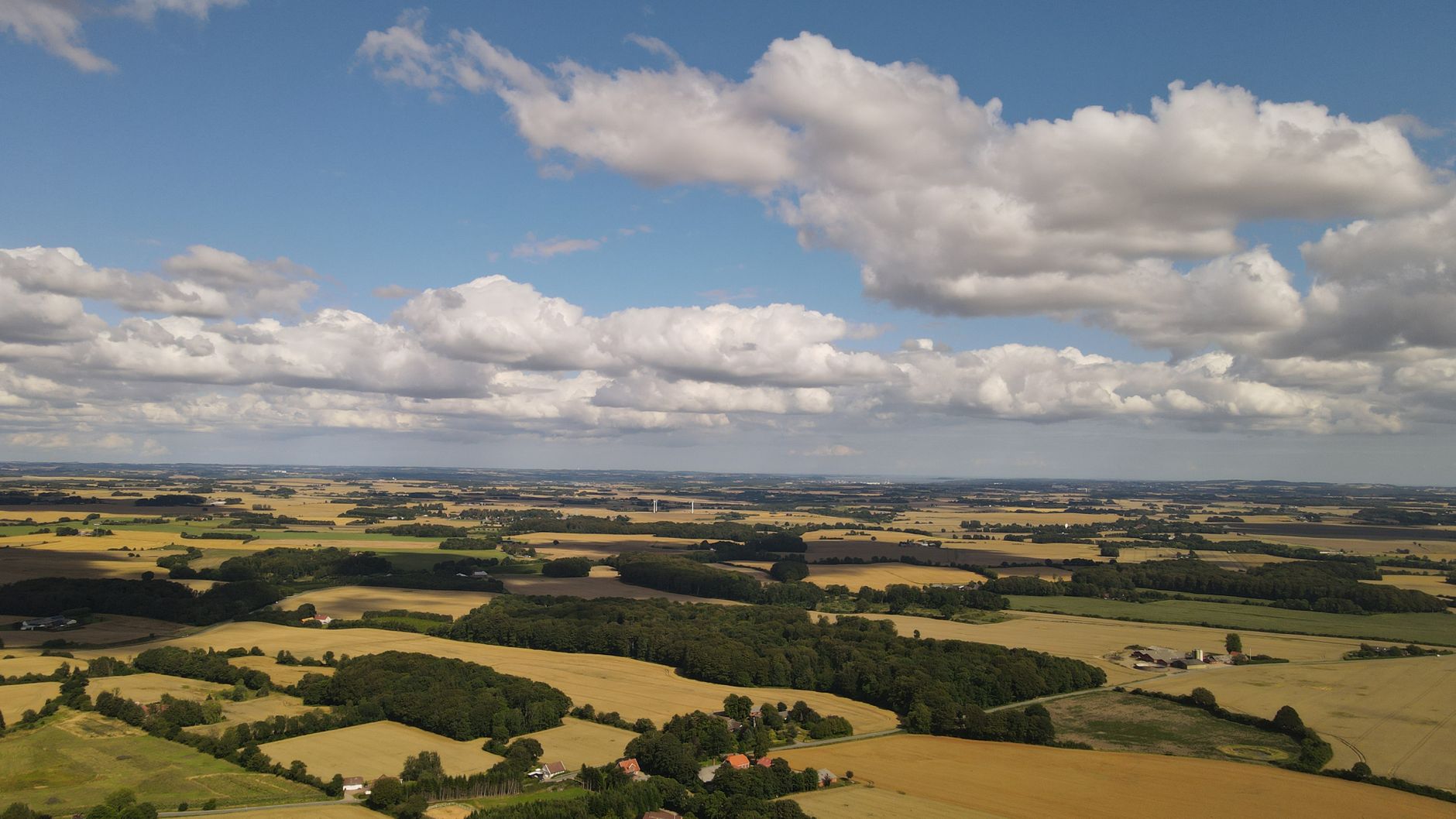
At the heart of the Capital Region of Denmark, the town of Hillerød presents itself as a territory where transport infrastructure does more than simply resolve daily logistics; it establishes an ongoing dialogue with the surrounding history. Set amid gentle hills and serene lakes, this community of over thirty-five thousand residents has successfully turned its geographical position into an advantage of connectivity. With an average elevation of around twenty-nine metres above sea level, the municipality serves as a vital axis for those commuting between northern residential settlements and the metropolitan dynamism of Copenhagen. The public transport network acts here as the connective tissue that brings cohesion to historic neighborhoods, commercial spaces, and surrounding natural areas.
The mobility system in Hillerød stands out for its metropolitan integration, with the commuter railway line serving as a backbone for daily life. Frequent schedules and the characteristic punctuality of the Danish system allow hundreds of people to carry out their work and educational commutes without relying on private vehicles. This commitment to sustainability is not a recent phenomenon, but the result of decades of urban planning aimed at preserving the human scale of the town. Walking through its streets, one can observe how platforms and bus stops blend harmoniously with the urban fabric, avoiding large concrete scars and prioritizing pedestrian and bicycle traffic in the vicinity of arrival points.
Historical Heritage as a Visual and Territorial Reference
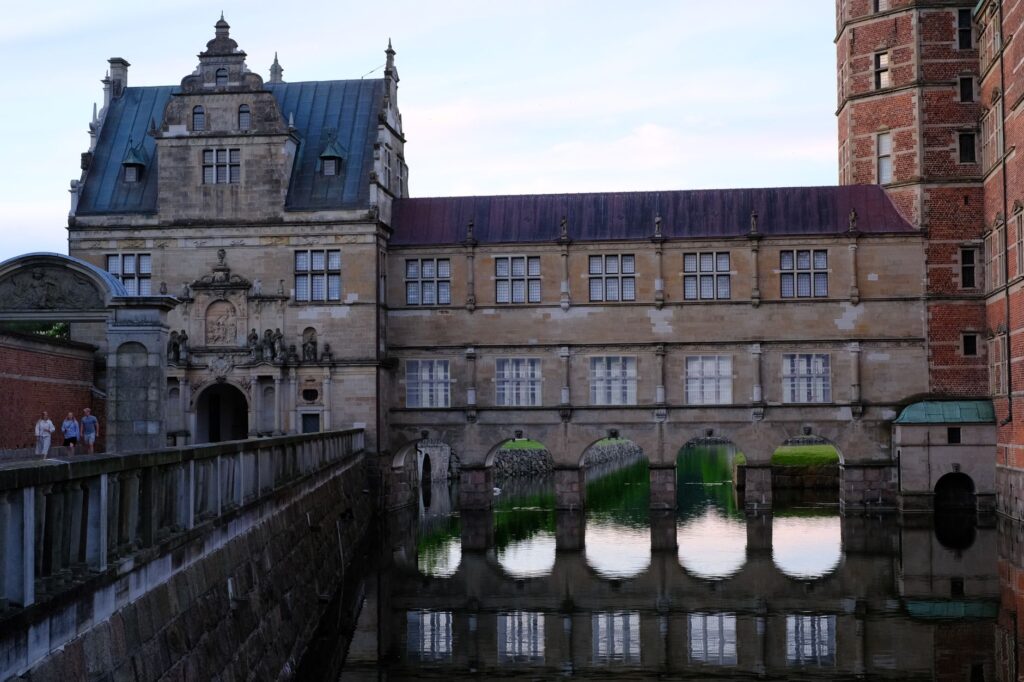
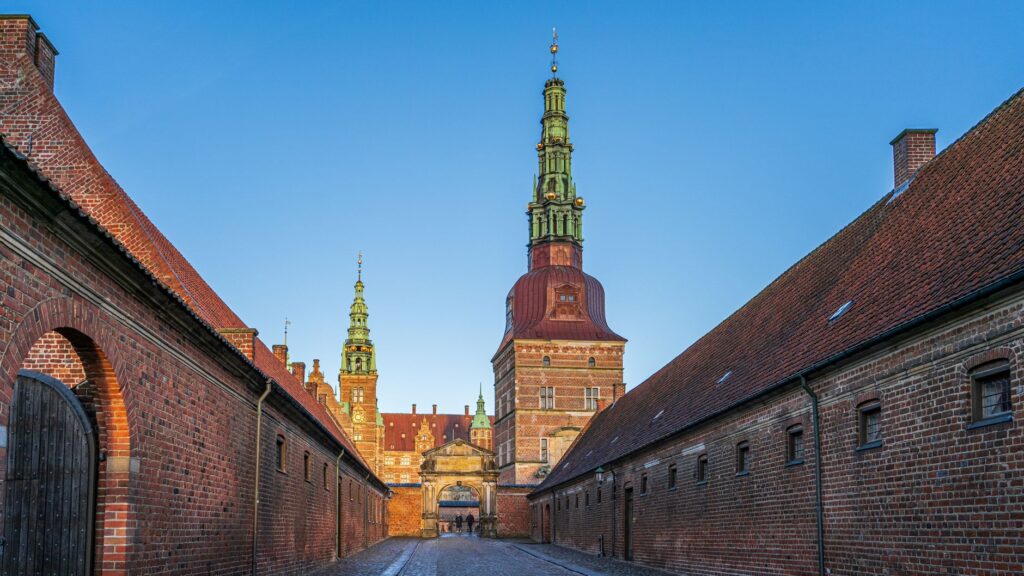
The architecture of Hillerød is imposingly dominated by Frederiksborg Castle, a masterpiece of the Renaissance situated on three islets in the middle of the castle lake. This patrimonial jewel is not merely a top-tier tourist attraction, but a geographical and visual reference point that guides travelers arriving in the town. From the windows of the trains approaching the terminal station, the copper roofs and red-brick towers herald the arrival in a place where monumental past coexists with modern functionality. The relationship between the traveler and the territory is built upon this duality: the journey begins with the technical precision of railway infrastructure and culminates in the contemplation of centuries of Danish history.
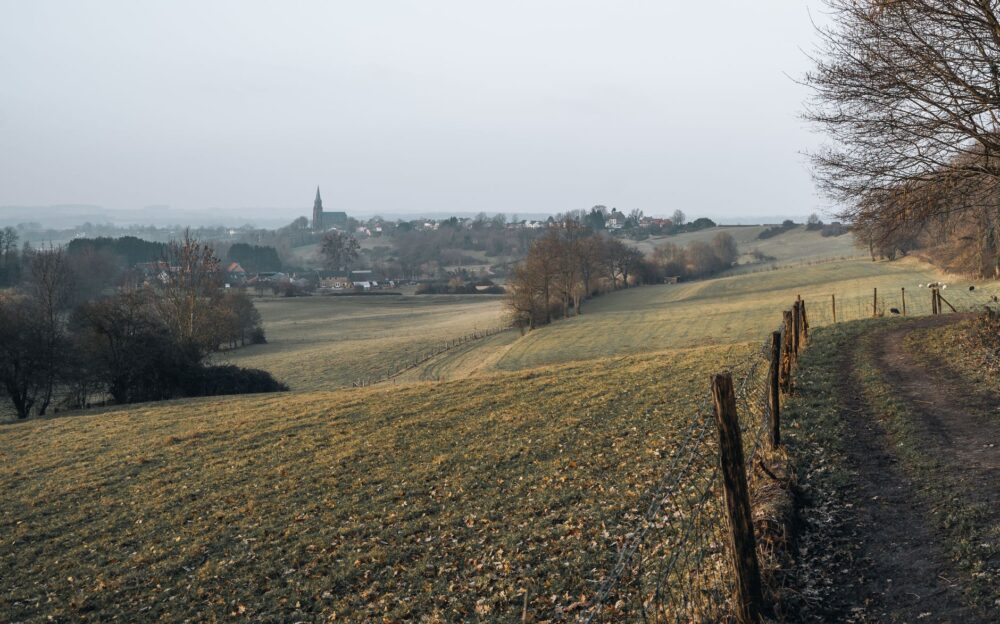
The design of the urban environment around the access routes reflects a clear intention to protect the cultural landscape. Local construction regulations have prevented the proliferation of excessive developments, ensuring that approach routes maintain unobstructed vistas toward the forests and bodies of water that characterize the island of Zealand. This visual harmony benefits both the lifelong resident and the occasional visitor, who share a public space designed to reduce visual stress and foster calm. Civil and transport architecture thus aligns with the aesthetic values of the region, demonstrating that technical efficiency need not come at the expense of scenic beauty.
The Railway Network and the Daily Pulse of Travelers
The train system connecting Hillerød with the Danish capital represents the operational core of local mobility. Every morning, the central station transforms into a dynamic stage where students, professionals, and visitors converge. The organization of passenger flows is meticulously designed to minimize waiting times and maximize comfort. Informative displays, clear signage, and universal accessibility for individuals with reduced mobility are standards that guarantee smooth transit. This constant flow of people feeds the local economy and consolidates Hillerød as a pivotal hub in northern Zealand.
Beyond population figures and demographic statistics, the true value of the transport network lies in its capacity to weave community together. Shared commutes foster a collective rhythm where respectful silence and quiet reading usually prevail among passengers. This atmosphere reflects the social values of the country, where public space is conceived as a place of peaceful coexistence. As the train winds between farmland and wooded areas before arriving at the platforms, the traveler understands that infrastructure is at the service of quality of life rather than the other way around.
Transport infrastructure in Hillerød is not limited to moving people from one point to another; it acts as the invisible pulse that synchronizes community life with respect for its historical and natural legacy.
Urban Integration and Multimodal Transport
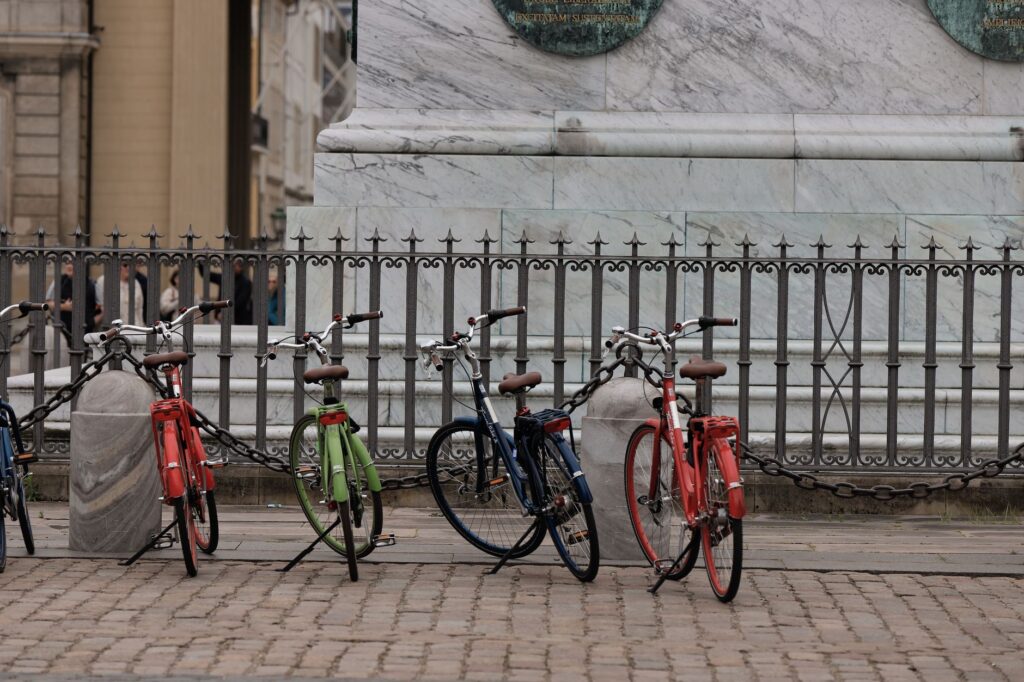
The concept of mobility in Hillerød encompasses much more than train tracks. Around the main station, a multimodal system unfolds, integrating urban buses, secure bicycle parking, and pedestrian interchange zones. This networked connectivity allows residents of peripheral housing estates to reach the town center with ease, reducing automobile dependence for short trips. Bicycle lanes, perfectly marked and separated from road traffic, form a capillary network traversing every corner of the municipality, promoting an active and healthy lifestyle among people of all ages.
The planning of bus routes responds to the changing demographic needs of the town, adapting to population growth recorded in recent years. Stops are strategically located near educational centers, hospitals, and commercial areas, ensuring that access to essential services is equitable. This commitment to universal accessibility demonstrates a vision of mobility rooted in inclusion. No sector of the town is left isolated, and continuous investment in fleet upgrades ensures that public transport remains efficient and environmentally friendly.
Local Commerce and Economic Rhythm Driven by Mobility
The ease of access to Hillerød via its transport network directly influences the vitality of local commerce. The commercial streets of the center, flanked by historic buildings and neighborhood shops, receive a daily and steady flow of visitors drawn both by the heritage and the convenience of connections. Local merchants value the proximity of the station, as it facilitates the arrival of customers from neighboring towns who choose to spend the day in the city. This commercial dynamic generates employment and strengthens the economic identity of the municipality.
Traditional markets and seasonal fairs held in public squares benefit equally from this accessibility. Fluid mobility allows regional producers to transport their goods without setbacks, supplying local stalls with fresh and artisanal products. Thus, transport becomes a facilitator of the circular economy, where local environmental resources find a direct market in the heart of the town. The relationship between efficient travel and commercial prosperity reflects how intelligent urban planning can revitalize historic centers.
Natural Landscapes and Approach Routes
The natural surroundings of Hillerød invite exploration via paths and trails that complement the conventional transport network. The royal forests surrounding the palace offer a green counterpoint to the urban architecture, becoming a favorite destination for hikers and cyclists during weekends. Pedestrian routes are designed to connect natural spaces with main transport links, allowing citizens to leave the asphalt behind and immerse themselves in nature within minutes. This proximity between urban life and green lungs is one of the region’s greatest attractions.
The preservation of these landscapes is a priority for local authorities, who regulate traffic in protected areas to prevent negative environmental impacts. Bicycle and walking trails are carefully outfitted with sustainable materials, respecting native flora and fauna. In this way, recreational mobility unfolds in absolute harmony with ecological conservation. The traveler traversing these paths discovers a different perspective of Hillerød, where the silence of the forest and the breeze of the lakes complement the technical precision of the railway experience.
Connecting stately heritage with daily movement demands an architectural sensitivity capable of preserving the horizon while modernizing communication routes.
Daily Life and the Social Fabric
Daily life in Hillerød unfolds at a balanced pace, where the efficiency of public services contrasts with the tranquility of its residential neighborhoods. Families and young people share well-maintained public spaces, modern libraries, and cultural centers that energize community life. Transport infrastructure acts as an invisible facilitator of this well-being, allowing citizens to participate in sports, educational, and leisure activities without facing the long commutes typical of large metropolises. The human scale of the town fosters a strong sense of belonging and neighborliness.
Local associations and community events play a fundamental role in social cohesion, attracting residents of all ages. The ease of getting around within the municipality ensures that no one is excluded from cultural life. Whether via a short bus ride or a bicycle trip along safe lanes, inhabitants enjoy an autonomy that enriches their daily routine. This integration between urban design, mobility, and social fabric defines Hillerød’s contemporary identity as a model of sustainable habitability.
Practical guide
How to get there: The most efficient way to reach Hillerød is via the regional S-train railway network from Copenhagen. Line A trains operate with high frequency, connecting the capital’s central station to the Hillerød terminal in approximately forty minutes.
When to travel: Any time of year is suitable for visiting the area. Spring and summer offer mild weather ideal for touring the palace gardens and forest trails, while autumn and winter provide a tranquil and less crowded atmosphere.
Internal transport: The municipality features an excellent network of urban buses and perfectly marked bicycle lanes. Private vehicle use is unnecessary for moving around the historic center or accessing main cultural points of interest.
Practical recommendations: It is recommended to purchase the Rejsekort regional transport card to use both trains and buses in an integrated and cost-effective manner. Comfortable footwear is advised if you plan to explore the extensive grounds and forests surrounding Frederiksborg Castle.