
The Underground Memory That Shapes the Landscape
At the southern tip of the province of Limburg, the Dutch municipality of Heerlen displays an urban physiognomy marked by its deep historical transformation. Far from hiding its past tied to coal mining, the town has successfully reinterpreted its industrial heritage to make it the central axis of its current community identity. The traces of those extraction sites that fueled the country’s economy for much of the twentieth century survive today integrated into the urban fabric, reminding every visitor that the sustainability of a territory lies in the ability to honor its history without renouncing social innovation.
Daily life unfolds among public squares redesigned with ecological efficiency criteria and buildings that combine postwar brutalist architecture with contemporary energy efficiency solutions. The inhabitants of Heerlen actively participate in the management of their green spaces, promoting circular economy initiatives that seek to reduce the community’s ecological footprint. This collective commitment does not respond to a superficial tourist strategy, but to a deeply rooted conviction among residents, who defend a model of coexistence where neighborhood well-being prevails over massification.
Neighborhood Pulse and the Architecture of Transition
Walking through the streets of Heerlen allows observers to see how contemporary urban planning dialogues with human scale. Former industrial infrastructures have given way to cultural centers, neighborhood workshops, and multipurpose spaces where intergenerational exchange is fostered. The local administration, in close collaboration with citizen associations, prioritizes the pedestrianization of key areas and the development of active mobility networks that connect the various neighborhoods without disrupting residential tranquility.
The preservation of heritage is not limited to aesthetic conservation, but encompasses the economic and social revitalization of public spaces. This approach ensures that the benefits of urban transformation reach all sectors of the population equitably. Decisions regarding land use and urban tree protection are made through participatory processes in which every voice counts, consolidating a cohesive and resilient social fabric against global climate challenges.
Culture as a Tool for Community Cohesion
Heerlen’s cultural fabric is nourished by an intense programming of activities involving schools, local artists, and neighborhood groups. Civic centers act as meeting points where the sustainable future of the region is debated and responsible consumption practices are promoted. Through exhibitions, open workshops, and public art displays, the city fosters critical reflection on the relationship between human beings and their natural environment.
This cultural dynamism is also reflected in local gastronomy and neighborhood markets, where products from the Limburg region are the undisputed protagonists. Consumers value the local origin and traceability of food, supporting small producers who practice agriculture respectful of water resources and soil biodiversity. In this way, eating becomes a conscious act that reinforces the collective identity and self-sufficiency of the community.
Green Spaces and Urban Biodiversity
The integration of nature into the built environment is one of the hallmarks of present-day Heerlen. Urban parks and renaturalization zones act as ecological corridors that facilitate the presence of native flora and fauna, improving air quality and mitigating the effects of urban heat islands. Residents use these spaces for daily recreation, outdoor sports, and the environmental education of new generations.
Municipal environmental protection policies prioritize the creation of permeable surfaces that favor the natural recharge of local aquifers and prevent problems derived from runoff during intense precipitation episodes. Citizens collaborate in citizen science programs to monitor the health of local ecosystems, providing valuable data that guide future ecological management decisions throughout the municipality.
Environmental Education as the Foundation of the Future
The commitment to sustainability in Heerlen has one of its most solid foundations in the educational system and community awareness initiatives. From childhood, residents participate in practical projects involving urban gardens, recycling, and energy efficiency, internalizing the importance of natural resource conservation. This continuous learning extends to adults through seminars and workshops organized by community centers and environmental associations.
Environmental education transcends the school environment to become a tool for transversal transformation that permeates the economic and social life of the town. Local businesses and neighborhood shops adopt operational practices respectful of the environment, such as reducing plastic waste and using renewable energies, demonstrating that ecological responsibility is compatible with commercial viability and sustainable growth.
Sustainable Mobility and Urban Accessibility
The mobility model in Heerlen prioritizes travel on foot, by bicycle, and via efficient public transport that connects fluidly with the rest of the province of Limburg. The cycle path network has been designed to guarantee user safety and encourage the daily use of bicycles for both commuting and leisure activities, significantly reducing greenhouse gas emissions associated with road traffic.
Investments in transport infrastructure focus on universal accessibility, ensuring that all people, regardless of mobility, can enjoy public spaces and municipal services under equal conditions. This commitment to inclusive mobility reinforces social cohesion and diminishes the architectural barriers that traditionally fragmented the urban space.
Responsible Tourism and Respect for Local Life
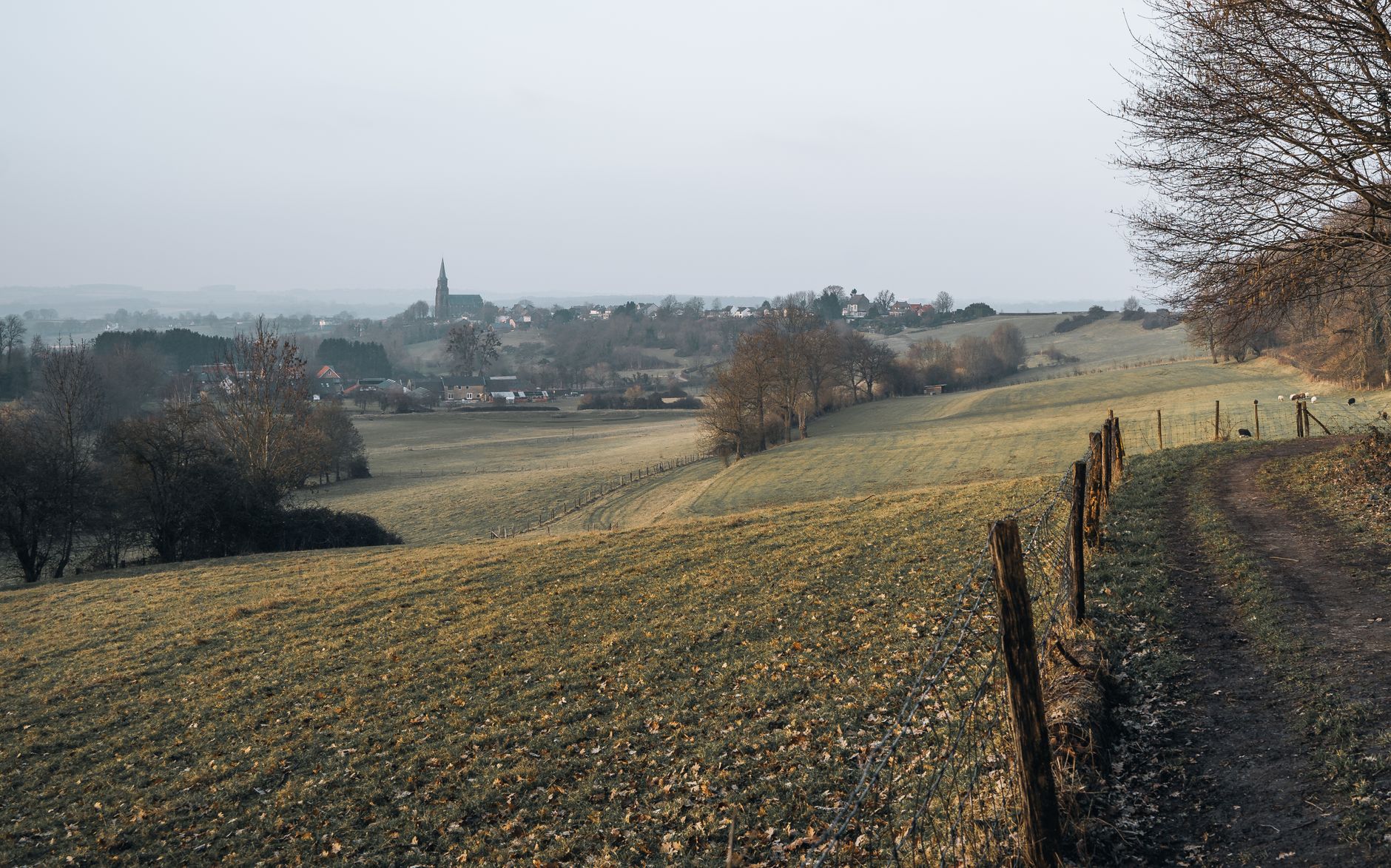
Unlike overcrowded destinations, Heerlen opts for low-intensity tourism that values authenticity and respect for the daily lives of its inhabitants. Visitors who choose this municipality find an offer based on the discovery of industrial heritage, hiking trails in the surroundings, and immersion in local cultural life. Lodging and catering establishments operate under strict sustainability criteria, minimizing their environmental impact and prioritizing the hiring of local staff.
The true value of a journey lies in the ability to understand the territory being visited without altering it, supporting its local economy and respecting the rhythms of its community.
This approach to tourism ensures that the arrival of visitors is a source of mutual enrichment and not a threat to the quality of life of residents. The available tourist information guides the traveler toward respectful practices, encouraging the use of public transport and shopping in traditional stores.
Recommended Practices for the Conscious Traveler
To enjoy a respectful stay in Heerlen, it is essential to adopt certain behavioral guidelines that minimize the ecological footprint and foster harmonious coexistence with neighbors. It is recommended to plan travel using the extensive public transport network and local cycling routes, avoiding the use of private vehicles within the town center. Likewise, it is advisable to support traditional markets and restaurants that use local products, contributing directly to the local economy.
Respect for protected natural areas and participation in cultural activities organized by the community are also key aspects for an enriching experience. Listening to the stories of residents and learning about the historical background of the town allows the traveler to connect genuinely with the spirit of this Dutch municipality.
Practical guide
How to get there: Heerlen has excellent rail connections from major cities in the Netherlands and Germany, facilitating access without the need for a private vehicle. The central station is integrated into the regional Limburg network.
When to go: Spring and summer months offer optimal weather conditions for exploring the cycling routes and enjoying urban green spaces and outdoor cultural events.
Where to stay: There are small independent hotels and family-run accommodations committed to energy efficiency and waste management practices.
Gastronomy: Local markets offer typical products of the Limburg region, ideal for experiencing traditional cuisine prepared with local ingredients.
Getting around: It is recommended to rent a bicycle or use urban and interurban public transport for all journeys within the municipality and its surroundings.
Local rules: It is important to respect the tranquility of residential areas and follow instructions in protected natural spaces to preserve local biodiversity.