
The Natural Pulse of an Ancient Metropolis
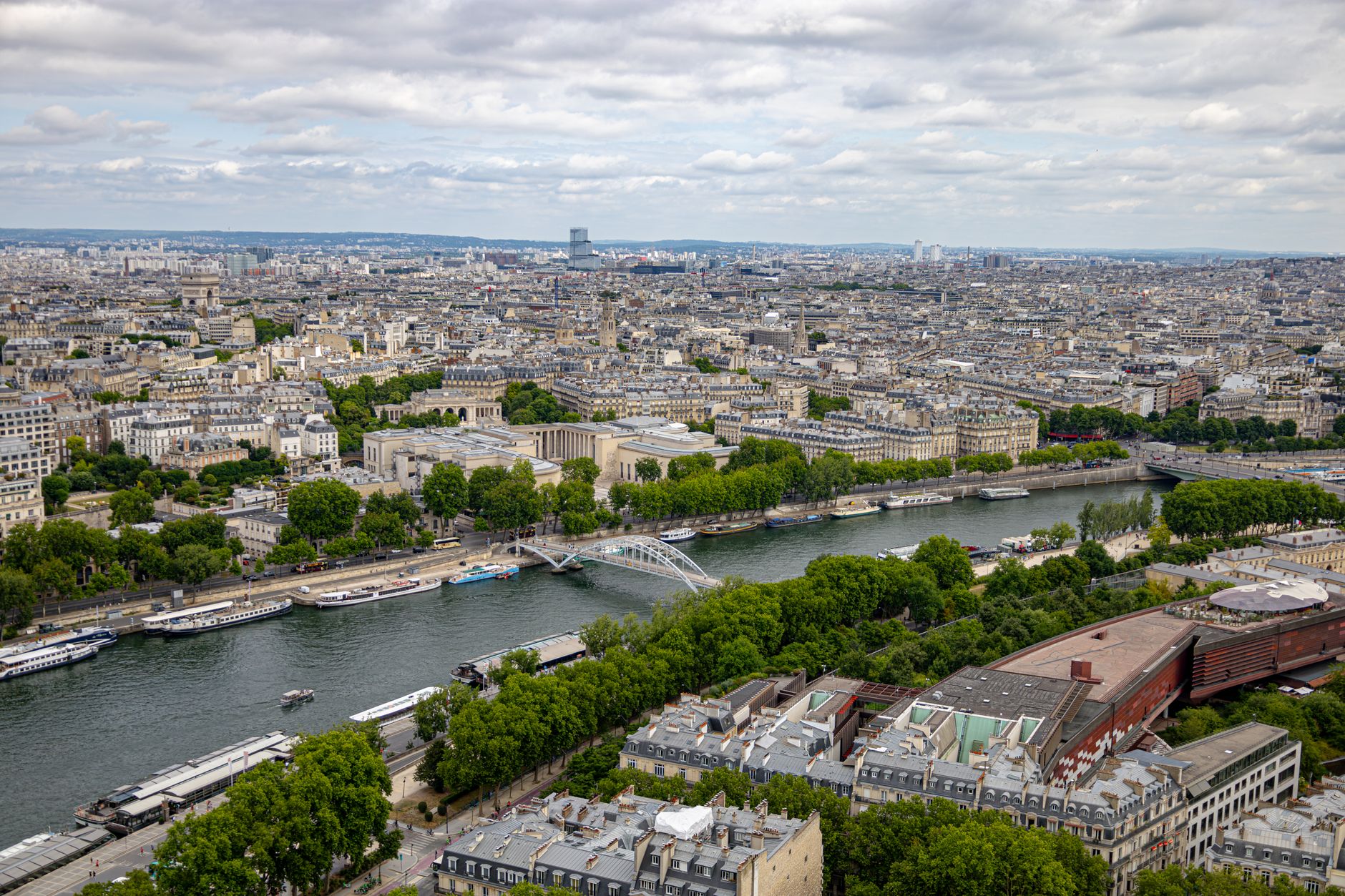
The Parisian territory, situated within the Île-de-France basin, has maintained an inseparable connection with its main watercourse since antiquity. With an average altitude of around 42 meters above sea level and a population exceeding two million inhabitants in its central core, the French capital represents not only a premier political and cultural hub, but also a vital ecological corridor for the northern part of the country. The river crossing the city acts as a backbone where urban history and natural dynamics converge, creating a unique habitat conditioned by intense human activity.
Over the centuries, anthropogenic intervention drastically altered the physiognomy of the banks. Stone dikes, paved docks, and systematic channelization transformed a dynamic and meandering watercourse into a structured navigable waterway. However, in recent decades, environmental policies have driven a radical shift in the perception of this environment. The objective is no longer solely to contain floods or facilitate commercial transport, but to renaturalize the banks and return space to native flora and fauna.
Aquatic Ecosystems and the Recovery of River Fauna
Beneath the surface of the waters washing against the French capital, a complex trophic network develops that has demonstrated remarkable resilience. Recent hydrobiological research indicates the sustained presence of numerous fish species, from the northern pike to the common barb, which use the urban stretches as transit and spawning grounds. The improvement in urban wastewater treatment, driven by stricter European and local regulations, has drastically reduced the episodes of anoxia that decimated fish populations during the twentieth century.
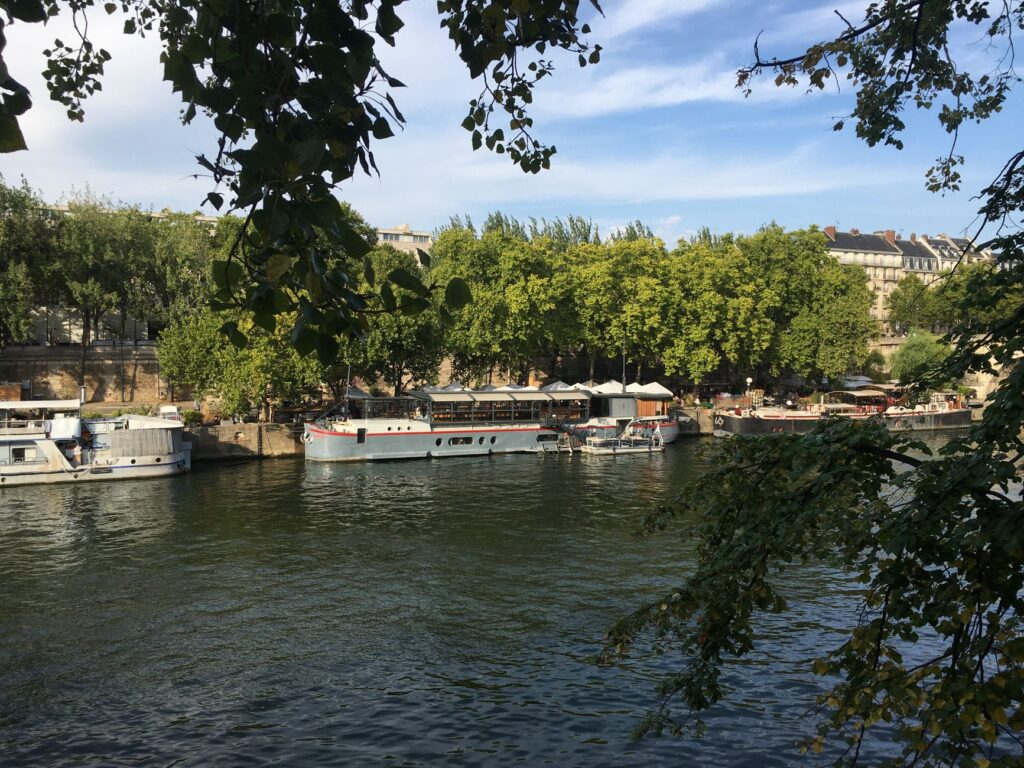
Similarly, birdlife has found an unexpected refuge in the islets and scarce remnants of riparian vegetation. Cormorants, grey herons, and various species of ducks populate bridge piers and stone walls. The ecological restoration of river margins demonstrates that coexistence between high urban density and wild biodiversity is viable if chemical pollutants are reduced and nesting habitats are protected. This fragile balance requires constant scientific monitoring to prevent tourist pressure and commercial navigation from altering the reproductive cycles of sensitive species.
The Historic Relationship with Riparian Communities
The social history of the city is largely explained through its traditional inhabitants: fishermen, freshwater sailors, and market gardeners who depended directly on the resources of the riverbed. Former commercial ports, now converted into pedestrian walkways and cultural spaces, preserve the memory of an era when economic activity revolved around the river transport of goods and the supply of drinking water. Local communities have maintained a profound identity bond with the aquatic environment, considering it an indivisible part of the scenic heritage.
Today, this social fabric is organized around environmental protection associations and citizen groups that monitor water quality and promote respectful practices. The recovery of public spaces on the riverbanks has fostered new forms of leisure prioritizing direct contact with urban nature. The integration of citizens into the management of urban natural spaces ensures greater long-term conservation effectiveness. Far from being a mere monumental backdrop, the river environment is a living space managed collaboratively.
Architecture, Engineering, and Heritage Along the Watercourse
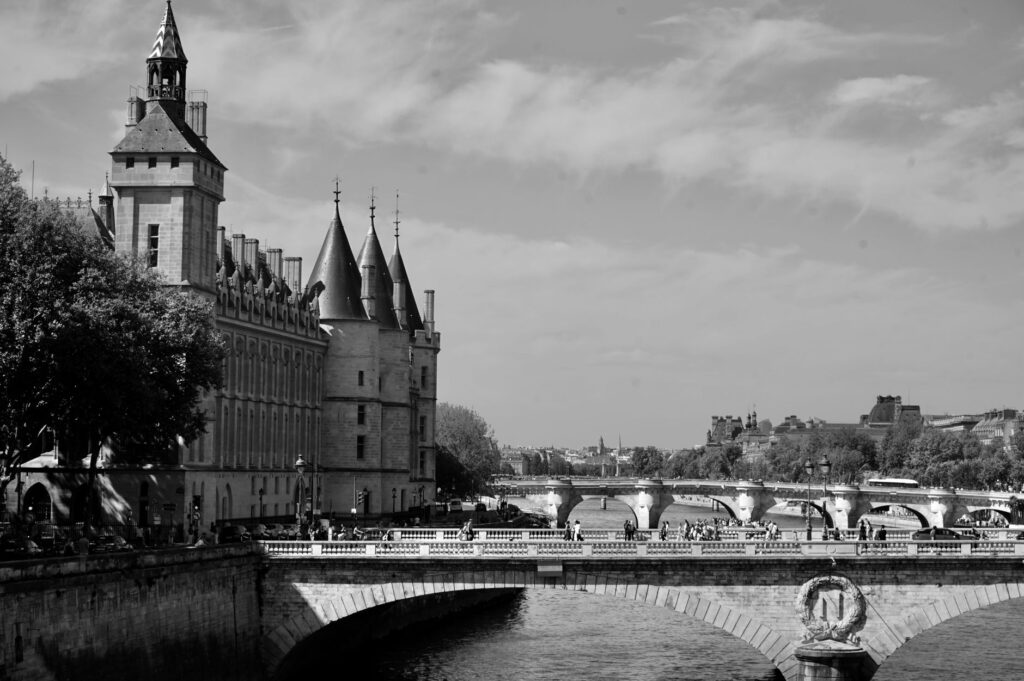
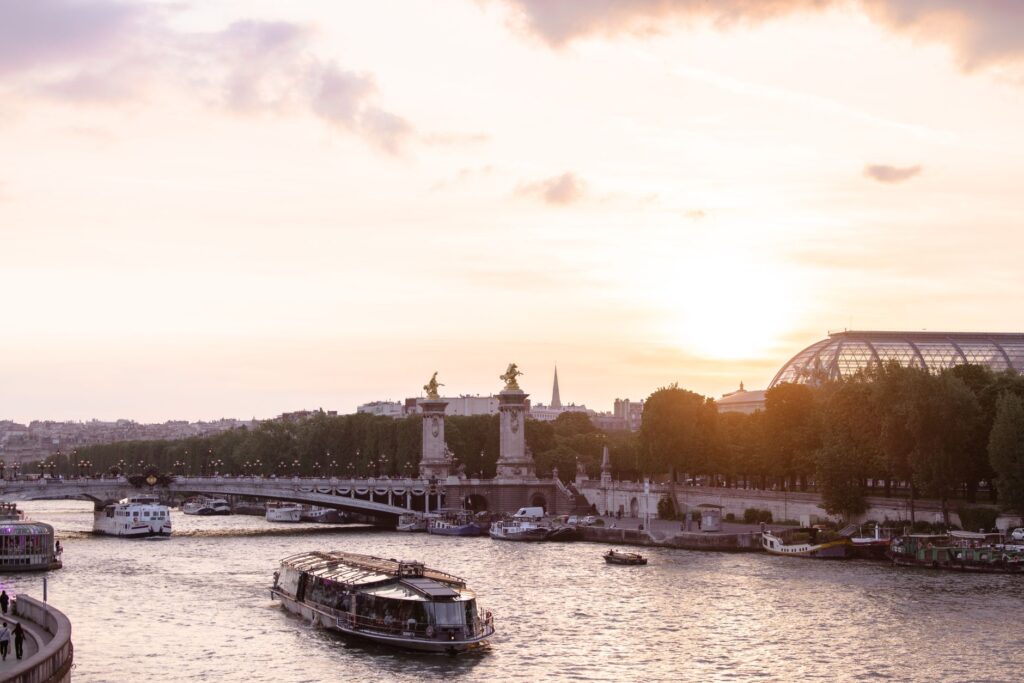
The built landscape accompanying the waters on their journey through the urban core constitutes one of the most widely recognized monumental ensembles globally. Historic bridges, erected using techniques combining ashlar masonry and nineteenth- and twentieth-century metallurgy, not only serve structural and connectivity functions but act as privileged viewpoints over the ecosystem. Each arch and pier generates microclimates and shaded zones utilized by bats and birds as daily shelter.
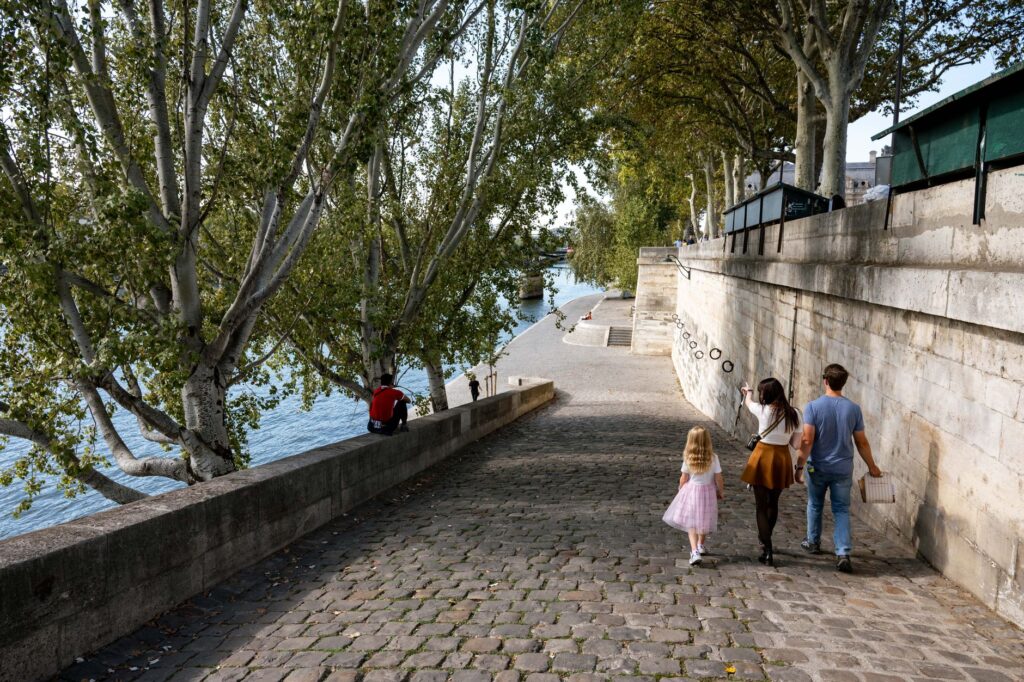
Contemporary urban planning has had to reconcile the conservation of this rich architectural heritage with the demands of the ecological transition. The creation of floating green zones and the revegetation of former industrial spaces demonstrate that human intervention can correct historical errors. Low-intensity routes allow visitors to explore this heritage without disturbing fragile slopes where riparian vegetation attempts to reconquer its original space against concrete.
Local Gastronomy and Proximity Resources
The traditional culinary culture of the Île-de-France region has historically been influenced by products obtained both from surrounding lands and markets supplied via waterways. Although commercial fishing in the urban stretch was relegated to a testimonial activity due to historical pollution and sanitary regulations, local cuisine continues to pay homage to the flavors of the river basin. Traditional markets across various districts continue to offer seasonal produce cultivated in the regional horticultural belt.
Fostering the consumption of proximity products is a fundamental strategy to reduce the ecological footprint of visitors and residents. Traditional recipes based on root vegetables, Parisian basin greens, and dairy specialties from neighboring departments form part of a gastronomic heritage promoting rural sustainability. Local restaurateurs increasingly rely on short supply chains, minimizing freight transport and supporting small producers in the surrounding territory.
Environmental Challenges and Climate Resilience
Global warming poses unprecedented challenges for the hydrological management of the French capital. Recurrent episodes of summer heatwaves and prolonged droughts alter water flow and raise water temperatures, reducing dissolved oxygen levels and threatening aquatic fauna survival. On the other hand, sudden and intense storms overload sewage systems, causing occasional discharges that temporarily compromise the bacteriological quality of the medium.
To address these threats, local administrations have launched adaptation plans based on nature-based solutions. This includes unsealing soils near the docks, creating floodable parks capable of retaining excess runoff, and planting tree species more resistant to thermal stress. The resilience of an urban ecosystem depends directly on its capacity to absorb climatic disturbances without losing its basic ecological functionality.
The conservation of natural spaces in large cities is not an aesthetic luxury, but a vital necessity to guarantee ecosystem health and the well-being of future generations.
Low-Impact Practices and Sustainable Mobility
Visiting the French capital while minimizing your ecological footprint requires adopting rigorous and conscious behavioral guidelines. The dense public transit network, including metro lines, electric buses, and trams, allows travelers to move throughout the metropolitan territory without relying on private fossil-fueled vehicles. Furthermore, the expansion of bicycle lanes facilitates cycling as an efficient and environmentally friendly mode of transport.
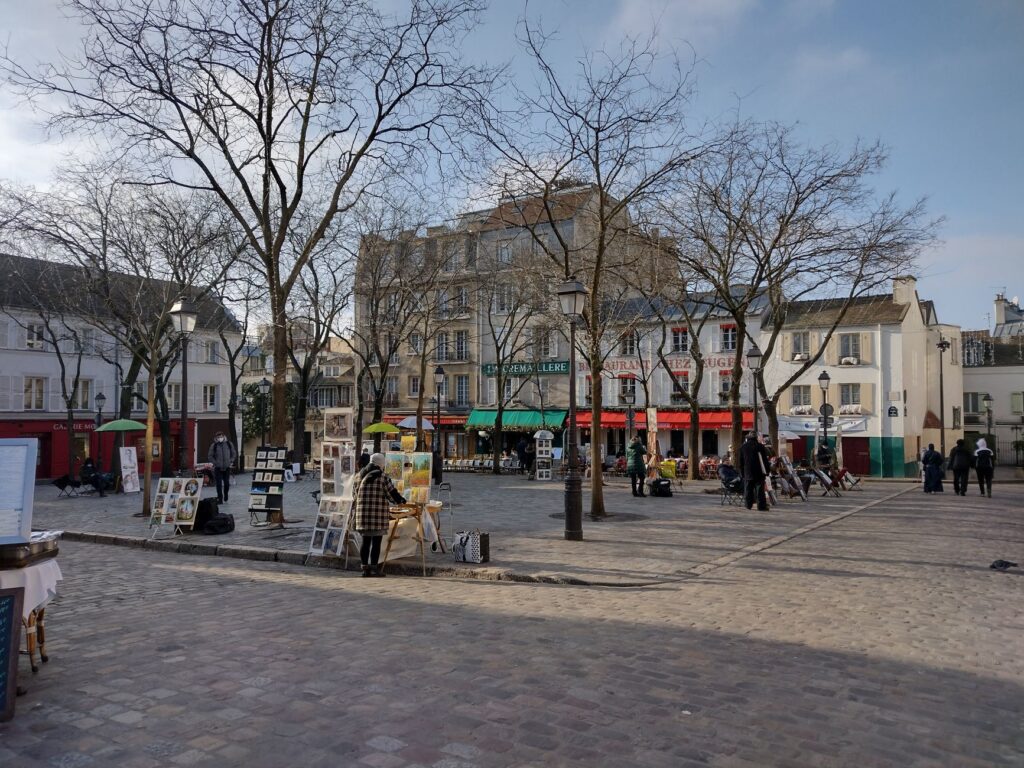
When exploring riverbanks and protected natural spaces, it is essential to strictly follow recommendations from local authorities. No waste of any kind should be thrown into the water, single-use plastics must be avoided, and respecting marked waterbird nesting zones in riparian parks is mandatory. Responsible tourism in this urban environment also involves supporting local businesses, neighborhood markets, and accommodations holding recognized environmental certifications.
Practical guide
How to get there: The city is served by major international airports such as Charles de Gaulle and Orly, as well as an extensive high-speed rail network connecting major European capitals directly to Gare du Nord, Gare de Lyon, and other central stations.
Getting around: The most sustainable and efficient way to explore the urban area is via the public transit network (RATP), which includes the metro, RER commuter trains, electric buses, and an extensive system of bicycle lanes (Vélobus and Velib’). Walking along the riverbanks is the best method to observe the local ecosystem.
Best time to visit: Spring (from April to June) and autumn (from September to November) offer mild temperatures, optimal conditions for outdoor walks, and lower tourist congestion compared to the peak summer months.
Responsible travel tips: Always use designated paths along the river to protect riparian vegetation, avoid disturbing nesting waterbirds, carry a reusable water bottle to reduce single-use plastics, and support local markets and zero-waste establishments.
Outlook on the Future of the Urban Watercourse
The future of the Parisian natural environment depends on the consistency of protection policies and civic awareness. Initiatives to improve water quality and restore biodiversity demonstrate that it is possible to radically transform a space degraded by industrialization. Each individual action, from choosing sustainable transport to scrupulously respecting regulations in natural spaces, contributes to consolidating a model of tourism and urban coexistence that is truly balanced and environmentally friendly.