
Navigating the Plain: Locks, Dikes, and River Memory in Ferrara
The city of Ferrara, located in the Emilia-Romagna region of northern Italy, rests upon a flat expanse where water has dictated the rhythm of human existence for centuries. With an average elevation of nine metres above sea level and a population exceeding 130,000 residents, this urban and rural enclave is deeply intertwined with the Po River system and an intricate historic network of canals. Nautical adventure and aquatic exploration in this territory are not about defying open oceans, but rather about understanding a regulated environment of controlled flows, seasonal currents, and a rich heritage of hydraulic engineering that shaped the Po Valley landscape in Italy.
For any traveler interested in exploring the waterways of Ferrara, the first indispensable step is to abandon any preconceived notions about fast or impulsive navigation. Water here flows at its own measured cadence, frequently managed by gates and lock systems designed to protect agricultural fields and urban settlements from sudden floods. Reading the Po River and its tributaries requires constant attention to local weather bulletins, basin authority warnings, and wind behavior, which can stir up unexpected chop on the wider stretches of the main canals.
The Pulse of Padan Weather and Meteorology
Ferrara’s climate is characterized by cold, humid winters often wrapped in the distinct fog rolling down from the Alps and the Apennines, alongside hot, sultry summers where afternoon thunderstorms can alter surface water conditions within minutes. This climatic duality demands rigorous equipment selection for anyone planning a trip on a light watercraft, kayak, or riverside bicycle. Breathable technical clothing, waterproof windbreakers, and knowledge of safe shelters along the banks are mandatory elements to prevent setbacks.
During spring and autumn, water levels experience notable fluctuations driven by Alpine snowmelt and accumulated precipitation in the upper basin. These variations alter current speeds and the visibility of shifting sandbars or submerged structural remains. Experienced navigators know that a peaceful river route on a sunny morning can shift rapidly if a cold front descends from the north, accelerating the flow and complicating the return to authorized moorings.
Water Safety and Protocols on Navigable Channels
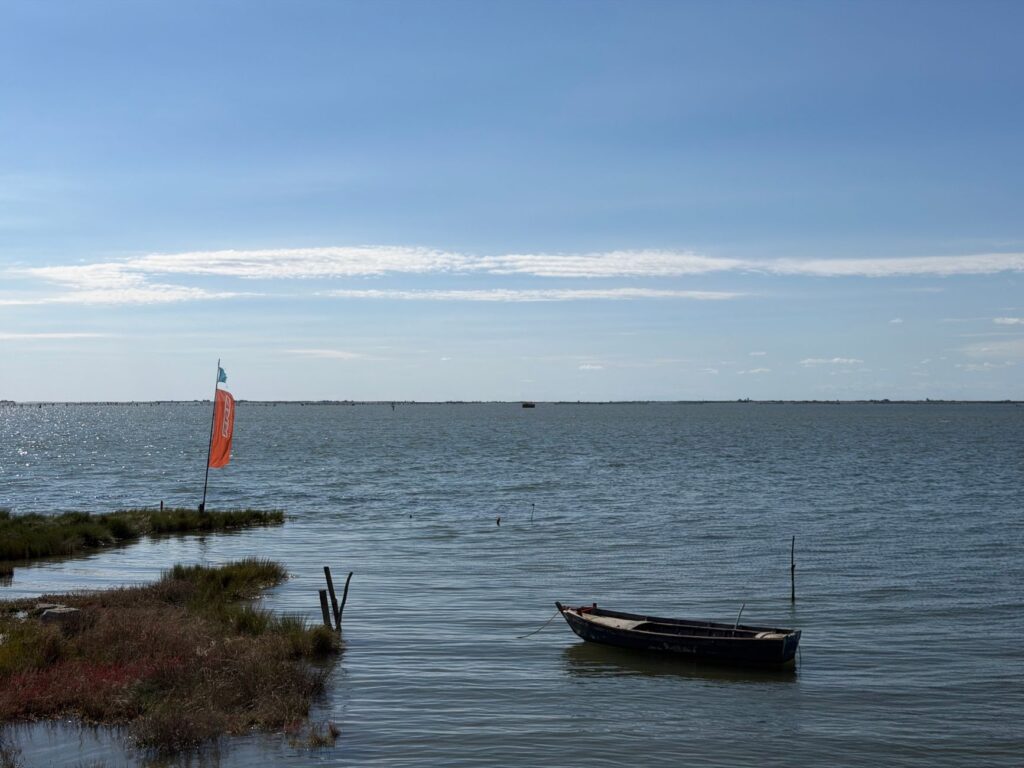
Safety on Ferrara’s waters rests upon strict adherence to inland navigation rules and the marker buoys that delineate exclusion zones, commercial channels, and environmental protection areas. Unlike coastal marine environments, lateral currents caused by opening lock gates or the passage of larger commercial vessels can easily destabilize a canoe or paddleboard. Wearing an approved personal flotation device is not merely an administrative suggestion, but an essential safeguard against water turbidity and submerged obstacles.
Furthermore, knowing authorized access and exit points is fundamental. Canal banks are typically protected by compacted earth slopes and riparian vegetation whose roots can complicate disembarkation during an emergency. Planning the route in advance by identifying river marinas, local boating clubs, and communication channels ensures that minor incidents are resolved swiftly without compromising the expedition’s integrity.
Protecting the River Ecosystem and Riparian Biodiversity
Ferrara’s aquatic environment is not merely a venue for sports or active tourism, but a vital ecological corridor supporting the flora and fauna of northern Italy. The banks of the Po and surrounding canals shelter numerous species of waterfowl, amphibians, and native fish that depend on water quality and the tranquility of transitional habitats. Human presence, however well-intentioned, exerts constant pressure on these fragile balances.
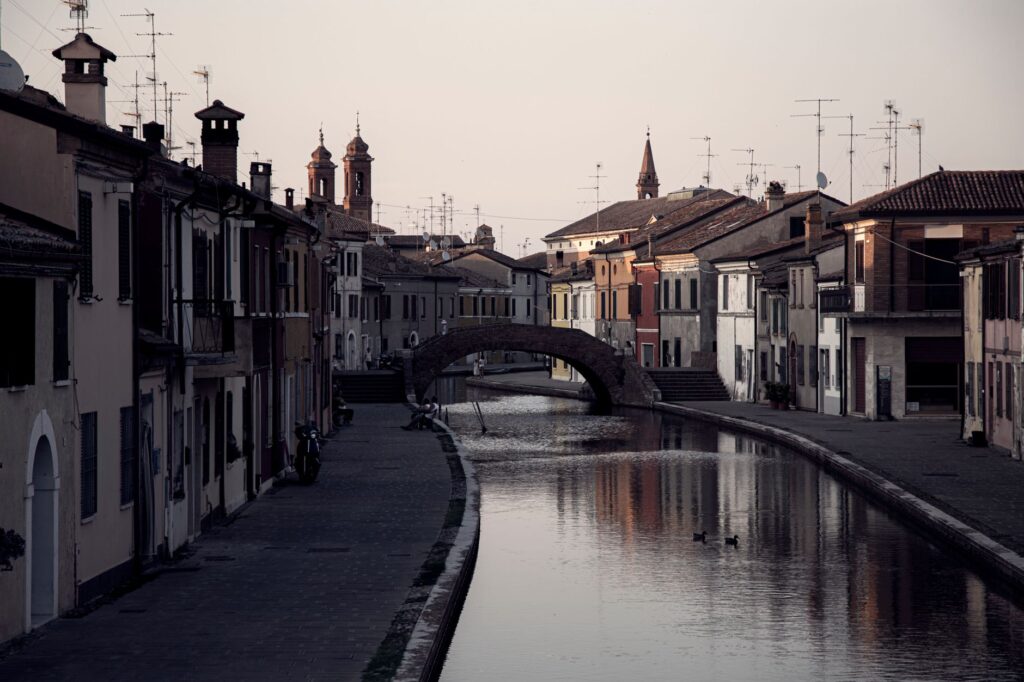
Explorers and watersports enthusiasts must adopt low-impact environmental practices. This includes avoiding any waste disposal into the channel, respecting nesting zones during the spring season, and refraining from operating combustion engines in restricted areas where wakes might erode banks or disturb aquatic vegetation. The preservation of this landscape relies directly on the collective awareness of those who travel through it, understanding that enjoying the water carries a direct responsibility toward its protection.
Architectural Heritage and Inland Maritime Culture
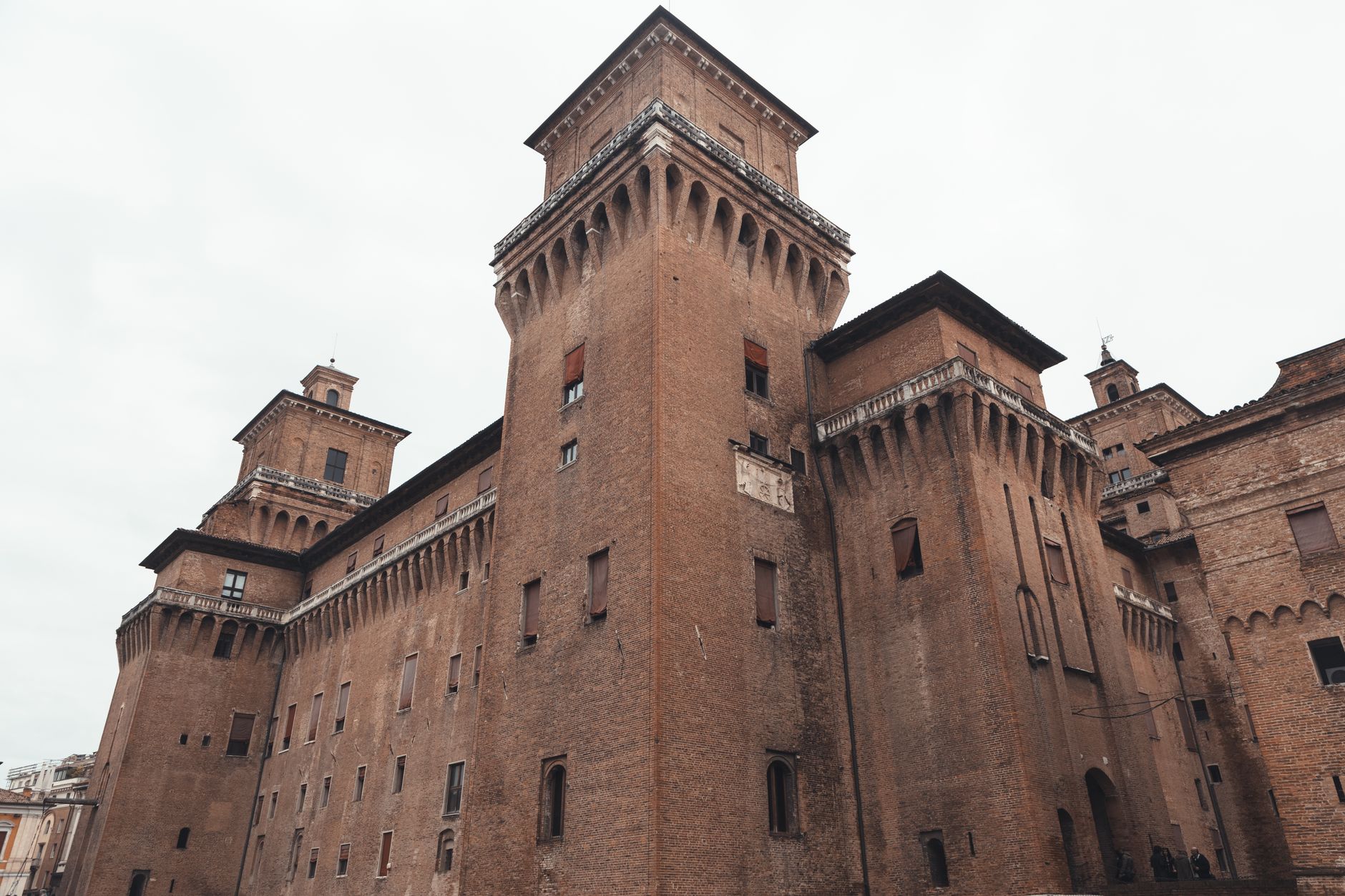
Ferrara’s relationship with water is eloquently reflected in its Renaissance architecture and urban layout. The famous Castello Estense, surrounded by a moat once fed by river waters, stands as the most visible testimony to a defensive and ornamental strategy that integrated water resources into the daily life of the Este court. Walking along the Renaissance walls offers a tangible understanding of how the city protected and nourished itself from the riverine environment across the centuries.
Beyond monumental heritage, Ferrara’s material culture maintains a close connection to traditional river professions: fishermen, ferrymen, and dike builders whose memory survives in local museums and the region’s culinary traditions. Dishes featuring freshwater fish, such as eel from the nearby Valli di Comacchio or traditional delta flavors, recount a gastronomic history deeply anchored in the surrounding waters.
Logistics, Access, and Route Planning
Organizing an expedition or a day of navigation in Ferrara requires meticulous logistics, ranging from securing necessary permits for specific canals to verifying lock operating schedules. The city’s railway station offers excellent connections to Bologna and Venice, facilitating arrival without private vehicles and thereby reducing environmental impact in riparian access zones.
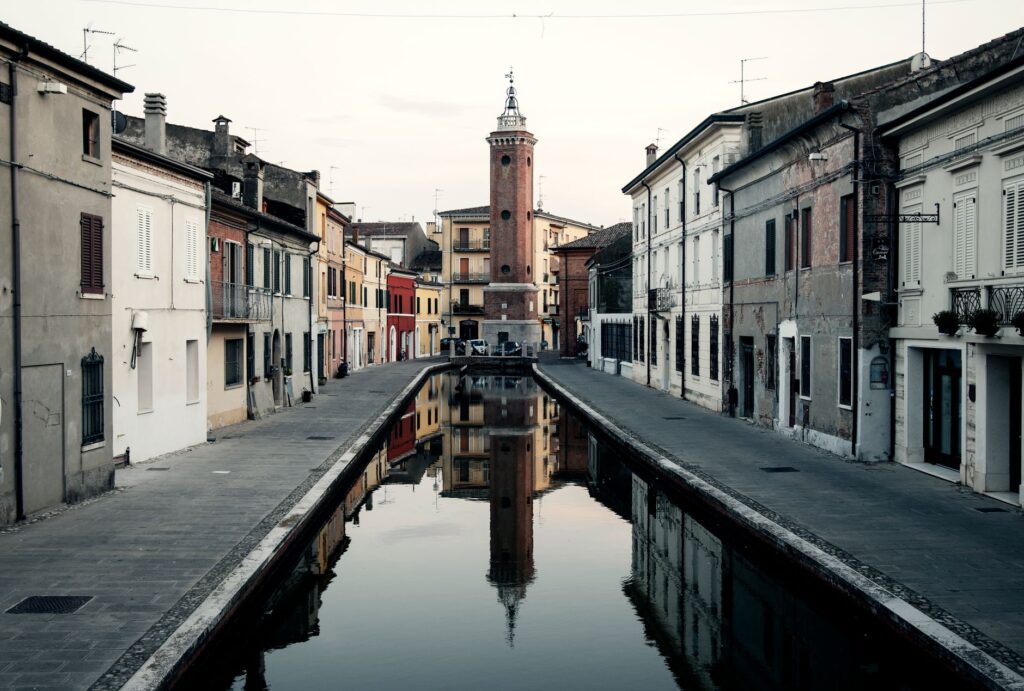
It is advisable to contact local nautical clubs before starting any journey to verify current route conditions, temporary maintenance restrictions across the canal network, or specific weather warnings. Methodical preparation and respect for local regulations ensure that the Po Valley experience proceeds with complete safety and a profound appreciation of the territory.
Understanding the Historical Hydrology of the Region
The management of water resources in Ferrara has deep historical roots that go far beyond modern recreational activities. For generations, local communities have had to adapt to the shifting courses of rivers and the constant threat of flooding. This continuous adaptation led to the creation of advanced drainage systems and sophisticated water management techniques that have preserved the integrity of the settlements. Visitors who take the time to study these historical infrastructures gain a much deeper appreciation for the resilience of the local population and the delicate balance required to maintain a thriving ecosystem in a low-lying geography.
Educational centers and local archives in Ferrara offer extensive documentation regarding the evolution of the local hydrography. Understanding how past engineers redirected rivers and reinforced banks provides valuable context for modern environmental challenges, including climate change and seasonal water scarcity. This historical awareness transforms a simple recreational trip into an enlightening journey through centuries of human ingenuity and environmental stewardship.
Immersive Exploration Beyond the Main Channels
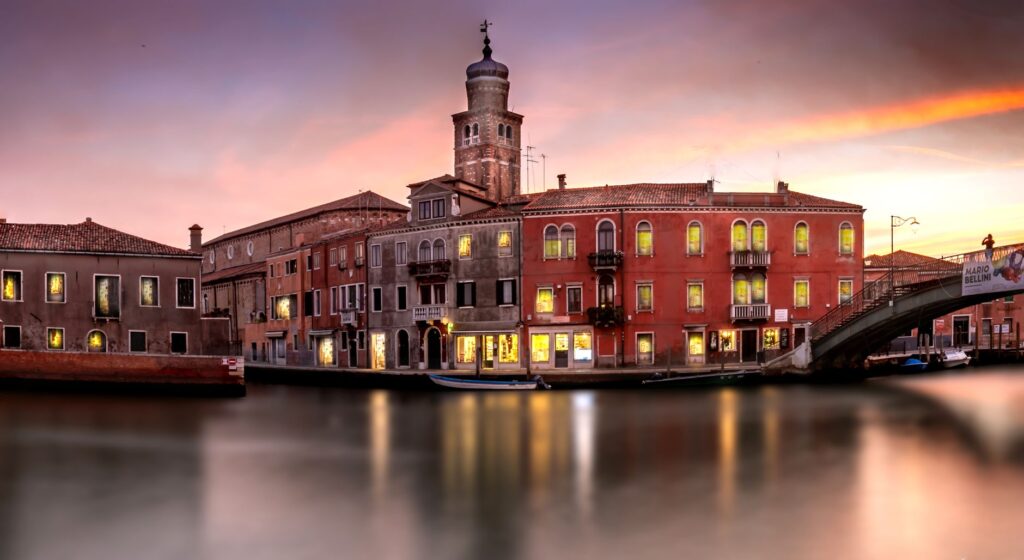
While the primary canals and the Po River attract the majority of visitors, the secondary waterways surrounding Ferrara hold unique charm for those seeking tranquility and a closer encounter with nature. These smaller channels often meander through quiet agricultural landscapes and protected natural reserves, offering ideal conditions for quiet observation of local wildlife. Kayakers and small boat enthusiasts find these secondary routes particularly rewarding, as they provide a sheltered environment away from commercial traffic and larger watercraft.
Navigating these secluded waters requires careful attention to seasonal vegetation growth and shallow depths, which can change dynamically throughout the year. Local guides and detailed regional maps help ensure that explorers can safely navigate these lesser-known paths while respecting the strict conservation rules established to protect sensitive habitats and breeding grounds for migratory birds.
The plain is not an empty space to be crossed in haste, but a liquid archive where every lock, every dike, and every river bend preserves the memory of human effort to inhabit the water.
Ultimately, exploring Ferrara’s water routes invites travelers to slow their pace and attune their senses to a landscape where history and nature converge harmoniously. Far from mass tourism, this riverine destination offers an unvarnished perspective of northern Italy, where true adventure lies in learning to read the currents and respecting the fragile limits of an ancient ecosystem.
Practical guide
- Getting There: Ferrara features a railway station exceptionally well-connected to the national network, allowing direct access from Bologna, Florence, and Venice without requiring a car.
- Best Time to Visit: Late spring and early autumn offer moderate temperatures and stable water levels, avoiding extreme summer heat and dense winter fogs.
- Recommended Equipment: Waterproof and breathable technical clothing, an approved personal flotation device for inland waters, and communication devices with spare batteries.
- Safety and Regulations: It is mandatory to consult Po basin authority warnings, respect lock signage, and avoid navigating during low-visibility conditions.
- Environmental Respect: Disposing of waste in the water is strictly prohibited, and a safe distance must be maintained from riparian bird nesting sites.