
The Gateway to the Lakeland Region
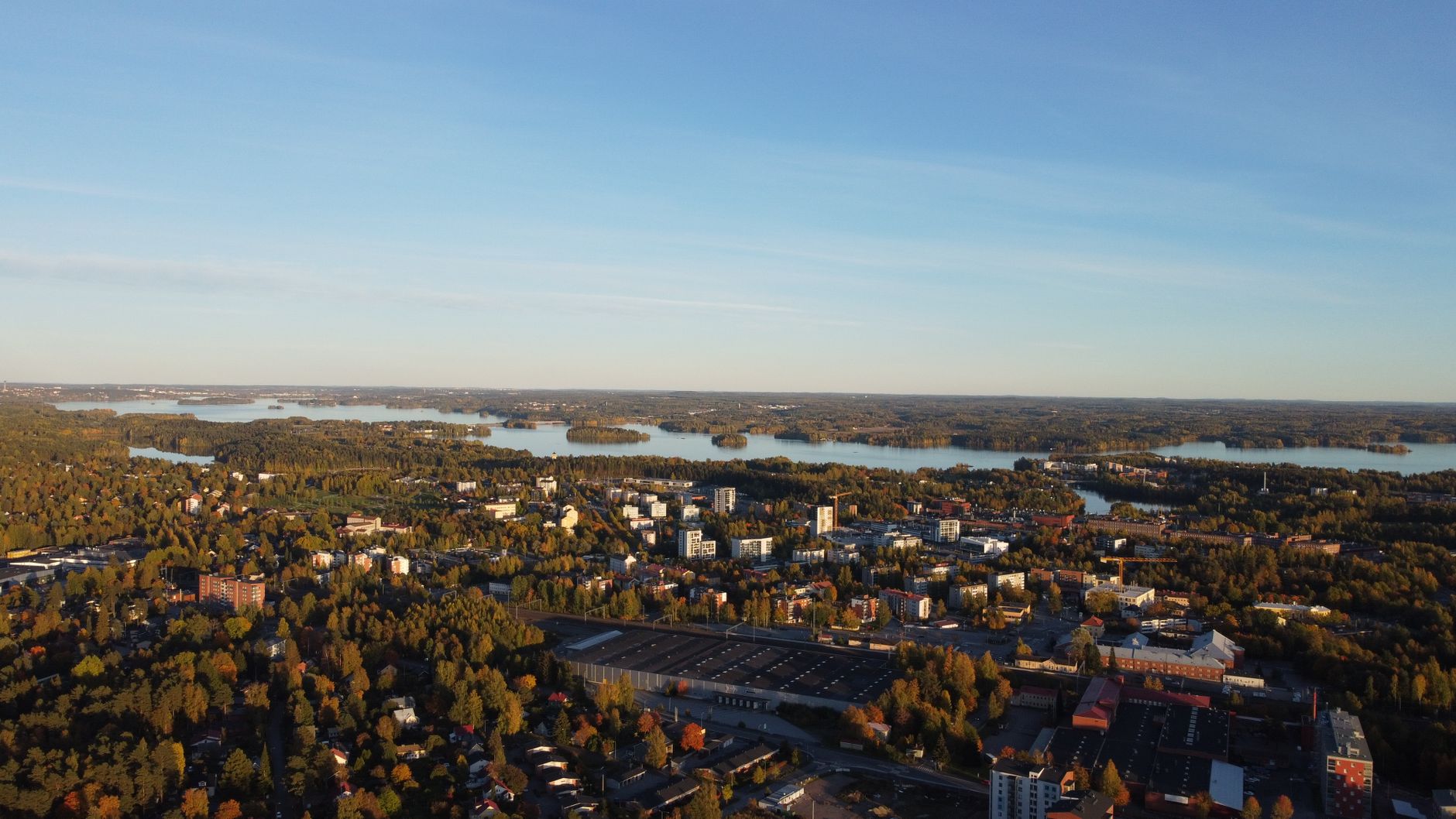
In the heart of Central Finland, the city of Jyväskylä unfolds as an enclave where nature and urban planning engage in a constant dialogue. With a population exceeding 148,000 residents, this municipality serves as the administrative and cultural hub of its surrounding area, attracting students, professionals and travellers seeking to understand the rhythm of a mid-sized Nordic city in Finland. Far from the hustle and bustle of major European metropolises, urban mobility and daily commuting here rely on planning that prioritises efficiency, sustainability and integration with the surrounding landscape.
The local geography directly conditions how residents move around. Lakes such as Jyväsjärvi and the vast Päijänne act as both natural barriers and visual axes, requiring the design of routes that skirt shores, cross bridges and connect residential neighborhoods with commercial and academic activity centers. In this context, transport is not merely a utilitarian mechanism to get from one point to another, but a fundamental part of local identity, where respect for the natural environment defines citizens’ daily decisions in Finland.
The Local Bus Network and Regional Connectivity
The public transport system in Jyväskylä is structured primarily around an urban bus network operating under the Linkki brand. These vehicles connect the city’s various districts with the central bus station, a focal point located next to the urban core that facilitates transfers to other localities in Finland and to the national railway network. Service frequencies adapt to seasonal needs, being reinforced during the academic months due to the strong presence of the university community, which brings dynamism and youth to the streets.
For residents and visitors, the use of these services is optimized through digital applications that allow real-time schedule checks and multimodal route planning. This technological integration reduces dependence on private vehicles, a key objective in municipal mobility policies. The commitment to efficient public transport demonstrates that even intermediate-scale cities in Finland can offer competitive alternatives to mass car use, maintaining low emissions and reducing congestion on main thoroughfares.
Cycling and Pedestrian Paths in the Finnish Environment
During the months when weather conditions permit, the bicycle becomes one of the preferred modes of transport for Jyväskylä’s inhabitants. The city features an extensive network of bicycle lanes extending along parks, residential areas and connections to university campuses. These layouts are designed to separate cyclist traffic from pedestrian and vehicular traffic, ensuring user safety and promoting an active lifestyle among the population.
In winter, despite low temperatures and snow accumulation, the maintenance of these routes does not stop. Local authorities deploy cleaning and snow-removal operations as a priority on main pedestrian and cyclist axes, allowing active mobility to continue year-round. This logistical effort reflects a culture where climate is not an impediment to outdoor life, but a circumstance requiring adaptation and specific resources from municipal services in Finland.
Alvar Aalto’s Architectural Legacy and Urban Influence
Jyväskylä’s urban physiognomy is deeply shaped by the imprint of traditional and modern architecture, reflecting currents that have defined the landscape of Finland. Exploring the city involves encountering institutional buildings, museums and residential complexes where natural light, local materials and integration with the forest and lake landscape take centre stage. This architectural heritage influences how public space is perceived and the scale of walking journeys.
Cultural itineraries connecting buildings designed by local and national visionaries invite visitors to discover the city at a leisurely pace. Distances are manageable, favouring pedestrian journeys and allowing travellers to appreciate the details of modern Finnish urbanism. Urban design in the service of people is manifested in the creation of squares, parks and promenades connecting the historic fabric with more recent expansion areas, offering a coherent and enriching travel experience in Finland.
Mobility in Harmony with Seasonal Changes
Living and travelling in Jyväskylä requires understanding the transition between seasons, which radically transform the landscape and transport routines within this territory of Finland. While summer invites lakeside walks and intensive bicycle use, winter brings snowy landscapes, frozen lakes and reduced daylight hours that modify the schedules and general atmosphere of the locality. Public transport options adjust to these variations to ensure connectivity remains intact under any weather circumstance.
For the responsible visitor, this means adopting local customs: wearing appropriate footwear for icy surfaces, respecting public service timetables and valuing the silence and tranquillity characteristic of daily life in Finland. The interaction between citizens and their environment is based on cooperation and mutual respect, values extending to the shared use of circulation spaces, whether sidewalks, bike lanes or transport platforms.
Daily Practices and Respect for the Environment
The commitment to sustainability in Jyväskylä transcends mere fleet management and delves into the daily habits of those who live in and visit the area. Waste separation, energy saving in public spaces and the consumption of local products in urban markets form part of a citizen routine that values the preservation of the natural environment. For the conscious traveller, joining these daily dynamics represents a way of integrating respectfully into the community without altering the pre-existing ecological balance in Finland.
Likewise, the moderate use of water, the care of urban green areas and attention to local regulations regarding the respect of surrounding fauna and flora are inescapable aspects. In Finland, the relationship with nature is one of deep interdependence, so every individual action counts to maintain the cleanliness and harmony of the landscapes that define Jyväskylä’s identity.
Cultural and Social Integration of the Community
Community life in Jyväskylä is characterized by a solid network of civic centers, libraries and cultural spaces open to the participation of citizens and visitors. These facilities encourage the exchange of knowledge, reading and artistic appreciation, serving as intergenerational meeting points. The atmosphere of tranquillity breathed in these enclosures reflects the value that society in Finland places on continuous learning and mental well-being.
Participating in local activities or simply sharing a reading space in a municipal library allows the traveller to better understand the social fabric of this region. Far from large tourist crowds, the pace of life in Jyväskylä invites pause and contemplation, allowing the visitor to assimilate local customs from a respectful, leisurely and enriching perspective for personal growth.
Practical guide
Getting there: Jyväskylä has regular rail connections from Helsinki and other major Finnish cities, operated by VR. The central station is located within walking distance of the urban centre.
Urban transport: The Linkki bus network covers the entire municipality and neighbouring towns. Single tickets or temporary passes can be purchased via mobile applications or authorised sales points in Finland.
Active mobility: Bicycle rentals are available during the warmer months, and the city provides numerous secure bike parking facilities at strategic points.
Planning: It is advisable to consult official transport applications to verify updated schedules, especially during weekends, holidays or winter periods in Finland.
The Reflection of the Landscape on the Traveller’s Experience
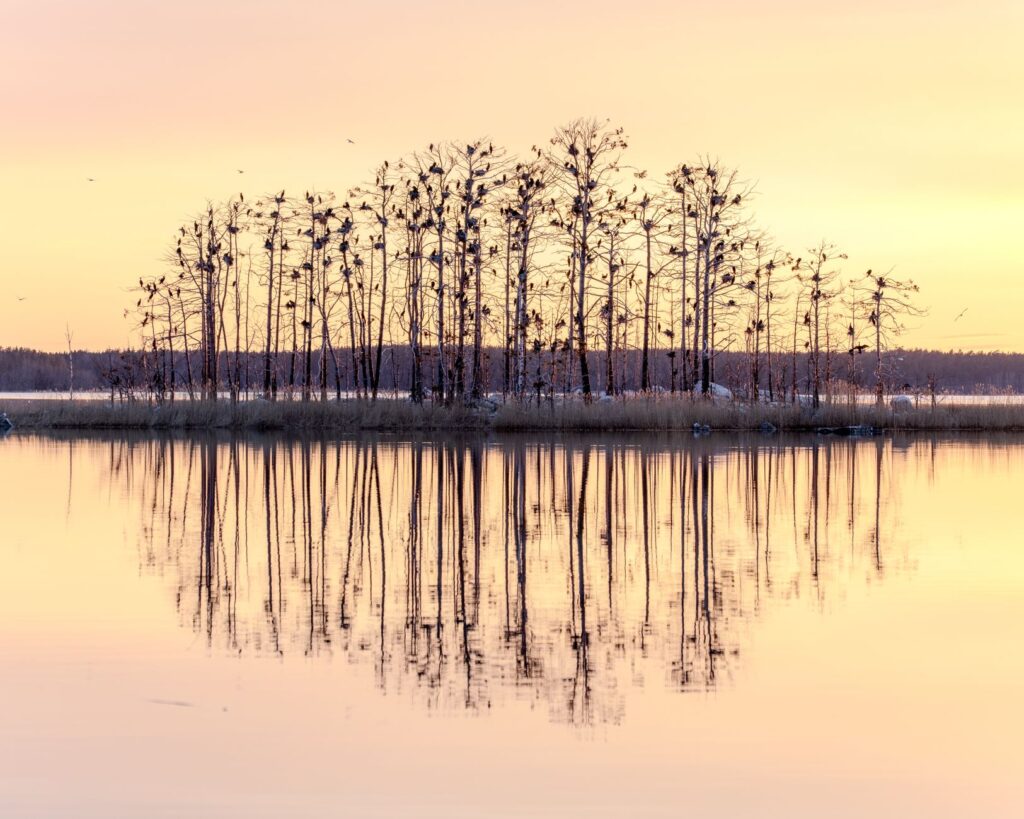
The journey to Jyväskylä concludes with the sensation of having travelled through a space where time flows differently. The combination of functional infrastructure, respect for the natural environment and urban design conceived for human well-being leaves a lasting impression on anyone walking its streets in Finland. Observing the sunset reflected over the calm waters of Lake Jyväsjärvi, the visitor understands that the true essence of this place lies in the daily balance between movement and stillness, a model of coexistence inviting reflection on how we inhabit and move through the world.