
Sisak, Croacia: la identidad fluvial que se esculpe entre ladrillos y el río Kupa
Among Ancient Waters and a Memory of Clay
A short distance from the confluence of the Sava and Kupa rivers, the Croatian city of Sisak stands as a territory where history is not merely observed in textbooks, but felt with every step. With a population of around twenty-seven thousand residents, this enclave in the Sisak-Moslavina region has learned to reinvent itself without renouncing the traces left by its Roman past as Siscia and its Illyrian heritage as Segesta. The streets of the old town retain a modest human scale that invites leisurely strolls, observing how exposed-brick facades and gabled roofs converse with the steady current of the water.
Daily life here unfolds at the unhurried pace of a province that values closeness. Morning local markets display seasonal produce harvested in the surrounding fertile plains, while neighbors greet each other by name on cobbled street corners. This continuity in everyday gestures constitutes the true cultural fabric of the locality, a living reminder that the most valuable heritage is not always displayed behind glass cases, but rather in the way a community inhabits its space and nurtures its traditions.
Understanding this urban ecosystem requires looking closely at how public architecture interacts with the natural environment. The Pannonian plain shapes not only the horizon but also the architectural choices of past generations, who used local clay and timber to build sturdy shelters against seasonal floods. Visitors strolling through the historic quarters will notice subtle decorative motifs on lintels and doorways, markers of an artisanal tradition that endured through successive administrative shifts and political reorganizations in this part of Croatia.
Industrial Pulse Converted into Living Heritage
For decades, the development of Sisak was deeply tied to metallurgical activity and river transport. Former industrial facilities, now silent witnesses to another era, shape the urban skyline with a factory aesthetic that a new generation of creators and restorers seeks to integrate into the contemporary landscape. This conversion process does not erase the past; instead, it resignifies it, allowing former workspaces to serve as meeting points for cultural initiatives and temporary exhibitions.
The craft workshops that survive in the adjacent alleyways represent another pillar of this constantly evolving identity. Local carpenters, ceramists, and restorers pass down inherited skills that require patience and manual dexterity. In these workshops, one can appreciate how deliberate labor remains a form of resistance against global uniformity, offering visitors a genuine perspective on the resilience of a river city.
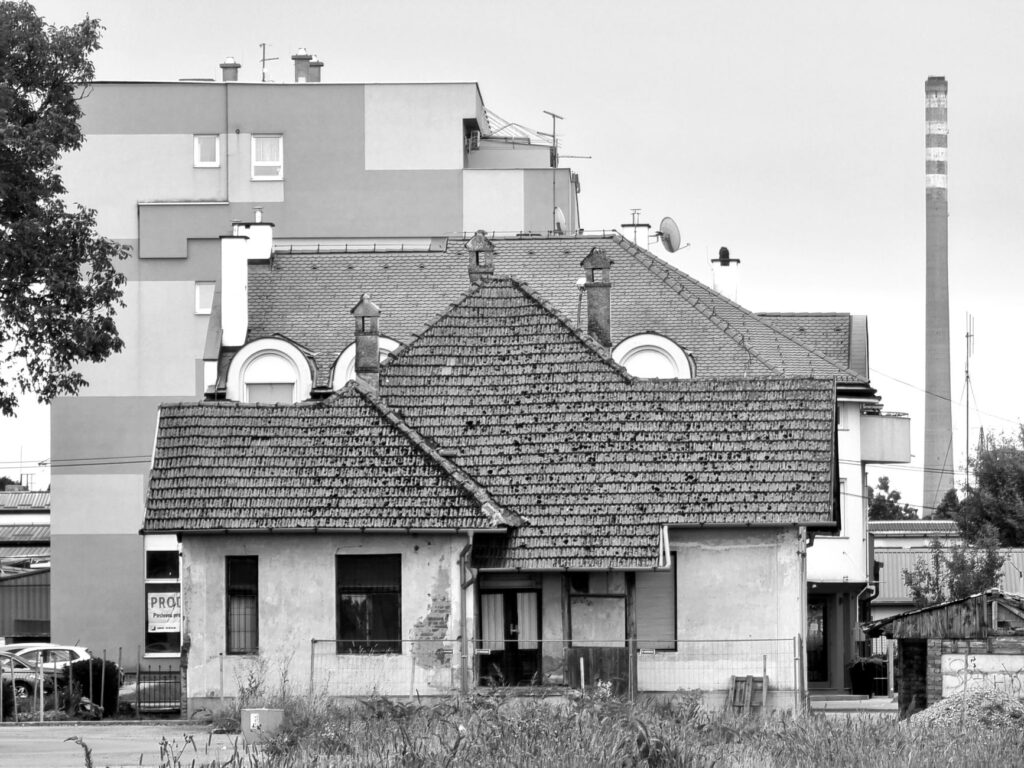
Preserving these manufacturing roots without falling into nostalgia demands careful municipal planning and community engagement. Exhibitions hosted in converted industrial structures offer educational programs about the labor history of central Croatia, helping younger generations appreciate the socio-economic foundations of their hometown. Travelers interested in authentic cultural exchange often find these venues far more enlightening than standard museums, as they present a raw, unvarnished look at local evolution.
Defensive Architecture and Stone Testimonies
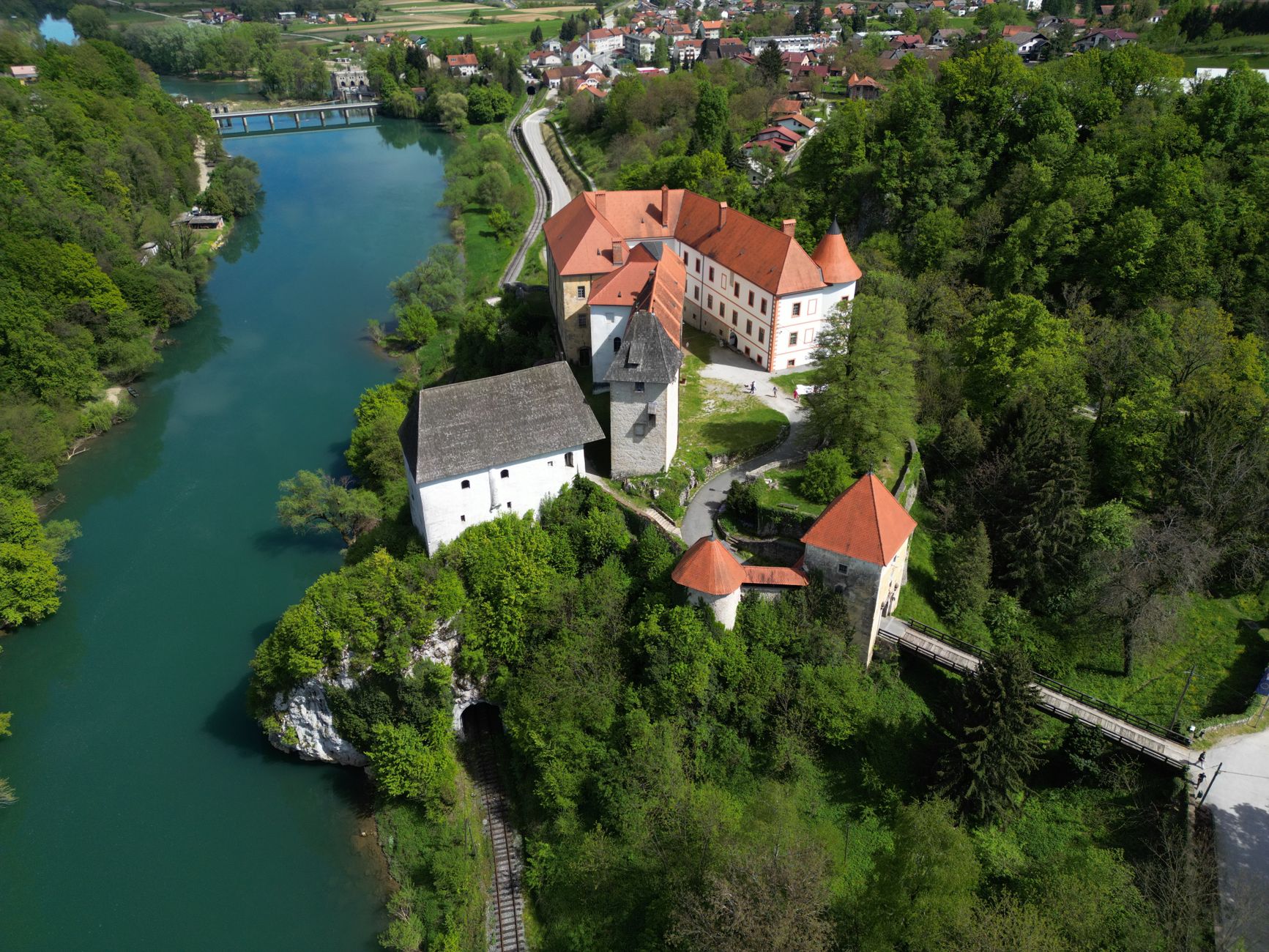
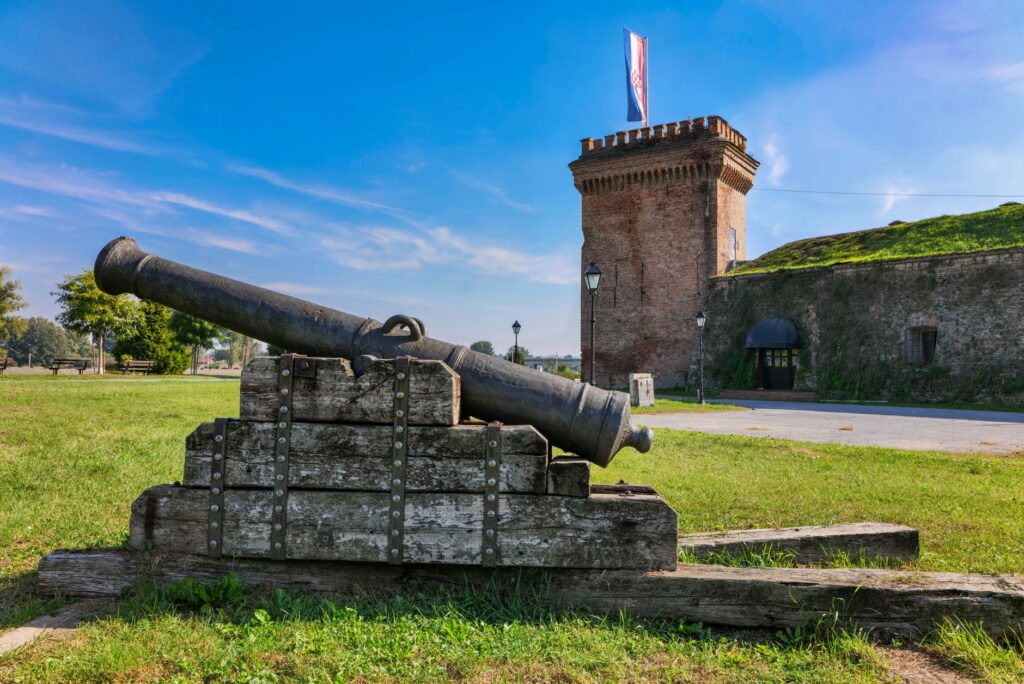
Sisak’s architectural heritage finds its greatest exponent in its renowned Renaissance fortress, a triangular bastion erected in the sixteenth century to contain Ottoman expansion. Surrounded by ditches fed by the waters of the river, this military structure stands out for its robust walls and defensive geometry. Walking through its surroundings allows one to understand the geo-strategic importance that this river crossroads held for centuries across the Pannonian region.
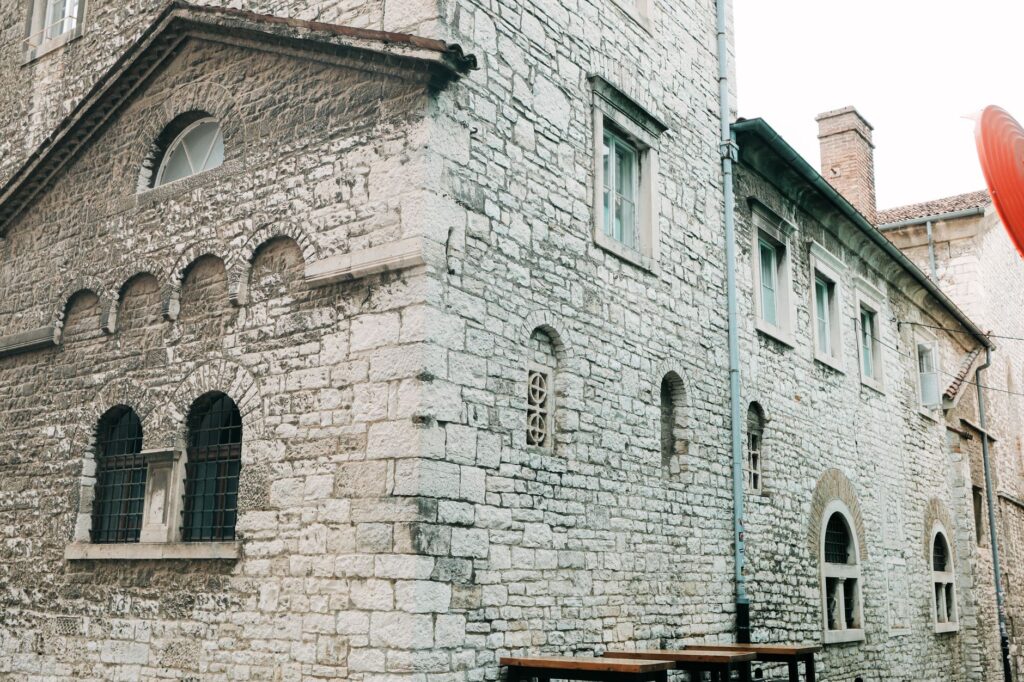
Beyond the fortress, the urban fabric reveals an amalgamation of styles ranging from historicism to the functional constructions of the mid-twentieth century. Parish churches and former administrative buildings retain ornamental details of wrought iron and masonry that reflect the economic rise of the local bourgeoisie in past eras. Each facade tells a story of adaptation to seasonal floods and the political shifts that shaped the Croatian map.
Military fortifications in this region were never merely decorative; they formed part of a vast defensive network along the borderlands. Today, the preservation of these stone monuments relies on meticulous restoration techniques that respect original mortar compositions and stone-cutting methods. Visitors are encouraged to observe these structural details up close, noting how builders solved engineering challenges with the limited technology available during the early modern period.
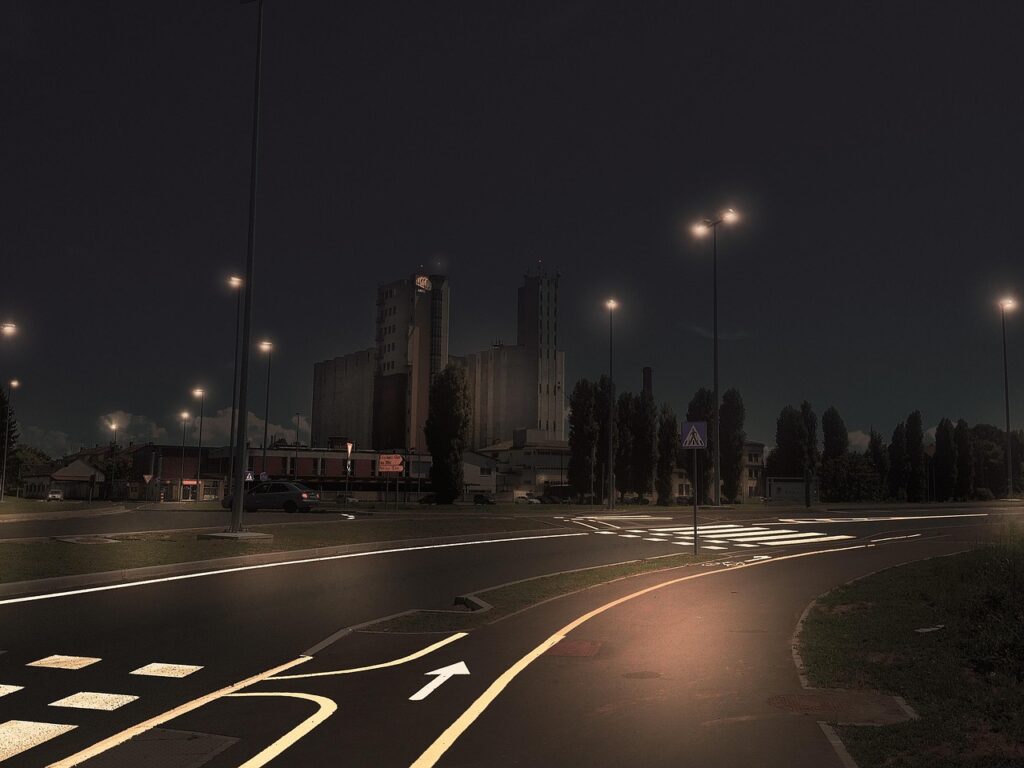
Life in the Squares: Public Space as Refuge
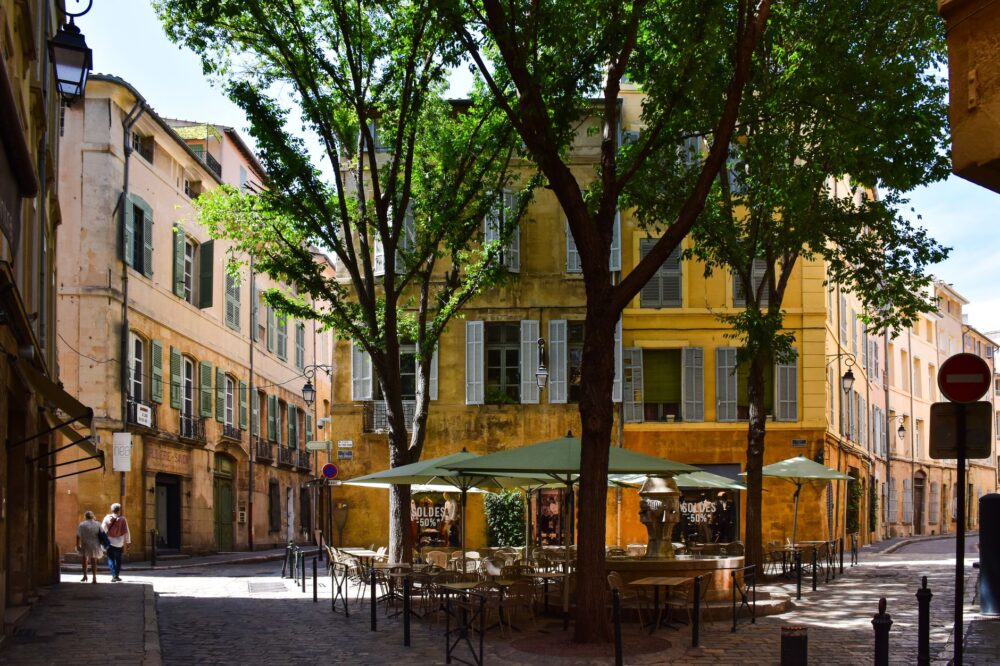
The social heart of Sisak beats in its tree-lined squares and pedestrian promenades flanking the Kupa River. During morning hours, café terraces fill with quiet conversations while the river breeze softens the summer heat. These public spaces function as the community’s shared living room, hosting seasonal fairs and neighborhood gatherings that keep the region’s popular customs alive.
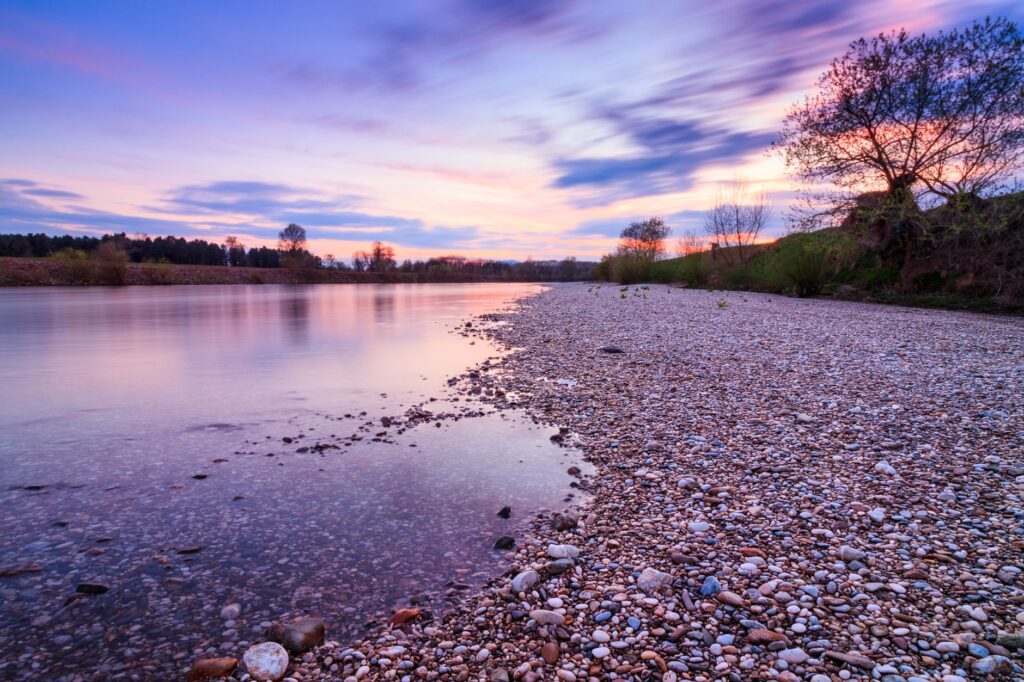
The constant presence of water defines the urban atmosphere. Bridges connecting different banks not only facilitate daily transit but act as natural viewpoints from which to watch the changing seasons. Sunsets over the Kupa dye historical facades in golden and ochre tones, offering a visual image that encapsulates the melancholy and quiet beauty of this corner of Croatia.
Civic life in these public squares relies heavily on mutual respect and neighborhood decorum. Market vendors set up their stalls with clockwork precision, offering seasonal herbs, homemade cheeses, and honey sourced from nearby meadows. For the observant traveler, sitting quietly in a central square provides an unmatched masterclass in local sociology, revealing the unwritten rules of coexistence that govern daily routines in this Croatian municipality.
Ribiver Paths and Encounter with the Landscape
The paths that meander alongside the river courses offer a different perspective of the Croatian city, connecting residential neighborhoods with areas of riparian vegetation where local fauna finds its refuge. Exploring these trails on foot or by bicycle allows one to appreciate the smooth transition between the urban environment and the open nature of the Pannonian plain, consolidating a recreational space that inhabitants enjoy in any season of the year.
The integration of the natural landscape into daily life reinforces the fluvial identity of Sisak. The riverbanks act as an ecological and social corridor where outdoor activities develop harmoniously, reminding the visitor that the conservation of the natural environment is a collective task that involves both temporary and permanent residents in the protection of their rich scenic heritage.
Birdwatchers and nature enthusiasts frequently visit these wetlands to observe migratory species that pause along the river corridors. Maintaining clean trails and undisturbed habitats is a priority for local environmental groups, who organize periodic clean-up days. Visitors are strongly urged to carry back all waste and avoid straying off marked paths, ensuring that the fragile balance of the riparian ecosystem remains intact for future generations.
Flavors of the Sava and Local Culinary Tradition
Sisak’s gastronomy is a faithful reflection of its geographic environment, where products from the agricultural plain and river resources converge. In traditional taverns, dishes are prepared with recipes handed down through generations, prioritizing local ingredients such as freshwater fish, garden vegetables, and smoked meats from the area.
Dining in Sisak is an act of communion with the surrounding rural landscape. Warm soups, stews spiced with sweet paprika, and homemade pastas form part of a comforting repertoire, ideal for months when morning mist blankets the riverbanks. Local markets serve as the best starting point to understand this culinary culture, where vendors proudly explain the exact origin of each product.
Culinary heritage in this part of Croatia also involves preservation techniques such as smoking and pickling, which were historically necessary to survive harsh winters. Modern chefs in local bistros often reinterpret these classic flavors using contemporary presentation methods without losing the core identity of the dishes. Tasting a traditional fish stew paired with regional wine offers a direct sensory connection to the agricultural history of the Sisak-Moslavina county.
The value of a city does not lie in the grandiosity of its monuments, but in the fidelity with which its inhabitants preserve the memory of their daily footsteps.
Responsible Tourism and Respect for the Environment
Visiting Sisak from a respectful perspective implies understanding that the traveler is a temporary guest in a community that prioritizes its tranquility and daily pace. Local authorities and cultural associations promote low-intensity tourism, centered on discovering riverside trails and historical heritage on foot or by bicycle without disrupting neighborhood dynamics.
This conscious approach ensures that the arrival of visitors benefits small independent businesses, artisans, and hoteliers. By prioritizing local consumption and respect for protected natural areas along the riverbanks, the traveler contributes to the long-term preservation of a unique cultural identity in central Croatia.
Sustainable travel in this context means supporting family-owned establishments rather than multinational chains, and purchasing authentic handicrafts directly from makers. Travelers should also be mindful of noise levels in residential sectors, especially during early morning and late evening hours, ensuring their presence adds positive value without imposing unwanted disruptions upon the local population.
Practical guide
How to get there: Sisak is located about fifty kilometers southeast of Zagreb. It is easily accessible by train from the central station of the Croatian capital, with frequent journeys skirting the rural landscapes of the region. It is also possible to arrive by bus or car via the secondary road network.
When to go: Spring (from April to June) and autumn (from September to October) offer mild temperatures and optimal light to explore the historic center and river trails on foot without summer crowds.
Where to stay: Small family-run guesthouses and tourist apartments managed by local residents predominate, located mainly near the historic center and close to the riverside promenades.
Visit recommendations: It is essential to dedicate at least a day to calmly tour the Renaissance fortress, traditional markets, and historical docks of the Kupa River, always maintaining a respectful attitude toward the residential life of the place.
Epilogue by the River
As evening descends upon the banks of the Kupa, the silhouette of Sisak merges with the reflection of the water in eloquent silence. Far from mass tourism circuits, this Croatian city offers the attentive traveler the opportunity to understand that enduring beauty inhabits simple details, well-preserved stone, and the gentle dignity of a community walking united toward its future.