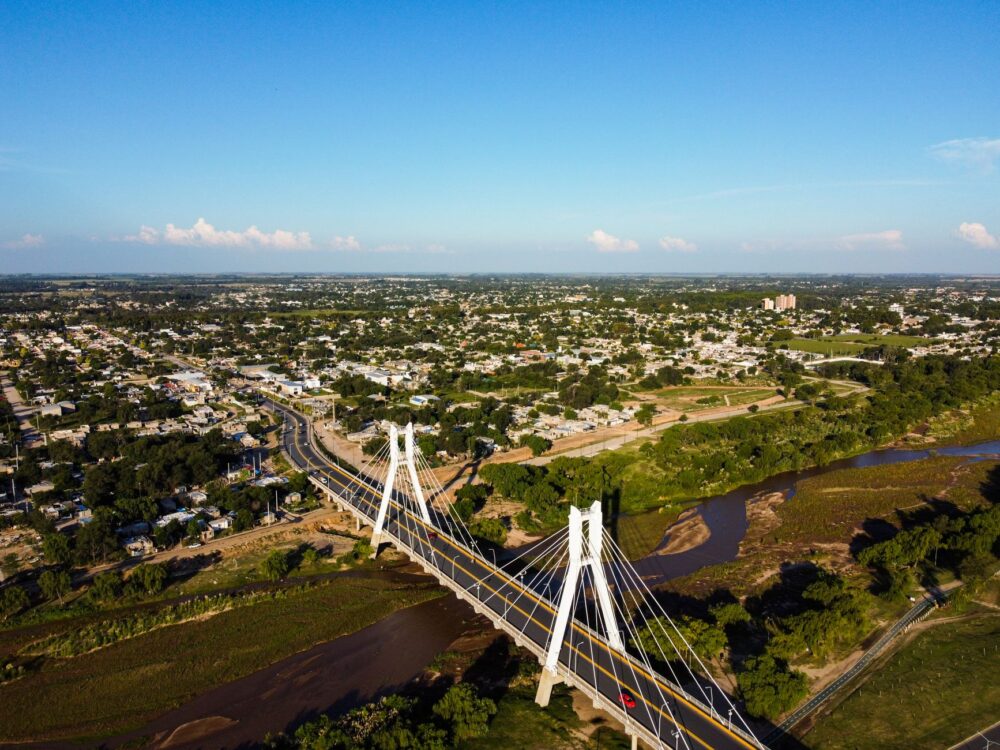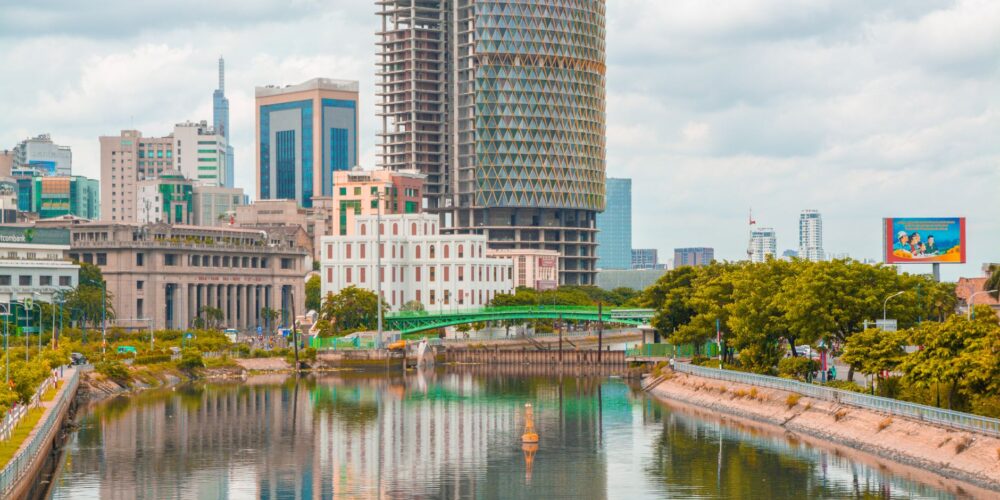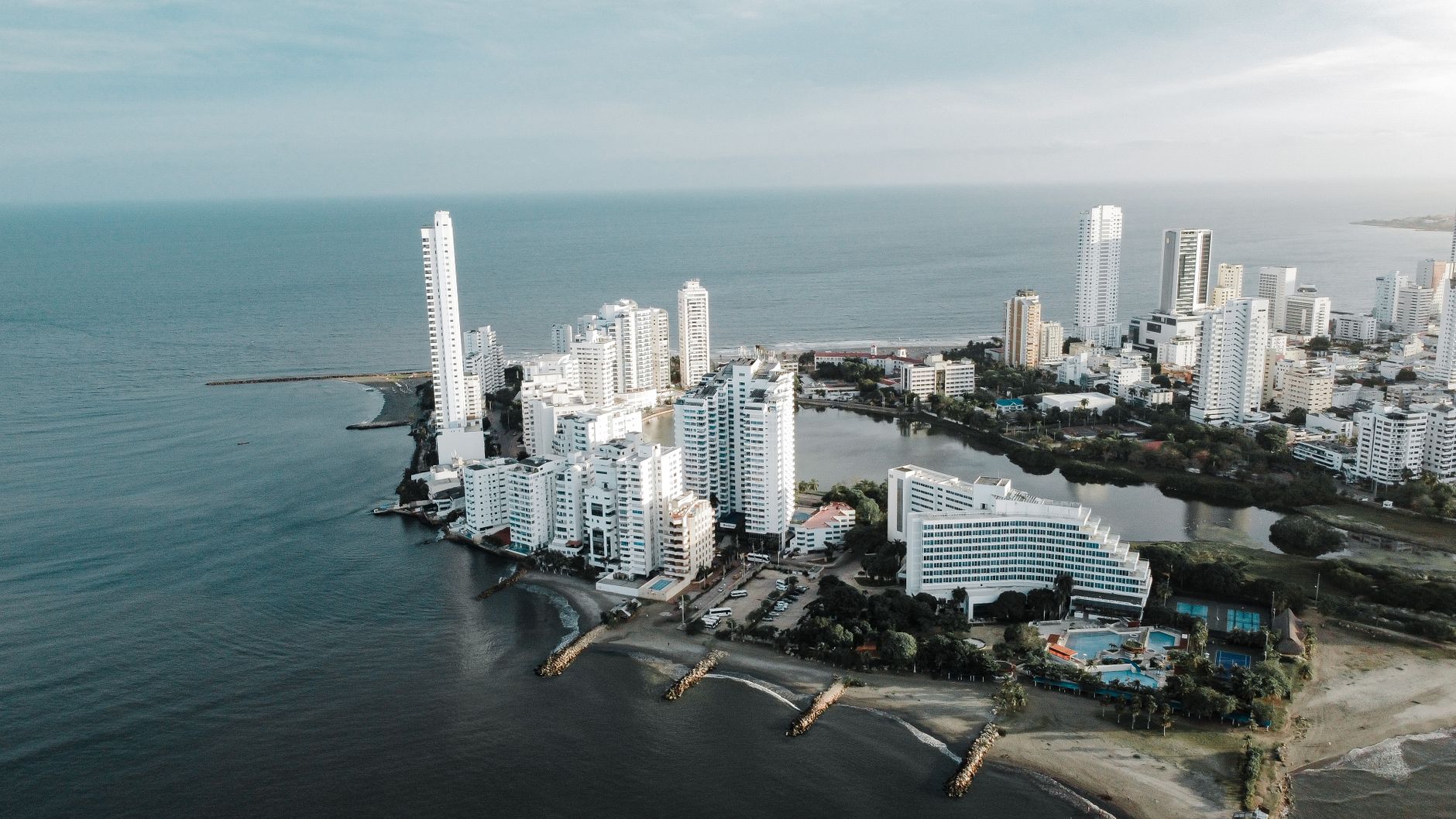

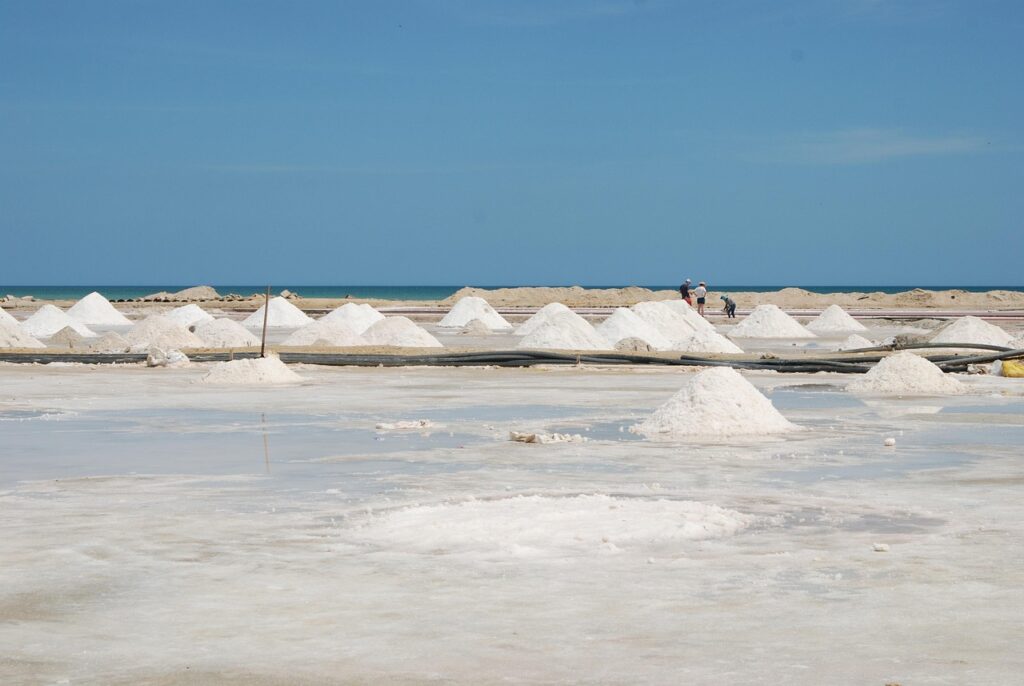
Riohacha smells of salt and firewood. The capital of La Guajira department, at Colombia’s northern tip, rises seven metres above sea level between the Caribbean and the desert that pushes inland. Home to some 188,000 people according to available geographic records, it is a city built on trade, fishing, tourism and a mixed culture where Wayuu and Afro-Caribbean traditions meet every day.
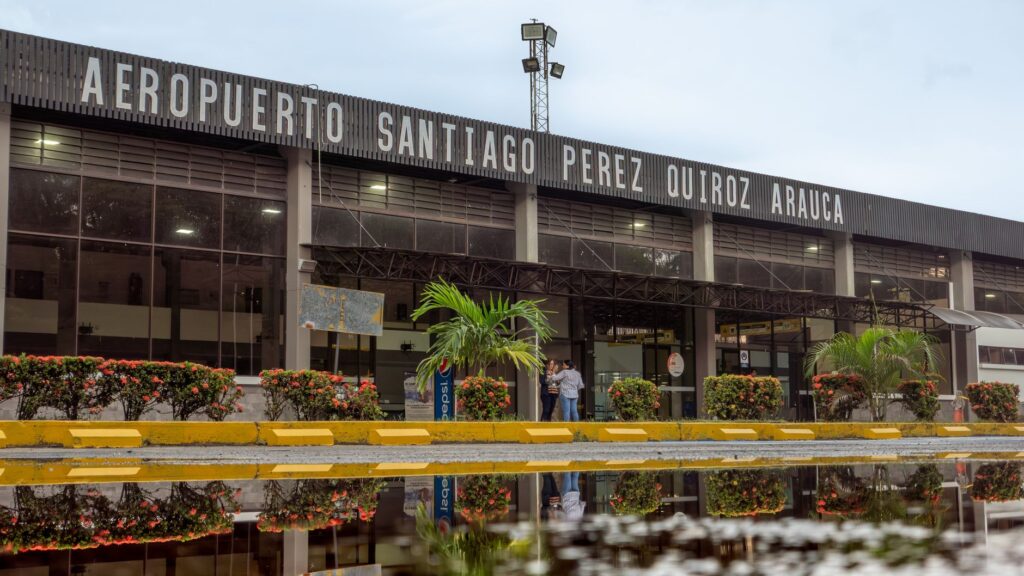
For anyone arriving from Bogotá, Medellín or abroad, the gateway is Almirante Padilla Airport, a modest terminal that nonetheless performs an outsized role: connecting a peripheral territory with the rest of the country and the Caribbean. This report examines how that airport works, what architecture defines it, how passengers experience it and how it relates to the city around it.
A small airport with a large mission
Almirante Padilla is not a mass-market airport. Its terminal operates on the logic of an intermediate city: few daily flights, check-in desks that open according to each arriving aircraft, a waiting area where air conditioning competes with the Caribbean humidity. Its IATA code, RCH, appears in booking systems alongside domestic destinations that link Riohacha with Colombia’s main hubs.
That modesty is also its advantage. Travellers avoid the kilometre-long walks of a metropolitan airport and the endless waiting times. Here, the journey from the aircraft door to the street is measured in minutes, and the city appears almost immediately: the wind, the horizontal light, the palm trees and the hum of commerce.
The terminal does not compete with the city: it introduces it. Anyone landing in Riohacha understands the Caribbean before leaving the car park.
The architecture of a Caribbean gateway
The terminal combines functional structures with elements that respond to the climate. Wide roofs, semi-open spaces and cross ventilation are common resources in Colombia’s Caribbean architecture, where the sun forces designers to think about every patch of shade. The building does not seek a spectacular gesture: it seeks efficiency and, where possible, hospitality.

That architectural restraint has an effect on the passenger experience. The airport is navigated without haste, with the sense that each area serves a clear purpose. Arrival, check-in, security and waiting follow one another in a space that does not demand constant orientation.
What the building says about the territory
The colour palette, the materials and the scale of the complex point to a coastal city that has not given in to monumentality. Riohacha is a departmental capital with a service vocation: its airport reflects that same logic, the logic of infrastructure that exists so that life can keep working.
Routes, airlines and trip planning
Riohacha’s air connectivity is mainly articulated with Colombia’s major cities, which act as gateways to the rest of the continent and the world. For travellers, this means most international itineraries require a prior stop at a national hub.
Planning ahead is advisable, especially in high season, when demand for flights to La Guajira rises because of tourism and local festivities. Airlines operating the route adjust frequencies according to the season, so it is worth checking schedules and availability with each carrier before finalising an itinerary.
- Book with enough time between flights if travelling from abroad.
- Confirm the baggage allowance according to the chosen fare.
- Allow time for transfers between the airport and the city centre.
- Check current documentation requirements for domestic and international travellers.
The passenger and the experience of arrival
Those who arrive in Riohacha by air often describe the landing as a threshold. The aircraft descends over a coastal plain, with the sea on one side and the dry green of the surroundings on the other. The terminal receives the traveller with a mix of routine and warmth: local staff, waiting taxis, the first contact with the Guajiro accent.
The experience is not without the limitations of a regional airport: fewer dining options, more limited services and a reduced commercial offer. But those limitations are offset by human closeness and by the sense that the airport belongs to the city, not the other way around.
In Riohacha, the airport is not a non-place: it is an extension of the street, the market and the conversation.
La Guajira as context: desert, sea and Wayuu culture
The airport cannot be understood without the territory around it. La Guajira is a department of extreme contrasts: the desert Upper Guajira, the middle section with its mountain ranges and the lower, wetter zone where Riohacha sits. Wayuu culture, present throughout the region, contributes a material and intangible heritage that visitors can explore with respect and with local guides.
The city also preserves historical memory: its colonial founding, its role in Caribbean trade and its status as a departmental capital. That blend of heritage and present is reflected in daily life, in gastronomy and in the festivities that mark the local calendar.
Heritage and daily life
Riohacha combines religious buildings, squares and a seafront promenade facing the Caribbean. Walking through the centre reveals the city’s scale and its relationship with the sea. Travellers arriving by air find, within minutes, an urban fabric that invites unhurried exploration.
Getting between the airport and the city
The transfer from Almirante Padilla to central Riohacha is short, but it is worth organising in advance. Taxis and local transport services are the most common option. For those travelling with bulky luggage or at night, booking a service ahead provides peace of mind.
Within the city, mobility is resolved through a combination of walking, public transport and private vehicles. The hot climate makes it advisable to plan journeys during the cooler hours and to stay hydrated.
A destination on a human scale
Riohacha does not aspire to compete with the Caribbean’s major tourist destinations. Its appeal lies elsewhere: the authenticity of a regional capital, the proximity of contrasting landscapes and the chance to encounter a living culture without mass intermediaries. The airport, with its limits and its virtues, makes that encounter possible.
For travellers interested in heritage and local life, the city offers a calm gateway to La Guajira. The recommendation is to travel with time, learn about the territory and respect community dynamics.

Practical guide
When to travel: Colombia’s Caribbean region has warm temperatures throughout the year. Check weather conditions and peak seasons before booking.
Getting there: Almirante Padilla Airport (RCH) connects Riohacha with Colombian cities that serve as hubs. For international flights, a stop at a national airport is usually required.
Documentation: domestic and international travellers should verify current identification and entry requirements before travelling.
Baggage: review the conditions of each air fare, especially on regional routes where checked baggage may be limited.
Transfers: the journey between the airport and the centre is brief; booking transport in advance makes arrival easier, particularly at night.
Health and climate: drink water frequently, use sun protection and pack light clothing. Check health recommendations before travelling.
Cultural respect: when visiting Wayuu communities or rural areas, do so with local guides and pay attention to community rules.
The threshold you cross once
Some airports are remembered for their size and others for the way they receive you. Almirante Padilla belongs to the second group. Anyone landing in Riohacha and walking towards the exit finds, within a few metres, the promise of a territory unlike any other: the Caribbean Sea, the desert and a city that makes hospitality its way of being in the world.