
Parma cannot be explained by a single monument. On the Po plain, this Italian city of just under two hundred thousand inhabitants has built its reputation on something more fragile than marble: trust in its products, its crafts and a way of eating that spans generations. Those who arrive looking for a postcard find, instead, a city that works.
The question guiding this report is not what to see in Parma, but how to visit it without eroding what holds it together. The answer is not in a brochure: it lies in the neighbourhood markets, in the squares that remain meeting points for residents and in the way the city manages its food heritage.
A geography of plain and fog
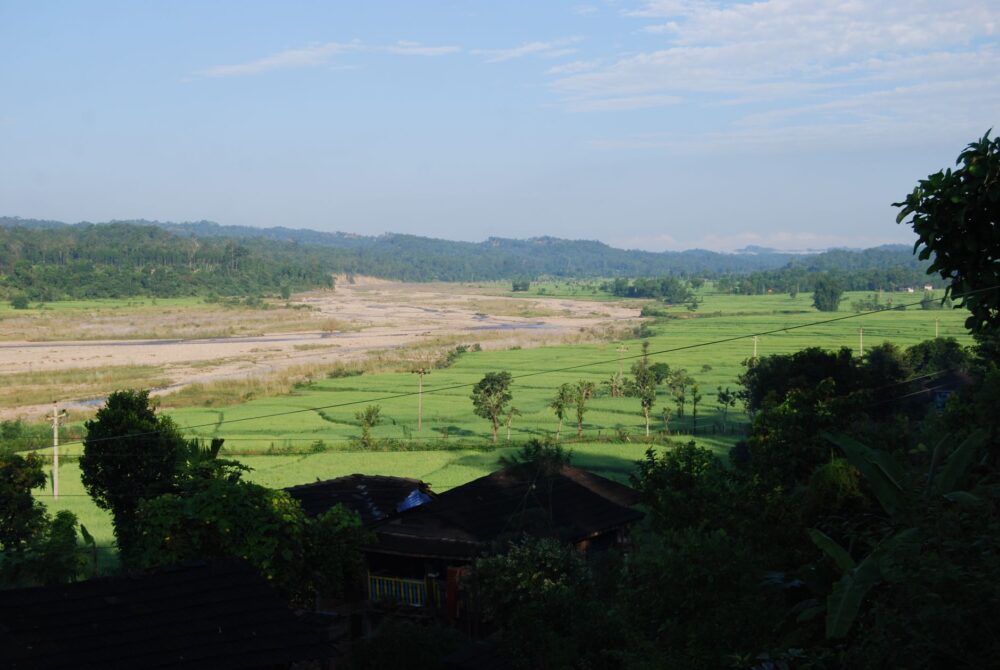
Parma sits in the centre of the Emilia-Romagna region, in northern Italy, roughly halfway between Milan and Bologna. The river that gives the city its name crosses it, dividing it into two banks that grew at different paces for decades. The altitude is minimal, barely a few dozen metres above sea level, and the surrounding landscape is an agricultural plain crossed by canals and family farms.
That flatness shapes the local character. There are no hills to order the view and no nearby sea to temper the climate. There is fog in winter, humid heat in summer and a relationship with the land that translates into seasonal produce and a pantry-based cuisine rather than a showpiece one.
Travellers who understand this stop looking for the grand viewpoint and start watching the streets. The city is easy to explore on foot, and that human scale is, perhaps, its first sustainable argument.
Heritage you can eat
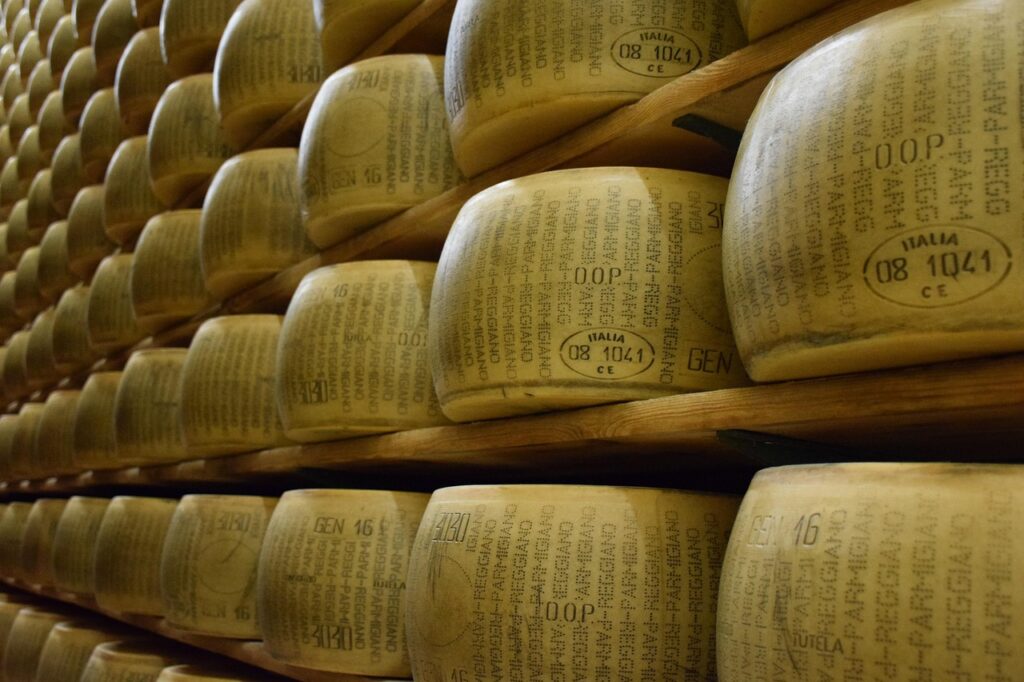
Parma is known internationally for two products: prosciutto and Parmigiano Reggiano cheese. Both are protected by designations of origin that set production zones, ageing times and methods that allow no shortcuts. That regulation is not a bureaucratic detail: it is what prevents fame from eating quality.
Visiting a dairy on the plain or a winery in the province makes it clear that value lies not only in the result but in time. Some cheeses age for more than twenty months and some hams wait years before reaching the table. Slowness, here, is an economic and cultural decision.
A city that produces food under strict rules also learns to set limits on its own tourist success.
For the responsible visitor, the practical consequence is simple: buy in specialist shops in the historic centre, ask about origin and avoid imitations sold as originals through fast circuits.
The historic centre as lived space
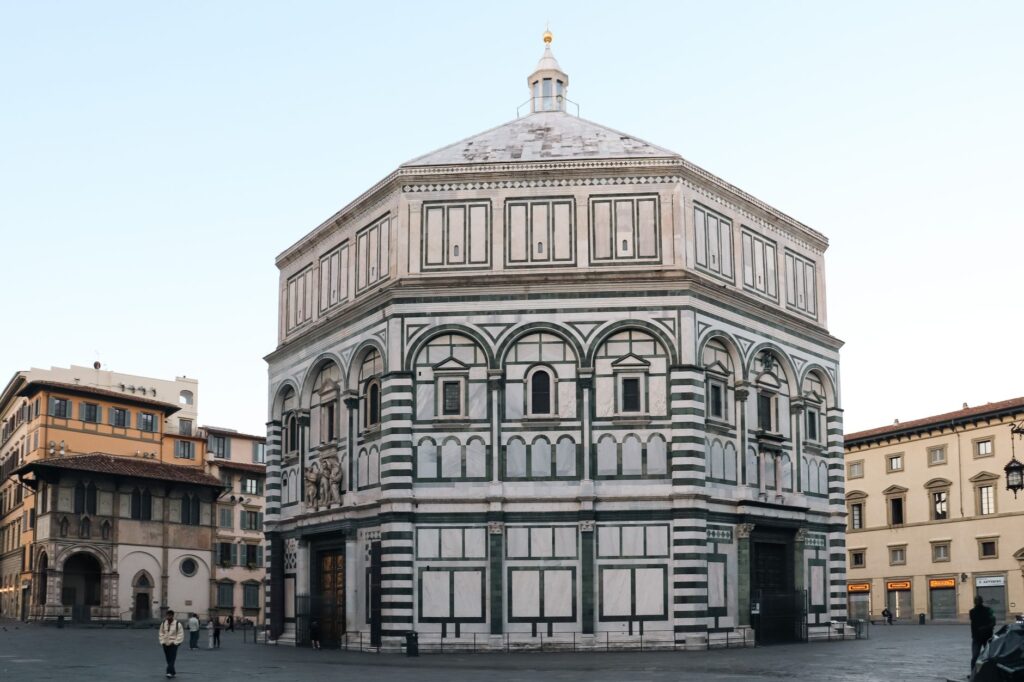
Piazza del Duomo holds the best-known monumental ensemble: the Romanesque cathedral, the pink-stone baptistery and the episcopal palace. It is an impressive space, but it also works as a thoroughfare for residents crossing the centre every day.
A few minutes away, the Palazzo della Pilotta houses the Galleria Nazionale and the Teatro Farnese, a wooden hall that survives as testimony to a court that sought to compete with Europe’s great capitals. Visiting these spaces takes time and, in high season, advance booking.
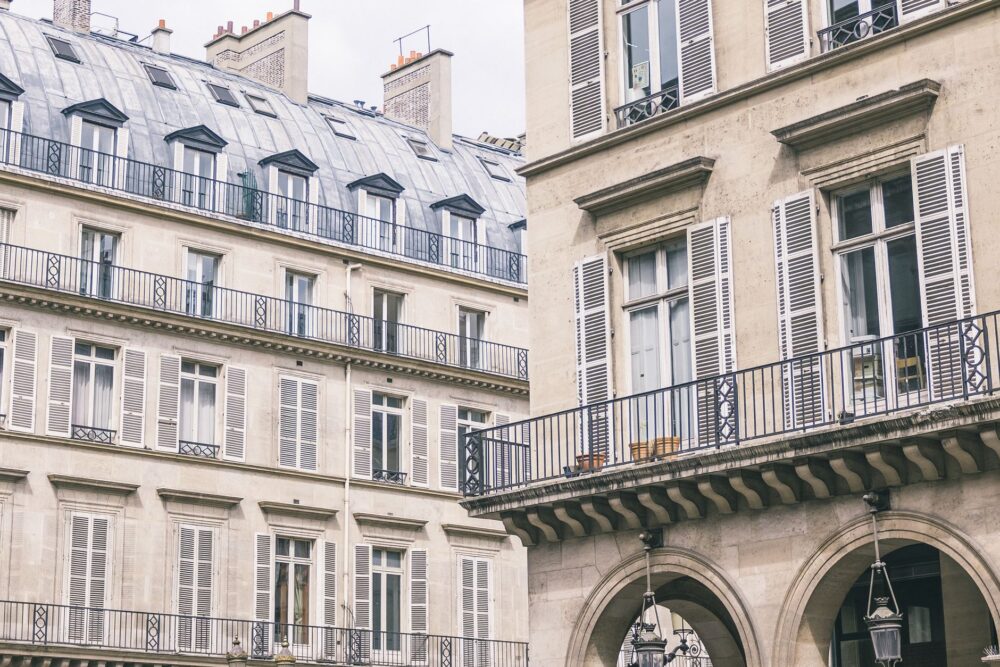
The most common mistake is treating them as a checklist. The city rewards those who walk unhurriedly between one stop and the next, who accept that heritage also includes peeling facades and wooden shutters on side streets.
Markets and neighbourhood life
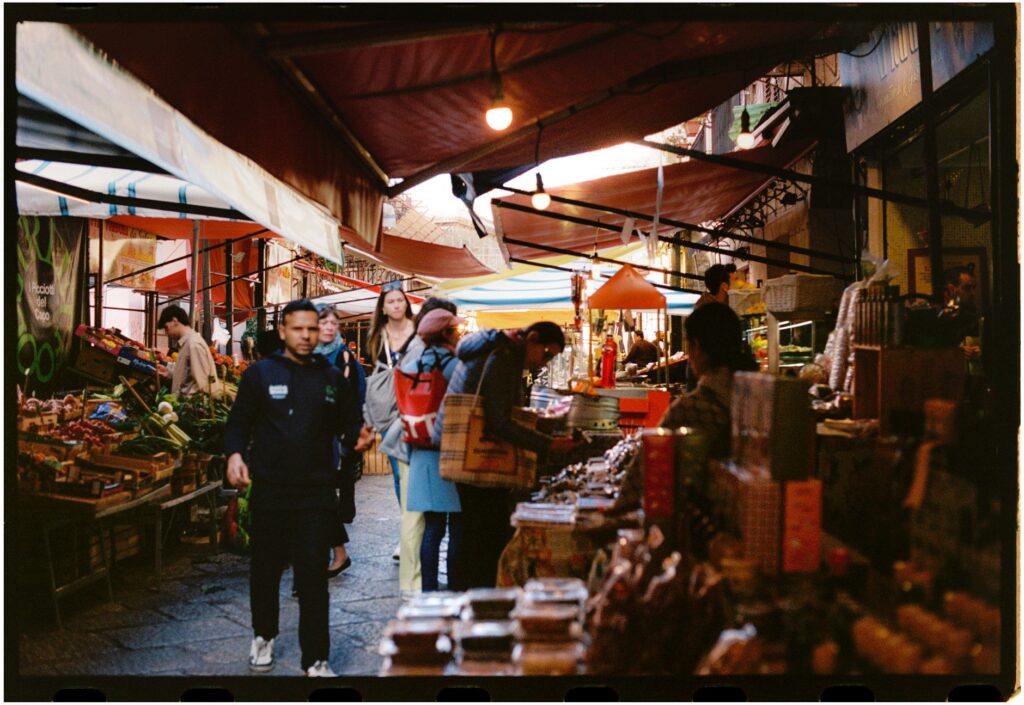
Beyond the monumental circuit, Parma is organised into neighbourhoods with their own markets. The market is not a tourist attraction: it is everyday infrastructure where people shop, argue and exchange information. There, the real city becomes legible.
Fruit and vegetable stalls follow the agricultural calendar. Mushrooms and chestnuts appear in autumn; asparagus and broad beans in spring. Buying in these spaces, with local currency and without rushing, is a concrete way to keep visitor money in the neighbourhood.
- Visit neighbourhood markets in the morning, when activity is highest.
- Bring a reusable bag and avoid excess packaging.
- Ask about provenance without demanding explanations that interrupt the stall’s rhythm.
- Respect queues and turns: they are part of how the place works.
Moving without adding noise
Parma is a compact city. The historic centre is walkable and many short trips can be made on foot or by bicycle. The urban bus service covers peripheral neighbourhoods and connections to the railway station.
For those arriving by train, the station is a reasonable distance from the centre, and that first stretch already offers a reading of the city: shops, housing and an urban fabric that was not designed for mass tourism.
Renting a bicycle is a practical option in mild months, provided local rules are respected and care is taken on cobbled streets. Visitors who reduce their transport footprint also reduce pressure on a centre already carrying the weight of its own fame.

Theatre and music as living heritage
Teatro Regio is one of the great names in Italian opera. Its programme is not a cultural ornament for tourists: it is an institution that structures the city’s social life and maintains a close relationship with local audiences.
Attending a performance requires planning, but it also offers a different way of inhabiting Parma. Visitors who book an opera or a concert enter a space where the community recognises itself.
Outside the theatre, the city maintains a musical tradition expressed in conservatories, rehearsals and small venues. There is no need to invent a scene: simply consult the cultural programme available each season.
Responsible choices for visitors
Sustainability in Parma is not announced with large posters. It is practised in small decisions: choosing accommodation in the centre or in well-connected neighbourhoods, eating in establishments that work with local produce, avoiding single-use packaging and respecting rest and trading hours.
It also means informing oneself before buying products with a designation of origin and being wary of offers that promise what the rules do not allow. Food heritage is protected at the table as much as at the till.
Travelling thoughtfully in a food city means accepting that not everything can be tasted in one weekend.
Tourist pressure in the historic centre is lower than in other Italian capitals, but it is not absent. High season concentrates visitors in spring and autumn, and weekends with cultural events fill squares and restaurants. Booking ahead and avoiding peak hours is a simple way to spread the load.
A city that thinks from the table
Parma has built its identity on agri-food production, but also on cultural institutions and an urban life that does not depend exclusively on tourism. That combination is its greatest asset and its greatest responsibility.
Visitors who arrive with curiosity and without haste discover that the city does not need to be spectacular on every corner. It is enough for it to be coherent: a market that works, a square that is used, a product that respects its ageing time.
The final question is not what one takes from Parma, but what one leaves. The most honest answer belongs to those who depart having bought little, understood much and respected the rhythm of a city that works every day.
Practical guide
Parma is in the Emilia-Romagna region of northern Italy and is well connected by rail to the country’s main cities. The city’s airport offers limited flights; many travellers arrive via Bologna or Milan and continue by train.

The best time to visit depends on interest. Spring and autumn offer mild temperatures and visible agricultural activity. Winter is cold and foggy, but allows visitors to see the city with fewer people. Summer can be humid and hot.
- Book visits to the cathedral, the baptistery and the museums of the Palazzo della Pilotta in advance.
- Check the Teatro Regio programme if you wish to attend a performance.
- Buy products with a designation of origin in specialist shops and ask about provenance.
- Move on foot or by bicycle in the centre and use the bus for peripheral neighbourhoods.
- Avoid single-use packaging and bring a reusable bag to the market.
- Respect trading and rest hours, especially in neighbourhood markets.
Trying to cover the city in a single day is not recommended. Parma rewards a slower stay and a return to the same places at different times of day.
The close of an ordinary day
At dusk, the squares of the centre reclaim their residents. Tourists drift away and the city returns to its routine: the last-minute purchase, the short walk, the conversation at the front door. It is the moment when Parma stops being a destination and becomes a place again.
Anyone who has understood something of what they saw will leave with the sense of having been a discreet guest. And that, in a city that lives from its memory and its table, is the best way to return.