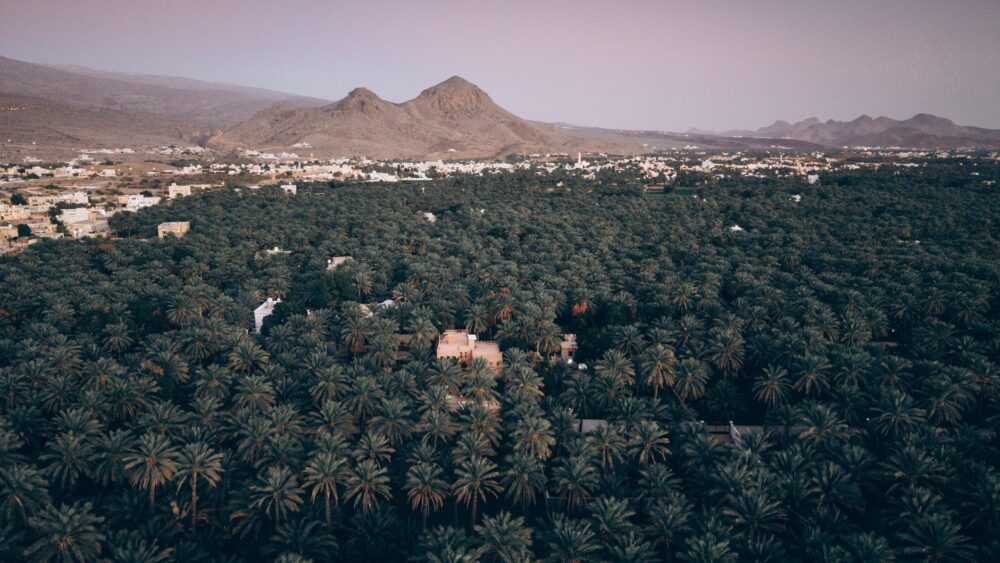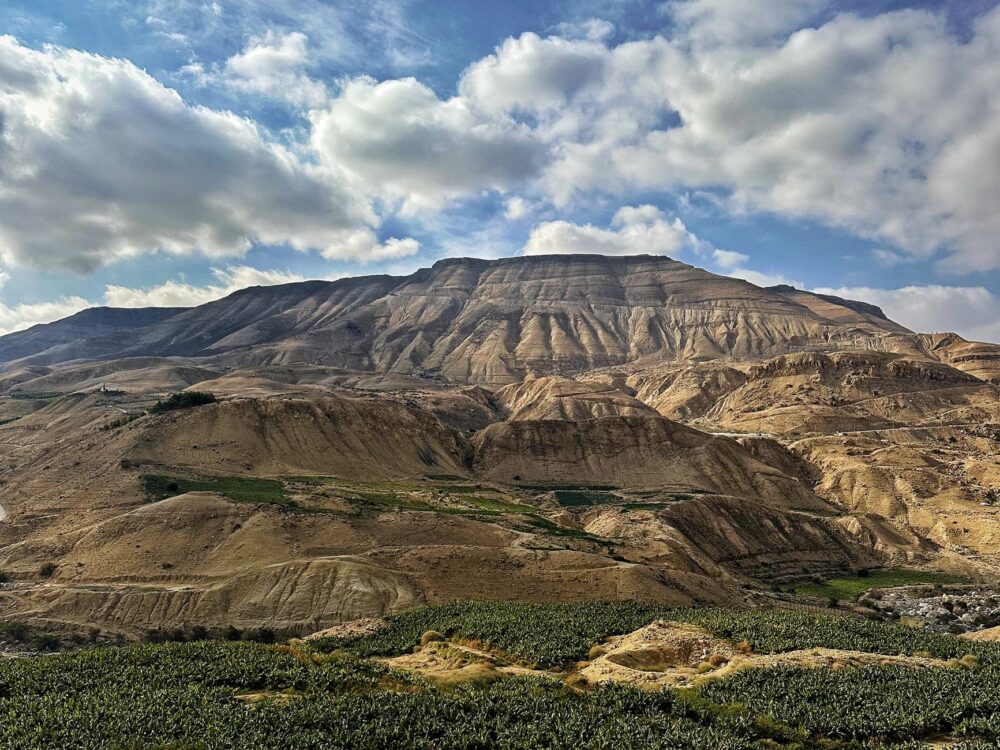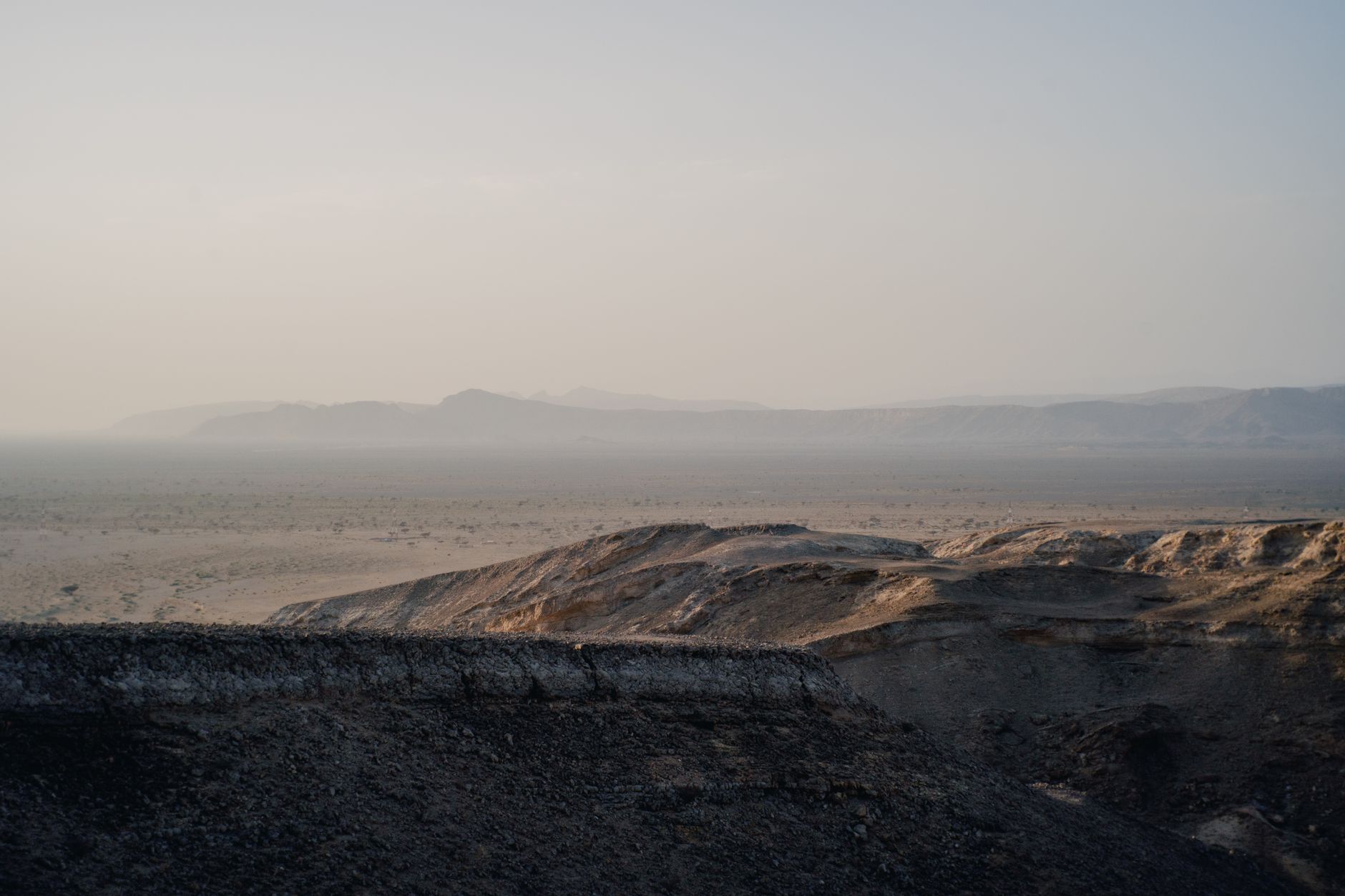

‘Ibrī does not smell of salt. It lies inland, in Oman’s Ad Dhahirah governorate, on a plateau of around 359 metres that is home to more than 160,000 people according to available geographic records. Those who arrive looking for a harbour find something else: an inland starting point for understanding how the maritime culture of the Gulf reaches into the desert, how water — the water that is missing and the water that is feared — orders daily life, and how an adventure-and-sea trip can be planned honestly even hundreds of kilometres from the surf.
This report proposes a land-based navigation: reading ‘Ibrī as a classroom of currents, climate and safety before approaching the Omani coast. There is no dock or promenade here, but there is a heritage of trade, herding and seasonal movement that for centuries conversed with the ports of the Gulf. Planning with care is the only way to make that conversation meaningful.
A plateau that teaches you to read water
The first lesson of ‘Ibrī is scarcity. The Ad Dhahirah plateau has a desert climate with long summers and temperatures that can be severe, and it is crossed by wadis — dry channels that fill suddenly — running down toward the lowlands. That apparent contradiction, dryness and flash flood, is the key to safety in the area: channels that look like roads become traps when it rains in distant mountains.
For a traveller interested in the sea, this landscape offers an operational metaphor. Currents exist not only in the ocean: they exist in the climate, in runoff and in logistics. Anyone who understands how water moves in ‘Ibrī understands better how water moves on any coastline.
In the Omani interior, safety begins by asking where it rained, not only by looking at the sky overhead.
Climate: when to move and when to stay still
Seasonal planning is decisive. The hottest months impose a different rhythm: activity at dawn and dusk, shade at midday and constant hydration. The moderate altitude of ‘Ibrī is not enough to offset desert heat, and sun exposure on open routes is a real risk factor.

Travellers should check official weather sources before any outing and accept that plans may change. In a region where rain is scarce but intense when it comes, flexibility is not an optional virtue: it is part of the kit.
Currents and wadis: the hydraulics of the desert
The wadis that cross Ad Dhahirah work as intermittent arteries. For most of the year they are dry, but a storm in the upper catchment can send a surge of water carrying stones and mud. Local people know the phenomenon well and avoid camping on channel beds.
For anyone interested in navigation and currents, this behaviour offers a practical lesson: observe the terrain, identify the marks of previous floods and ask those who live there. Local information is not folklore; it is a safety instrument.
The sea you carry inside: maritime culture inland
Oman has a long tradition of navigation and maritime trade, and that heritage is reflected in the collective memory of many parts of the country, including inland regions. In ‘Ibrī, the relationship with the sea is expressed through the stories of traders, through objects that arrived overland from the ports, and through an idea of hospitality that is also practised on land.

Travellers who want to go deeper will find clues to that link in the markets and in everyday conversation. Approach with respect, without demanding performances or turning local culture into a spectacle.
Heritage and context
The history of ‘Ibrī belongs to that of Ad Dhahirah, a governorate of transition between the interior and the coastal lands. That position explains its role in trade and in the movement of people. Visiting the area with that historical key makes it easier to understand why the sea, though absent from the horizon, remains present in the conversation.
Safety: a protocol before you set out
Any outing in the region should include a basic protocol: share your itinerary with someone you trust, carry enough water, sun protection, a means of communication and a backup plan. In desert areas, orientation and signage can be limited, and help may take time.
It is also advisable to learn about local conservation rules and protected areas. Respecting restrictions is not a formality: it protects the visitor and the environment.
- Check the weather forecast before each day out.
- Avoid wadi beds and low ground when rain threatens.
- Carry water and sun protection even on short trips.
- Follow the guidance of local communities.
- Leave no waste and do not alter the environment.
Ecosystem: protecting what looks empty
The desert is not an empty space. It supports adapted wildlife, resilient vegetation and a delicate balance that takes years to form and little to break. Off-road driving, litter and plant removal are frequent impacts in arid zones.

Responsible adventure in ‘Ibrī means reducing your footprint: travel on established routes, do not disturb animals and do not collect elements of the landscape. Conserving the ecosystem is also a way of conserving culture, because both depend on the same territory.
The best souvenir a traveller can take from a desert is the knowledge of having left it exactly as it was found.
Routes and movement: plan without inventing
Oman’s road network connects ‘Ibrī with other cities in the country, but any journey should be planned with up-to-date maps and local information. Do not assume that services exist on every route or rely on schedules that have not been verified.
For those combining the interior with the coast, the logic is simple: ‘Ibrī as a preparation base and the coast as a later destination, always with time margins and confirmed bookings. Realistic planning avoids the surprises that turn a trip into an emergency.
Food and daily life
The region’s cuisine reflects its environment: dates, grains, meat and dairy, with techniques adapted to a demanding climate. Sharing a meal is one of the most direct ways to encounter Omani hospitality.

Travellers should remember that local customs govern schedules, forms of greeting and behaviour in public spaces. Observing and asking politely opens more doors than any guidebook.
Practical guide
When to go: avoid the months of extreme heat and always check the forecast before travelling. Spring and autumn usually offer more manageable conditions, although desert weather is variable.
Getting around: your own vehicle or a local driver are the most practical options. Check track conditions and carry downloaded maps, because coverage can be patchy.
What to bring: water, sun protection, clothing that covers arms and legs, closed footwear, a torch and a basic first-aid kit. A backup means of communication is advisable.
Safety: share your itinerary, avoid wadis when rain is likely and do not leave marked routes without a guide. Respect conservation rules and the guidance of local communities.

Language and culture: Arabic is the main language; English is used in tourism settings. Dress modestly and ask permission before photographing people.
The journey that begins on land
‘Ibrī does not offer the immediate reward of a beach or the thrill of a crossing. It offers something slower and more useful: the chance to understand that maritime adventure begins long before touching the water, in the way we read the climate, respect currents and listen to those who know the terrain.
Anyone who approaches with that disposition will find in this Omani plateau a lesson in humility and preparation. And perhaps, on returning to the coast, they will look at the sea with different eyes: those of someone who knows that the desert also teaches you how to navigate.