
El Jadida faces the Atlantic from a coastal plain in central Morocco, in the Casablanca-Settat region. Its medina, heir to the Portuguese Mazagan, sits alongside a shoreline of sand, dunes and wetlands that serve as a refuge for wildlife. The city is not a safari destination or a nature theme park: it is a place where wild species survive at the edges of the urban, and where visitors can learn to look without intervening.
Unlike other stretches of the Moroccan coast more heavily transformed by mass tourism, El Jadida retains a scale that allows much of its seafront to be explored on foot. That closeness between city and nature is both its main attraction and its main vulnerability. Understanding how that balance works is the best way to visit with respect.
An Atlantic city with Portuguese memory
El Jadida’s history is shaped by its status as a Portuguese enclave between the 16th and 18th centuries, when it was known as Mazagan. From that period remain the walled citadel, the vaulted cistern and an urban layout that still dialogues with the sea. That heritage is not a backdrop: it conditions the city’s relationship with its coast and with the ecosystems around it.
The medina was declared a UNESCO World Heritage Site, and its wall acts as a symbolic border between the historic centre and the ocean. Walking along it makes clear that El Jadida has always lived facing the water, depending on fishing and maritime trade. That dependence also explains the current sensitivity towards coastal conservation.

El Jadida’s coast is not an empty landscape: it is a space of work, memory and passage for species that depend on it.
The shoreline as a corridor for migratory birds
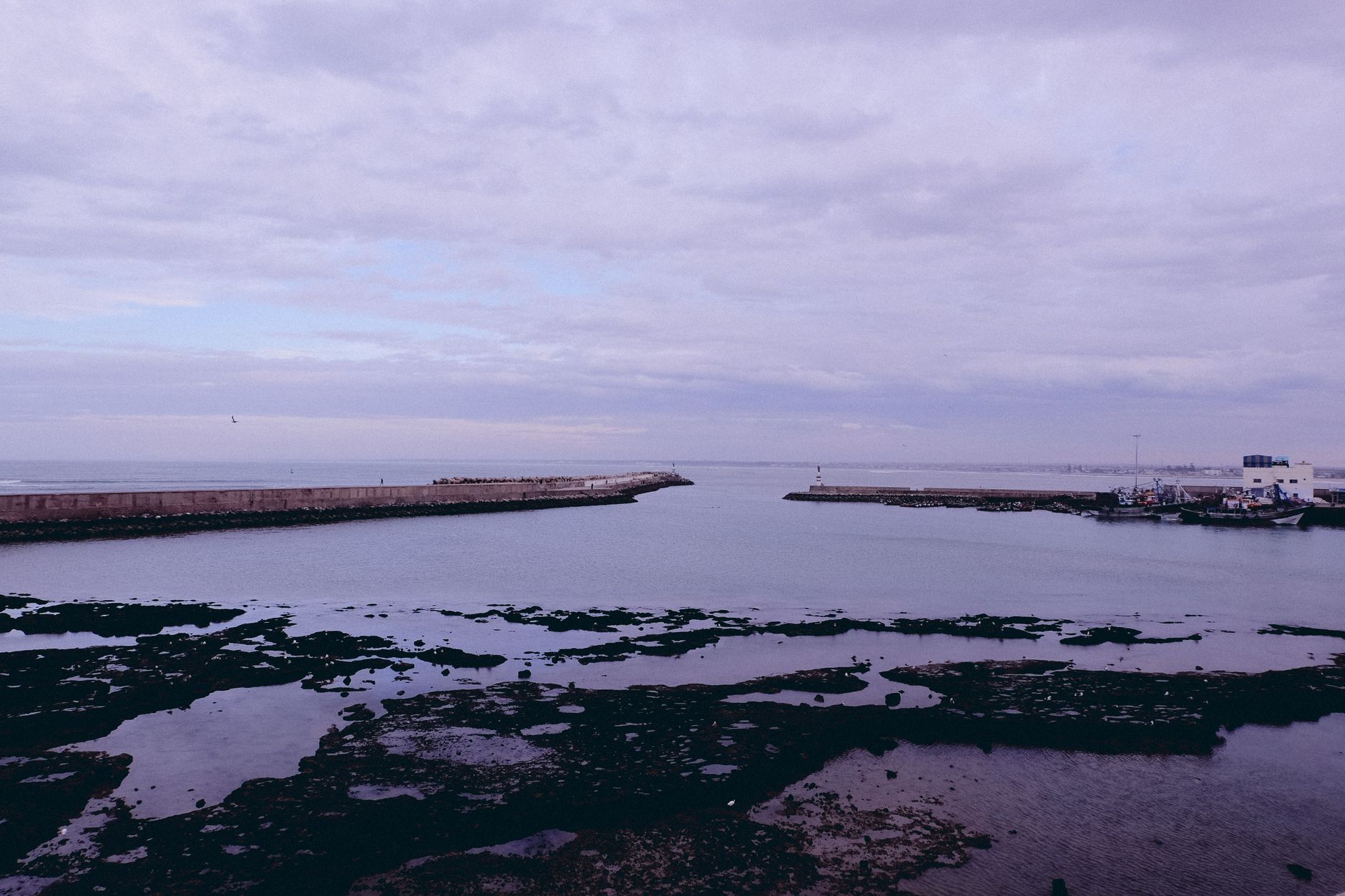
Morocco’s Atlantic facade forms part of one of the planet’s great migratory routes, the one connecting western Europe with Africa. Each season, numerous bird species use the beaches, estuaries and coastal wetlands of the region to rest and feed. Around El Jadida, those stopover points are discreet but important.
Gulls, terns, waders and other shorebirds find in the banks and nearby wet areas a place to pause. Responsible observation requires keeping distance, not chasing the animals and avoiding nesting areas. The observer’s best tool is patience, not equipment.
Low tide hours tend to be the most favourable for watching birds feeding in the intertidal zone, although each species has its own rhythms. Those visiting outside the migration season will find less diversity, but also less pressure on the animals.
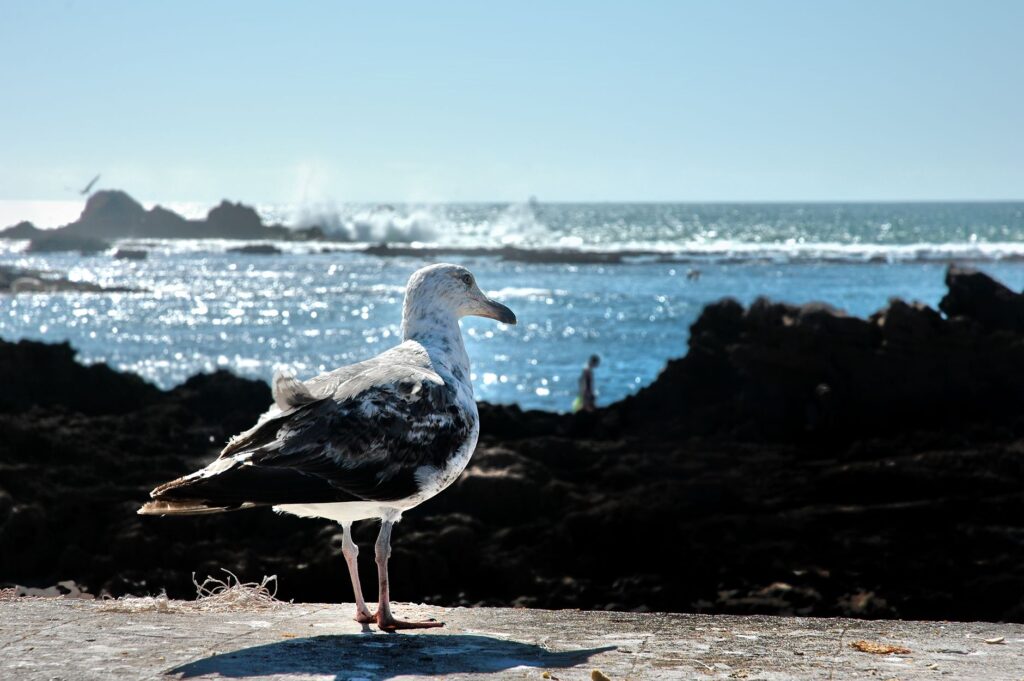
Beaches, dunes and the fragile balance of the shore
The beaches around El Jadida are heavily used spaces, especially in summer. That human pressure has direct consequences for wildlife: litter, noise and the constant presence of people alter the behaviour of coastal species. Dunes, moreover, are fragile ecosystems that take years to form and erode easily.
Walking on existing boardwalks, staying on marked paths and not collecting shells or plants are simple gestures that make a difference. In some areas, dune vegetation acts as a sand stabiliser and a refuge for invertebrates and small vertebrates. Stepping off the path seems harmless, but repeated by thousands of visitors it becomes a real problem.
- Do not feed animals or leave food scraps on the beach.
- Reduce noise in bird resting areas.
- Respect signposted areas and nesting seasons.
- Take your rubbish with you, including small waste.
Artisanal fishing and local conservation work
Fishing has historical weight in El Jadida, and its port is a place of constant activity. That relationship with the sea coexists with conservation initiatives that seek to reconcile resource use with ecosystem protection. This is not a simple conflict: the sustainability of the shoreline depends both on the health of fish populations and on the viability of the communities that live from them.
In the region there are efforts linked to fisheries management, environmental education and species monitoring. Visitors should not assume they can take part directly in those tasks, but they can inform themselves before hiring activities at sea and choose options that respect local regulations.
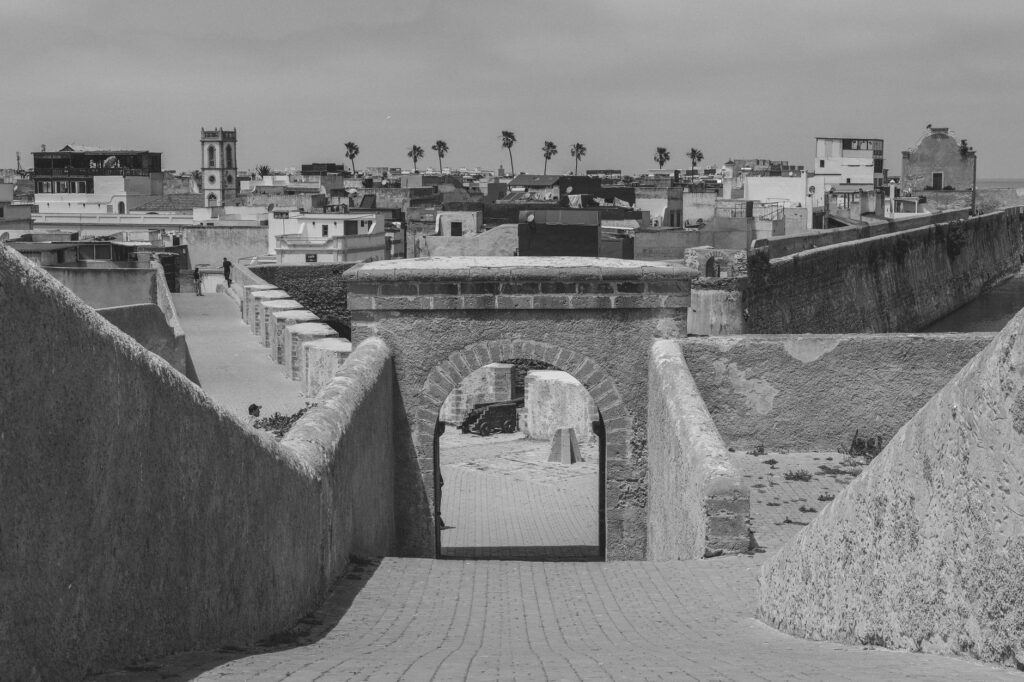
Conservation in El Jadida is not only done in reserves: it is negotiated every day at the port, on the beach and in classrooms.
What can be observed and under what conditions
Wildlife watching in El Jadida requires realistic expectations. It is not a destination for large mammals or guaranteed sightings. What it offers is coastal and urban fauna that can be seen calmly: seabirds, small reptiles, insects and, in the marine environment, a diversity that can only be guessed at from the shore.
For those interested in the marine environment, the Moroccan Atlantic shore hosts fish and invertebrate communities typical of temperate waters. Observation from land, with caution and without removing organisms, is the most accessible route. Diving, when practised, should be done with operators that respect regulations and do not damage the seabed.
Atlantic light changes quickly, and early morning hours tend to offer the calmest conditions for birdwatching. Wind, frequent on the coast, conditions the activity of many species. Adjusting expectations to the weather and the season is part of the visit.
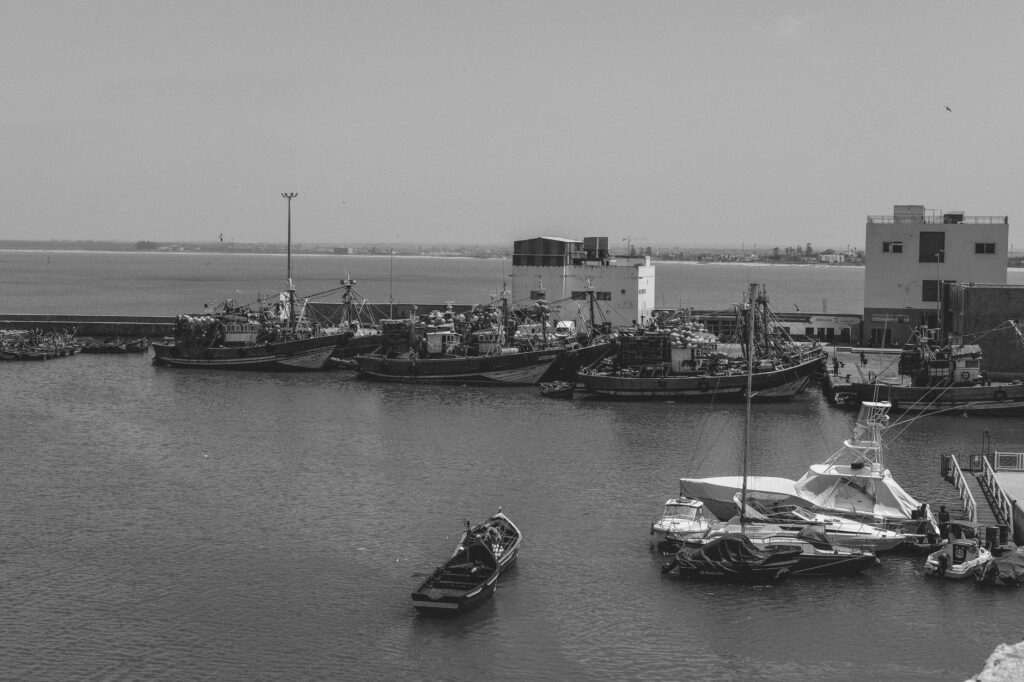
Heritage and nature: two readings of the same place
The Portuguese cistern of El Jadida, with its columns and its reflection on the water, is one of the city’s most evocative spaces. Its heritage value is evident, but it also invites reflection on how water has organised life here: as a resource, as a defence and as a landscape.
That reading of heritage connects directly with nature. The wall that protects the medina also separates the urban centre from the ocean’s pounding, and historic structures condition access to certain parts of the shore. Understanding that relationship helps explain why conserving the coastal environment is also a way of conserving heritage.
A walk linking history and shoreline
Walking through the medina, exiting through the sea-facing gate and heading south gives a sense of the city’s scale and its relationship with the Atlantic. It is not a hiking route or a wildlife-watching itinerary, but a way of positioning oneself and understanding the context before seeking nature at the margins.
Getting there and when to travel
El Jadida lies about one hundred kilometres south of Casablanca, and road connections are the most common. There are also rail connections within the Moroccan network, although timetables and availability should be checked with official sources before planning the trip. The city has accommodation of various categories and a culinary offer based on fish and Moroccan cuisine.
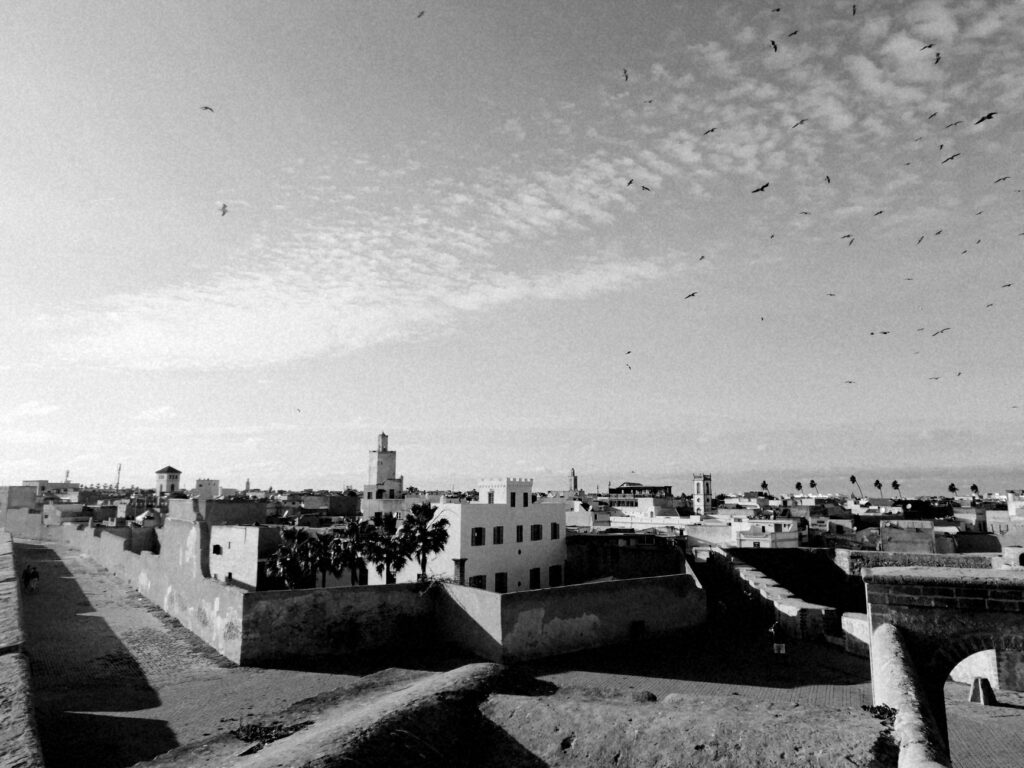
Spring and autumn tend to offer milder temperatures, while summer concentrates the largest influx of domestic visitors. For migratory birdwatching, passage seasons are more interesting, but also more sensitive: that is when the most care must be taken with distance and noise.
Practical guide
- Best time for wildlife: migration seasons, with mild temperatures; avoid the central hours of the day.
- What to bring: comfortable footwear, sun protection, water and, for birdwatching, binoculars.
- Where to get information: official Moroccan tourism and conservation sources; do not rely on last-minute data without verifying it.
- Basic rules: do not feed animals, stay on paths, do not collect species, respect signposted areas.
- Photography: avoid flash and excessive approach; distance is part of respect.
- Safety: swim only in authorised areas and heed local advice on currents.
El Jadida does not promise a spectacular encounter with wildlife. It offers something more valuable: the chance to see how an Atlantic city coexists with a natural environment that precedes and conditions it. Observing that coexistence attentively and without intervening is perhaps the best way to visit.