


On Spain’s Mediterranean coast, Alicante occupies a strip of land where the city has never quite decided whether it belongs to the sea or to the mountain. The old quarter clings to the slope of Mount Benacantil, and from there the streets descend towards a harbour that for centuries was a gateway for goods, people and ideas. Today, that geography still shapes daily life: residents climb and descend stairs, cross shaded squares and measure time by the market rather than the clock.
The city that appears in guidebooks is often reduced to its castle and its beach. But Alicante is also a place where heritage is not observed from the outside: it is inhabited. Neighbours maintain facades, traditional shops hold on in narrow streets, and squares function as an extension of the living room. Understanding that logic is the best way to visit without displacing those who live there.
A city built on layers of history
Alicante has been, in turn, an Iberian settlement, a Roman town, a medieval stronghold, a port enclave and a tourist destination. Each of those layers left traces that now coexist without apparent hierarchy. The Spanish name coexists with the Valencian Alacant, and that linguistic duality is no minor detail: it reflects a local identity that recognises itself in two languages and that visitors would do well to respect.
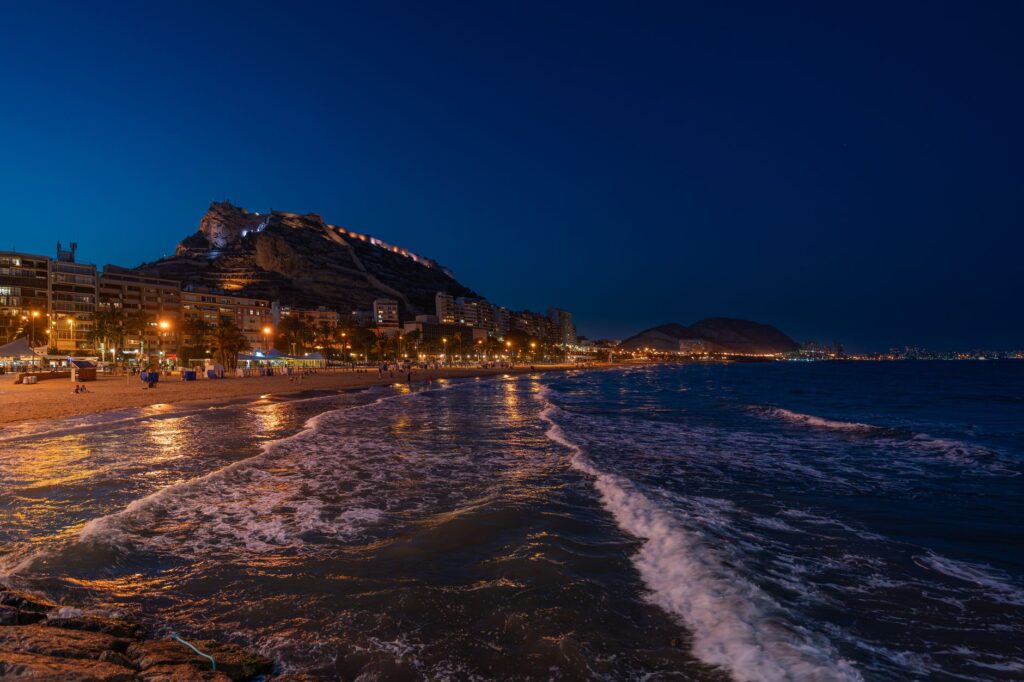
Santa Bárbara Castle, on Mount Benacantil, dominates the city and serves as both viewpoint and reminder that Alicante was for centuries a contested stronghold. But the interest lies not only in the fortress: it lies in how the city grew at its feet, adapting streets to the slope and building an urban fabric that forces you to walk slowly.
The names recorded for the city over the centuries, from ancient Greek and Latin forms to the many renderings used in other languages today, are a reminder that Alicante has always been a place of passage. That long list of exonyms and historical variants is not a curiosity for linguists alone: it says something about a port city accustomed to being pronounced differently by everyone who arrived. For a visitor, noticing which name appears on a street sign, a shopfront or a local newspaper is a small but useful way of reading the city’s self-image.
Alicante’s heritage is not visited: it is crossed. Every staircase and every square is part of the daily life of those who live there.
The Santa Cruz neighbourhood and human scale
Santa Cruz, on the slope of Benacantil, is one of the most recognisable sectors of the old quarter. Its narrow streets, whitewashed houses and colourful flower pots form a landscape that attracts visitors, but that is also home to a community living alongside tourism. The difference between a living neighbourhood and a stage set depends on small decisions: where you shop, where you eat, how you walk.
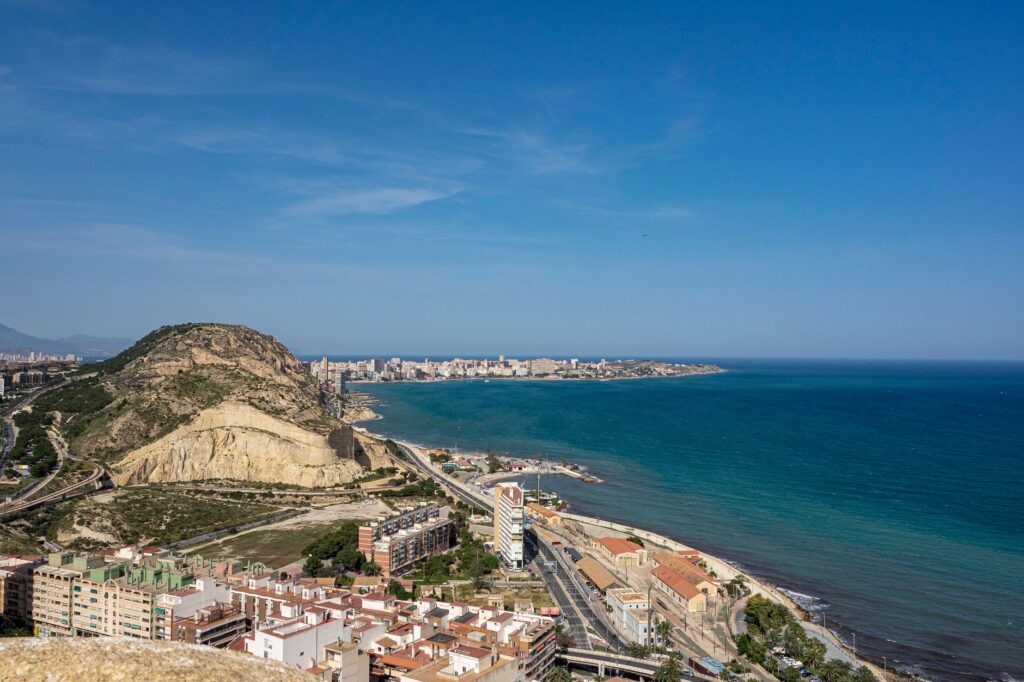
The neighbourhood’s architecture responds to centuries of adaptation to climate and terrain. White facades reflect the sun, interior patios cool the air and streets are oriented to make the most of shade. It is a lesson in sustainability before the word existed.
Walking through Santa Cruz requires a certain discipline of attention. The streets are narrow enough that a raised voice carries, and the boundary between public thoroughfare and private threshold is thinner than in newer parts of the city. Visitors who lower their voices, avoid blocking doorways for photographs and step aside for residents carrying shopping are doing more for the neighbourhood than any formal code of conduct could achieve.
The market as centre of gravity
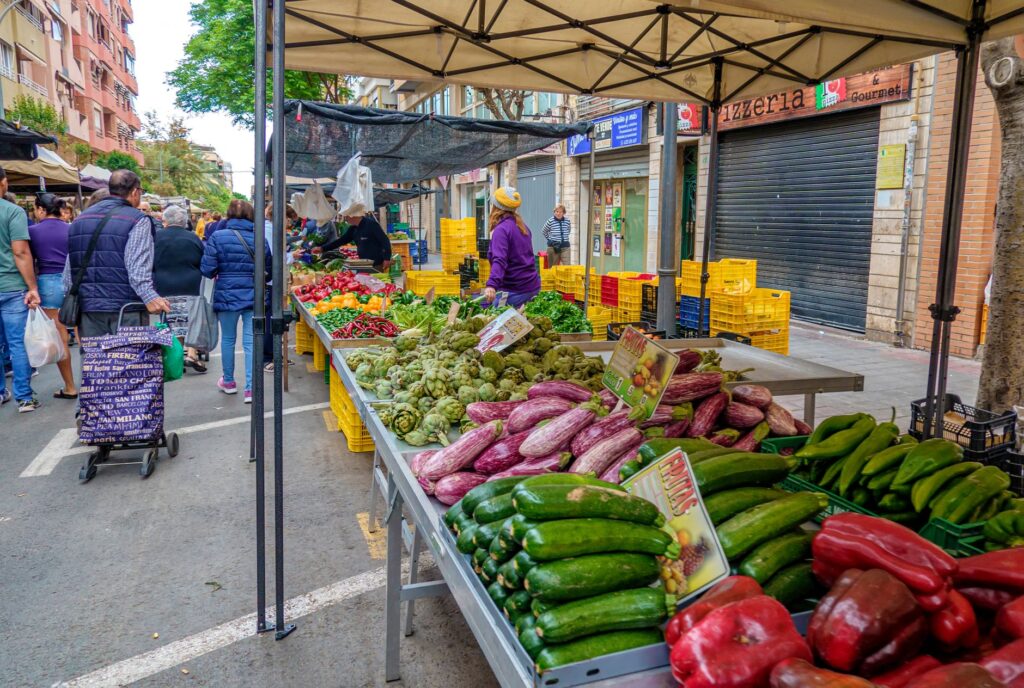
In many Mediterranean cities, the central market remains the place where daily life is negotiated. In Alicante, that function is shared between the market and nearby squares, where seasonal stalls set the rhythm of local cooking. Fish, vegetables and preserves tell a story of proximity that visitors can read at the counters.
Shopping at the market is not just a tourist experience: it is a way of sustaining a local economy that competes with large supermarkets. Traders know their customers, adjust their offer and maintain a relationship that goes beyond the transaction. For those arriving from outside, that logic offers a gateway into neighbourhood life.
There is also a practical dimension to market culture that rewards a little preparation. Knowing the difference between what is in season and what is imported, asking questions rather than pointing, and accepting that a stallholder may be busier at certain hours than at others are small courtesies that make a visit more meaningful. The market is a workplace first and a sight second, and treating it that way tends to produce better conversations and better purchases alike.
The beach and the promenade: the coast as shared space
Postiguet beach and the seafront promenade are the city’s busiest spaces in summer. But outside the season, the coast recovers another rhythm: residents stroll, amateur fishermen try their luck and terraces fill with conversations that are in no hurry. That contrast between high and low season explains much of Alicante’s relationship with its coast.
The harbour, which for centuries was an economic engine, today combines commercial activity, passenger traffic and recreational uses. That mix generates tensions and also opportunities: the city constantly negotiates what it wants to be on its seafront.
For the visitor, the lesson of the seafront is one of timing. The same promenade that feels overwhelming at the height of summer becomes a place of ordinary life in the cooler months, when the light is softer and the pace slower. Choosing to walk the coast early in the morning or late in the afternoon, when residents rather than crowds set the tone, offers a more accurate picture of how Alicante actually uses its shoreline.
The huerta and agricultural memory
Beyond the centre, Alicante preserves an agricultural memory that resists disappearing. The historic huerta, now fragmented by urban expansion, remains present in small plots, inherited irrigation channels and recipes passed down from generation to generation. That heritage does not always appear in tourist brochures, but it explains local cooking and the city’s relationship with water.
Visitors interested in that memory discover a less obvious Alicante, made of rural paths, farmhouses and landscapes that hold on between city and countryside.
Water is the thread that runs through this history. In a region where rainfall is scarce and irregular, the management of irrigation has shaped both landscape and society, and the vocabulary of water still appears in place names and local speech. Approaching the huerta with that in mind turns a walk through the outskirts into a lesson in how Mediterranean cities have always had to negotiate with their environment.
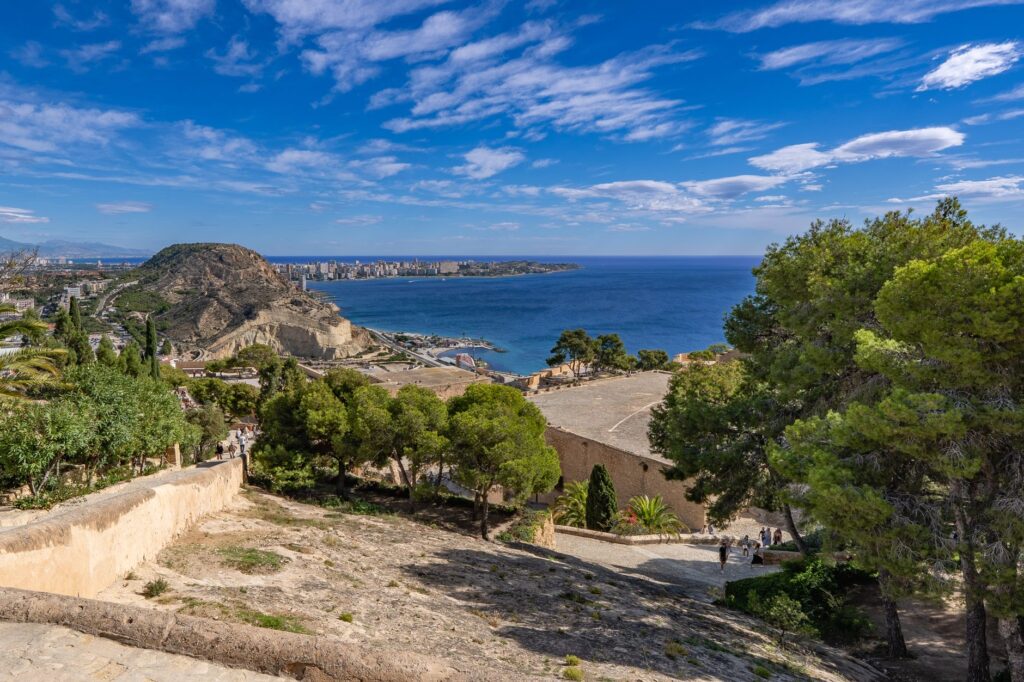
The Alicante that does not appear in postcards is still alive in its markets, its huerta and its neighbourhood conversations.
Festivals and calendar: the city that celebrates itself
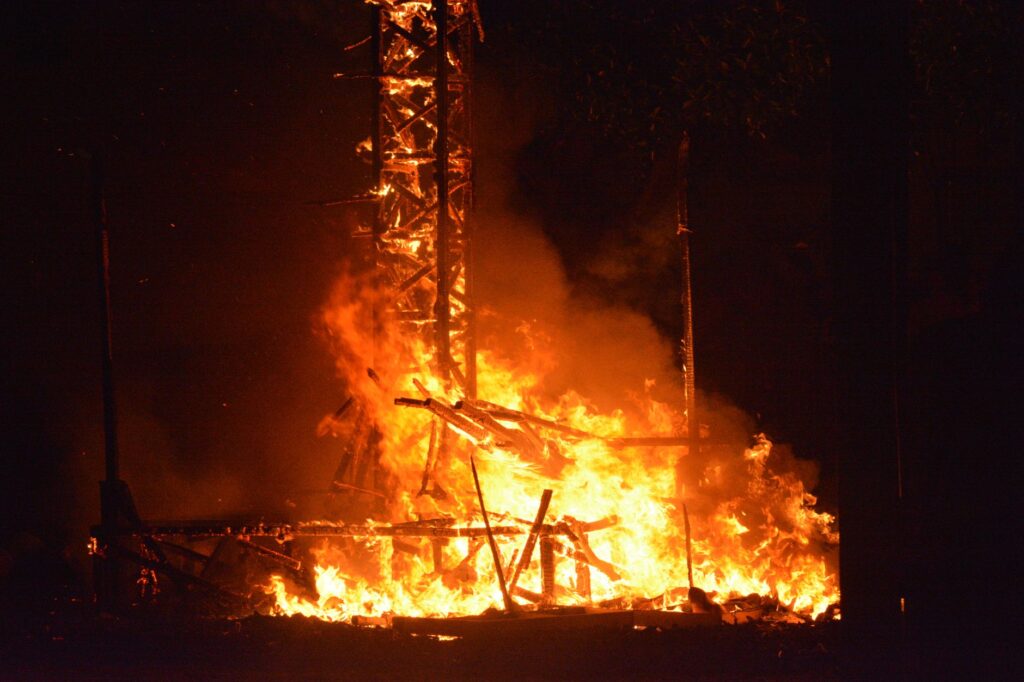
The Hogueras de San Juan, in June, transform the city into a collective stage where ephemeral art, social critique and celebration mix. The festival is not just a spectacle for visitors: it is a mechanism of neighbourhood cohesion that involves entire districts during months of preparation.
Beyond the Hogueras, the local calendar includes processions, fairs and celebrations that structure the year. Respecting those rhythms, rather than treating them as attractions, is part of a responsible visit.
Festivals also reveal how the city organises itself socially. Districts prepare their own figures and their own celebrations, and the result is a calendar that belongs to neighbourhoods rather than to a central authority alone. A visitor who understands this will approach the festivities with a different attitude: not as a spectator buying a ticket to a show, but as a guest in a collective effort that has been months, sometimes years, in the making.
A city growing older and renewing itself
Like many Mediterranean cities, Alicante faces the challenge of an ageing population in central neighbourhoods while peripheral areas grow. That tension translates into housing, services and the way heritage is maintained. Historic buildings need care that is not always profitable, and residents’ associations constantly negotiate between conserving and adapting.
Visitors can contribute to that balance by choosing small accommodation, shopping in neighbourhood businesses and respecting local hours and customs. It is not about giving up comfort, but about understanding that the city is not a stage but an inhabited place.
Ageing neighbourhoods are not simply a problem to be solved; they are also repositories of memory. Long-standing residents hold knowledge about how streets have changed, which buildings matter and why certain corners are used in certain ways. A respectful visitor, curious without being intrusive, can learn a great deal from that accumulated experience, provided the exchange is allowed to happen on local terms rather than being demanded as a service.
Everyday rhythms and local customs
Alicante’s daily life follows a rhythm that is Mediterranean rather than touristic. Mornings belong to the market, to errands and to the first coffees taken standing at a bar. The middle of the day slows, and the evening returns with a long, unhurried social life in streets and squares. Adjusting to that rhythm, rather than fighting it, is one of the simplest ways to feel at home in the city.
Language is part of that adjustment. Hearing Valencian and Spanish in the same conversation is ordinary here, and the way a place name is pronounced can carry a quiet statement of identity. Visitors are not expected to master either language, but a greeting attempted in the local form, or simply an attentive ear, is usually received with generosity.
Practical guide
When to go: spring and autumn offer mild temperatures and a less crowded city. Summer concentrates beach tourism and the Hogueras de San Juan, in June, fill the centre with activities.
Getting around: the historic centre is best explored on foot, although the slopes of Benacantil require comfortable shoes. Public transport connects the centre with the beach and outlying neighbourhoods.
What to see: Santa Bárbara Castle, the Santa Cruz neighbourhood, the co-cathedral of San Nicolás and the central market. Off the usual circuit, the huerta paths and outer neighbourhoods offer another reading of the city.
Where to eat: local cooking is based on fish, rice and seasonal vegetables. Markets and neighbourhood taverns are good starting points.
Responsible tips: avoid the busiest tourist hours in the narrowest streets, shop in local businesses and respect residents’ rest. The city appreciates discreet curiosity.
The sea as shared memory
At the end of the day, Alicante turns its gaze to the Mediterranean. The harbour, the beach and the promenade are spaces where the city recognises itself. For visitors, that moment facing the water may be the best way to understand that Alicante is not just a destination: it is a place where daily life and heritage share the same space.
Walking without haste, looking at facades, listening to conversations in Valencian and Spanish, shopping at the market and respecting local rhythms are concrete ways of approaching a city that offers itself generously but asks for some attention in return.


