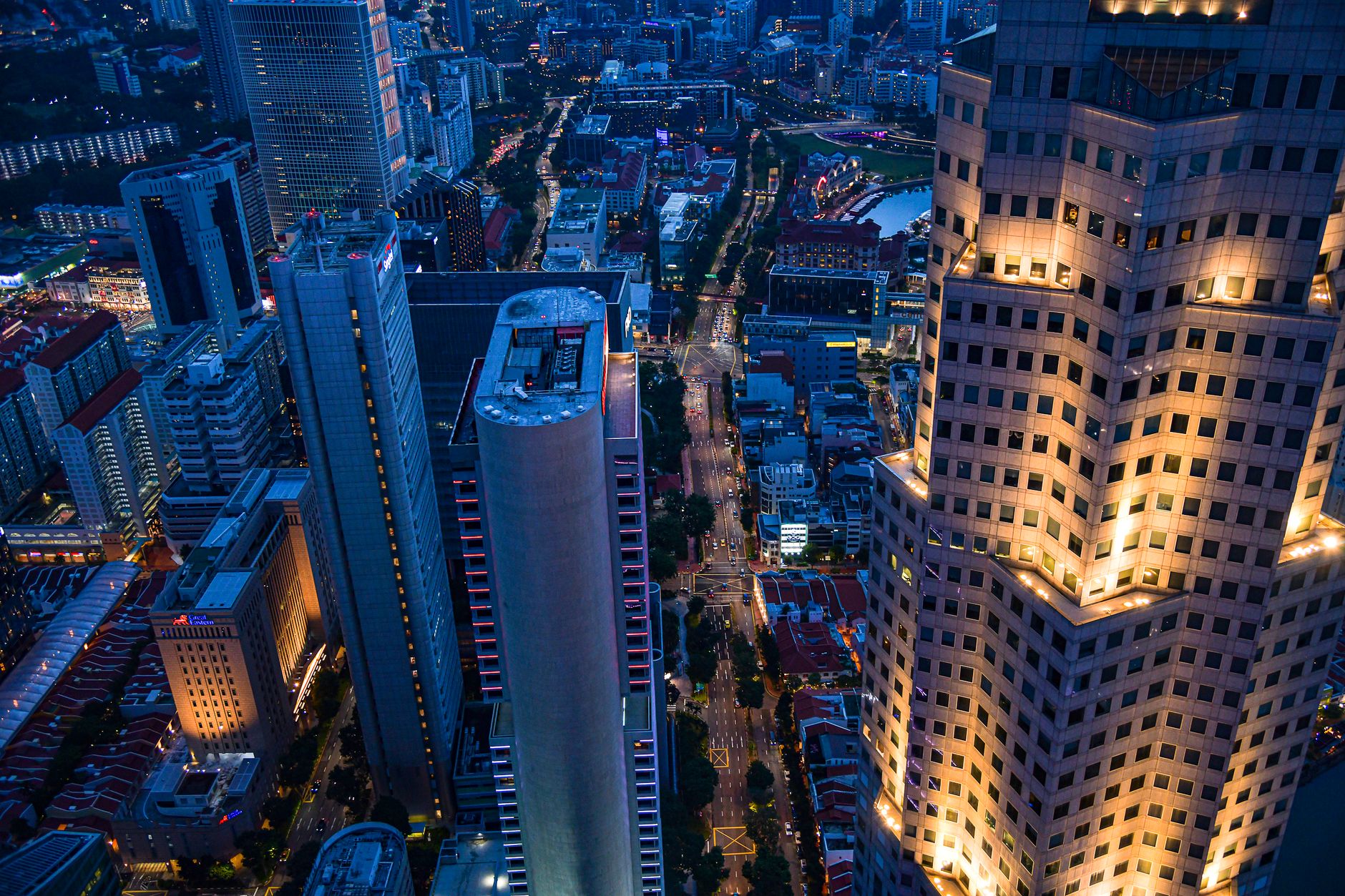

Novena occupies a dense strip of central Singapore, north of the river and east of Orchard Road. Home to around 53,000 residents according to available geographic records, it is a district of residential towers, clinics, shopping centres and old temples that sits alongside one of Southeast Asia’s largest concentrations of hospitals. Anyone arriving here in search of an expedition will find something other than mountains: an urban traverse that requires reading the weather, respecting shared spaces and understanding the historical weight of the place.
The adventure and expedition category does not always mean ice or altitude. In Novena, the challenge is the logistics of heat, humidity and sudden rain, along with a specific journalistic question: how does one prepare a rigorous exploration of a neighbourhood that is at once heritage, hospital and transport hub? The answer lies in planning, not improvisation.
A neighbourhood walked on foot, but planned at home
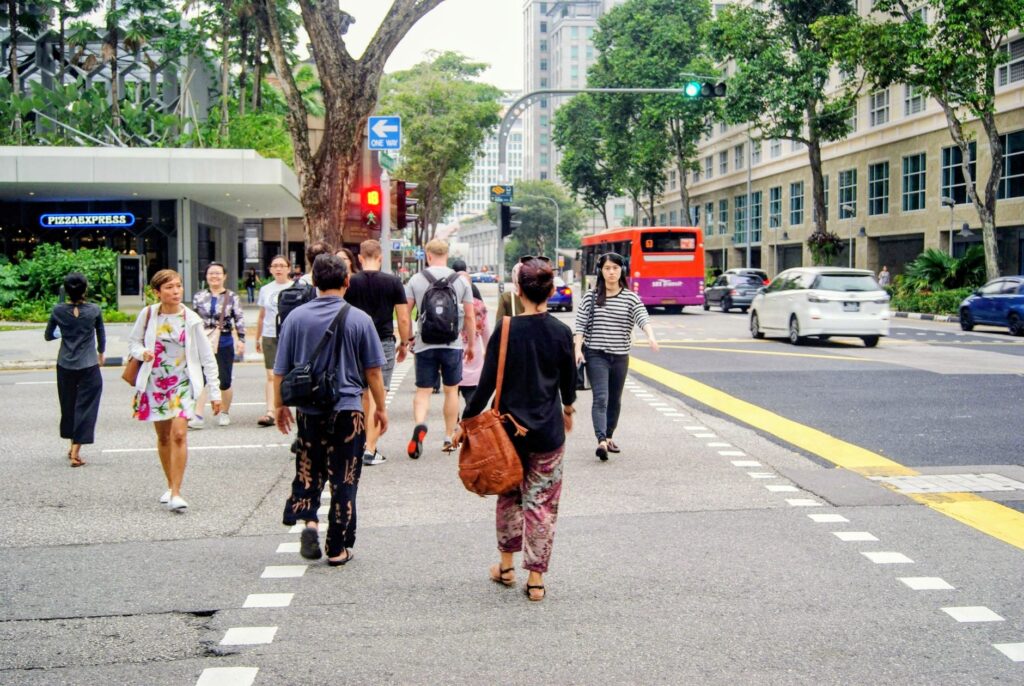
Novena has no clearly delimited historic core like a European old town. Its fabric is organised around Thomson Road and Novena Road, with metro stations connecting the district to the rest of the island. Walking is possible, but the climate dictates the terms: temperatures hover around 30 degrees for most of the year and relative humidity often exceeds 80 per cent. That turns any two-hour route into an exercise in energy management.
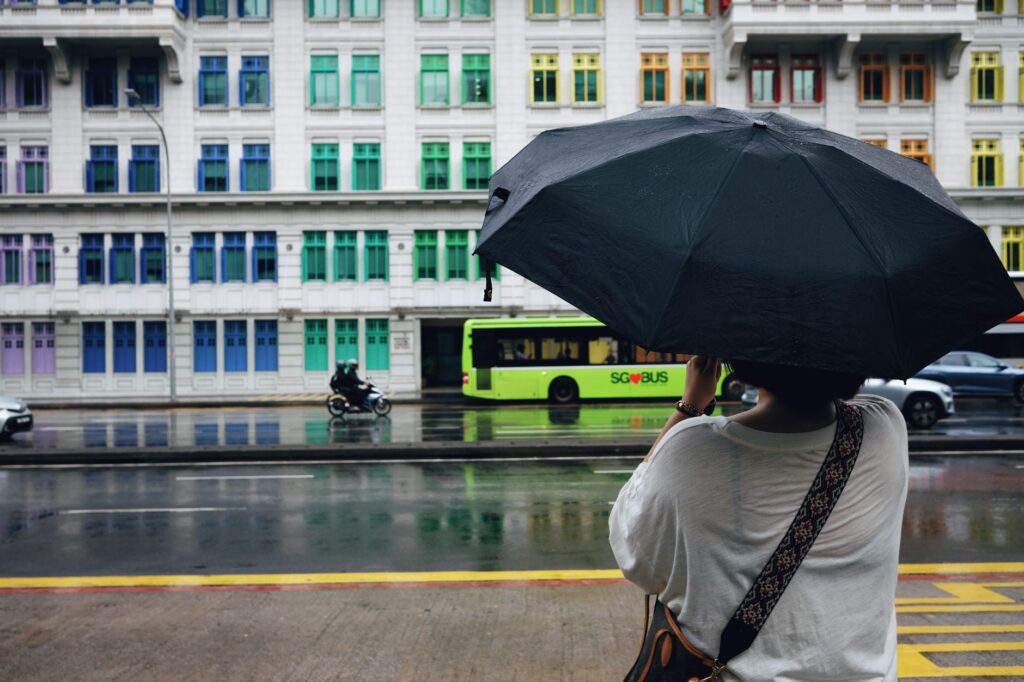
Preparation begins with equipment. Quick-dry technical clothing, a reusable bottle, sun protection and a light rain jacket are more useful than any gadget. Footwear should handle wet pavements and the polished marble of shopping centres. Rain in Singapore does not announce itself with hours of grey clouds: it arrives suddenly and disappears just as quickly.
In Novena, the expedition is not measured in kilometres accumulated, but in the ability to adapt the pace to the climate and to spaces shared with patients, residents and worshippers.
Medical heritage as a historical layer
Novena owes part of its identity to medicine. The district is home to private and public hospitals, specialist clinics and rehabilitation centres that attract international visitors. That concentration is no accident: it reflects urban planning that, from the mid-twentieth century, placed health services in this central zone. For the curious traveller, that context explains why there are so many pharmacies, taxis and consulting-room buildings.
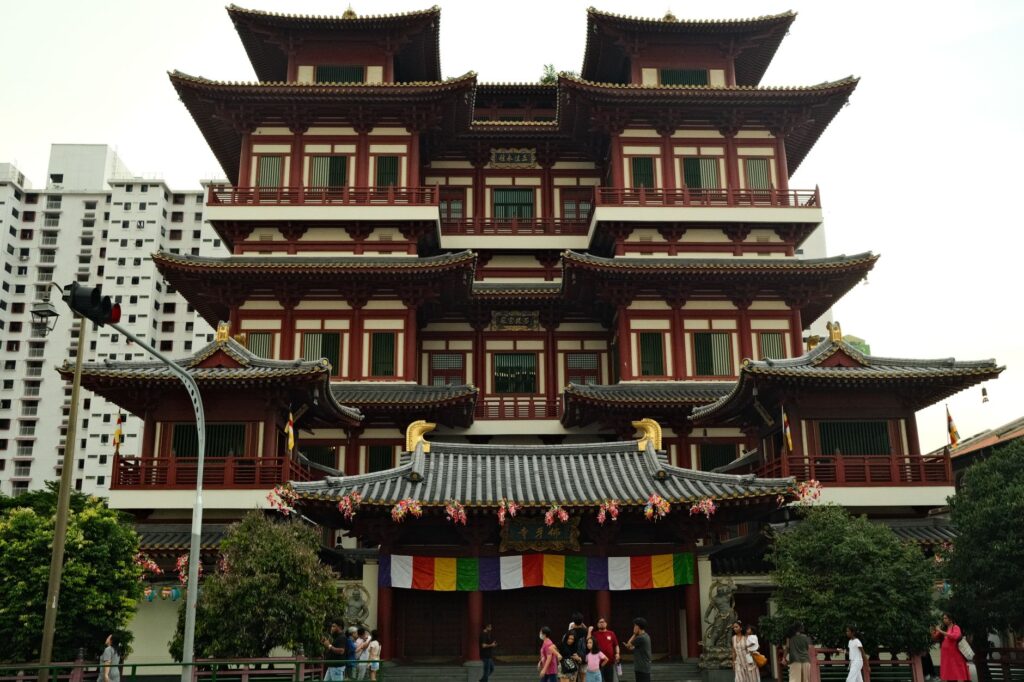
Heritage is not only medical. A few minutes away stands the Sakya Muni Buddha Gaya Temple, known for its large Buddha statue and for a devout community that keeps visiting hours and rules of respect. Churches and mosques also sit in the surrounding area, making Novena an example of religious coexistence in a city-state that is majority Chinese but deeply multi-faith.
What to look at and what not to photograph
Urban photography in Novena requires judgement. Hospital interiors, waiting rooms and consultation areas are not backdrops. Temples allow images in common areas, but it is wise to ask before photographing people in prayer. The rule is simple: if the image could discomfort someone going through a difficult moment, do not take it.
Equatorial climate: the variable that changes everything
Singapore has two main monsoon seasons. The northeast monsoon, between December and March, brings intense and persistent rain. The southwest monsoon, between June and September, is associated with afternoon storms. Novena, like the rest of the island, can record heavy rainfall in any month. Planning must include time buffers and indoor alternatives.
Heat is another factor. Walking at midday along an unshaded pavement can be exhausting even for those used to warm climates. The recommended strategy is to start early, rest in air-conditioned spaces between eleven and three, and resume walking at dusk, when the light changes and the neighbourhood comes back to life.
- Light cotton or technical clothing, with a change in the backpack.
- A water bottle of at least one litre, refillable at public fountains.
- A compact rain jacket and a waterproof cover for the phone.
- Sunscreen and mosquito repellent for garden areas.
- Closed, comfortable footwear for walking on wet pavement.
Permits, rules and urban responsibility
Singapore is a city with strict, well-signposted rules. In Novena, the main rules concern the use of public spaces: smoking is banned in many areas, eating or drinking on public transport is prohibited, and littering outside bins is fined. The fines are real and enforced. For anyone organising an urban expedition, knowing these rules is part of the preparation.
Nearby green spaces, such as the gardens and parks in the surrounding area, have opening hours and conservation rules. No special permit is required to walk through them, but visitors must respect signs about paths, rest areas and the ban on feeding wildlife. The visitor’s responsibility is not to turn a shared space into a private stage.
Responsible expedition in Novena begins by accepting that the neighbourhood is not designed for fast-consumption tourism, but for the daily life of those who inhabit it.
Real risks and how to manage them
The main risk in Novena is not wildlife or terrain, but prolonged exposure to sun and humidity. Dehydration and heat exhaustion are possible if one walks without breaks. Thunderstorms, frequent in the region, require seeking shelter indoors when thunder is heard. Pavements can become slippery and some outdoor stairs lack continuous handrails.
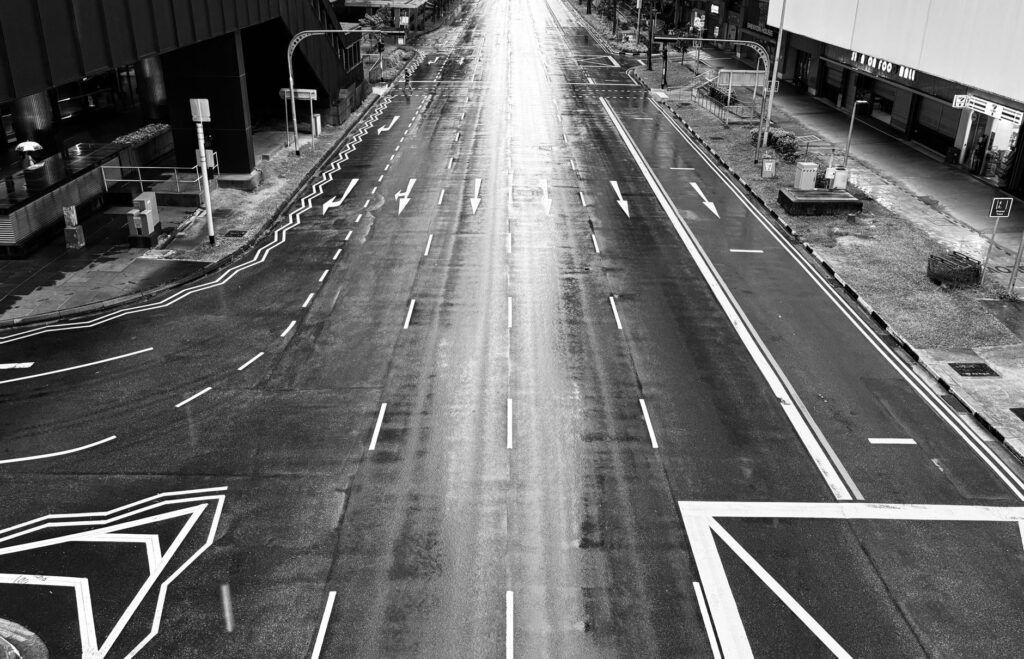
Another risk is disorientation in an urban fabric of walkways, connected shopping centres and metro stations with multiple exits. Carrying a downloaded map and checking exits before entering a building saves time and avoids unnecessary walks under the sun. The logistics of an urban expedition are measured in shade, water and rest points.
Transport and connections without improvising
Novena is connected by Singapore’s metro system, with stations linking the district to the financial centre, Changi Airport and other parts of the island. Buses cover main and secondary streets. For those arriving from the airport, combining metro and taxi is common, though times vary with the hour and traffic.
It is best not to invent fares or schedules: official information is available at stations and in transport apps. The practical recommendation is to check line status before setting out and to carry a rechargeable transport card. Walking between stations is possible, but requires calculating the heat and humidity of the stretch.
What to carry in the day pack
A 15 to 20 litre backpack is enough for an urban day. Inside: water, rain jacket, sunscreen, a bag for waste, documents, a small first-aid kit with rehydration salts and a power bank. Mountain gear is not needed, but judgement is, so as not to carry too much.
Neighbourhood food and necessary pauses
Novena’s food offer reflects Singapore’s diversity. There are hawker centres and cafés serving Chinese, Malay and Indian cuisine, alongside international options linked to shopping centres. For an urban expedition, hawker centres are an efficient stop: they allow you to eat well, rest in the shade and observe the daily life of the neighbourhood.
It is worth respecting the rules of each space: return trays, do not reserve tables with personal objects for long periods and keep conversation volume low. Food is not an ornament to the report but a real part of the logistics: eating at regular hours helps maintain energy and avoids hasty decisions caused by hunger or heat.
Architecture, memory and the traveller’s gaze
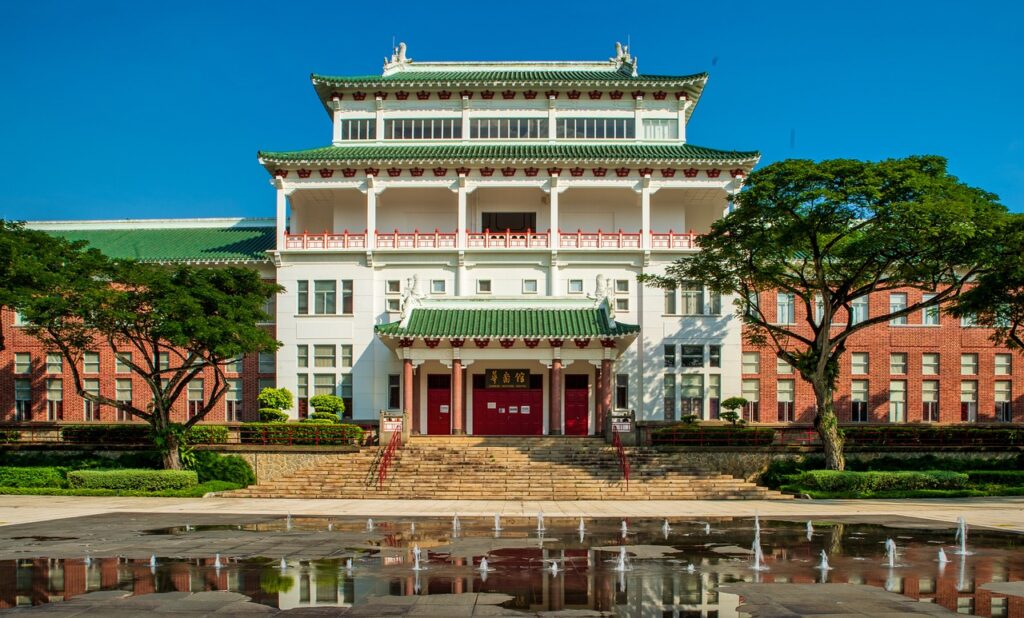
Novena’s architecture mixes residential towers from different decades, hospital buildings, shopping centres and temples. That coexistence produces an urban landscape that is not monumental but is very legible to those who observe carefully. Arcades, walkways and inner courtyards offer shade and reveal how daily life is organised in an equatorial climate.
Intangible heritage also counts: residents’ routines, shop opening hours, the flow of patients and visitors. A rigorous expedition in Novena does not seek the spectacular find, but the understanding of a neighbourhood that functions as a cog in a city-state.
Practical guide
When to go: the months from February to April and from July to September tend to offer less persistent rain, though afternoon storms are possible at any time. Avoid the central hours of the day for long walks.
Getting around: metro and bus are the base. Check station exits and carry a rechargeable transport card. Taxis are an option for short trips with luggage or in heavy rain.
What to wear: light clothing, closed comfortable footwear, a compact rain jacket and sun protection. Avoid heavy fabrics that trap moisture.
Essential rules: do not smoke in signposted areas, do not eat or drink on public transport, return trays at hawker centres and respect places of worship.
Safety: hydrate often, seek shade in the central hours, shelter indoors if there is a thunderstorm and carry a downloaded map. Distances look short on the map, but heat stretches them.
Responsibility: do not photograph people in vulnerable situations, respect the privacy of patients and residents, and treat the neighbourhood for what it is: an inhabited place, not a theme park.
At the end of the day, Novena does not leave the image of a conquered summit or a jungle crossed. It leaves something more discreet: the sense of having understood a fragment of Singapore from within, with its schedules, its rules and its climate. The expedition ends on a wet pavement, under an arcade, as the rain begins again. And there, in that forced pause, the traveller understands that urban adventure is also planned, respected and remembered.