
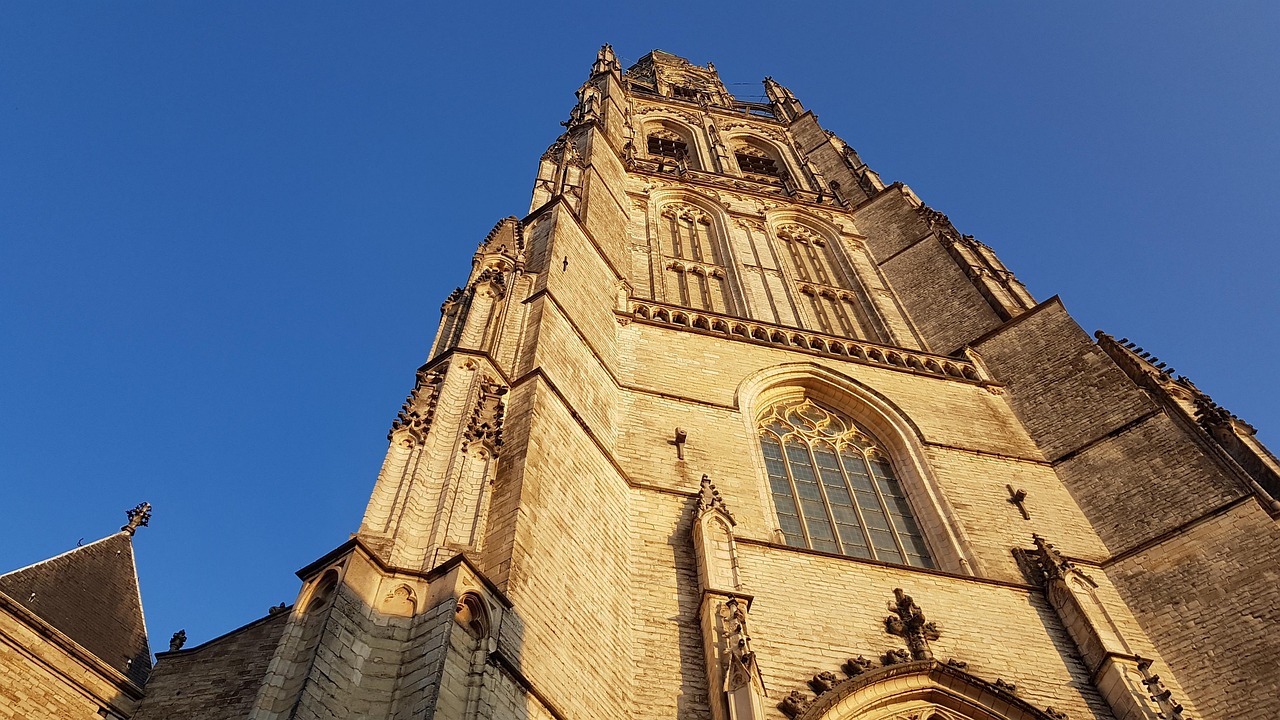

Breda rarely features in the fast itineraries of the Netherlands. It lacks Amsterdam’s canal ring and Rotterdam’s port, yet it holds a density of heritage that becomes apparent the moment you leave the station and walk toward the center. The city, home to around 184,000 people according to available geographic data, is the capital of the western part of North Brabant and one of those Dutch towns where design is not displayed: it is used.
Here, brick is not a nostalgic material but a construction decision that spans centuries. Understanding Breda means accepting that its identity is read in facades, in the shop windows of side streets and in the way everyday life occupies spaces that tourism has not yet saturated. This feature proposes a cultural and design-led reading, with the criteria of a responsible visitor.
A city explained by its layout
Breda’s center is organized around the Grote Markt, the main square, where the Church of Our Lady and the town hall share the stage with café terraces. But the key lies in the streets that lead off that square: Havermarkt, Catharinastraat, Veemarktstraat. These are narrow, human-scale lanes where local commerce coexists with buildings from different eras without shouting.
First-time visitors usually look for the castle, now the Royal Military Academy, and find a moat, a bridge and architecture that cannot be freely explored inside. That limitation is a lesson: Breda is not an open stage set; it is an inhabited city. Heritage is viewed from the outside, with respect, and that conditions the experience.
Breda’s heritage is not consumed: it is crossed with the same naturalness with which locals go shopping.
Brick as a common language
The historic architecture of Brabant uses brick with a sophistication that surprises anyone who associates the material with industry. In the facades of the center you can see bond patterns, moldings and details that speak of a local building tradition adapted to soft soil and a wet climate. It is not a spectacular style, but it is coherent.
That coherence breaks, and here lies the interest, in contemporary interventions. Breda has incorporated new buildings and renovations that converse with the existing fabric without imitating it. The station, libraries, cultural spaces and some secondary squares show public design that prioritizes daily use over monumental gesture.
Public design that does not seek applause
Benches, lighting, paving and signage form a discreet but careful system. It is the kind of design you only notice when it is missing. For travelers interested in culture and design, the recommendation is to walk without headphones and look at eye level, not only at monument level.
Workshops, crafts and an economy of the small
This feature’s category is culture and design, and in Breda that translates into a network of workshops, author shops and production spaces that do not always appear in guidebooks. The city has a craft tradition linked to furniture, ceramics and printing, although today it coexists with graphic design, fashion and object studios.
It is not worth idealizing: many of these businesses are fragile and depend on rent and proximity tourism. But their presence explains why the center retains a commercial texture different from other Dutch cities. Buying in an author shop is not just an aesthetic gesture; it is an economic decision that helps keep the neighborhood from becoming an empty showcase.
- Look for workshops and shops in side streets, not only on the main square.
- Ask about the origin of objects before buying.
- Avoid peak hours and respect residents’ rest.
Water as infrastructure and as landscape
Breda sits in a region of rivers and canals, and its relationship with water is functional before it is picturesque. The Mark river and the canals around the center are part of a management system that has shaped urbanism. For visitors, this means pleasant walks, but also the need to understand that waterways are not just a photographic backdrop.
Projects to restore riverbanks and adapt to climate change are an example of responsible design that many European cities watch closely. Without technical jargon, the lesson is clear: Breda’s urban landscape is planned for the long term, not just for the tourist season.
The best way to respect Breda is to understand that its beauty results from collective decisions, not from a staged set.
What to look at in the historic center
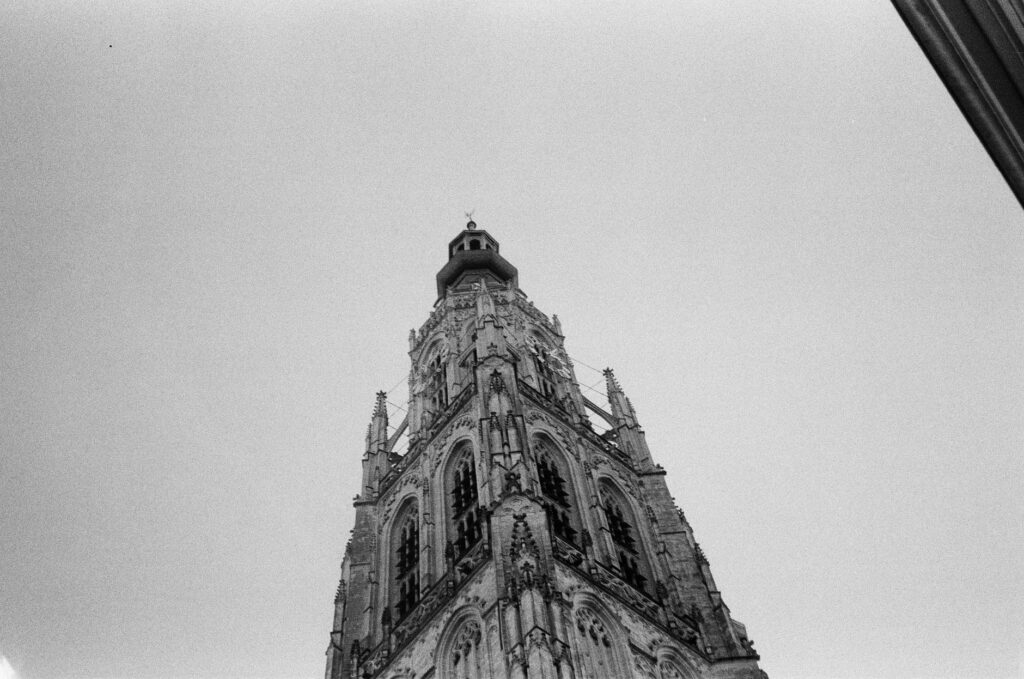
The Grote Kerk, or Church of Our Lady, is the most recognizable building. Its tower dominates the skyline and its interior, when open, allows you to read the religious and artistic history of the region. Nearby, the castle and the Begijnhof offer two different scales of heritage: the defensive and the communal.
The Begijnhof, a enclosed courtyard with small houses, is one of those places where silence is part of the appeal. Visits should be made discreetly, remembering that it is a residential space with history. It is not an open-air museum; it is a place that remains alive.
Museums and interpretation spaces
The Museum of Breda and other cultural spaces help contextualize what you see in the street. The recommendation is to alternate outside and inside: walk, enter, read, go back out. That alternation prevents monumental fatigue and allows you to understand the city as a system.
Neighborhood food and everyday life
Breda’s food scene combines Dutch market cooking with contemporary proposals. Weekly markets and neighborhood bakeries are good starting points for observing local life. There is no need to seek out the trendy restaurant: side streets often offer more honest and less crowded options.
Responsible visitors should prioritize seasonal products and locally managed establishments. In a medium-sized city, that choice has a direct impact on the center’s economy and on preserving its commercial fabric.
Heritage and tourism: the necessary balance
Breda does not suffer tourist pressure comparable to other Dutch cities, but that does not mean there are no risks. Crowding in certain streets, the loss of traditional commerce and the trivialization of heritage are real threats. Travelers can help curb them with simple decisions: visiting outside high season, avoiding peak hours and respecting coexistence rules.

It is also worth informing yourself before arriving. Official tourism sources and municipal websites offer updated data on openings, transport and events. It is not about planning everything, but about not arriving with the wrong expectations.
Practical guide
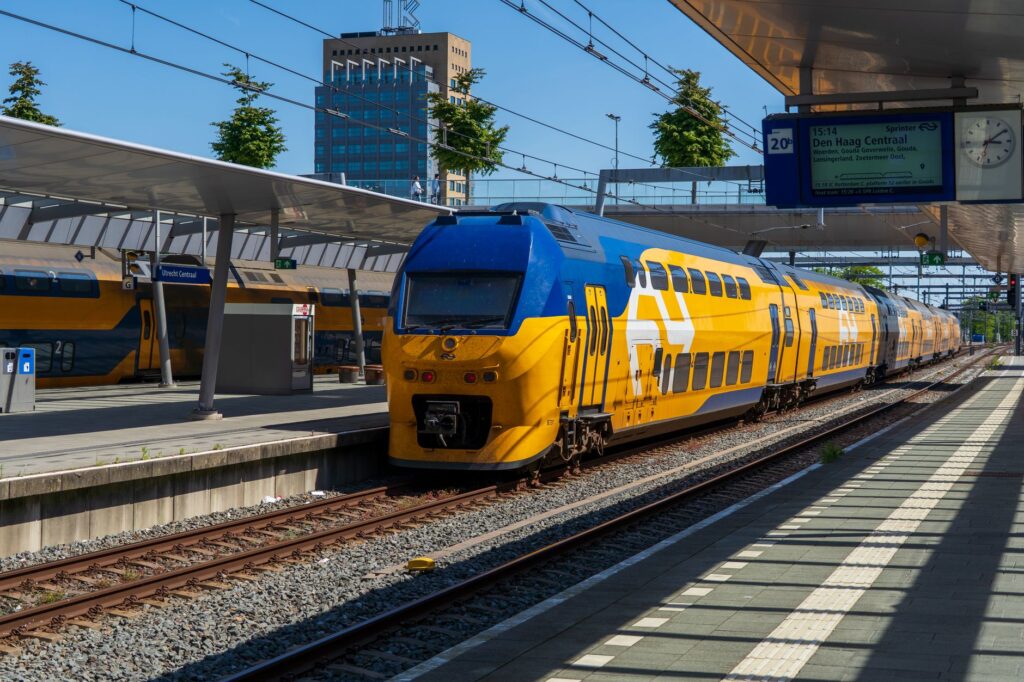
Breda is best explored on foot. The station connects to the center in a few minutes, and local public transport allows you to reach peripheral neighborhoods if you want to leave the historic circuit. Cycling is a comfortable option, as long as you respect Dutch traffic rules.
- Best time: spring and early autumn, with fewer crowds.
- Recommended duration: two days for the center and an additional day for neighborhoods and surroundings.
- Budget: variable; markets and bakeries allow you to eat well without spending much.
- Language: Dutch is the local language; English is widely spoken in tourism contexts.
- Respect: silence in courtyards and residential areas, and shop locally when possible.
The city invites slow tourism, observation and conversation. It is not a destination of grand gestures but of accumulated details. Those seeking spectacle may feel disappointed; those seeking to understand how urban identity is built will find abundant material.
A final look
At dusk, the brick facades of the center change tone and the squares fill with locals heading home. That is the moment when Breda shows its true scale: a European provincial city that has managed to keep its character without turning it into a product. Visitors who leave with that image will take away something more useful than a photograph: an idea of how heritage can be lived without being destroyed.


