
Islington, United Kingdom: The Wild Nature Finding Its Way Through London Pavement
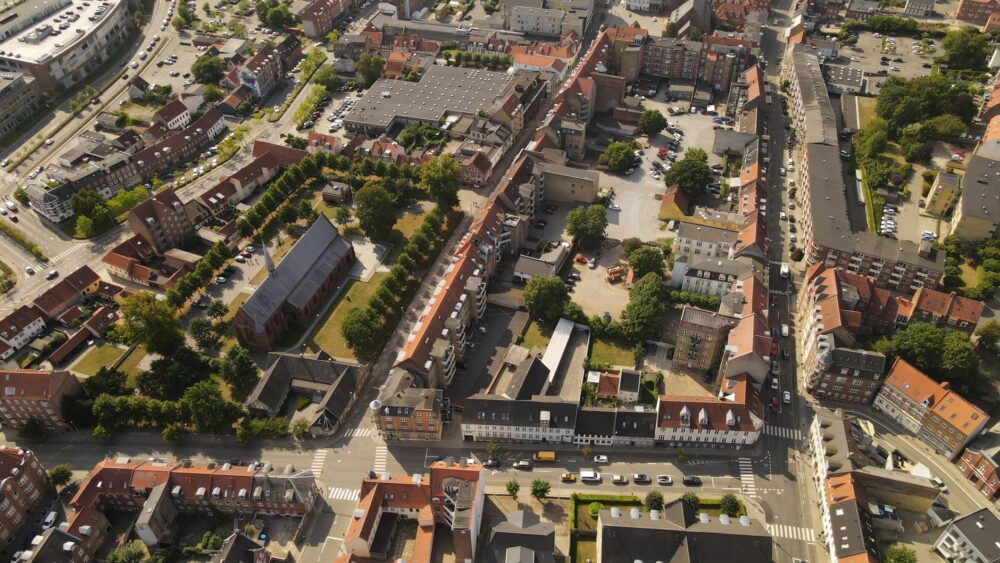
Islington is home to 319,143 people across just over six square kilometres north of central London, in the United Kingdom. It is one of the capital’s most densely built districts, with wide avenues, rows of Victorian houses and a transport network that cuts through the neighbourhood from side to side. And yet, within that urban fabric, a system of green spaces survives that functions as a discreet but real ecological infrastructure.
The question guiding this report is not whether there is nature in Islington, but how it is organised, who looks after it and how a visitor can approach it without turning it into a theme park. The answer runs through historic gardens, old cemeteries turned into wildlife refuges, the banks of the Regent’s Canal and a network of local reserves managed with conservation criteria.
A green district on the London map
Islington appears in geographical records as a third-order administrative unit within Greater London, with an average elevation of about 37 metres above sea level. That modest altitude, far from being an anecdotal detail, partly explains its history: the slightly elevated terrain relative to the Thames allowed stable settlement and, centuries later, the proliferation of private gardens that are now part of the public heritage.
The district borders Camden, Hackney and Haringey, and its urban fabric retains the imprint of the old rural estates that were built over during the Victorian expansion. Many of those private gardens were absorbed into public space or survive as enclosed squares with restricted access, creating a mosaic of fragmented habitats connected by green corridors.
Urban wildlife does not need vast expanses: it needs continuity. A well-managed garden can be as valuable as an entire park if it is connected to others.
Which species can be seen and where
Islington’s wildlife list does not include large mammals, but it does feature a remarkable diversity of birds, insects and small vertebrates. In the gardens and landscaped cemeteries it is common to see robins, blue tits, blackbirds, magpies and, in season, warblers and flycatchers. The banks of the Regent’s Canal, with riparian vegetation and slow-moving water, attract herons, mallards, coots and, in the quieter stretches, kingfishers.
Bats, especially the common pipistrelle and Daubenton’s bat, use the canal and mature trees as nocturnal hunting corridors. As for invertebrates, gardens with native flowers and late-cut meadows support populations of solitary bees, butterflies and beetles rarely seen in the city centre.
The presence of these species in such a built-up area is not accidental. It depends on the quality of the vegetation layers: mature trees provide nesting cavities and roosting sites, hedges offer cover and corridors, and flowering plants supply nectar and seeds across the seasons. A garden that looks modest from the street can hold several habitat types in a few square metres.

Landscaped cemeteries as an unexpected refuge
One of the district’s most interesting findings is the role of historic cemeteries. These spaces, with old gravestones, mature hedges and areas of less intervened vegetation, have become wildlife refuges almost without intending to. Low visitor numbers and the absence of intensive gardening favour bird nesting and the presence of insects.
Some of these grounds are managed with conservation plans that combine respect for funerary heritage with habitat improvement. Ethical observation here involves a simple rule: stay on the paths, do not step on vegetation areas and avoid noise during breeding seasons.
It is worth remembering that these are places of memory as well as habitat. A visit that treats them only as a birdwatching site misses half of what they are. Quiet, slow movement and a low voice are not merely polite; they are the conditions under which both heritage and wildlife can be appreciated.
The Regent’s Canal: an artery of water and life
The Regent’s Canal crosses Islington from west to east and acts as a first-rate ecological corridor. Its banks, landscaped in some stretches and wilder in others, shelter waterbirds and a community of riparian plants that supports invertebrates. Water quality and bank management are decisive for wildlife.
Recreational boating and walking share the space with wildlife, which requires careful coordination. Local rules on canal use and nest protection are part of the everyday landscape, and visitors must respect them without exception.
The canal is not just a walk: it is a linear habitat that connects wildlife populations isolated by asphalt.
Linear corridors of this kind matter precisely because they link otherwise isolated patches. A bird moving along the towpath can travel between gardens, cemeteries and parks without crossing wide roads at ground level, which is one reason canal-side vegetation deserves the same attention as more formal green spaces.
Historic gardens with an ecological purpose
Islington retains several gardens of historic origin that now function as public spaces. These gardens combine mature trees, formal hedges and meadow areas, and their management has incorporated biodiversity criteria: reduced pesticides, selective mowing and planting of native species. The result is a landscape that preserves its heritage value while offering resources to wildlife.
Birdwatching in these gardens is possible all year round, but the best seasons are spring and autumn, when migration adds passing species. It is advisable to bring binoculars and avoid the central hours of the day in summer.
Beyond birds, these gardens are useful for learning to read a landscape. A hedge that is trimmed on one side and left loose on the other, a patch of longer grass at the base of a tree, a pile of leaves left in a corner: these small decisions reveal how a garden is being managed and what kind of wildlife it is likely to support.
Local conservation work
Behind every managed green space is a network of local organisations, volunteers and municipal staff working on habitat conservation. Their tasks include monitoring nesting birds, installing nest boxes, managing meadows and removing invasive species. This work is discreet and rarely appears in travel guides, but it is what sustains the district’s biodiversity.
Visitors can contribute in several ways: respecting restricted areas, not feeding wildlife and taking part in volunteer activities when available. Urban conservation is, to a large extent, a matter of everyday habits.
It also depends on continuity. A meadow cut at the wrong moment, or a nesting site disturbed during a single season, can undo years of patient work. Understanding that rhythm helps a visitor behave not as a spectator but as someone sharing a space that others are actively caring for.
How to watch without disturbing
Ethical wildlife watching in an urban setting requires some basic precautions. Keeping a reasonable distance, not approaching nests, not touching animals and avoiding the use of sound lures are elementary rules. In Islington, it is also worth remembering that many green spaces are gardens shared with residents, so respect for neighbours’ rest is part of the visit.
Wildlife photography should be practised without flash and without altering animal behaviour. If a bird shows signs of stress, the right thing to do is step back and leave it alone.

A useful principle is to let the animal decide the distance. If it changes its behaviour because of your presence — stops feeding, moves away, gives alarm calls — you are already too close. In dense neighbourhoods, this courtesy also protects the wildlife from repeated, cumulative disturbance.
Heritage and context: from countryside to city
For centuries Islington was an area of fields and estates supplying London. Its urban transformation during the 18th and 19th centuries erased much of that rural landscape, but left a legacy of gardens and open spaces that today have added ecological value. The district’s history is, in a sense, the history of a nature that adapts to the city.
That context helps explain why Islington’s wildlife is so diverse for such a built-up space: the inheritance of gardens and the network of canals and cemeteries create a system of habitats that resists urban pressure.
Seen this way, the district is a layered landscape. Under the streets lie the traces of old field boundaries; above them, the gardens and squares of later centuries; alongside, the canal that once carried goods and now carries both people and wildlife. Reading those layers is part of understanding why conservation here is as much about memory as about ecology.
Practical guide
- When to go: spring and autumn offer the greatest bird diversity; summer is good for insects and winter for waterbirds on the canal.
- What to bring: binoculars, comfortable shoes, discreet clothing and a bird guide or identification app.
- Where to watch: historic gardens, landscaped cemeteries and the banks of the Regent’s Canal, always respecting restricted areas.
- Rules: do not feed wildlife, do not leave the paths, do not use sound lures and keep your distance from nests.
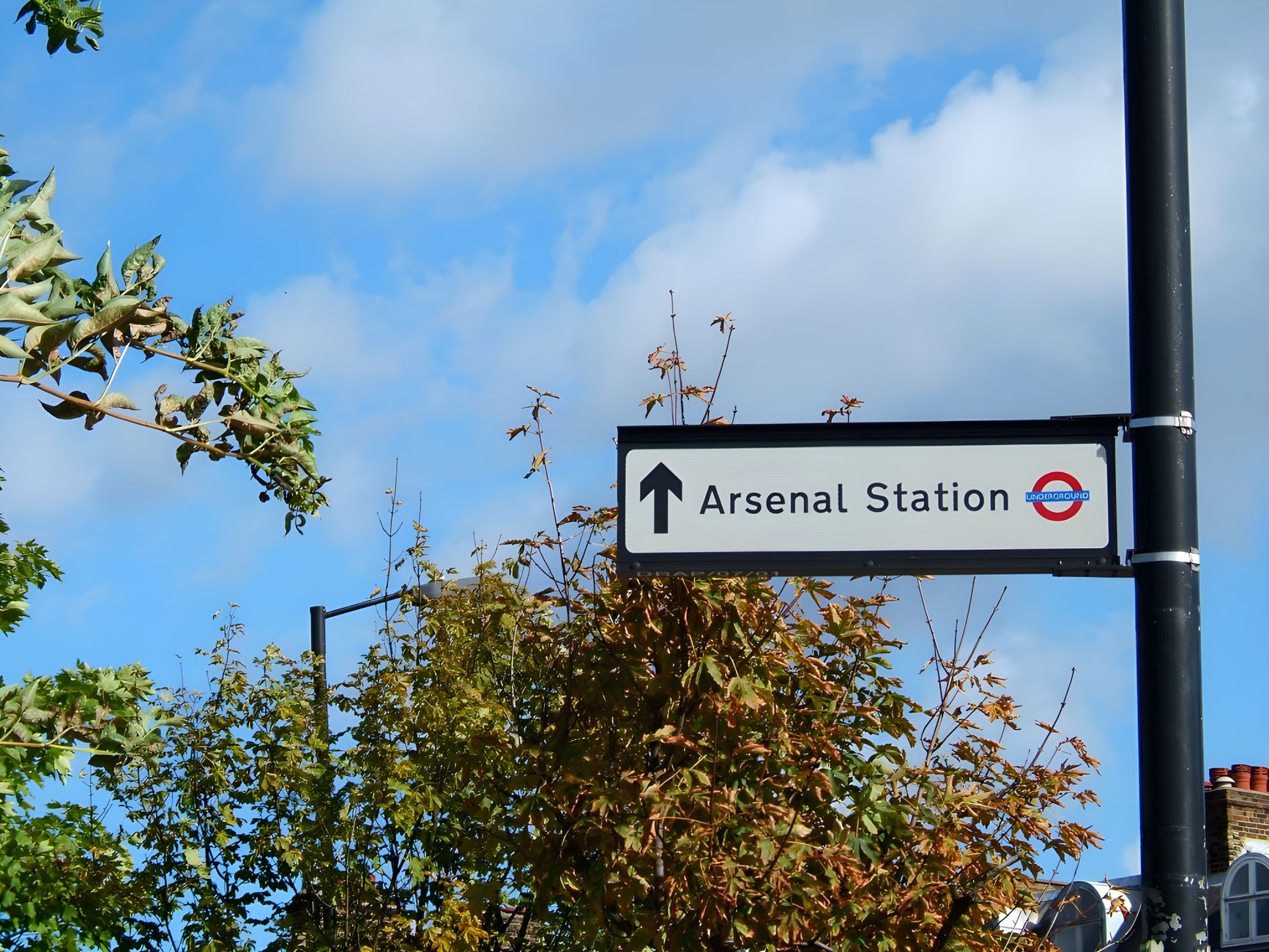
- Accessibility: the district is well connected by public transport; many green spaces are accessible on foot and some have adapted routes.
- Photography: no flash, no altering animal behaviour and respect for residents’ privacy.
These guidelines are general and apply to most urban green spaces in the United Kingdom. Local signage and site-specific rules always take precedence, so it is worth reading notices at entrances before setting off.
A closing note at the canal
At dusk, the Regent’s Canal changes pace. Narrowboats settle and waterbirds gather in the quieter stretches. It is the moment when urban wildlife reclaims the space the city yields to it each night. Watching that handover, without intervening, is perhaps the best way to understand what conserving nature in a district like Islington means: it is not about creating a wild paradise, but about maintaining the conditions for wildlife to keep finding its place among the houses and streets.