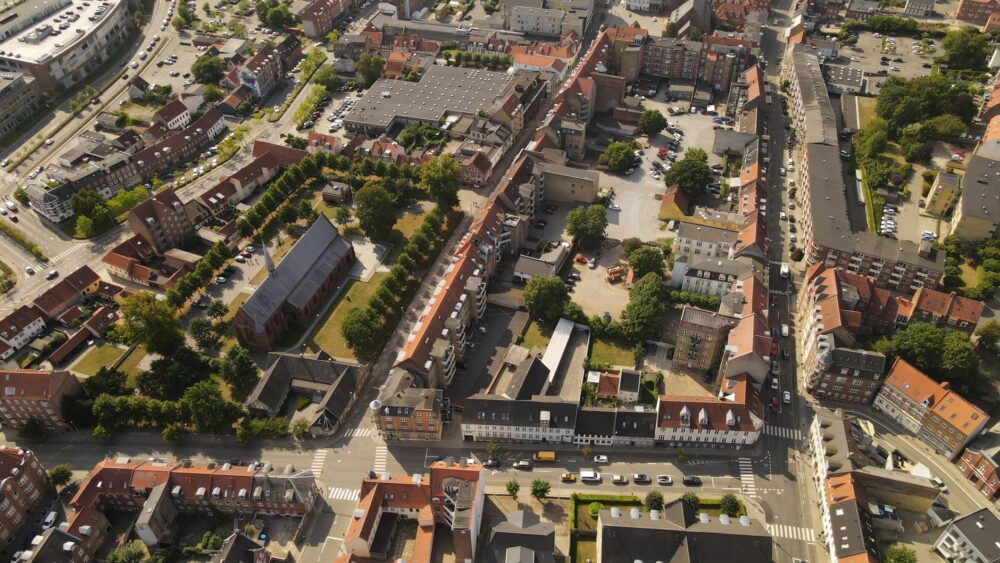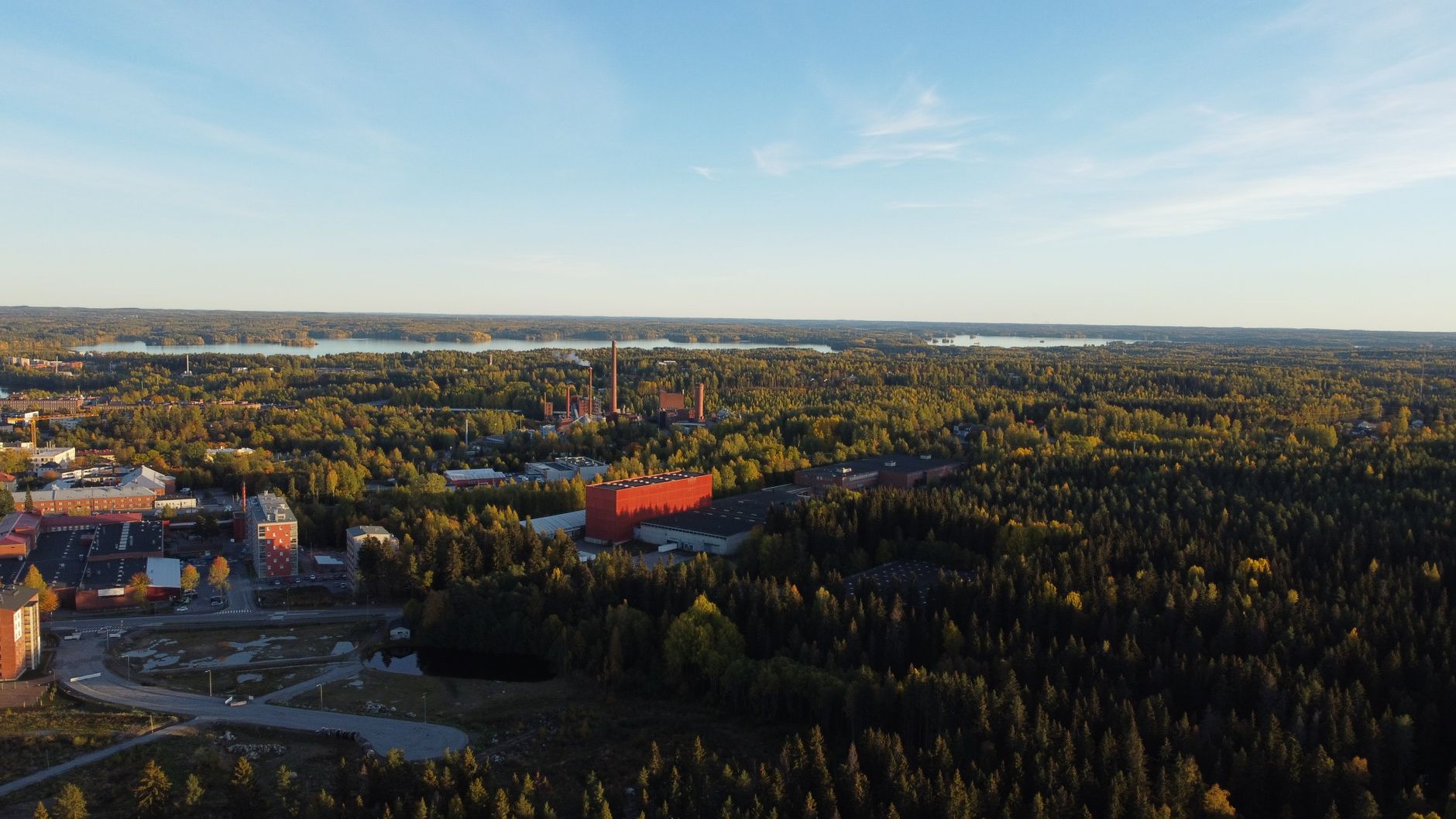

In southern Finland, roughly a hundred kilometres north of Helsinki, Hämeenlinna occupies a modest place on the map: the administrative capital of the Kanta-Häme region, with around 68,000 residents and an average elevation close to ninety metres above sea level. It is not a metropolis, nor does it try to be. Yet its approach to daily travel offers a useful lesson for any visitor hoping to understand how a mid-sized Finnish city works when winter bites and distances stretch.
The question guiding this report is concrete: how does Hämeenlinna move? The aim is not to seek out grand infrastructure but to observe the urban bus network, the central station, commutes, shopping trips and the relationship between the historic centre and the residential districts. The result is a portrait of everyday mobility that combines heritage, responsible visitor choices and a human scale rarely seen in international headlines.
A bus station as the gateway to the city
For anyone arriving in Hämeenlinna by bus from Helsinki or Tampere, the central station serves as the first point of contact. It is not a monumental building, but it is a clear landmark: long-distance lines and much of the urban transport converge there. The traveller stepping off the bus discovers that the centre is only a few minutes away on foot, and that the city is organised around a pedestrian axis linking the station with the market square and the town hall.
This proximity is one of the keys to local mobility. Hämeenlinna does not demand major transfers for short journeys: walking is a real option for much of the year, and the bus network covers the trips that feet cannot. The station, therefore, is not merely a place of transit but a piece that orders the relationship between visitor and city.
Hämeenlinna’s bus station does not seek to impress; it seeks to function. And in that modesty lies its value for anyone hoping to understand the city without rushing.
The urban bus and the logic of short distances
Hämeenlinna’s urban bus network is designed for a city that is compact yet spread out at its edges. Residential districts extend beyond the centre, and the bus covers the strip that separates daily life from services. For the visitor, the practical consequence is simple: there is no need to rent a car to move around the centre and its immediate surroundings, and urban lines allow access to places such as the medieval castle or Aulanko park without relying on taxis.
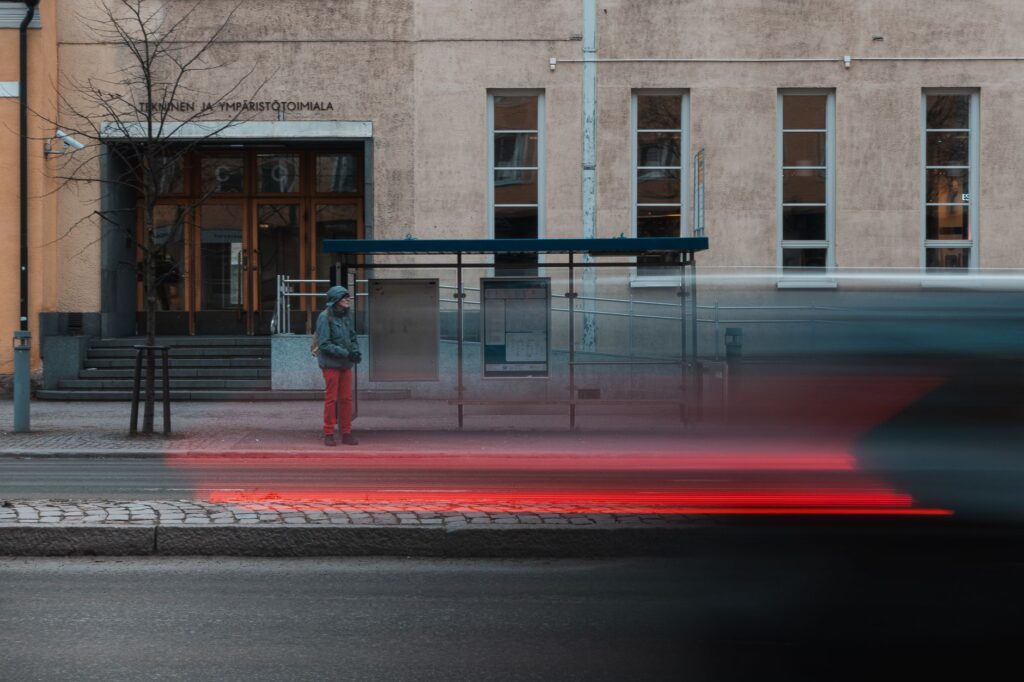
It is worth checking timetables in advance, however. In a city of this size, frequencies are not those of a capital, and the Finnish winter can alter the experience of waiting at a stop. Responsible planning — checking the local transport app, looking at the weather and calculating waiting times — is part of the journey as much as the destination.

The castle and heritage as the axes of a walk
Häme Castle, a medieval red-brick fortress beside Lake Vanajavesi, is the city’s main historical reference. Its presence partly explains the layout of the centre: the city grew around a defensive structure that is now visited as a museum and that anchors a heritage walk easily accessible on foot from the station.
For travellers interested in history, the natural route is to head down from the station towards the lake, follow the shore and approach the castle. It is a short walk, suitable for almost anyone, and it reveals how heritage is woven into daily life: the people of Hämeenlinna do not turn their backs on their castle but pass through it as part of the urban landscape. That coexistence of the historic and the everyday is one of the traits that define local identity.
Aulanko and the green lung north of the centre
North of the centre, Aulanko national park offers forests, viewpoints and a natural setting that is part of the Finnish imagination. Reaching it without a car is possible but requires some planning: the bus or a longer walk can bring visitors closer, and they must decide how much time to devote to the journey versus their stay in the park.

This decision is representative of mobility in Hämeenlinna: the city offers no instant solutions, but it does offer reasonable alternatives for those who accept the local pace. The result is a more unhurried experience, in which the journey becomes part of discovering the Finnish landscape.
Moving around Hämeenlinna means accepting that distances are measured in time and weather, not only in kilometres.
Daily life in the residential districts
Beyond the centre, Hämeenlinna’s residential districts reveal a city built on routines: the bus that carries people to work, the local supermarket shop, the school and the health centre. For visitors wanting to understand the city beyond its monuments, a walk through these districts offers a different perspective, closer to real life than to the tourist postcard.
Public transport here serves a social function as well as a logistical one: it connects older people, students and workers with services in the centre. Watching how buses fill and empty at particular hours is a way of reading the city, of understanding its rhythms and priorities.

Getting around in winter: the real test of local transport
The Finnish winter transforms the experience of moving around. Snow, ice and reduced daylight shape journeys on foot and by bicycle, and make the bus more important as the main option. For the traveller, the advice is clear: suitable footwear, layers of clothing and a prior check of weather conditions before heading out.
The city is prepared for these conditions, but individual planning remains essential. In Hämeenlinna, as in much of Finland, the punctuality of public transport and the maintenance of pavements are part of a civic culture that visitors would do well to respect.
Responsible choices for the visitor
Hämeenlinna invites small-scale tourism, in which individual decisions have a visible impact. Choosing public transport, walking whenever possible and avoiding unnecessary car journeys are gestures that fit the character of the city and the way its residents understand mobility.

It is also worth remembering that local heritage is best enjoyed without rushing: the castle, the lake and Aulanko park reward those who take time to explore them calmly, and public transport, with its limited timetables, invites precisely that slower pace.
Practical guide
- Getting there: Hämeenlinna is connected by bus to Helsinki and Tampere; the central station is a short walk from the centre.
- Getting around: the urban bus network covers the centre and residential districts; check timetables in advance, especially in winter.
- What to visit on foot: Häme Castle, the shore of Lake Vanajavesi and the pedestrian axis of the centre are accessible without a car.
- Day trip: Aulanko park requires transport planning; weigh journey time against time spent in the park.
- Time of year: winter shapes mobility; bring suitable footwear and warm clothing, and check weather conditions before setting out.
- Currency and services: Finland uses the euro; tourist services in the centre operate normally in season, with reduced hours in winter.
A closing moment by the lake
At the end of the day, when Finnish light turns oblique and Lake Vanajavesi mirrors the sky, Hämeenlinna shows its calmest face. The bus returning to the centre, the walk along the water and the silhouette of the castle form an image that sums up the city: small, orderly, aware of its heritage and its limits. For the traveller, the lesson is simple: understanding Hämeenlinna means accepting its scale and moving at its pace, without trying to turn it into something it is not.