
In Córdoba, Spain, heritage is not viewed from behind glass. It is walked, smelled and, above all, touched with the eyes. The Andalusian city, with its Mosque-Cathedral at its heart, is also a web of workshops where leather, wood, silver and hide still set the rhythm of the day. Here, the visitor interested in culture and art discovers that local identity is played out in small gestures: the hammer blow in a silversmith’s workshop, the smell of tanning in a tannery, the stroke of an artisan drawing a filigree.
This report proposes a different reading of Córdoba: not the one of hurried postcards, but the one of the trades that have shaped its urban landscape and its daily life. A route that invites you to look twice, to ask before buying and to understand that every handmade object holds a story worth telling.
A historic centre best explored on foot and without haste
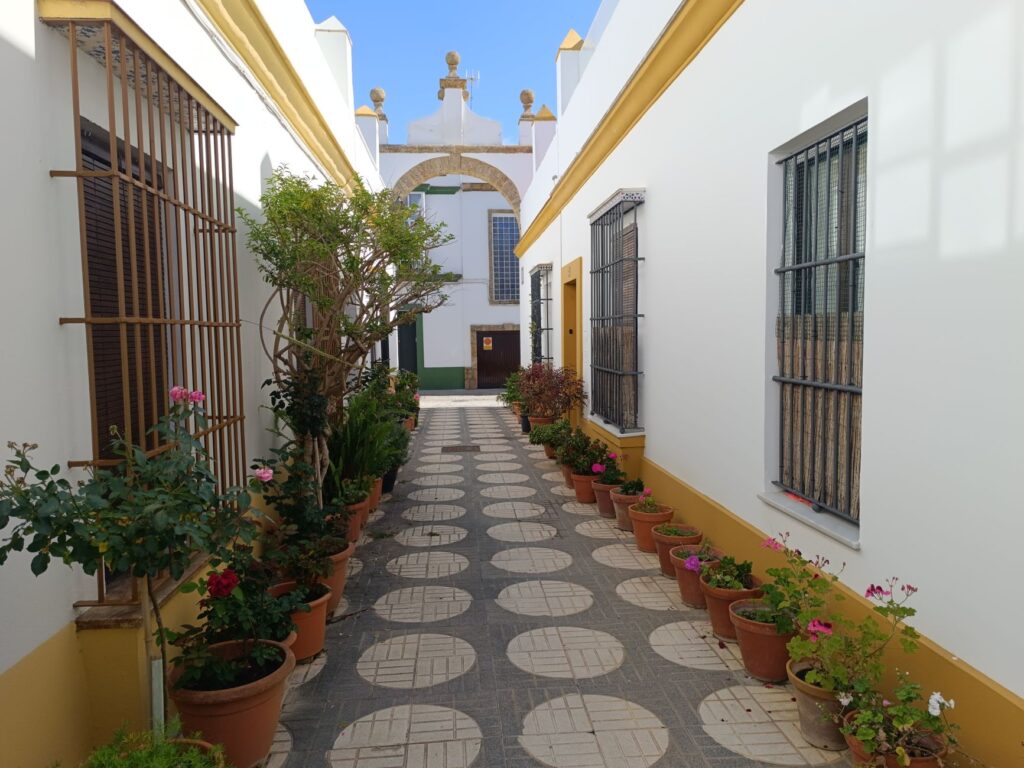
Córdoba’s historic centre, a UNESCO World Heritage Site, is a maze of narrow streets, whitewashed courtyards and quiet squares. Exploring it without a rigid map is the best way to find the workshops that still survive on the ground floors of old buildings. The Jewish Quarter, with its winding network of alleys, concentrates much of the craft activity, although there are also spaces around the Mosque-Cathedral and in neighbourhoods such as San Basilio, where courtyards open to visitors at certain times of the year.
The scale of the centre invites walking. The traveller can start at the Puerta del Puente, cross the Guadalquivir River and enter the old city. Along the way, whitewashed facades and wrought-iron grilles anticipate the kind of craft cultivated behind closed doors: silversmithing, ceramics, leatherwork and woodwork.
Córdoba’s craft is not an ornament for tourism: it is a system of knowledge passed down from generation to generation and now seeking its place in a global market.
Silversmithing: silver threads that tell a story
Córdoba has been a centre of goldsmithing for centuries. The tradition of silversmithing, linked partly to the Andalusian heritage and later to the demands of religious brotherhoods, is still alive in workshops where metal is worked with techniques that have barely changed. Filigree, that delicate web of silver threads that seems to float, is one of the city’s hallmarks.
Interested visitors can find workshops that open their doors to the public and explain the process: from the melting of the metal to the manual braiding of the threads. This is not a demonstration for tourists, but a trade practised daily that demands years of learning. Buying a piece of filigree means taking home a fragment of that history, but it is also a responsible decision: it is worth asking about the origin of the materials and the conditions in which it was made.
Leather and hide: the legacy of the tanneries
The San Andrés neighbourhood and its surroundings are home to tanning and leather workshops rooted in the city’s craft tradition. Leatherwork, historically used for bookbinding, footwear and harness-making, has found a space for continuity in Córdoba. Artisans combine traditional techniques with contemporary designs, allowing visitors to acquire unique and functional pieces.
A walk through these streets reveals the unmistakable smell of tanning and the sound of sewing machines. Many workshops are family-run and maintain a direct relationship with the customer. Buying a piece of Córdoba leather can be an act of support for the local economy if chosen wisely: asking about the process, the origin of the hide and the durability of the product is a way of valuing artisan work.
Ceramics: clay, glaze and memory
Ceramics is another discipline that has left its mark on Córdoba. Although the city is not as well known for this activity as other Andalusian centres, there are workshops that recover historical techniques and apply them to everyday pieces. Handmade tiles, tableware and decorative objects reflect the fusion of cultural influences that characterises the city.
Visiting a ceramics workshop allows you to understand the complete process: from modelling the clay to firing it in the kiln. Visitors can find unique pieces and also commission personalised work, always respecting the artisan’s timings. Córdoba ceramics does not compete with industrial production; its value lies in its irregularity and the mark of the maker.
Wood and furniture: a cabinetmaking tradition
Cabinetmaking is another trade that has endured in Córdoba. Workshops specialising in furniture restoration and the creation of new pieces keep alive a know-how that requires patience and precision. Woodwork, often combined with marquetry techniques, connects with the Andalusian craft heritage.

Some of these workshops are located on industrial estates on the outskirts of the centre, but there are also spaces in the historic centre that open to the public. A visit to a cabinetmaker’s workshop is a lesson in geometry and respect for the material. Córdoba’s artisan furniture is distinguished by its solidity and careful finish, and can be an alternative to mass-produced furniture.
Courtyards: stages for life and art
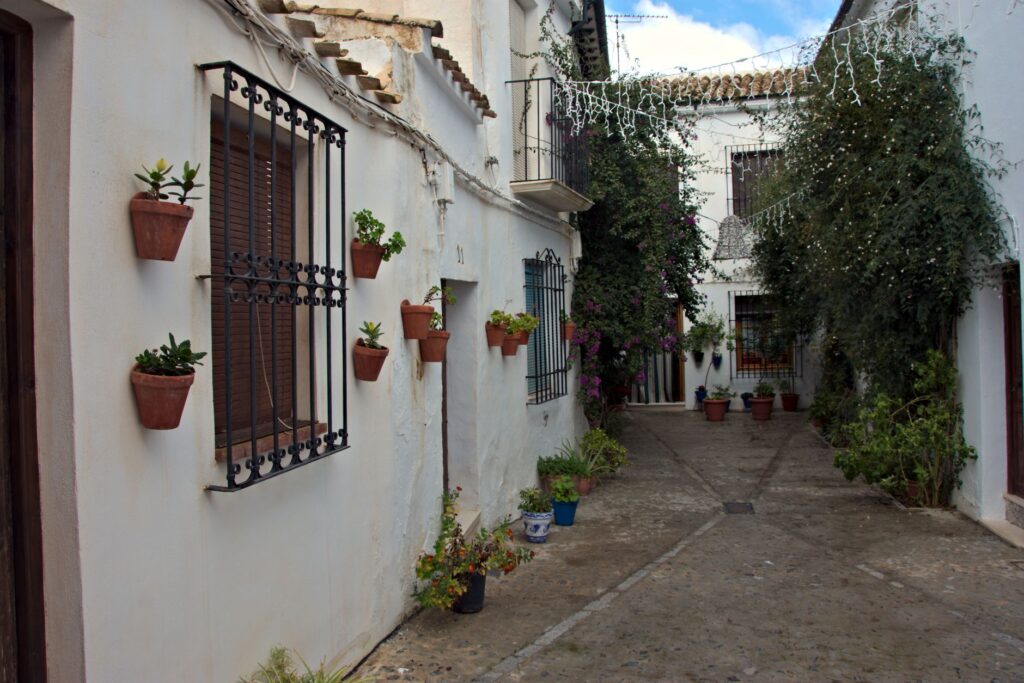
Córdoba’s courtyards are much more than a tourist attraction. They are private spaces that open to the public on certain dates and reflect a way of understanding domestic life: the care of plants, the whitewashing of walls, the arrangement of flowerpots. The Courtyards Festival, declared Intangible Cultural Heritage of Humanity by UNESCO, is the high point, but visitors can find courtyards open throughout the year in the San Basilio neighbourhood and other areas.
Walking through the courtyards is also a way of approaching the craft of water and gardening. Córdoba’s courtyards are an example of how heritage can be everyday and shared, and their visit should be made with respect for the neighbours who live there.
The Mosque-Cathedral: the framework that explains everything
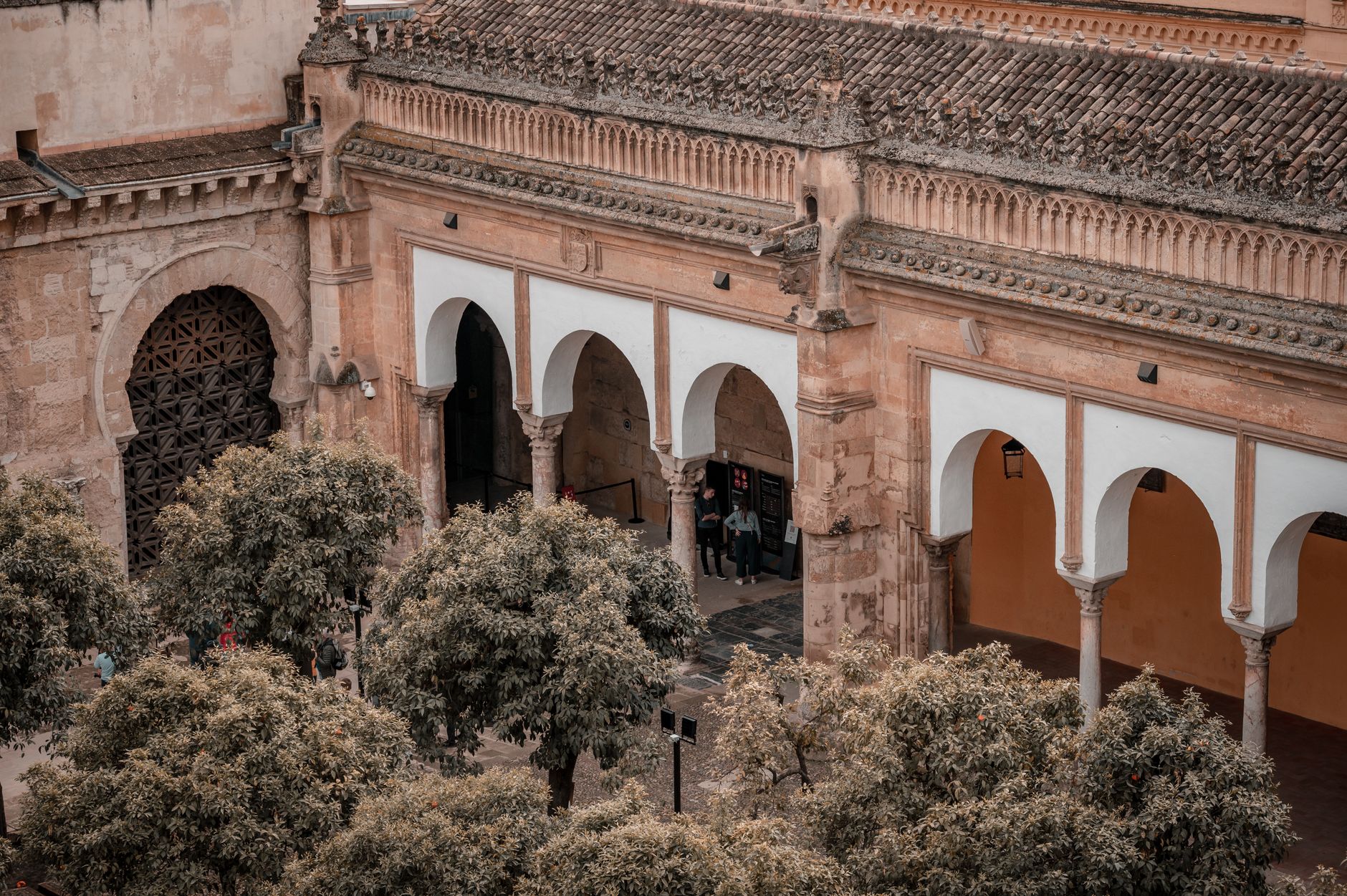
The Mosque-Cathedral of Córdoba is the city’s most visited monument and an exceptional testimony to the layering of cultures. Its forest of columns and arches, its mihrab and its later transformation into a Christian cathedral make it a unique place. The visit requires time and attention, and it is advisable to avoid the busiest hours in order to appreciate the details.
The monument is not just an object of contemplation: it is also a space that has influenced local craft. Its decorative motifs, geometries and materials have inspired generations of artisans. Understanding the Mosque-Cathedral means understanding the cultural substrate from which Córdoba’s workshops draw.
A responsible decision: how to buy craft in Córdoba
Cultural tourism poses a dilemma: how to enjoy heritage without contributing to its trivialisation. In Córdoba, visitors can choose to buy directly from workshops, ask about the production process and avoid industrial souvenirs that imitate artisan techniques. Choosing a handmade piece is also choosing a model of city that values its trades.
Some useful questions before buying: who made this piece? What materials were used? How long did it take to make? The answers are not always visible on a label, but direct contact with the artisan allows you to obtain them.
Practical guide
Getting there: Córdoba has a high-speed train station (AVE) connecting it with Madrid and Seville in just over an hour. The nearest airport is Seville, about 130 kilometres away, although it is also possible to arrive from Madrid by train.
When to go: Spring and autumn are the most pleasant seasons in terms of temperature. The Courtyards Festival in May attracts many visitors, so it is advisable to book accommodation in advance. Summers can be very hot.
Where to get information: The Córdoba Tourist Office offers maps and leaflets on craft routes. There are also artisan associations that organise workshop visits.
What to visit: In addition to the Mosque-Cathedral, the Alcázar de los Reyes Cristianos, the Jewish Quarter and the courtyards of San Basilio. Those interested in craft should stroll through the streets around the Mosque and the San Andrés neighbourhood.

Buying tips: Prioritise workshops with their own production, ask about the origin of materials and avoid industrial imitations. The price of an artisan piece reflects the working time and the quality of the materials.
Respect for heritage: When visiting private courtyards, remember that they are inhabited homes. Keep your voice low and do not enter spaces that are not signposted.
A closing thought: looking differently
At dusk, when the light turns golden on the stones of the Mosque, Córdoba reveals its other dimension: that of a city that has managed to preserve its trades without turning them into a theme park. The visitor who takes home a piece of filigree, a leather object or handmade ceramics is not just taking home a souvenir: they are taking home a part of the memory of those who continue to work matter with their hands.
The next time you walk down a Córdoba street, stop in front of a workshop. Watch how the artisan works. Ask. That is the best way to understand a city that, like its objects, is discovered by touch.