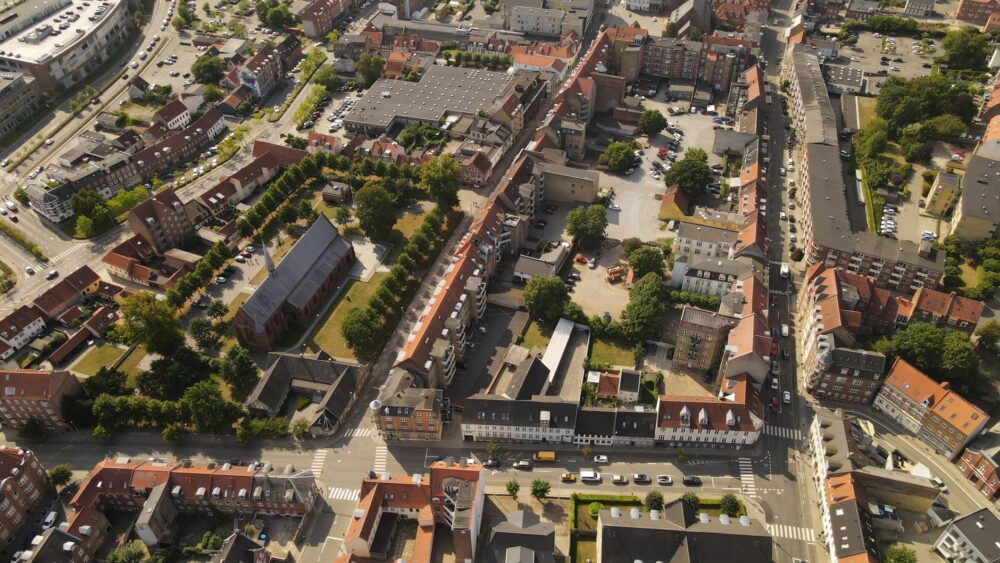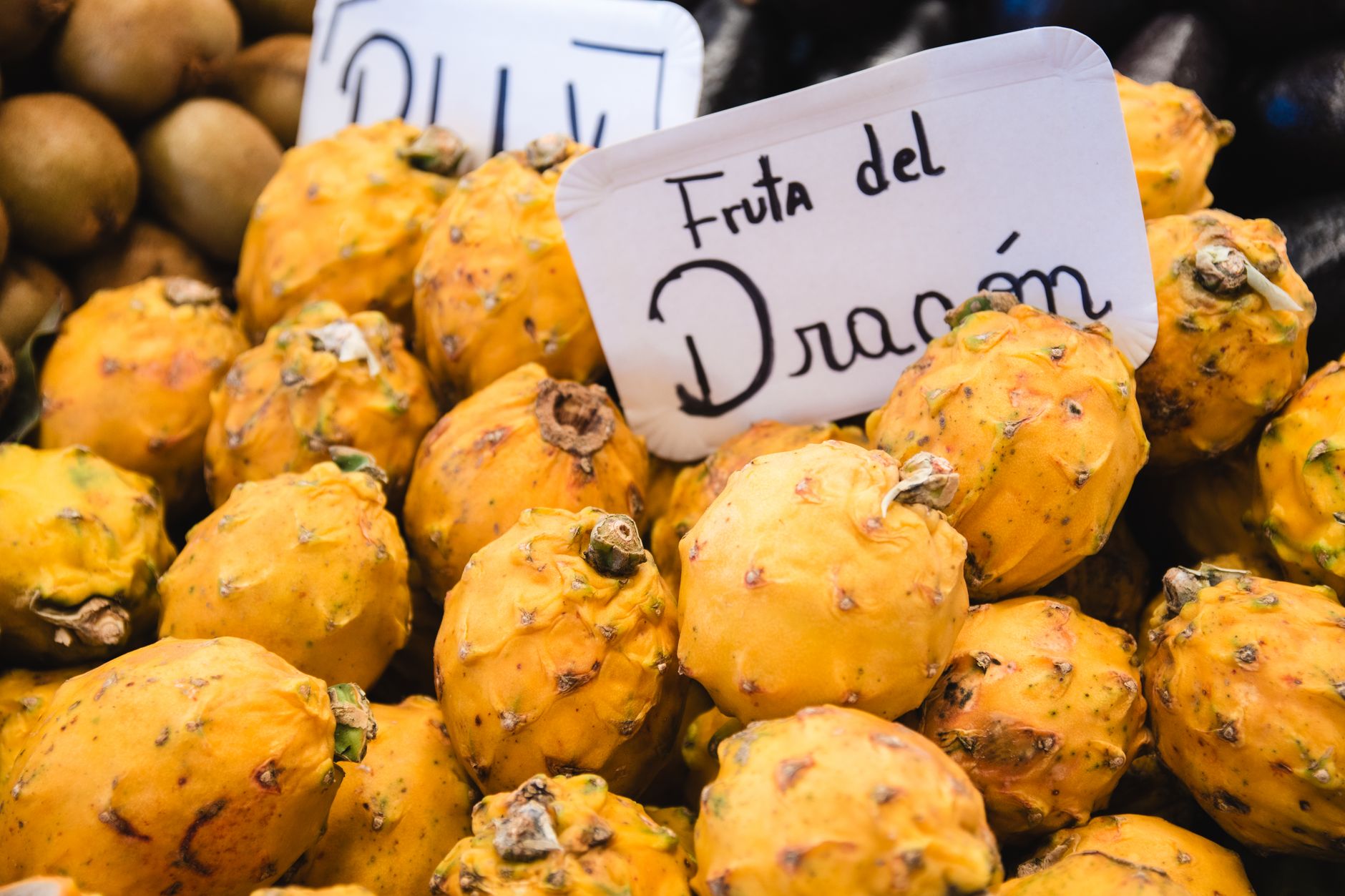

Chillán is a provincial city that needs no fuss to talk about food. The capital of Chile’s Ñuble Region, in the country’s south-central heartland, lives among rivers, irrigated fields and a market culture that has organised the way its people shop, cook and share a table for decades. Here gastronomy is not a spectacle for visitors: it is a routine repeated every morning among sacks of beans, baskets of eggs and loaves cooling on wooden counters.
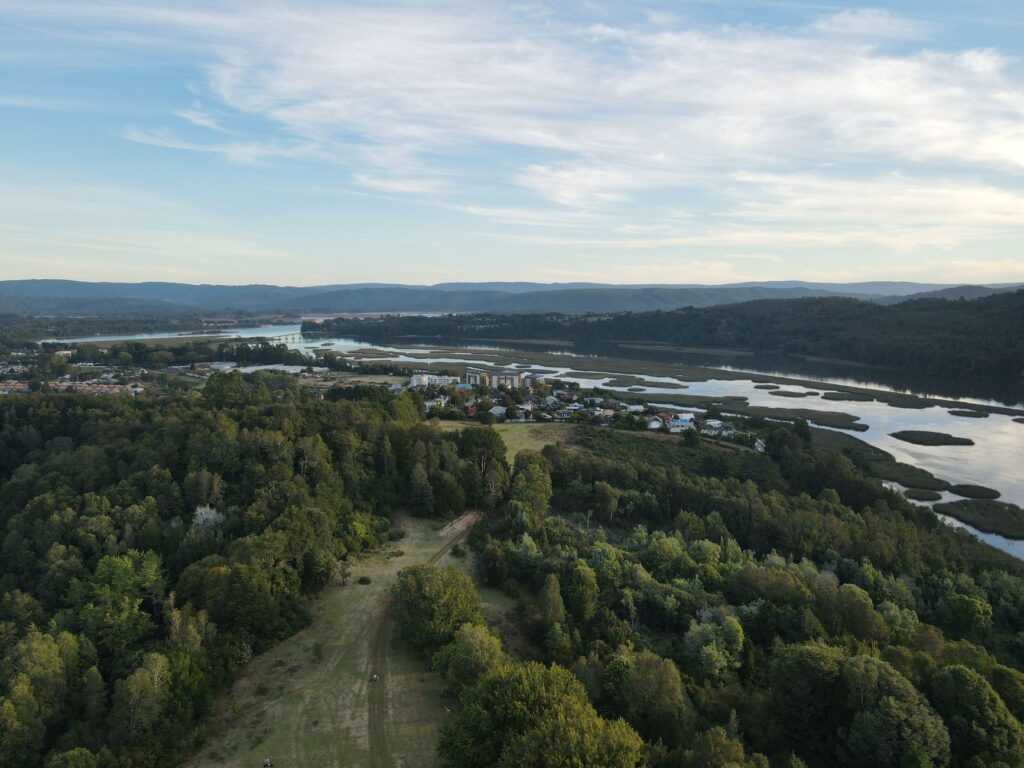
To understand Chillán through its plate, you have to look outward, to the territory that feeds it. The province combines volcanic soils, lowland meadows and small-scale farming that supplies the city with pulses, grains, vegetables and seasonal fruit. That nearby pantry explains why local cooking leans on what is available and what keeps, and why a curious visitor finds an honest table, free of artifice, where the product leads.
A city that supplies itself
Chillán is neither a port nor a major export hub. Its cooking is defined precisely by that domestic scale. The city’s markets and street fairs act as hinges between countryside and pot: beans, chickpeas, wheat, potatoes and garden vegetables arrive there and later appear on everyday plates.
The closeness has visible consequences. Pulses, for instance, are not a minor side dish but a backbone of regional eating: slow-cooked stews, served with rice or bread, and stored dry for the months when the garden rests. A visitor arriving in winter will read Ñuble’s cooking better by thinking of pantries than of display cases.
Chillán’s table is explained by what the land stores, not by what the city displays.
It is worth remembering that the region has suffered earthquakes that reshaped its architecture and street plan. Reconstruction left a low-rise city with wide streets and commercial life concentrated along a few axes. That material history also shapes how people eat: in houses with generous kitchens, in neighbourhood eateries and in stalls where the exchange matters as much as the product.
The market as a visitor’s compass
For a first-time visitor, the market is the best starting point. No exhaustive guide is needed: walk the aisles and notice what is sold in piles and what is sold by the unit. Open sacks of pulses, bunches of herbs, trays of fresh cheese and stacked loaves tell the province’s food story better than any brochure.
The market also sets its own hours. Mornings are the busiest stretch; by midday, many stalls begin packing up. Planning an early visit is not just practical advice: it is the way to see the system at work, with producers and regular buyers still in their routine.
- Start with the pulse and grain aisles to grasp the local pantry.
- Ask about the season before buying fruit or vegetables.
- Watch how goods are weighed and wrapped: it is part of stall culture.
- Keep cash for small purchases and neighbourhood fairs.
There is a stall ethic worth respecting: don’t haggle as a habit, don’t photograph people without asking, and don’t treat the place as a set. The market is a workplace, and courtesy is the best currency.
Bread, ovens and the memory of wheat
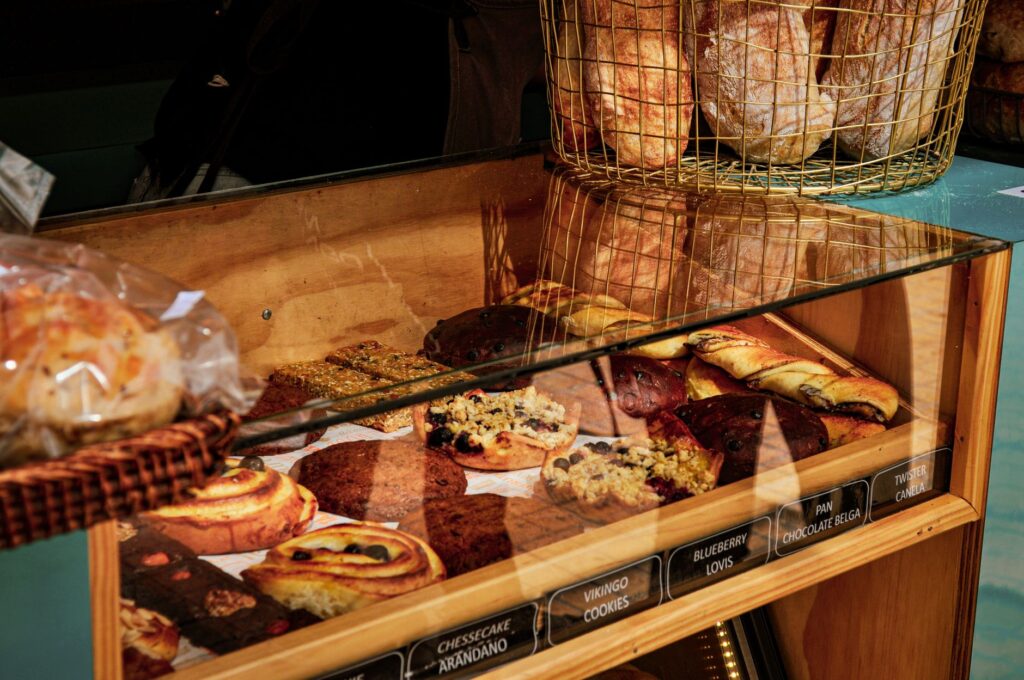
Chillán shares with much of central Chile a bread culture that goes beyond accompaniment. Hand-kneaded loaves, hallullas and other oven-baked pieces are part of the everyday landscape: bought daily, served with eggs or cheese, and sustaining breakfast and the late-afternoon once for many families.
The area’s wheat tradition is not folklore: it is economy. Cereals grown in the region feed mills and bakeries that supply the city and neighbouring communes. That is why Chillán’s bread has a practical, neighbourhood-oven character, closer to subsistence than to pastry-shop display.
For the traveller, the advice is simple: buy bread where it is baked, not where it is displayed. Neighbourhood bakeries, with their early hours and paper bags, offer a direct reading of Chillán’s daily life.
The garden and the calendar of seasons
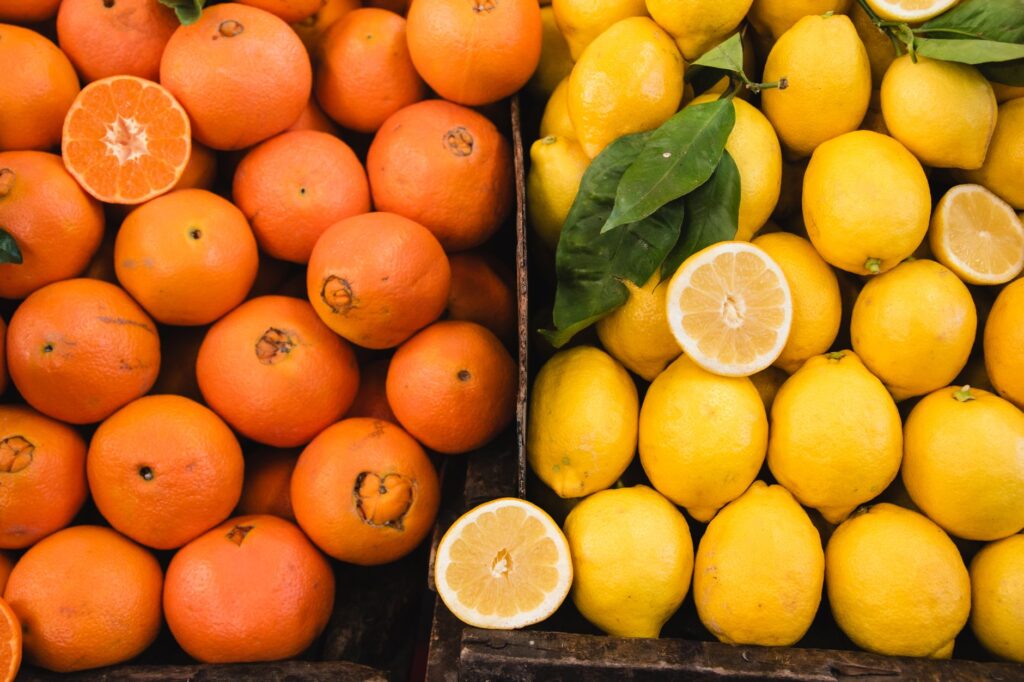
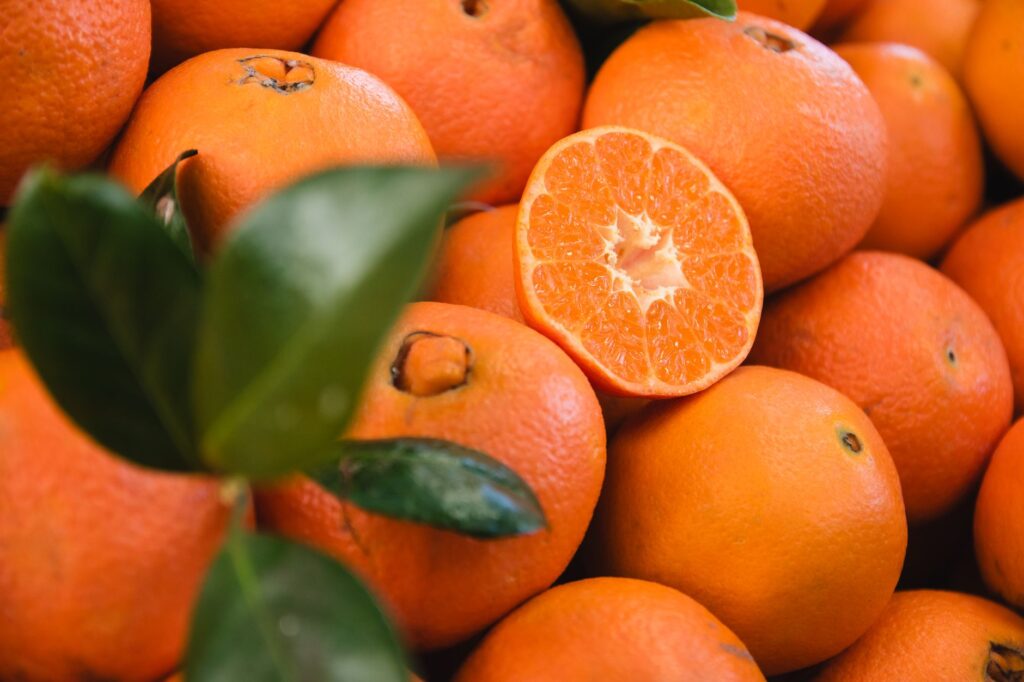
Ñuble is garden country. Family farming, with small plots and canal irrigation, produces vegetables that reach the stalls fresh and define seasonal cooking. Summer brings tomatoes, green beans and stone fruit; winter leans on the dry, the preserved and the stored.
That seasonality is a lesson for visitors. Eating in Chillán out of season often means eating what the pantry saved: pulses, potatoes, preserves and cheeses. It is not a limitation but a different way of understanding cooking, closer to the rhythm of the fields than to the whim of a menu.
In Ñuble, the agricultural calendar rules the kitchen more than any culinary fashion.
Neighbourhood street fairs play a central role here. They are exchange spaces where producers from the province meet neighbours who shop daily. Walking them slowly, without hurry and with curiosity, reveals how a mid-sized Chilean city organises its food supply.
Cheeses, preserves and the art of keeping
Chillán’s pantry is also written with fresh cheeses, home preserves and products that withstand the months. Stalls offer farm cheeses, jams and pickles that reflect a domestic culture of making the most of things.
It is best not to idealise: this is a small-scale economy, with variations in quality and no uniform certifications. A responsible visitor asks about origin, tastes before buying and favours stalls with identifiable production. That attention sustains local producers and improves the experience.
Where to look and what to ask
Farm cheeses are often sold in irregular portions; preserves come in jars of varied provenance. Asking about making, dates and storage is a way to buy with judgment and to learn about the regional pantry.
Eating in the city: eateries, holes-in-the-wall and neighbourhood tables
Chillán’s food offer concentrates in fondas, small eateries and neighbourhood restaurants where the set lunch is the norm. Dishes usually rest on pulses, meats, potatoes and bread, with generous portions and moderate prices. This is sustenance cooking, designed for work and for sharing.
A visitor seeking haute cuisine will not find it as the main axis, and that is not a defect: the city offers something else, an everyday table where local product and close treatment are the protagonists. Setting realistic expectations is part of travelling honestly.
Look for places with regular customers, short menus and clear hours. Those simple signals usually point to where cooking is done steadily and without pretence.
Heritage, memory and the visitor’s responsibility
Chillán’s food identity is crossed by its regional history: a rebuilt city, an agricultural province and a market culture that has survived changes in modern retail. Understanding that context helps value what is eaten and keeps it from being reduced to a postcard.
A responsible traveller can contribute in several ways: buying from small stalls, paying cash when needed, avoiding waste and respecting the rhythms of the place. It also helps to learn about local production before arriving, so as to choose with knowledge.
Chillán does not compete for headlines. Its cooking rests on what the land of Ñuble produces and on what its people have learned to keep. Understanding that is the best way to sit at its table.
Practical guide
The best time to visit Chillán depends on what you seek. Spring and summer offer fresh garden produce and lively fairs; autumn and winter reveal pantry cooking, with pulses, preserves and stews. The centre is walkable, and the market is the natural starting point for orientation.
- Visit markets and fairs in the morning, when activity peaks.
- Carry cash for small purchases and neighbourhood stalls.
- Ask about season and origin before buying.
- Choose eateries with regular customers and short menus.
- Respect workspaces and ask permission before photographing.
- Avoid waste: buy only what you will consume.
The area’s climate has marked seasons; bring suitable clothing and comfortable shoes for walking. Local hospitality is direct and unceremonious, and it is repaid in the same way: genuine curiosity, respectful treatment and a willingness to listen.
At the end of the journey, a simple image remains: a wooden table, freshly bought bread and a stew simmering slowly. Chillán promises no gastronomic revelation; it offers something more lasting, the certainty that a province’s cooking begins long before the plate, in the land that feeds it and the hands that keep it.