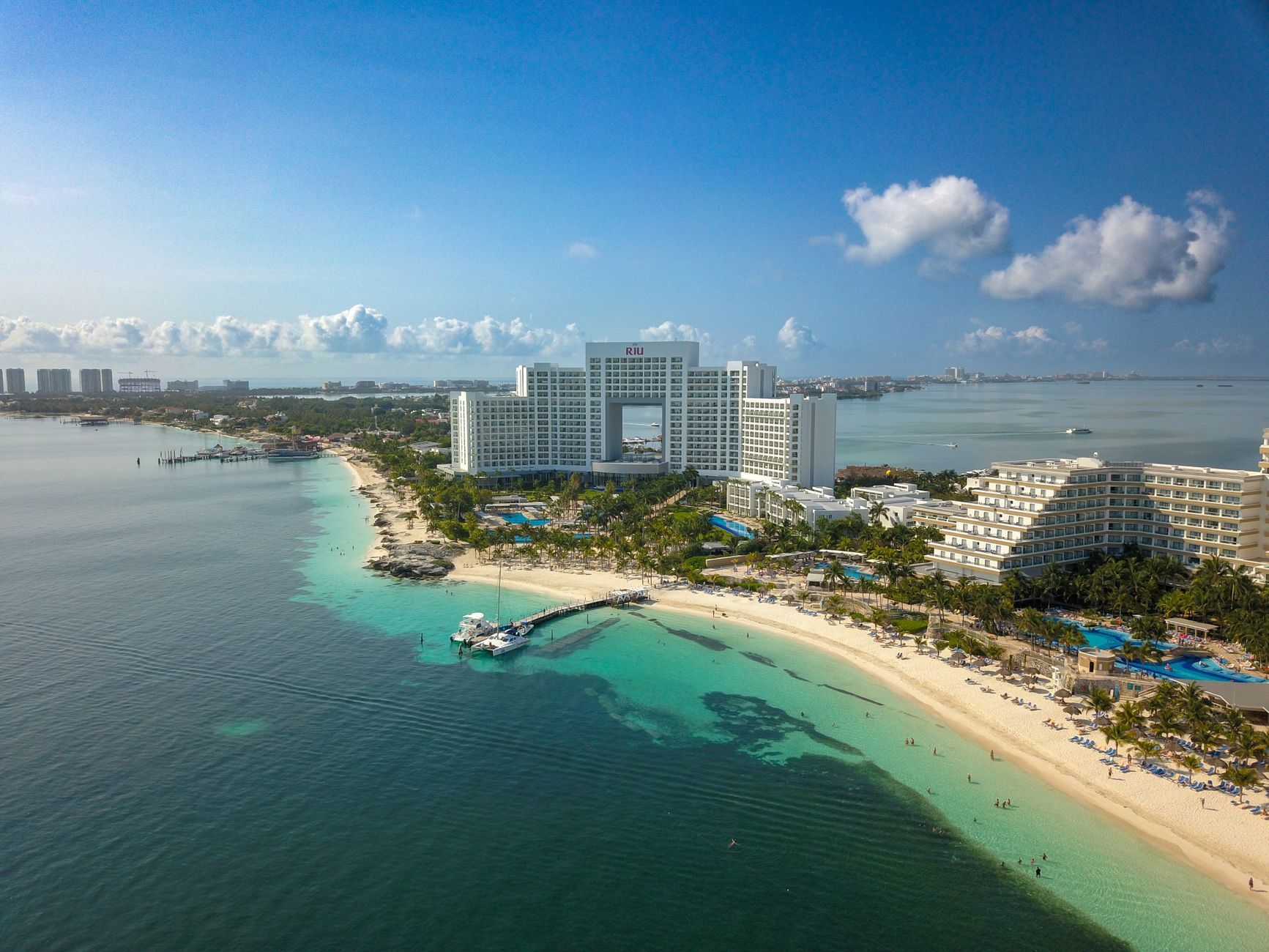

Cancún usually appears in the popular imagination as a row of towers facing the Caribbean. Yet the city that stretches inland, in the municipality of Benito Juárez, in Quintana Roo, Mexico, operates on another scale: that of its markets, its neighborhoods, its schools and its routines. Understanding that double reality is the key to visiting the destination without reducing it to a backdrop.
The Yucatán Peninsula holds a Maya memory here that did not disappear with touristic urbanization. Between avenues and lagoons, visitors can choose between fast consumption and a slower gaze, attentive to heritage and to those who live in the place all year round.
A city explained by its geography
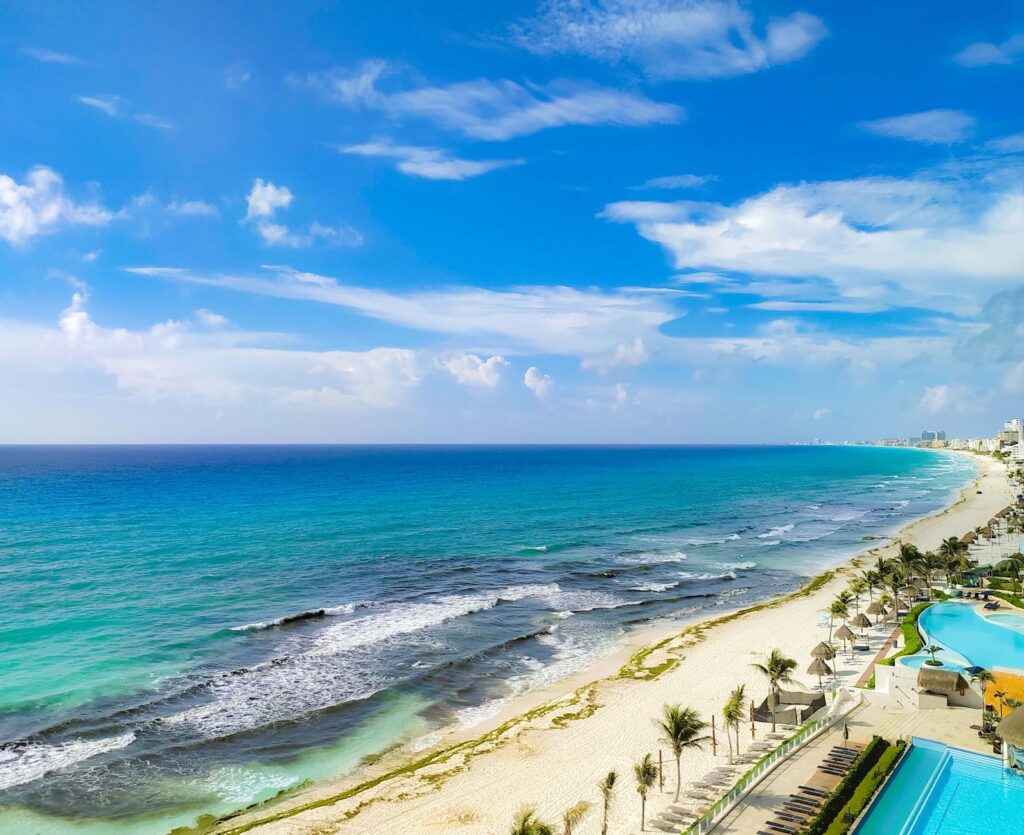
Cancún is organized into two large pieces: the island or hotel zone, elongated and oriented toward the sea, and the mainland city, where most of the population lives. Between them, the Nichupté lagoon acts as an ecological hinge. That separation is not only urbanistic: it also defines rhythms, prices and ways of inhabiting the place.
The tropical climate shapes the day. Mornings tend to be the busiest time in the streets, and afternoons invite seeking shade. That cadence, foreign to the hurried traveler’s schedule, is a good compass for anyone wanting to know the city without rushing.
It is worth remembering that Cancún is a city of recent formation within Mexican urban history. Its growth was tied to a tourism planning decision that completely transformed a stretch of coast that had previously been sparsely populated. That condition of a young city explains much of its layout, the coexistence of large complexes and residential neighborhoods, and also the mix of origins among those who came to work from different regions of the country.
Maya heritage as context, not as an excuse
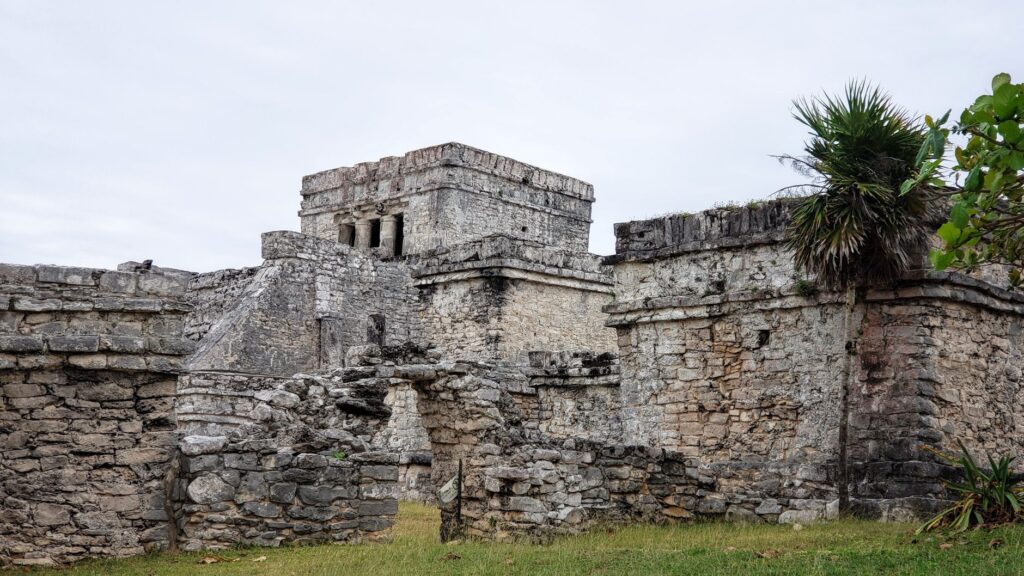
The Maya presence in the region is deep and predates any touristic development. In the surroundings of Cancún and northern Quintana Roo, archaeological sites and traditions that form part of local identity are preserved. Approaching them with respect, without treating them as mere scenery, completely changes the experience.
Responsible visitors inform themselves before arriving, respect the rules of each site and avoid practices that trivialize the culture. Heritage is not a tourist service: it is a living inheritance that belongs to those who care for it.
Yucatec Maya language still has a presence on the peninsula, and many families in the region maintain ties with communities in the interior of the state. That continuity is a reminder that Maya culture is neither a closed chapter nor a decorative motif, but a contemporary reality that coexists with tourism and, at times, depends economically on it.
The city that grew facing the sea keeps, inland, a memory that cannot be seen from the beach.
Mangroves, lagoons and a fragile balance
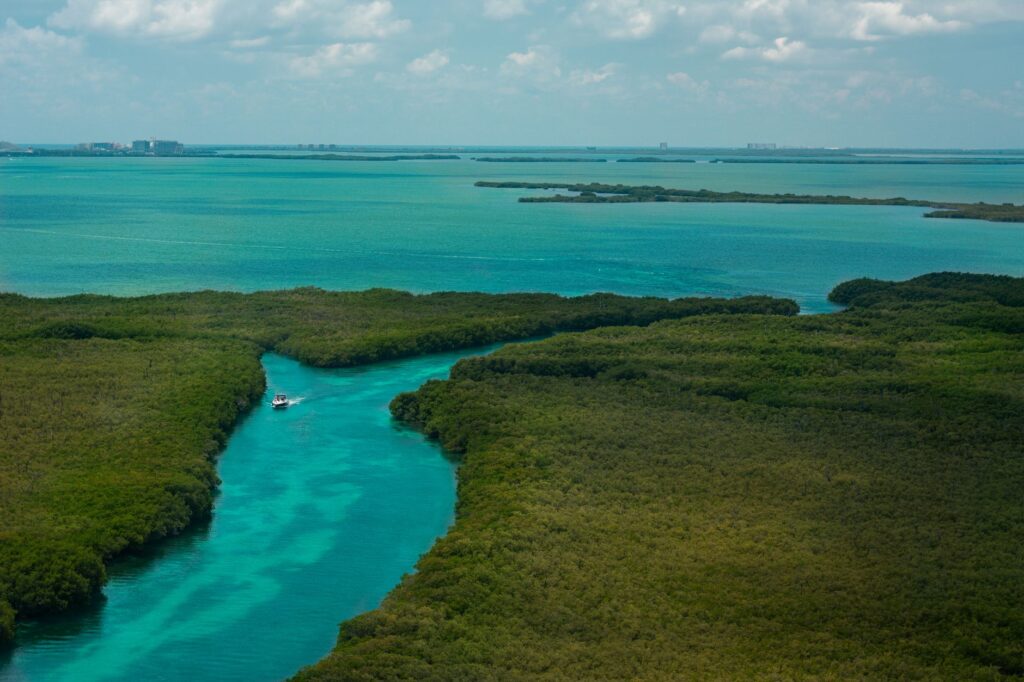
The Nichupté lagoon and the mangroves around it are one of Cancún’s great environmental assets. They serve as wildlife refuge, natural filter and buffer against weather phenomena. Their conservation is also a matter of safety for the city itself.
For travelers, the recommendation is simple: choose activities that respect these ecosystems, avoid those involving direct contact with wildlife and prefer providers that explain the environment instead of using it as an attraction.
Mangroves also fulfill a function that is barely visible to those who only visit: they sustain water quality and protect the coast against erosion. Understanding that work helps value protected natural areas not as obstacles to development, but as ecological infrastructure that benefits residents and visitors alike.
Daily life in the neighborhoods
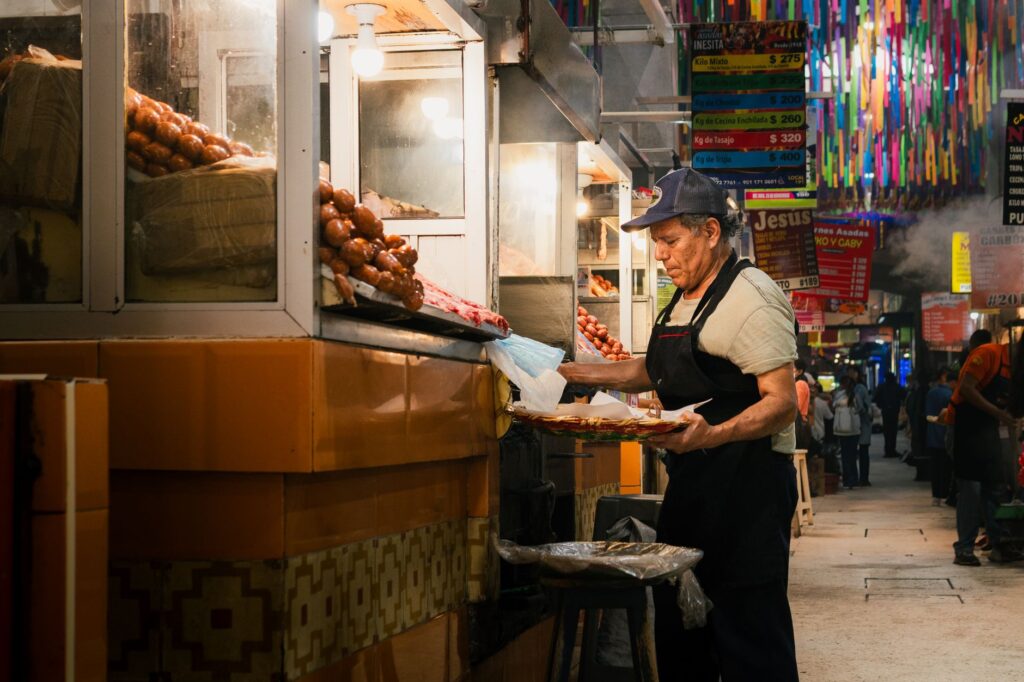
Far from the hotel strip, Cancún shows its most everyday face in markets, small eateries and streets where tourism is not the only economy. There it becomes clear that the city does not only receive visitors: it is also home to hundreds of thousands of people who work, study and raise families.
Walking those areas with respect, buying from local businesses and not invading private spaces are small gestures with a real impact. Hospitality is appreciated, but it should not be confused with permanent availability.
Cancún’s population brings together very diverse origins, and that mix is reflected in neighborhood life: accents, customs and cuisines that arrived from other parts of Mexico and settled here. For the curious visitor, that diversity is a gateway to understanding the city as a place of internal migration and work, not only as a showcase for leisure.
Flavors that tell the region’s story
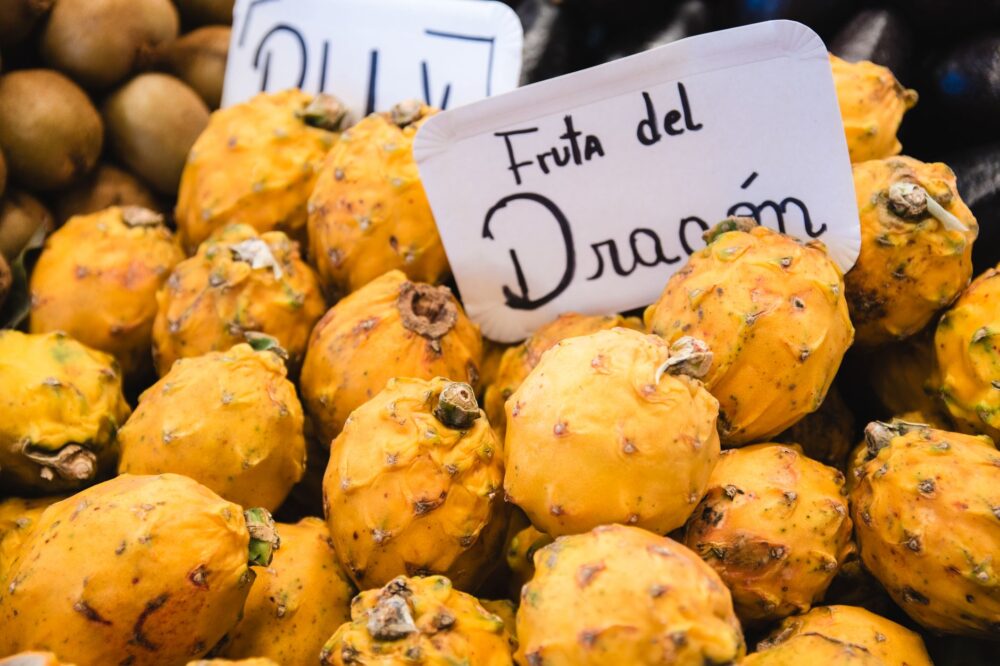
Quintana Roo’s cuisine blends Maya tradition, Caribbean influences and contributions from those who came to work in tourism development. Markets and small eateries are good places to approach that mix without intermediaries.

Rather than seeking spectacular dishes, it is worth noticing what is cooked daily: simple options, local ingredients and schedules that respond to neighborhood life. Eating where local people eat is often a more informed decision than following a promotional list.
Markets serve a double function: they supply families and act as a social meeting point. Observing without intruding, asking with courtesy and respecting turns and workspaces are concrete ways of recognizing that this place does not exist for the visitor, but for those who live there.
Getting around Cancún without losing the thread
Public transport connects the hotel zone with the mainland city, although times vary depending on the hour and traffic. Planning journeys with margin and avoiding peak hours helps ensure the trip does not depend solely on long transfers.
Walking through areas where it is possible reveals details that vehicles hide: facades, small shops, trees and conversations. The human scale still exists, even if it sometimes falls outside the usual frame.
The distance between the island and the urban center may look short on a map, but traffic conditions and heat make it advisable to calculate each journey carefully. Allowing time for transfers prevents the day from becoming a race between points and lets the journeys be enjoyed as part of the route.
Responsible choices that change the visit
Tourism is the main economic activity in the area, which turns every choice into a message. Staying in establishments with clear environmental practices, reducing plastics, saving water and respecting protected areas are concrete measures.
So is learning about the local context: knowing that Cancún is a young city, largely planned for tourism, helps understand its contrasts without judging them in advance.
Fresh water is an especially sensitive resource in a coastal region with a tropical climate. Small habits, such as reusing towels, avoiding waste at the accommodation and not leaving rubbish in natural areas, carry more weight than they seem to in an environment where the balance between development and conservation is constant.
A destination is better understood when one grasps who inhabits it, not only who visits it.
Heritage and context: what is worth knowing
Before visiting an archaeological site or a natural reserve, it is useful to learn about its history and its rules. That preparation not only enriches the experience: it also prevents inappropriate behavior, such as climbing on structures that are not enabled for access, touching pieces or leaving the marked trails.
Local communities are often the first to be interested in preserving their environment and their memory. Supporting initiatives that explain heritage rigorously, rather than shows that simplify it, is a way of backing that effort and of recognizing that knowledge of the place has legitimate owners.
Practical guide
Before traveling, it is advisable to check official information about the destination and the conditions of the sites you wish to visit. Opening hours, fees and access can change, so it is better to confirm them with updated sources rather than relying on outdated data.
- Choose accommodation and activities that declare environmental practices and respect for local communities.
- Bring sun protection, reusable water and clothing suitable for heat and humidity.
- Respect the rules of archaeological sites and protected natural areas.
- Buy from local businesses and avoid activities that exploit wildlife.
- Plan journeys with margin and check the status of roads and services.
The best time to visit depends on each traveler’s interests and on weather conditions, which vary. Checking forecasts and official recommendations before booking is part of responsible planning.
A closing by the water
At the end of the day, many people approach the shore to watch the light change. No excursion is needed to understand why this place attracts so many people. It is enough to pause, look at the horizon and remember that behind every wave there is a city that works, remembers and transforms.
That simple gesture sums up this report’s proposal: to visit Cancún with curiosity and care, knowing that the most valuable destination is not always where the gaze is pointed.