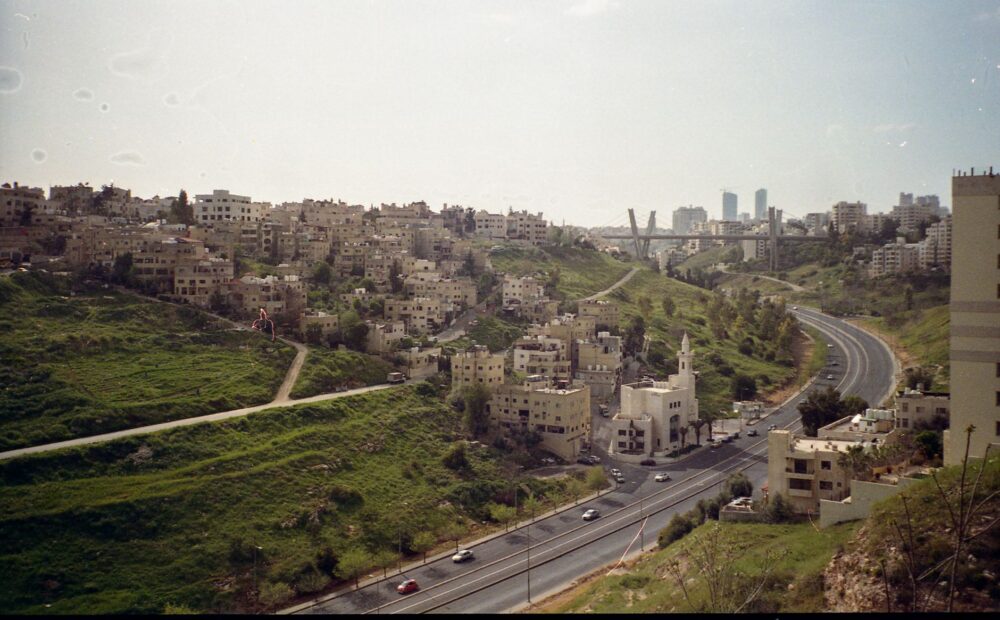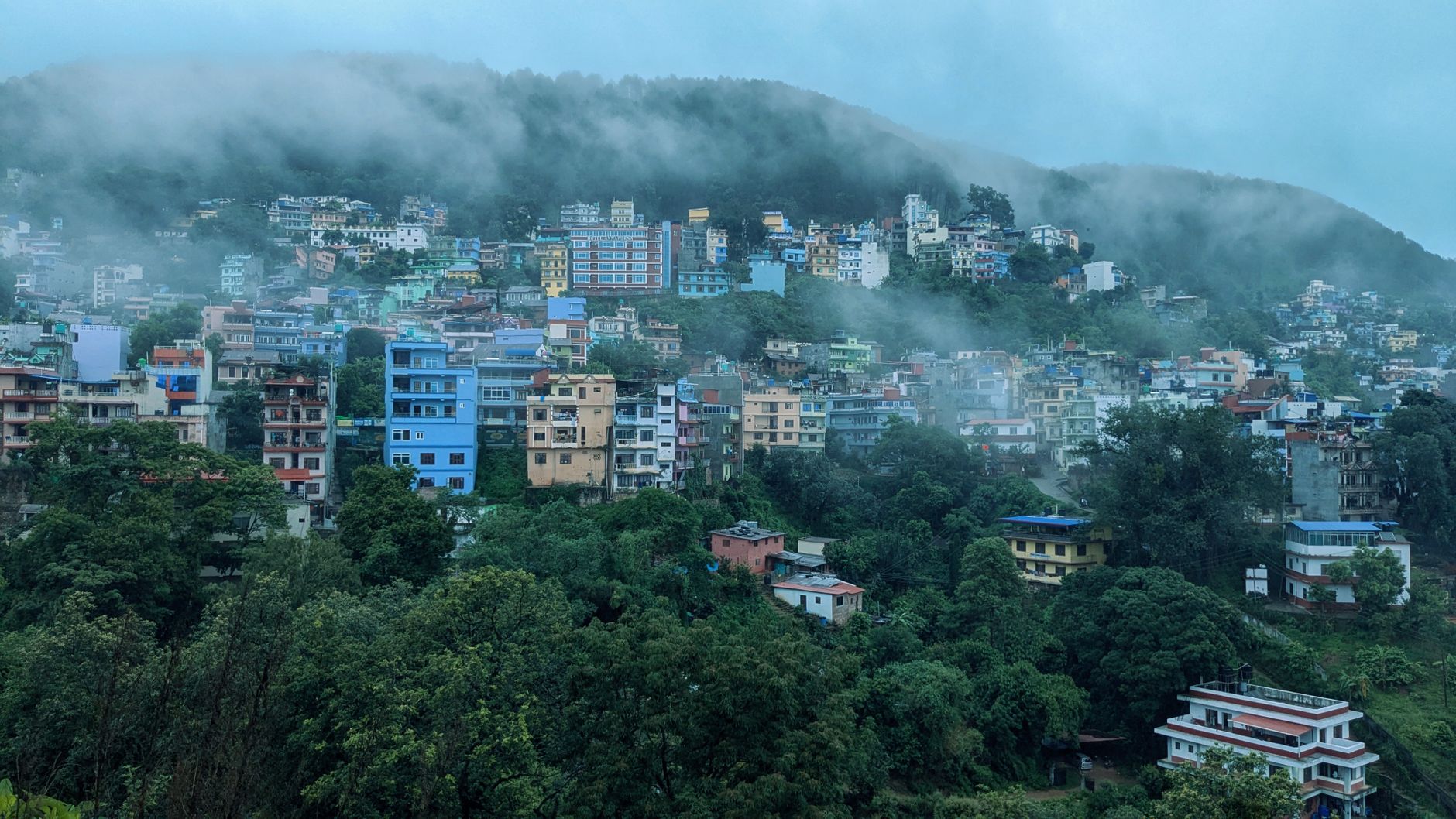

In southern Nepal, a few kilometres from the Indian border, Siddharthanagar is a city of around 63,000 people living between two stories: its own everyday life and its past, linked to the old name of Bhairahawa. There are no grand monuments dominating the skyline here, but a network of streets, markets and temples organised around a simple question: how to grow without breaking what sustains local life?
The city, the administrative seat of Rupandehi district in Lumbini Province, is a gateway to one of the most important Buddhist pilgrimage sites in the world. But Siddharthanagar does not want to be just a stopover. In its neighbourhoods, communities have learned to live with water, with heat and with the constant arrival of travellers seeking the birthplace of the Buddha.
A transit city that wants to be more than a stopover
Siddharthanagar sits on a low plain, about 107 metres above sea level, in the heart of the Nepali Terai. Its climate is warm and humid for much of the year, and its landscape is marked by canals, ponds and small wetlands that act as water reserves and as spaces for community life.
For decades, the city was known mainly by its old name, Bhairahawa, and as the land entry point from India to Lumbini. That role gave it commercial energy, but also exposed it to rapid, often unplanned growth. Today, the challenge is different: turning that flow into an opportunity to improve the lives of those who live here all year round.
Siddharthanagar’s identity does not rest on a monument, but on the way its inhabitants use water, land and streets every day.
Water as infrastructure and as culture
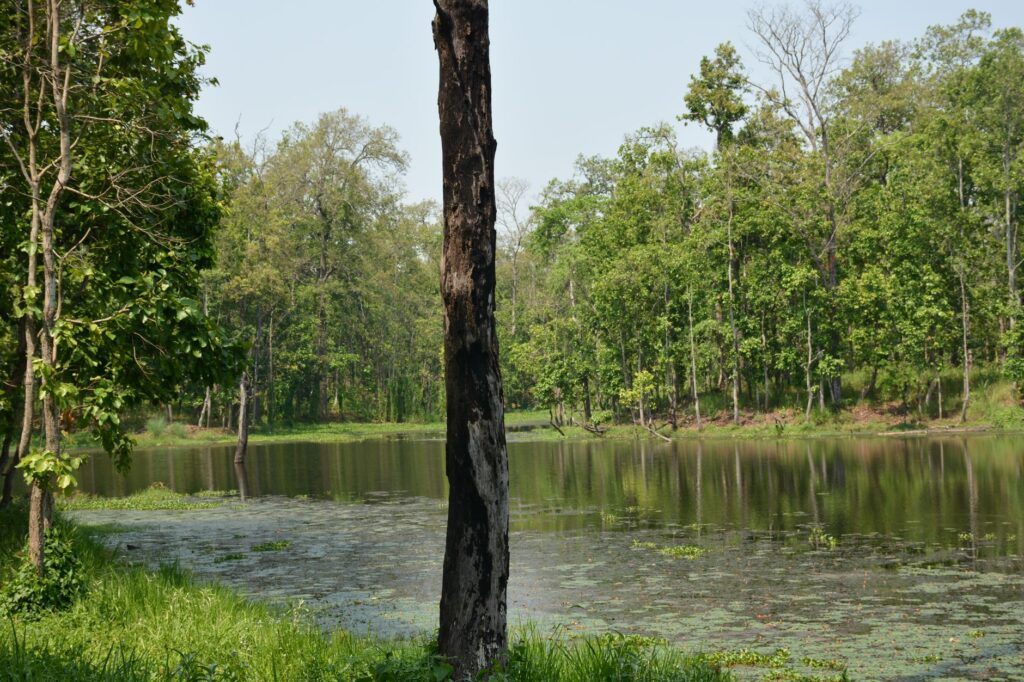
The wetlands and ponds in the area are not just a feature of the landscape. They work as water regulation systems, as bird refuges and as meeting places. In a region where the monsoon can be intense and the dry season long, maintaining these spaces is a sustainability decision with direct effects on daily life.
Some local initiatives work on cleaning and conserving these water bodies, with the participation of residents and schools. These are not grand engineering projects, but constant care: removing waste, preventing dumping, maintaining riverside vegetation. It is low-visibility work, but essential for the city to keep its capacity to adapt to the climate.
For visitors, these spaces offer a different face of Siddharthanagar: that of a city that breathes through its waters. Walking along their edges at dawn, before the heat sets in, reveals herons, kingfishers and other birds that depend on these ecosystems.
Markets, trades and neighbourhood life
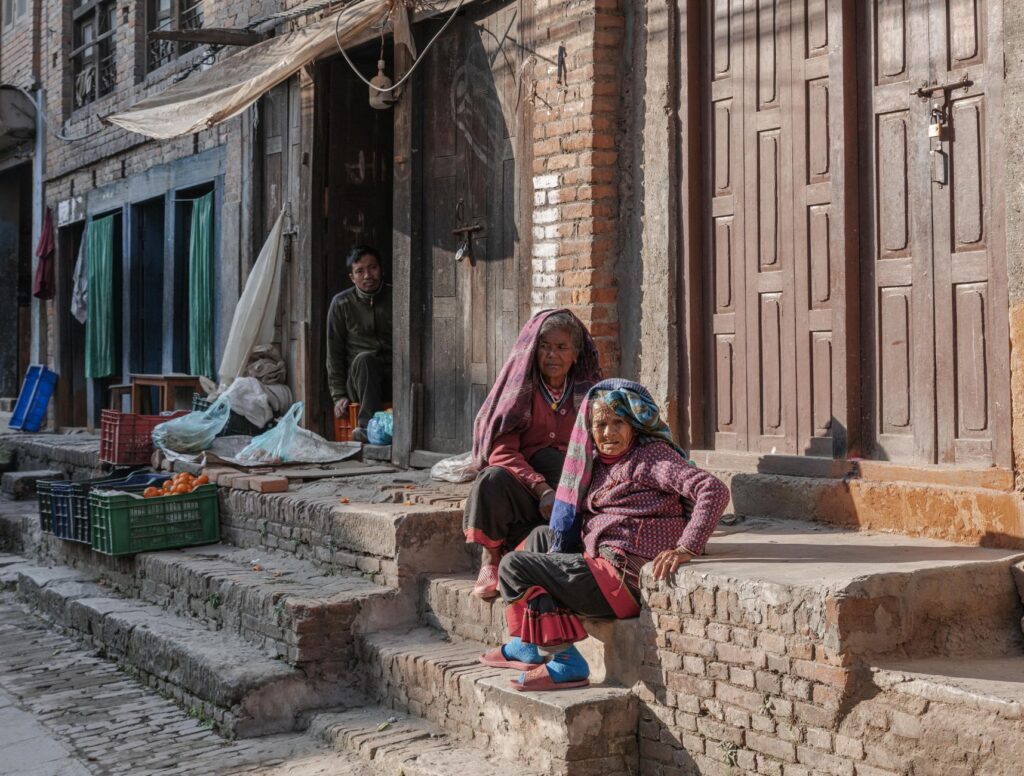
The market is the other great organiser of local life. In Siddharthanagar, regional products are sold: rice, pulses, spices, seasonal vegetables and everyday utensils. Many stalls belong to families who have been in the same place for generations, and their knowledge of the neighbourhood is as valuable as any tourist guide.
The city also has a significant presence of workshops and small shops. Here bicycles are repaired, clothes are sewn, food is prepared. It is a proximity economy that sustains much of the population and that, well managed, can be an example of local development without large infrastructure.
- Fresh seasonal produce in neighbourhood markets.
- Crafts and textiles with traditional Terai motifs.
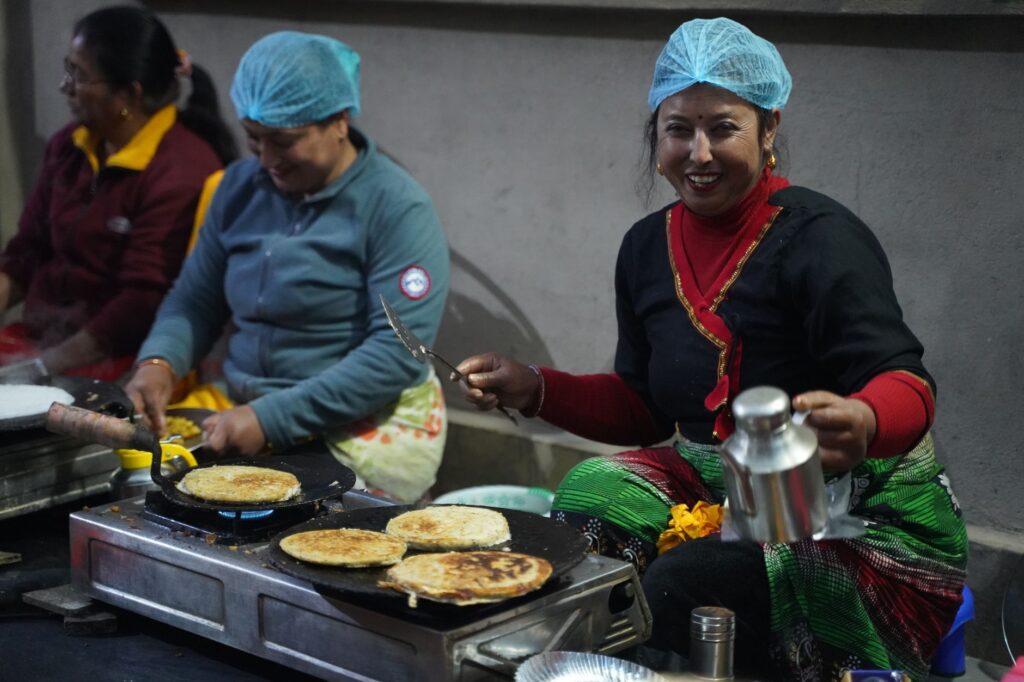
- Street food with Nepali and Indian influences, adapted to local tastes.
Lumbini, close but not absorbing
About 20 kilometres from Siddharthanagar lies Lumbini, a UNESCO World Heritage Site and considered the birthplace of the Buddha. Every year, pilgrims and travellers from around the world arrive there, and many pass through Siddharthanagar before or after their visit.
That proximity has brought economic benefits, but it also raises questions about how to share the income and how to prevent the city from becoming a mere appendix to the archaeological site. Some local voices insist that visitors who stay a night, eat in a market and walk through the neighbourhoods leave more value than those who just pass through.

Tourism that respects Siddharthanagar is the kind that takes time to understand that the city is not just the antechamber to Lumbini.
Discreet heritage, living memory
Siddharthanagar’s heritage is not monumental in the classic sense. It is in the small temples, in the courtyard houses, in the century-old trees that mark squares and crossings. It is also in the memory of a city that changed its name and still keeps, in everyday speech, the echo of Bhairahawa.
That intangible heritage is fragile. It depends on younger generations recognising it as their own and on urban decisions not erasing it without discussion. Sustainability here is not only environmental: it is also cultural and social.
Responsible choices for visitors
Those who arrive in Siddharthanagar can help the city keep its balance with concrete gestures. Staying in local establishments, shopping in neighbourhood markets, respecting water spaces and avoiding unnecessary plastic consumption are ways of travelling that have a real impact.
It is also important to inform yourself before visiting Lumbini and other nearby areas, to understand the rules of respect in places of worship and to avoid contributing to dynamics of labour or environmental exploitation. The city does not ask for grand gestures, but for coherence.
A sustainability built from the ground up
In Siddharthanagar, sustainability is not presented as a label, but as a series of small, repeated decisions: caring for water, keeping markets alive, preserving memory and allowing the community to decide on its own environment. It is an imperfect model, under construction, but real.
For the traveller, that means the city does not offer a closed experience, but an invitation to observe and participate with respect. There are no grand staging moments, but the life of a place trying not to lose its identity while opening up to the world.
Practical guide
The best time to visit Siddharthanagar is between October and March, when temperatures are milder and the monsoon rains have ended. Heat and humidity can be intense in the months before the monsoon, between April and June.

The city is well connected by road to the Indian border and to other towns in the Terai. To move around the centre, walking or cycling is a practical, low-impact option. It is advisable to carry water, sun protection and light clothing that respects local customs.
- Accommodation: guesthouses and family hotels in the centre and near the routes to Lumbini.
- Food: markets and small restaurants serving Nepali and Indian cuisine.
- Respect: cover shoulders and knees in temples and places of worship.
- Waste: avoid single-use plastics and do not leave rubbish in wetlands.
Before travelling, check official sources from Nepal and Lumbini Province to verify routes, schedules and local conditions. Information can change, and respect for the community begins with being well informed.
A closing by the water
At the end of the day, when the heat drops and the markets begin to close, Siddharthanagar recovers a slower rhythm. The ponds reflect the last light, and in the neighbourhoods you hear conversations, bicycles and footsteps. It is the moment when the city shows its most honest face: that of a place that does not pretend to be anything else, but knows that its future depends on how it cares for what it already has.