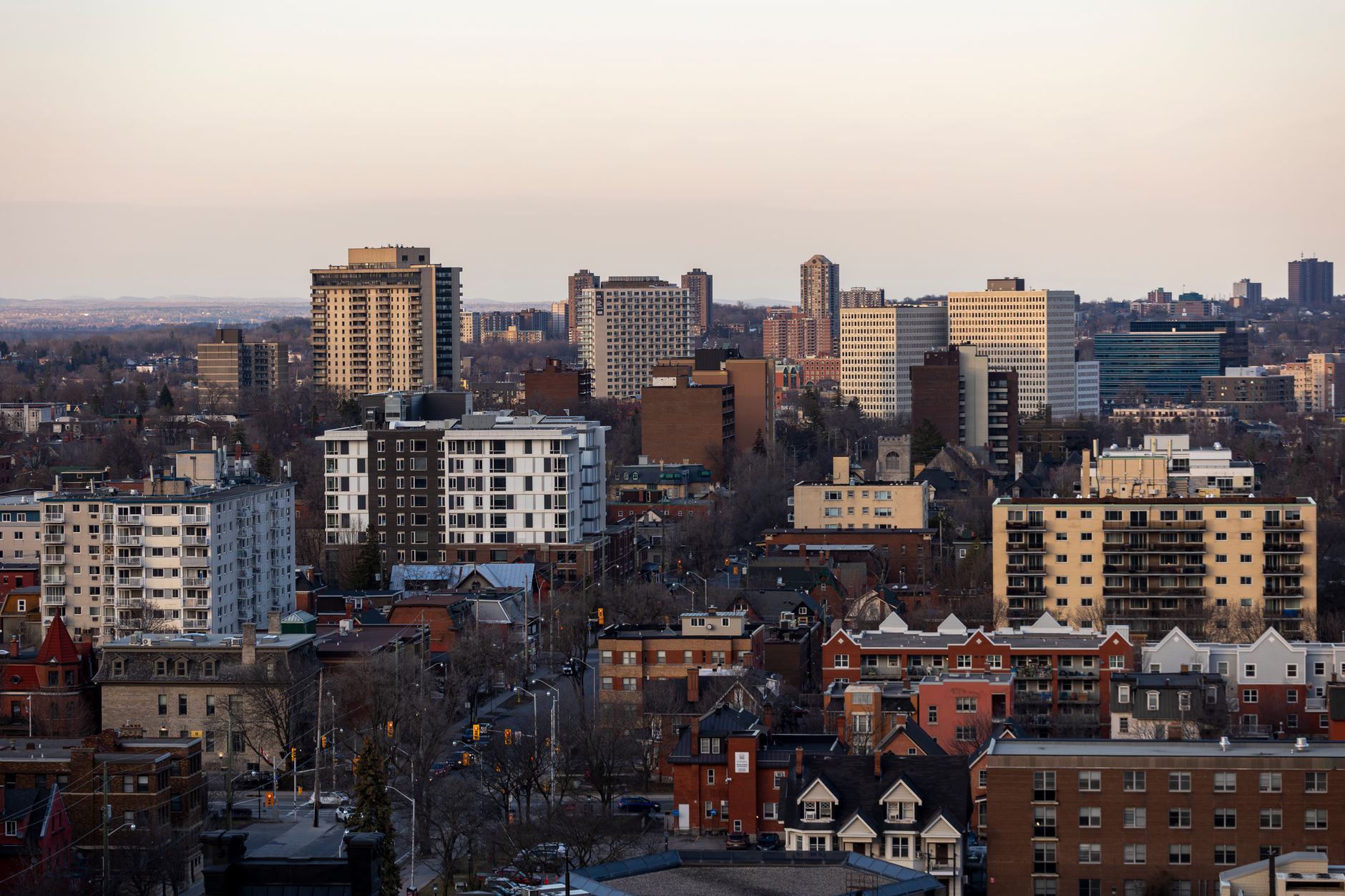

Brampton, in the province of Ontario, Canada, is one of those cities that rarely appear on tourist lists but hold a everyday richness worth discovering. About 45 kilometres northwest of Toronto, this city of over 650,000 has evolved from a small farming community into one of the most culturally diverse municipalities in North America. Its urban landscape mixes shopping centres, residential neighbourhoods, parks and a growing food scene that reflects its communities’ roots.
Exploring Brampton is to glimpse an identity under constant construction, where old and new coexist without fanfare. There are no grand monuments or a massive tourism industry, but there is an intense neighbourhood life, ethnic markets, temples and a cultural scene expressed in festivals and community centres. This report proposes a leisurely visit, with curiosity as a compass and respect as a rule.
A little history: from farms to a diverse city
Founded in the 19th century as a service centre for the farms of the Peel region, Brampton grew slowly until the mid-20th century. The arrival of the railway and later the highways connected it to Toronto, attracting industry and population. But it was in recent decades that it underwent a profound transformation: today more than half of its residents were born outside Canada, with communities from South Asia, the Caribbean, Africa and Eastern Europe, among others.
This diversity translates into a daily life rich in nuances. The city’s shopping centres, such as Bramalea City Centre, are meeting points where dozens of languages are spoken. Ethnic supermarkets, hair salons, fabric shops and bakeries offer a mosaic of cultures that can be explored without travelling far.
Visible heritage: churches, historic houses and streets with memory
Despite rapid growth, Brampton retains some vestiges of its past. In the historic downtown, St. Paul’s Anglican Church, built in the 19th century, stands as a reminder of the first British settlers. Nearby, the Brampton Historical House, a red-brick building dating from 1850, now operates as a local museum and offers guided tours explaining life in the region over a century ago.
Brampton Cemetery, with headstones dating back to Victorian times, is another place of interest for history enthusiasts. Walking its paths allows you to read names and dates that tell the story of the founding families. It is not a conventional tourist site, but its serene atmosphere invites reflection.
Neighbourhoods with character: beyond the centre
Brampton does not have a single nerve centre; its life is spread across neighbourhoods with distinct personalities. The Bramalea area, developed in the 1960s and 1970s, combines residential complexes with ample green spaces and a civic centre that houses the main library and the Rose Theatre. It hosts plays, concerts and community workshops that reflect the city’s diversity.

Further north, the Heart Lake neighbourhood takes its name from the artificial lake in its namesake park. It is a popular spot for walking, picnicking or simply sitting to watch the ducks. On weekends, families from all backgrounds share the space, living up to the city’s name.
Brampton is not visited with a list of monuments, but with a willingness to be surprised by the life flowing through its squares and markets.
Flavours of the world: markets and neighbourhood kitchens
Food is one of the most direct gateways to Brampton’s culture. Along Queen Street East, for example, Indian, Pakistani, Caribbean and African restaurants follow one another. On weekends, buffets and barbecues attract diners from across the region. It is not unusual to find places serving dosa, jerk chicken or shawarma within a few blocks.
For those who prefer to cook, ethnic markets are an experience in themselves. There you can find fresh spices, leafy vegetables not seen in conventional supermarkets, halal meats and a variety of freshly baked breads. The Brampton Farmers’ Market, held in season, offers local produce and crafts, and is a good way to support local producers.
Culture and community: festivals that celebrate diversity
Throughout the year, Brampton organises numerous festivals that highlight its multicultural character. The Brampton Music Festival, held in summer, brings together local and international artists on outdoor stages. Caribbean Heritage Week, in August, fills the streets with colour, music and food. And Diwali, the Hindu festival of lights, is celebrated with community events across the city.
These festivals are not designed for tourists but for the community; however, visitors are welcome if they respect customs and participate with curiosity. Attending one of them is a privileged way to understand local life.
Nearby nature: parks and trails to breathe
Although Brampton is an expanding city, it is not at odds with nature. The Credit River crosses the municipality and its banks have been fitted with trails for walking and cycling. Credit Valley Park, in the south, offers quiet routes among trees and birds. In winter, some of these trails become cross-country ski tracks.

Gage Park, near downtown, is another green lung with gardens, ponds and children’s play areas. On weekends, it is common to see families having barbecues or playing cricket, a sport very popular among the South Asian community.
Everyday architecture: between functional and symbolic
Brampton’s architecture does not seek visual impact, but it reflects the needs and aspirations of its inhabitants. Shopping centres, schools and temples are the most representative buildings. Hindu and Sikh temples stand out, some with domes and ornaments that contrast with the suburban landscape. The Sikh Gurdwara in Brampton, for example, is one of the largest in Canada and opens its doors to visitors of all faiths.
Also worth a look are the late Victorian-style houses that survive downtown, as well as post-war residential developments, which show the evolution of Canadian urbanism.
Practical guide
When visiting Brampton, keep some practical aspects in mind. The city is well connected to Toronto by commuter trains (GO Transit) and buses. Toronto Pearson International Airport is about 20 minutes away by car. Within the city, public transport is limited, so renting a car or using ride-hailing apps can be useful.
The best time to visit is from May to October, when the weather is milder and most festivals take place. Winter is cold and snowy, though the landscapes have their charm. Dress modestly when visiting temples and respect each community’s rules. Tipping is customary in restaurants and services.
- Accommodation: hotels and motels line the main arteries, as well as short-term rental options in residential neighbourhoods.
- Safety: Brampton is a safe city, but as in any urban area, take basic precautions.
- Language: English is the predominant language, though many others are heard.
- Currency: Canadian dollar. Cards are accepted almost everywhere.
A closing for memory
Brampton does not pretend to be a postcard destination. Its appeal lies in the everyday: the friendliness of its people, the variety of its markets, the mix of traditions expressed in food, music and the way public space is used. For the traveller willing to look closely, the city offers a lesson in coexistence and adaptation. There may be no grand monuments to photograph, but there are experiences that stay in the memory: the aroma of spices in a market, the sound of a distant instrument at a festival, the shade of a tree in a shared park. That, after all, is what makes a place unforgettable.