
Honchō does not appear in travel guides as a destination. It is a district of Funabashi, in Chiba Prefecture, east of Tokyo, with a population of around 644,000 across the wider municipality. Its name literally means ‘main neighbourhood’, and for generations it was a residential and commercial hub on a human scale. What sets it apart today is not a monument or a spectacular landscape, but a condition it shares with millions of people in the Tokyo metropolitan area: living just a few kilometres from one of the busiest international airports on the planet.
Narita International Airport, opened in 1978, transformed the everyday geography of Chiba forever. Honchō, located at a distance measured in tens of minutes by road or in train connections, became part of a mobility system that serves not only travellers but also orders schedules, jobs, routines and even land values. This report proposes looking at that phenomenon from inside the neighbourhood, without invented figures or fabricated testimonies, focusing on what air infrastructure does to the life of a community.
A neighbourhood that breathes to the rhythm of the runways
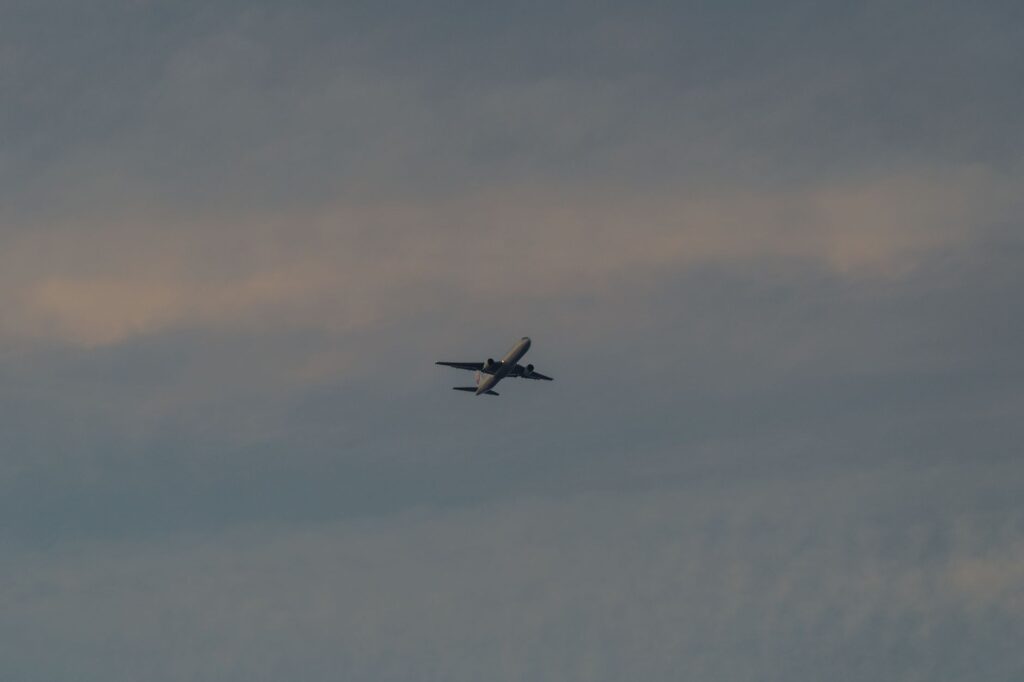
The relationship between Honchō and aviation is not that of a distant airport visited once a year. It is a relationship of neighbours. Aircraft taking off and landing at Narita fly over a densely populated region, and their presence is felt in the sound, in shuttle bus schedules and in the commercial offer around nearby stations. For many residents, the airport is not just a place you go to, but an infrastructure that shapes the day.
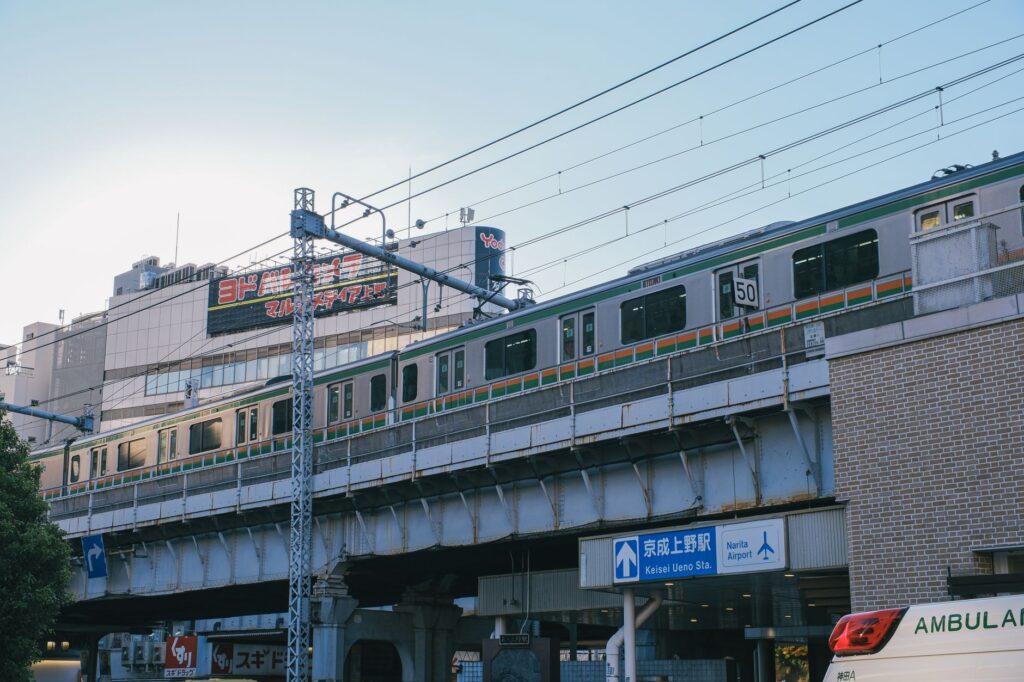
That coexistence has generated a local culture of punctuality and foresight. Anyone living in Honchō and working at the airport or in its associated services knows that a train delay is not a minor inconvenience. Chiba’s rail network, operated by companies such as Keisei and JR East, works as an extension of the airport itself: its timetables are designed to connect with flights, and its platforms become stages for farewells and reunions.

In Honchō, the airport is not seen as a noisy neighbour, but as an infrastructure that shapes the community’s calendar.
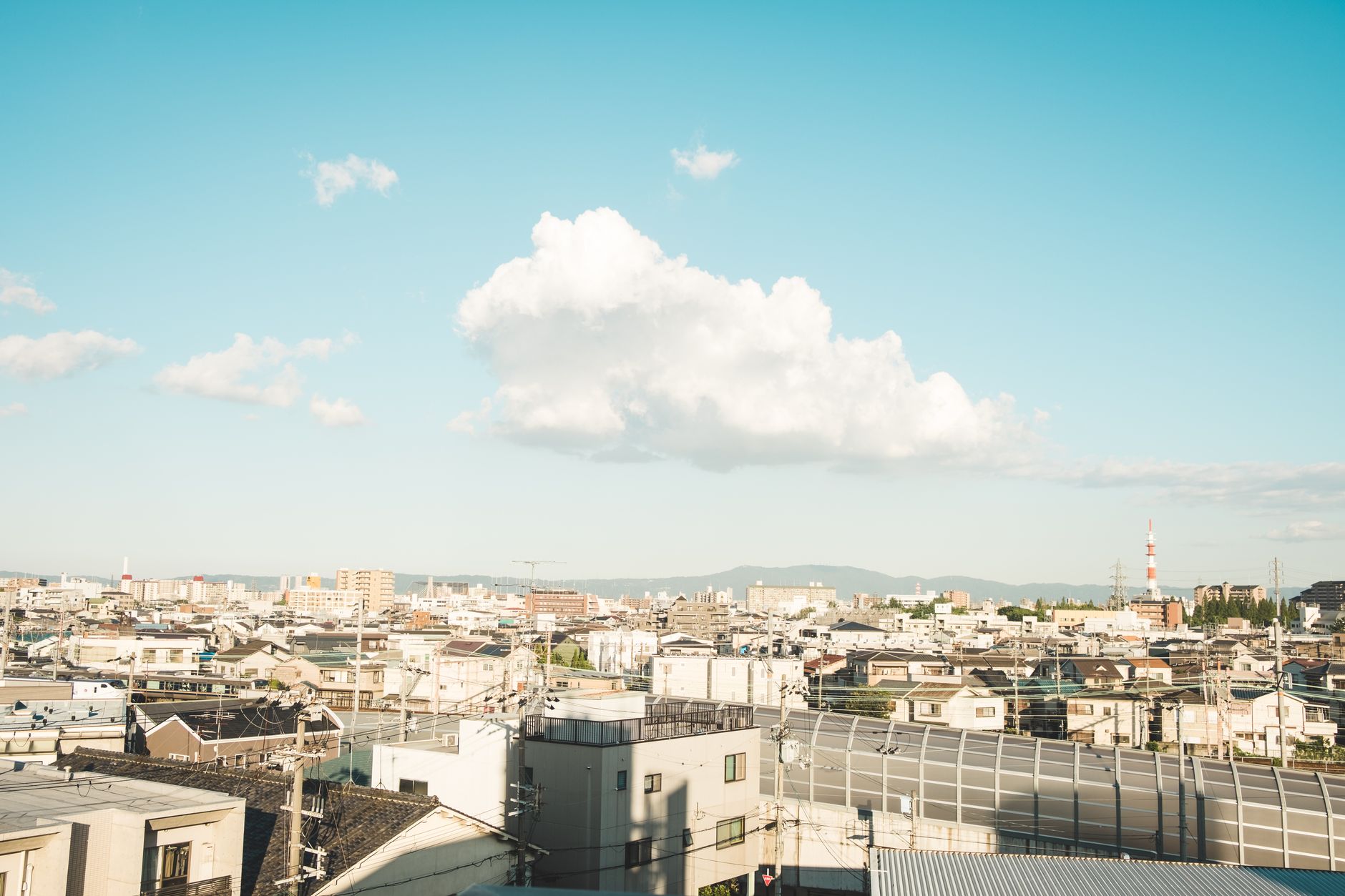
That perception is not naive. Commercial aviation generates employment, attracts investment and sustains a network of hotels, restaurants and shops that depend on passenger traffic. But it also imposes noise easements and planning restrictions that have shaped the area’s growth. The result is a hybrid landscape, where single-family homes, small workshops and apartment buildings coexist with a density that surprises anyone who imagines Chiba as a mere dormitory suburb.
The discreet architecture of connectivity
If anything characterises Honchō, it is the absence of architectural grandstanding. There are no star-designed skyscrapers or spectacular terminals within the neighbourhood. The infrastructure connecting it to the world is functional, efficient and almost invisible: mid-scale train stations, well-signposted bus stops, park-and-ride facilities and a road network that avoids bottlenecks through modest but effective solutions.
That discretion is, in fact, a form of architecture. The stations in the area, such as those on the Keisei line or the JR ones, are designed to absorb passenger peaks without collapsing. Their wide platforms, escalators and bilingual signage respond to a logic of constant flow. A traveller arriving from Narita with a suitcase finds in Honchō a predictable environment, where every step is designed to reduce friction.
Airport architecture, in turn, influences the neighbourhood indirectly. Narita’s terminals, with their long corridors and waiting areas, have established a standard of efficiency that filters into urban transport. The buses connecting the airport with Chiba copy that model: punctuality, clear information and an interior design that prioritises luggage. For the resident of Honchō, the journey begins long before check-in.

The passenger experience starts at home
For those living in Honchō, travelling does not begin at the boarding gate. It begins the moment they decide which train to take, which bus to wait for, or whether to share a taxi. That daily planning has created a local travel culture that combines Japanese precision with the flexibility of someone who knows the shortcuts.
Residents know, for example, that certain morning schedules are quieter at stations, and that certain buses avoid congestion on the Higashi-Kantō expressway. That wisdom is not published in tourist brochures, but it is passed from neighbour to neighbour. It is a form of practical knowledge that turns Honchō into a place where connectivity is not an abstraction, but an everyday skill.
The passenger experience has also become more human thanks to diversity. Honchō is home to a growing international community, drawn by airport employment and proximity to Tokyo. That mix is reflected in the neighbourhood’s food scene, where traditional izakayas, Korean restaurants, specialty coffee shops and small places serving Filipino or Brazilian cuisine coexist. Aviation does not only bring tourists: it brings residents.
The territory as living heritage
Speaking of heritage in Honchō requires stepping away from the idea of historical monuments. Heritage here is the landscape built by generations of families who have lived from local commerce, peri-urban agriculture and, more recently, airport-related services. The Shinto and Buddhist temples scattered around the neighbourhood, some of them modest and hidden between buildings, act as anchors of memory in a rapidly changing environment.
That heritage coexists with modernity without drama. Local festivities, such as summer matsuri, are still celebrated with processions through narrow streets, now flanked by apartment buildings. The sound of taiko drums sometimes mingles with the distant rumble of an aircraft. It is a layering that defines Honchō better than any statistic.
The relationship with the territory is also expressed in agriculture. Chiba is one of Japan’s leading vegetable-producing prefectures, and around Funabashi rice fields, onions and peanuts are still cultivated. These green spaces, interspersed between housing developments, remind us that the region was not always an airport suburb. Aviation has added a layer; it has not erased the previous ones.
Getting around Honchō without getting lost
For visitors arriving in Honchō, the first task is to understand the logic of transport. The rail network is the backbone: Keisei and JR lines connect the neighbourhood with central Tokyo and Narita Airport. Trains are frequent, clean and punctual, and stations have signage in Japanese and English. It is advisable to get a rechargeable transport card, such as Suica or Pasmo, which works on trains, buses and in shops.
Buses complement trains on more local journeys. Some routes connect directly with airport terminals, which is useful for those travelling with heavy luggage. Taxis are more expensive but can be a reasonable option for groups or late-night schedules. As for accommodation, Honchō offers business hotels and tourist apartments, generally at lower prices than central Tokyo.

Local food deserves a stop. Neighbourhood markets, bakeries and small restaurants offer honest, affordable cooking. Trying a neighbourhood ramen or a plate of tempura in a family-run place is a way of understanding Honchō’s daily life better than any tourist itinerary.
The future of an airport neighbourhood
Honchō looks to the future with a mix of pragmatism and caution. The expansion of Narita Airport’s capacity and growing demand for international flights will continue to put pressure on the region. That may translate into more jobs and better connections, but also more noise, more traffic and real-estate pressure already visible in land prices.
The question urban planners and residents are asking is not whether the airport will grow, but how to do so without the neighbourhood losing what makes it liveable. The answer, in part, lies in Honchō’s own history: a community that has managed to adapt without renouncing its rhythms. Aviation has changed its sky, but not its way of life.
Honchō’s lesson is not how to live with an airport, but how to remain a neighbourhood when the whole world passes overhead.
Practical guide
To organise a visit or a stay in Honchō, a few basic points are worth bearing in mind. The best time to travel is spring (March to May) and autumn (October to November), when the climate is mild and Chiba’s landscapes look their best. Summer is humid and hot, and winter, though mild compared with other regions of Japan, can be cold at night.
Public transport is the most efficient option. From Narita Airport, Keisei and JR trains connect with Funabashi and its surroundings in times ranging from thirty to sixty minutes, depending on the service. Shuttle buses also cover that route and are often useful for those with bulky luggage. Within the neighbourhood, walking is pleasant and safe, and distances between stations and commercial areas are reasonable.
As for accommodation, Honchō and Funabashi have business hotels, hostels and apartments. Booking in advance is advisable in high season. For eating, local markets and shopping streets offer varied, affordable options. Don’t forget cash: although cards are accepted in many establishments, small shops and some restaurants prefer payment in yen.
Finally, a cultural recommendation: taking part in a local festivity, if it coincides with your stay, is the best way to understand life in Honchō. Summer matsuri, with their processions and food stalls, show a community celebrating its identity amid modernity. And at the end of the day, watching a plane land on the Chiba horizon is a reminder that this discreet, functional neighbourhood is part of a network connecting Japan with the world.