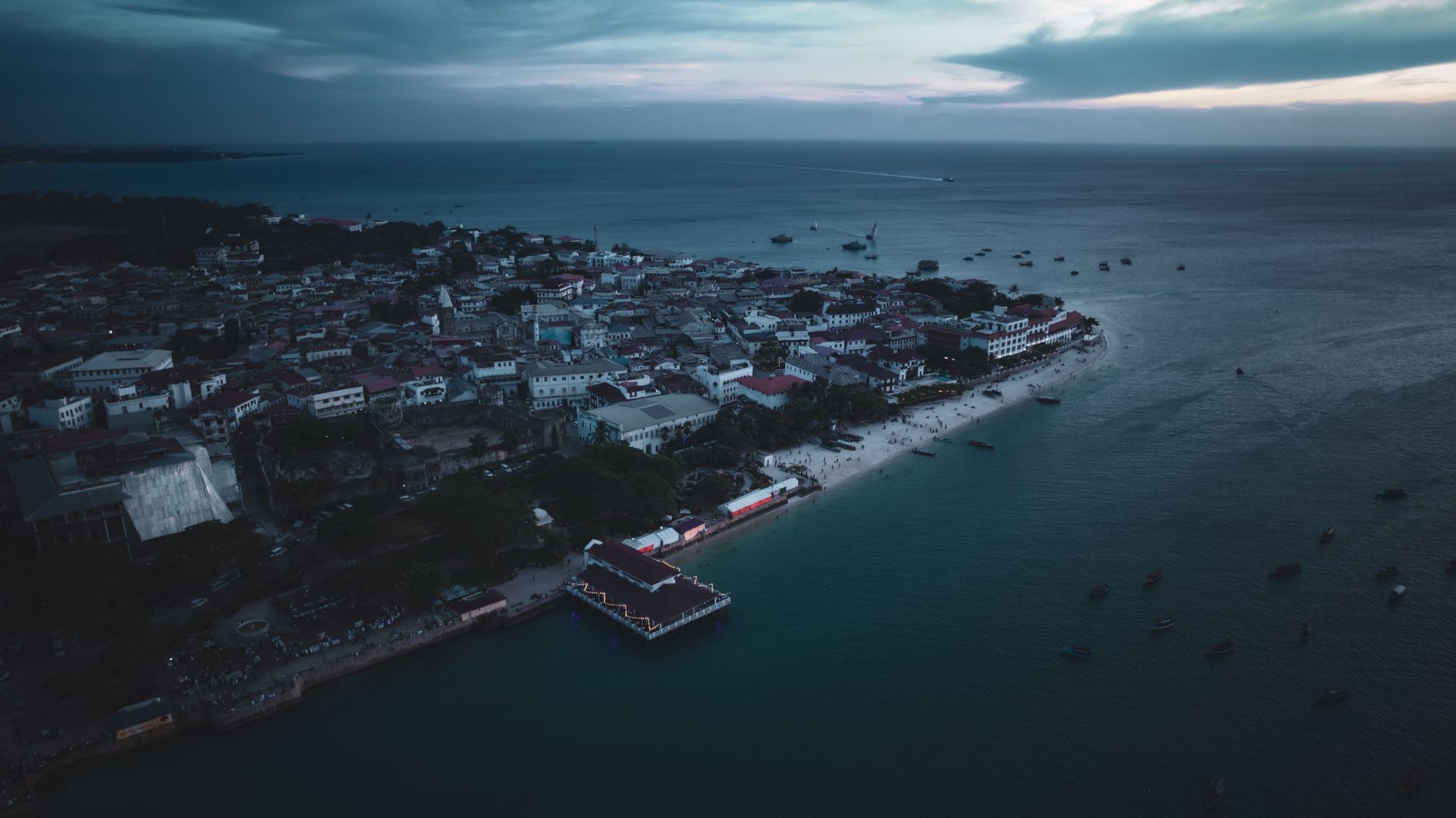

On the island of Unguja, off the coast of Tanzania, the city of Zanzibar is divided into two halves that history separated and the present is reuniting. On one side lies Stone Town, the coral-stone city declared a UNESCO World Heritage Site in 2000. On the other, Ng’ambo, the neighborhood that grew across the creek, a territory of wide streets, markets, and homes that rarely appears in guidebooks. Yet Ng’ambo is today the beating heart of urban life in Zanzibar, a place where heritage is not a museum piece but a daily practice.
This report proposes a journey through Ng’ambo, a neighborhood that has witnessed profound transformations and now faces the challenge of preserving its identity while adapting to the pressures of growth. Through its streets, buildings, and people, one discovers a Zanzibar that goes beyond the postcard.
Ng’ambo: The Other Side of the Creek
The name Ng’ambo means «the other side» in Swahili. For centuries, this territory was where laborers, artisans, and families who had no place in the Stone Town peninsula lived. While the stone city housed merchants, sultans, and colonial officials, Ng’ambo grew as a space of diversity and mixture. Communities of African, Arab, Indian, and Comorian origin settled there, weaving a unique social fabric.
The separation was not only physical: the creek that divided both worlds also marked a symbolic border. Crossing it meant leaving behind power and entering the life of the popular neighborhoods. Today, that division has blurred, but the memory of segregation remains in the architecture and in the stories of those who inhabit Ng’ambo.
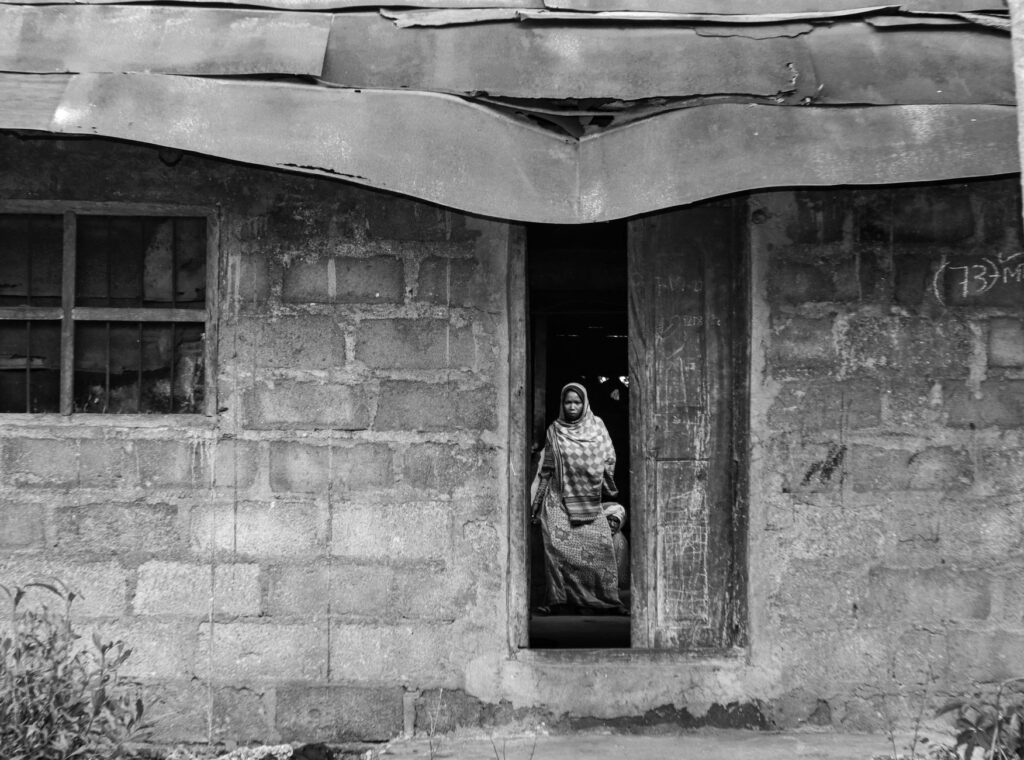
«Ng’ambo is not an appendix of Stone Town; it is the other half of the same story,» explains a resident who has seen the neighborhood change over recent decades.
Urban growth has been erasing the boundaries, but it has also brought new challenges. Real estate pressure and tourism have begun to look toward this side, and with them come questions about how to preserve a heritage that is not always monumental, but everyday.
Coral and Lime Architecture: The Houses of Ng’ambo
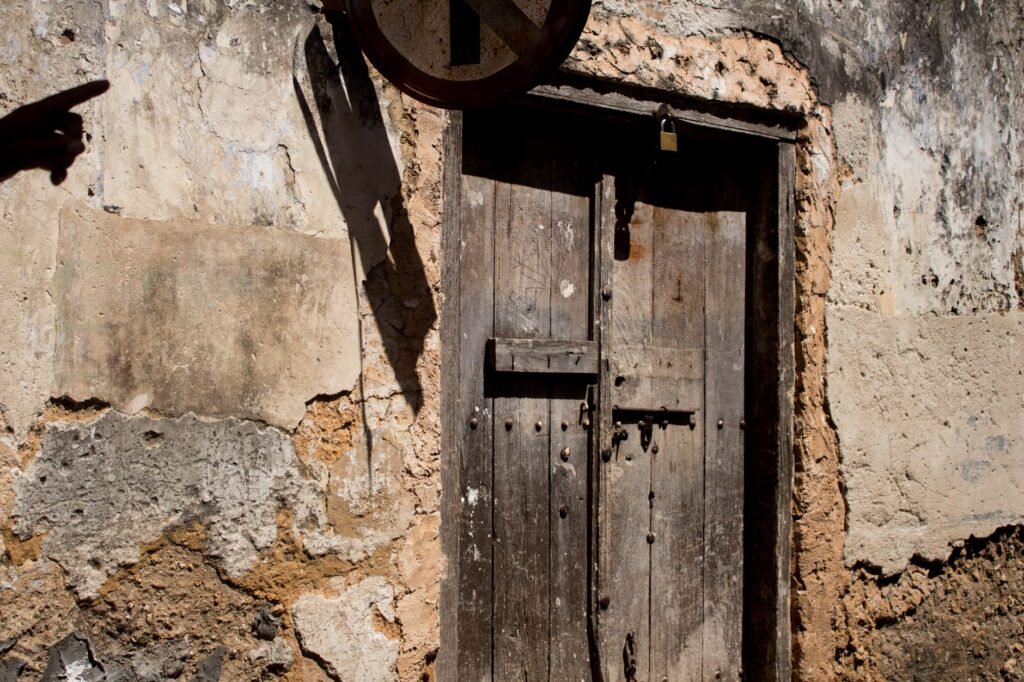
Unlike the grand mansions of Stone Town, the architecture of Ng’ambo is characterized by its modest scale and functionality. The houses, built with coral ragstone and lime mortar, feature whitewashed facades and interior courtyards that serve as family gathering spaces. Many retain carved doors, though less ornate than the famous Zanzibari doors, and windows with latticework that allow cross-ventilation.
The use of local materials and traditional techniques has allowed these homes to adapt to the tropical climate. Corrugated iron roofs, introduced in the 20th century, coexist with older structures of mangrove timber beams. In recent years, some owners have begun restoring their houses with the help of local artisans, aware that conservation is not only an aesthetic matter but also one of identity.
A walk through the streets of Ng’ambo reveals a mix of styles: single-story Swahili houses, apartment buildings of modern inspiration, and shops occupying the ground floors. The coexistence of old and new is a constant, reflecting the neighborhood’s ability to reinvent itself without losing its essence.
Darajani Market: Commerce and Life
Darajani Market, located on the border between Stone Town and Ng’ambo, is one of the epicenters of urban life. Here spices, fruits, vegetables, fish, and all kinds of products are sold. The bustle is constant and smells mingle in the air: clove, cinnamon, ginger, fresh fish, and tropical fruits.
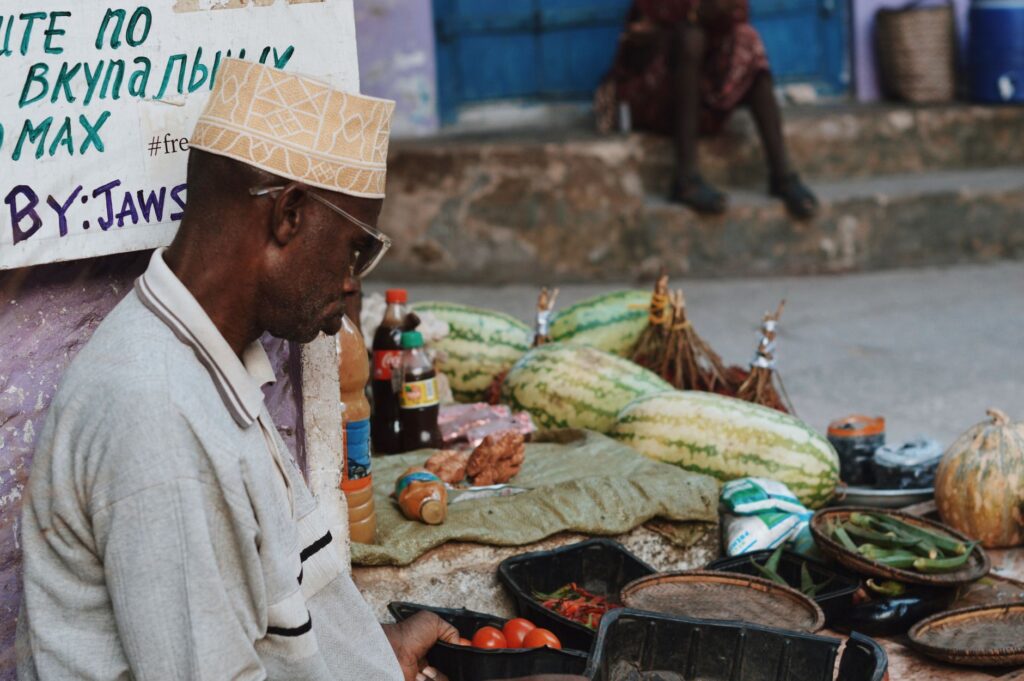
The market is not just a place of buying and selling; it is a space for social encounter where news is exchanged and community ties are strengthened. The women vendors, many from Ng’ambo, play a fundamental role in the local economy. Despite difficulties, the market remains an economic engine and a symbol of the resilience of traditional commerce against the expansion of supermarkets.
«Here we don’t just sell; we also talk, help each other, and share what we have,» comments a spice vendor who has been in the market for over twenty years.
The Darajani area has been subject to improvement projects, but any intervention must balance modernization with preserving the market’s character. Future plans include improvements in waste management and infrastructure, but traders ask to be consulted and for their ways of working to be respected.
Malindi Mosque and Religious Memory
In the heart of Ng’ambo stands the Malindi Mosque, a building dating from the 19th century that has been a spiritual center for the neighborhood’s Muslim community. Its simple architecture, with a minaret rising above the rooftops, reflects the importance of Islam in Zanzibar’s daily life. The mosque is not only a place of prayer but also a space for education and social assistance.
Coexistence between Muslims and Christians in Ng’ambo has historically been peaceful, and the Malindi Mosque is an example of how faith can be a factor of cohesion. During Ramadan, the nearby streets come alive with nightlife and communal meals are shared. The mosque has also been a reference point for visitors seeking to understand the spiritual dimension of the city.
The Legacy of the Slave Trade: Memory and Reconciliation
Zanzibar was one of the main slave-trading ports in East Africa. Although the trade was abolished in the 19th century, its legacy remains in the collective memory. In Ng’ambo, some buildings and spaces recall that painful history. Christ Church, built on the site of the old slave market, is a monument to abolition and a place for reflection.
The Ng’ambo community has worked to reconcile with that past. Exhibitions and tours have been organized that address the history of slavery from an educational and human rights perspective. These efforts seek not only to remember but also to promote dignity and equality in the present.
Crafts and Traditional Trades
Ng’ambo is also a center for crafts and traditional trades. Woodcarving, furniture making, weaving, and jewelry workshops are distributed along its streets. Many of these trades are passed down from generation to generation and are a source of income for the neighborhood’s families.
Tourist demand has boosted the production of souvenirs but has also posed challenges to maintaining authenticity and quality. Some artisans have chosen to innovate, combining traditional techniques with contemporary designs, while others remain faithful to inherited methods. In any case, Ng’ambo’s craftsmanship reflects the creativity and resilience of its inhabitants.
Urban Challenges: Housing, Water, and Sanitation
Like many expanding neighborhoods, Ng’ambo faces problems of housing, access to drinking water, and sanitation. Population growth has outpaced infrastructure capacity, and some areas lack basic services. Local authorities and community organizations are working on projects to improve these conditions, but progress is slow.
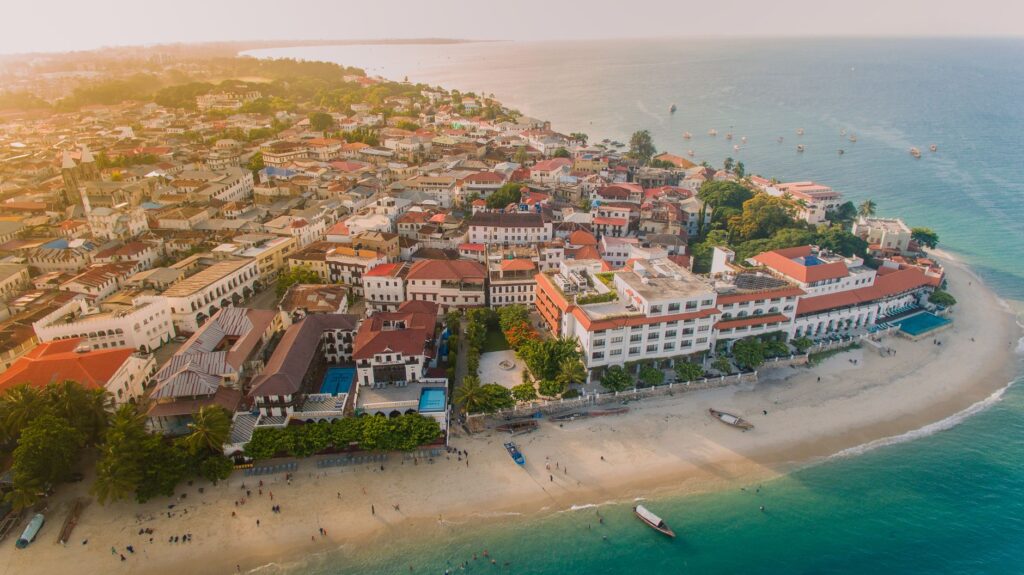
Tourism pressure has also raised housing prices, displacing some lifelong residents. This phenomenon, common in heritage cities, highlights the need for policies that protect the right to housing and prevent gentrification. Community participation in urban planning is key to finding sustainable solutions.
Practical guide
To explore Ng’ambo with respect and make the most of your visit, keep these recommendations in mind. The best time to travel is during the dry season, from June to October, when temperatures are more pleasant and rain is scarce. It is important to dress modestly, especially in religious areas, and wear comfortable shoes for walking on streets that are not always paved.
- Transport: Daladalas (minibuses) connect Ng’ambo with the rest of the city. You can also walk from Stone Town across the creek via the Darajani bridge.
- Accommodation: There are options for all budgets, from guesthouses managed by local families to boutique hotels in the Malindi area.
- Food: Be sure to try pilau, biryani, and sugarcane juice. Street stalls offer fresh, affordable food.
- Safety: As in any city, it is advisable to avoid lonely streets at night and keep an eye on your belongings.
- Respect: Ask permission before photographing people and avoid interrupting daily activities. Kindness and respectful curiosity are well received.
Ng’ambo is not a postcard destination but a living neighborhood that invites discovery with calm and respect. Its heritage, made of coral, lime, and memory, is sustained by the daily life of its inhabitants.