The Great Barrier Reef stretches for 2,000 kilometres along Australia’s northeast coast, from the tip of Cape York Peninsula to Bundaberg. It is the world’s largest reef system and hosts unparalleled biological diversity: 400 species of coral, 1,500 species of fish, and 4,000 species of molluscs, according to UNESCO. But visiting it is not just about diving into a giant aquarium; it is also about understanding the fragile balances that keep it alive and learning to explore it with the least possible impact.
This report offers a journey through the marine ecosystems of the Great Barrier Reef and provides practical keys for a responsible visit, from choosing an operator to everyday gestures that make a difference. It is not an exhaustive guide, but an invitation to look at the reef through the lens of conservation.
A mosaic of reefs, islands, and deep waters
The Great Barrier Reef is not a continuous barrier but an archipelago of some 2,500 individual reefs and more than 900 islands. It extends from the coast to 250 kilometres offshore, covering an area of 348,000 square kilometres, roughly the size of Germany. This latitudinal and depth range creates a variety of habitats, from shallow inshore reefs to outer reefs and oceanic waters over 2,000 metres deep.
The islands, some uninhabited and others with resorts, are common access points. The Whitsundays, with their white-sand beaches, are the most photographed example, but there are also sand cays, continental islands with rainforest, and mangroves that serve as nurseries for countless species.
The Great Barrier Reef is the only living structure visible from space, and its ecological complexity makes it a natural laboratory for understanding ocean health.
Understanding this mosaic is key to planning a visit that respects its rhythms. Each habitat type supports different communities of organisms and reacts differently to human presence. Inshore reefs, for instance, are more exposed to runoff from the mainland, while outer reefs depend on clear oceanic water and are more sensitive to temperature anomalies. Knowing where you are going and what lives there transforms a simple excursion into an exercise in ecological awareness.
Biodiversity: beyond the corals
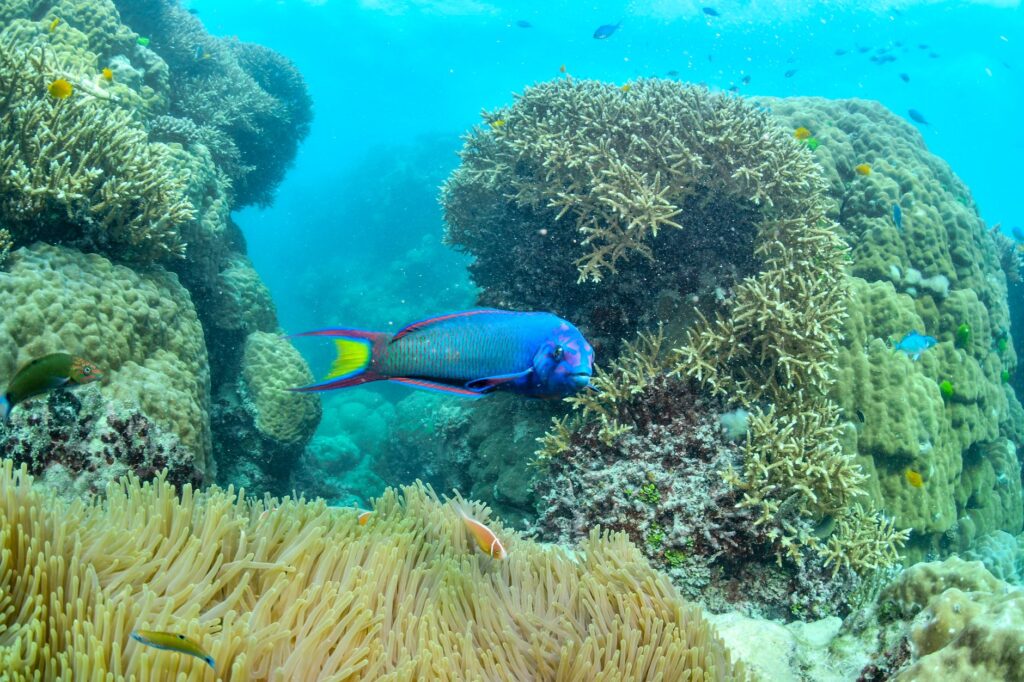
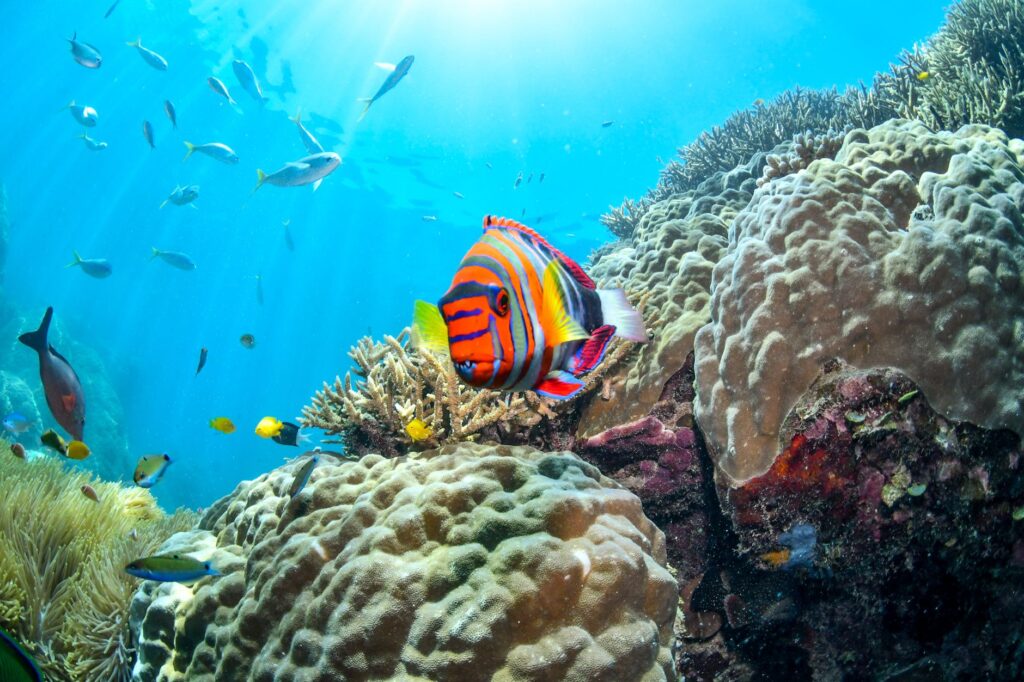
Corals are the architects of the reef, but the life they harbour is equally astonishing. Its waters are home to more than 1,500 species of fish, from the small clownfish to the giant grouper. There are also some 240 species of birds, six of the world’s seven species of marine turtles, and an important population of dugongs, a herbivorous marine mammal at risk of extinction.
The Great Barrier Reef is also a sanctuary for humpback whales, which migrate from Antarctica to mate and give birth in its warm waters between June and September. On land, islands like Raine Island host the world’s largest green turtle colony.
This biological richness is not evenly distributed. Some species are endemic, meaning they are found nowhere else on Earth. Others, like the dugong, depend on seagrass meadows that grow in the shallow waters between the coast and the outer reefs. These meadows are themselves fragile and easily damaged by anchors, boat propellers, and coastal development. For visitors, the lesson is simple: the reef is a network of interdependent habitats, and protecting one means protecting the conditions that sustain the others.
An ecosystem under pressure
The reef faces multiple threats: climate change, pollution, overfishing, and outbreaks of the crown-of-thorns starfish. Coral bleaching, caused by rising sea temperatures, is one of the most visible and worrying phenomena. According to UNESCO, despite these pressures, the Great Barrier Reef maintains remarkable ecological integrity thanks to its enormous size and the protection measures implemented.
The Great Barrier Reef Marine Park, managed by the Great Barrier Reef Marine Park Authority (GBRMPA), is the main conservation tool. It covers 99% of the World Heritage area and establishes strict protection zones where fishing and extraction are not allowed. These zones, totalling 115,000 square kilometres, are essential for the recovery of marine populations.
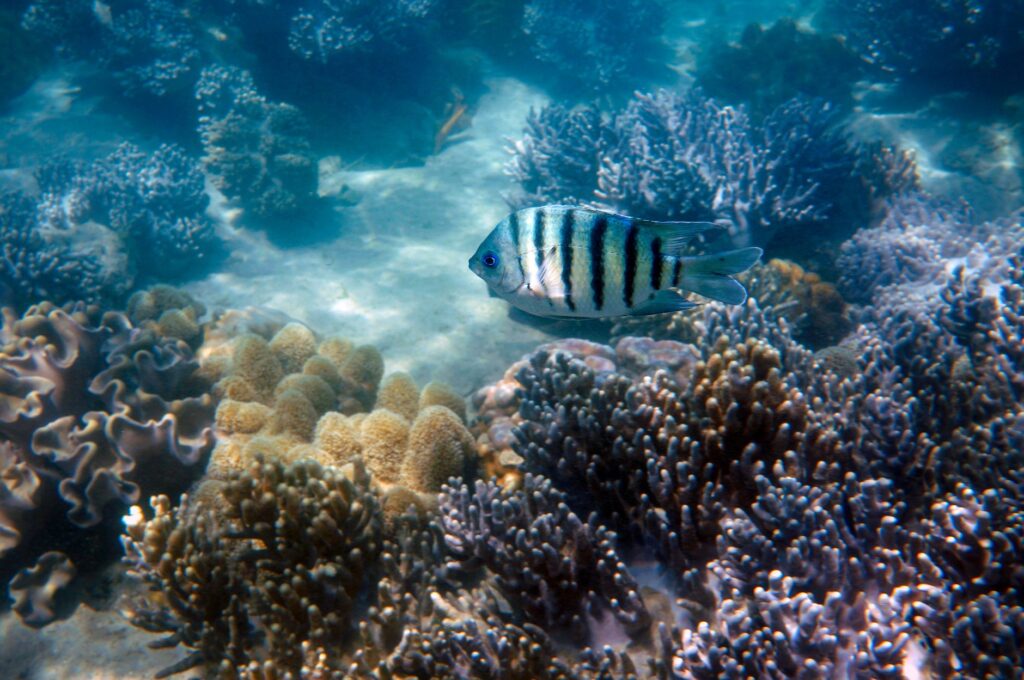
Beyond marine park zoning, other management tools include plans of management for specific areas, special management areas, and agreements with Traditional Owners. These instruments allow authorities to regulate activities such as shipping, tourism, and coastal development that could affect the reef’s health. For a visitor, this means that the rules you encounter—no-anchoring zones, limits on group sizes, seasonal closures—are not arbitrary but part of a broader strategy to keep the ecosystem functional.
Responsible visits: how to choose an operator
Most visitors access the reef through organised tours from Cairns, Port Douglas, Townsville, or Airlie Beach. Not all operators work to the same environmental standards. Looking for operators with Eco Tourism Australia certification or those involved in citizen science programmes is a good starting point.
These operators typically limit the number of divers per guide, avoid anchoring in sensitive areas, and offer educational talks about the ecosystem. Many also collaborate with coral restoration or reef health monitoring projects.
When comparing options, it helps to ask direct questions: Does the tour include a briefing on reef-safe practices? Are there moorings available to avoid anchoring? Does the company support local conservation initiatives? Operators that welcome these questions tend to be more committed to responsible tourism. It is also worth considering the size of the group and the type of vessel, as smaller groups generally have a lighter footprint.
What to avoid during your visit
- Do not touch or stand on corals: they are living animals and very fragile.
- Do not feed the fish: it alters their behaviour and diet.
- Do not throw anything into the water, not even biodegradable waste.
- Use water-resistant sunscreen without ingredients harmful to corals (oxybenzone, octinoxate).
- Keep a prudent distance from marine life, especially turtles and rays.
These rules are not just about safety; they are about minimising the cumulative impact of thousands of visitors. A single careless fin kick can damage decades of coral growth. A piece of plastic can be ingested by a turtle. Responsible behaviour is the first line of defence for the reef.
Beyond diving: other ways to explore
The reef is not only enjoyed underwater. Panoramic flights in a helicopter or small plane offer a unique perspective of coral patterns and islands. There are also hiking trails on continental islands like Hinchinbrook, with mangrove forests and rainforest-covered mountains.
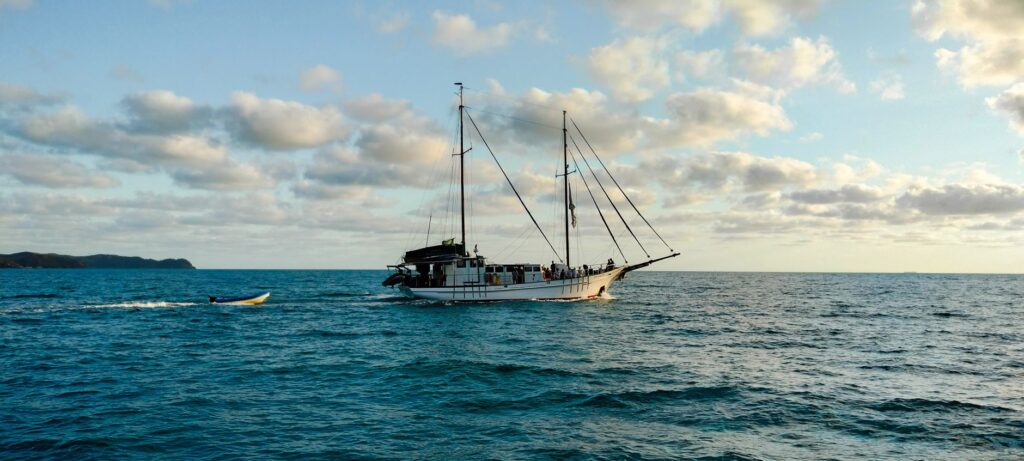
For sailing enthusiasts, navigating the Whitsundays is an unforgettable experience, with the chance to spot whales in season. And on the mainland, cities like Cairns offer aquariums and interpretation centres that help understand the reef’s importance.
These alternative experiences can be less intrusive than diving, especially when they are conducted with responsible operators. A scenic flight, for example, does not require entering the water, and a guided walk on a continental island can teach you about the terrestrial side of the reef ecosystem, from coastal rainforests to mangrove nurseries. For those who prefer to stay dry, these options offer a different but equally valuable connection to the reef.
The role of citizen science
Visitors can actively contribute to reef conservation by participating in citizen science programmes. Eye on the Reef, led by GBRMPA, allows divers and snorkellers to report sightings of key species, bleaching, or the presence of predators like the crown-of-thorns starfish. This data helps scientists monitor reef health in real time.
Another initiative is the Coral Nurture Program, in which tour operators collaborate with researchers to grow corals in nurseries and transplant them to damaged areas. Tourists can take part in some of these activities, always under expert supervision.
Citizen science is not a substitute for professional research, but it extends the reach of monitoring efforts across vast areas that scientists cannot cover alone. By recording what you see, you become part of a network that informs management decisions. It is a tangible way to give back to the reef that has given you so much.
Trip preparation: when to go and what to bring
The best time to visit the Great Barrier Reef depends on what you are looking for. From June to October is the dry season, with pleasant temperatures, clear waters, and less chance of rain. It is also the season for spotting humpback whales. From November to May is the wet season, hotter and with more mosquitoes, but with fewer tourists and lower prices.
It is important to bring light clothing, a hat, sunglasses, and suitable footwear for walks. For snorkelling or diving, most operators provide equipment, but if you prefer your own mask, it is worth bringing it. Do not forget a reusable water bottle and eco-friendly sunscreen.
Preparation also means understanding the physical demands of the activities you plan to do. Snorkelling in open water requires basic swimming skills, while diving requires certification. Some tours involve long boat rides, which can be uncomfortable for those prone to seasickness. Checking sea conditions and weather forecasts before booking can help you choose the right day and the right activity for your comfort level.
Practical guide
Getting there: The main airports are Cairns (CNS) and Townsville (TSV), with flights from major Australian cities. From there, you can reach the tour departure points by bus, car, or ferry.
Accommodation: There are options for all budgets, from camping on islands to luxury resorts in the Whitsundays. Cairns and Port Douglas have the largest hotel offer.

Permits and fees: Most tours include the Marine Park access fee. Visiting some islands or doing specific activities may require an additional permit.
Safety: It is essential to follow the guides’ instructions and respect marked areas. In some areas there are strong currents and the presence of jellyfish at certain times of the year; operators inform about precautions.
Budget: A day trip to the outer reef from Cairns can cost between 200 and 300 Australian dollars, depending on the activities included. Multi-day trips and island accommodation are more expensive.
A closing thought
The Great Barrier Reef is a natural treasure that reminds us of the fragility and resilience of marine life. Visiting it responsibly not only protects this unique ecosystem but also ensures that future generations can continue to marvel at it. Every gesture counts: from choosing a committed operator to reducing our individual impact. In the end, the experience of diving into its turquoise waters and encountering a parrotfish or a green turtle is a lesson in humility and a call to action.