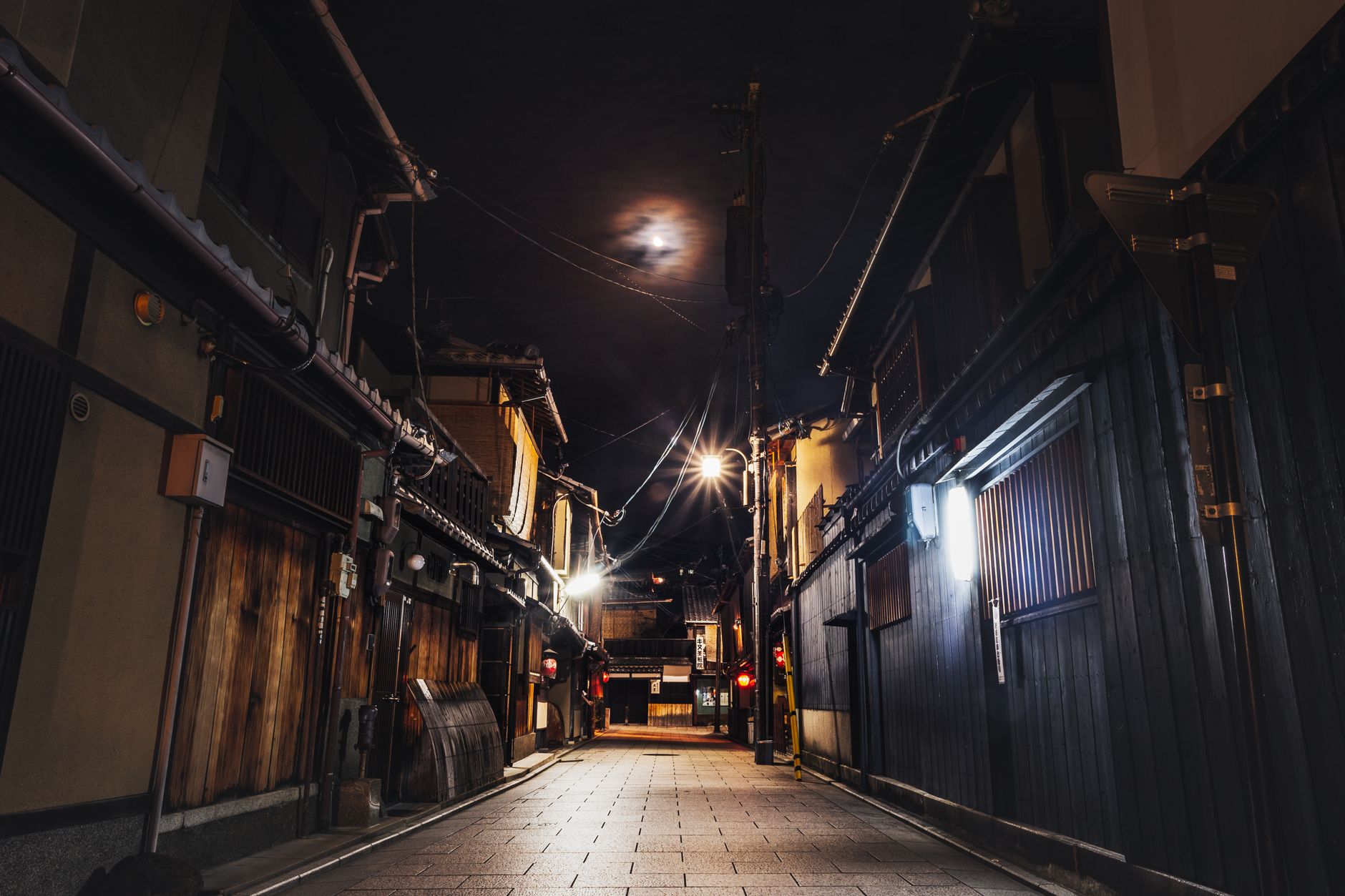

Kyoto is a city of contrasts. While tour buses unload every morning in front of the Golden Pavilion, in the alleys of Gion a resident sweeps the entrance of his wooden house before the first visitors arrive. Japan’s ancient capital, which was the imperial seat for more than a thousand years, now faces the challenge of preserving its heritage and its daily life while hosting millions of people.
This report explores how Kyoto’s historic neighborhoods manage that coexistence. It is not a simple conflict between tourists and residents, but an urban ecosystem where tradition, tourism and daily life seek a meeting point.
An urban landscape shaped by time
Kyoto lies in a valley surrounded by mountains, a location that has conditioned its growth and character. Unlike other Japanese cities rebuilt after the war, Kyoto preserves an urban fabric where machiya, traditional wooden townhouses, still define the scale of many neighborhoods.
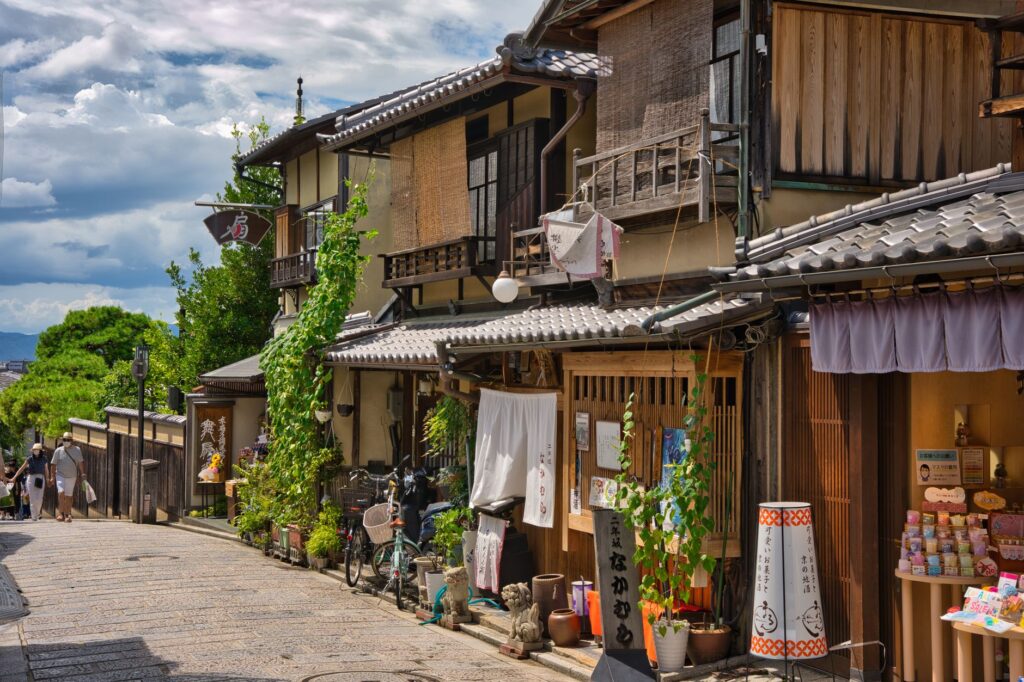
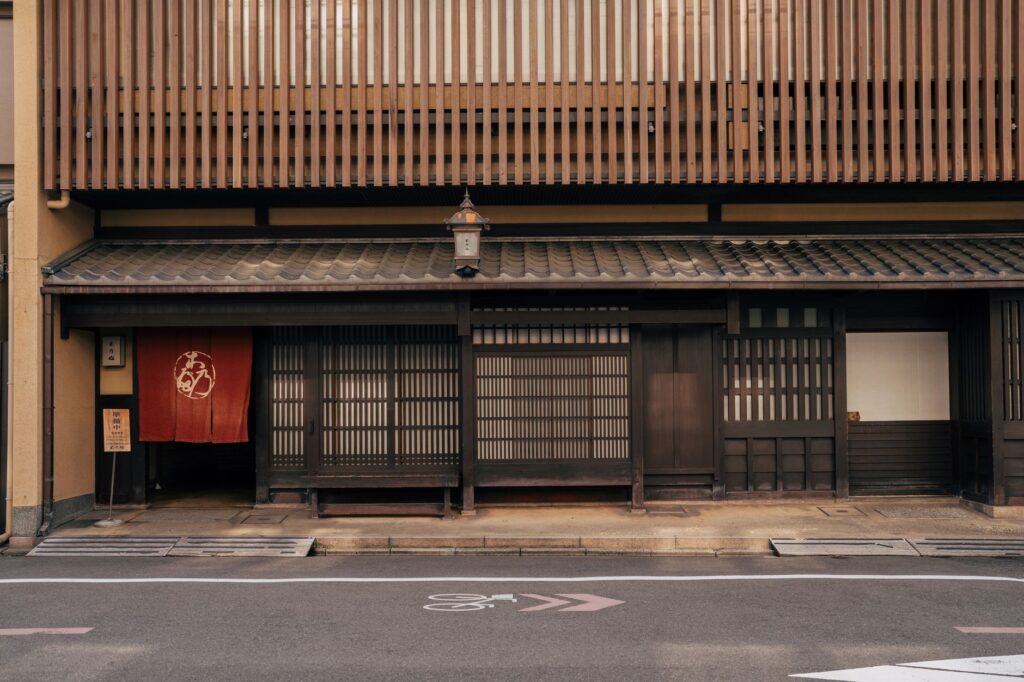
These narrow, elongated homes with inner courtyards and wooden lattice fronts are not just an architectural attraction. They are the physical structure on which community life has been built for generations. In neighborhoods like Nishijin, known for its textile industry, or in the streets near Nishiki Market, machiya coexist with shops, workshops and small family businesses.
Topography also matters. The Higashiyama neighborhoods climb the slopes of the eastern mountains, with temples overlooking narrow alleys. In Arashiyama, to the west, the Katsura River and the bamboo grove set a different, slower pace that attracts both visitors and residents seeking fresh air.
Gion: the neighborhood that learned to protect itself
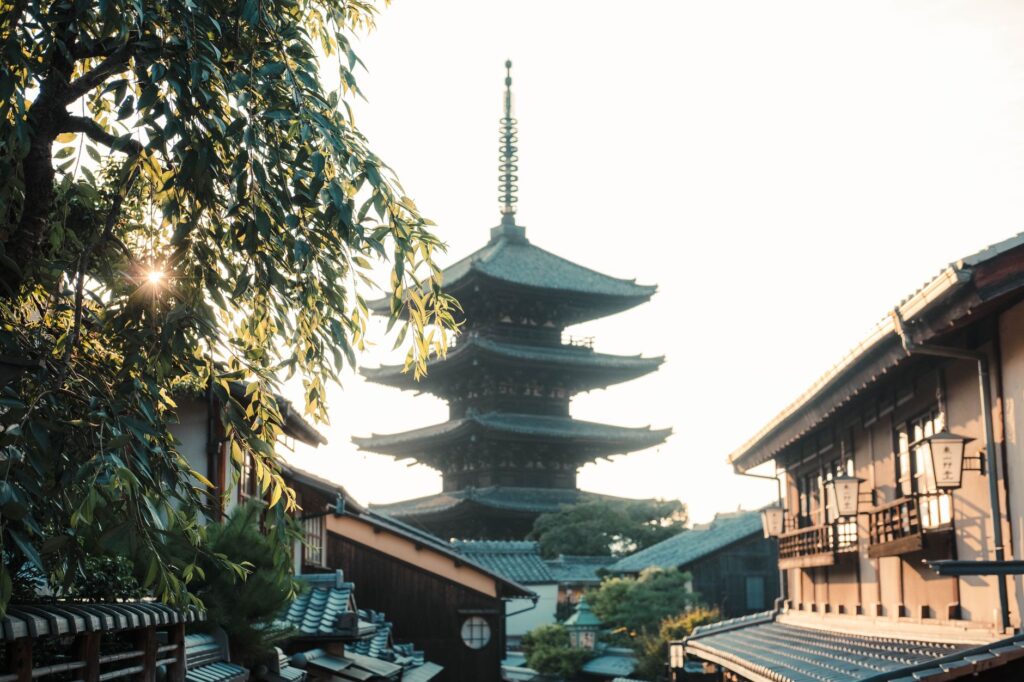
Gion is probably Kyoto’s best-known historic district and also the one that has experienced the impact of tourism most intensely. Its wooden streets, tea houses and the chance to cross paths with a geiko or a maiko have made it a magnet for visitors.
However, that same appeal has generated tensions. Local authorities have had to take measures to regulate tourist behavior, such as banning street smoking or installing signs reminding people not to stop geishas for photographs. These actions are not meant to drive visitors away, but to protect a way of life that is also part of the city’s heritage.
“It’s not about closing the neighborhood, but about remembering that people live here. Respect is the only way to keep this a real place and not a stage set.”
Coexistence in Gion depends on small gestures. Walking without blocking the streets, not entering private property, not chasing geishas with cameras. Residents acknowledge that tourism is a source of income, but insist that neighborhood life cannot become a permanent spectacle.
Nishiki Market and the art of shopping without getting in the way
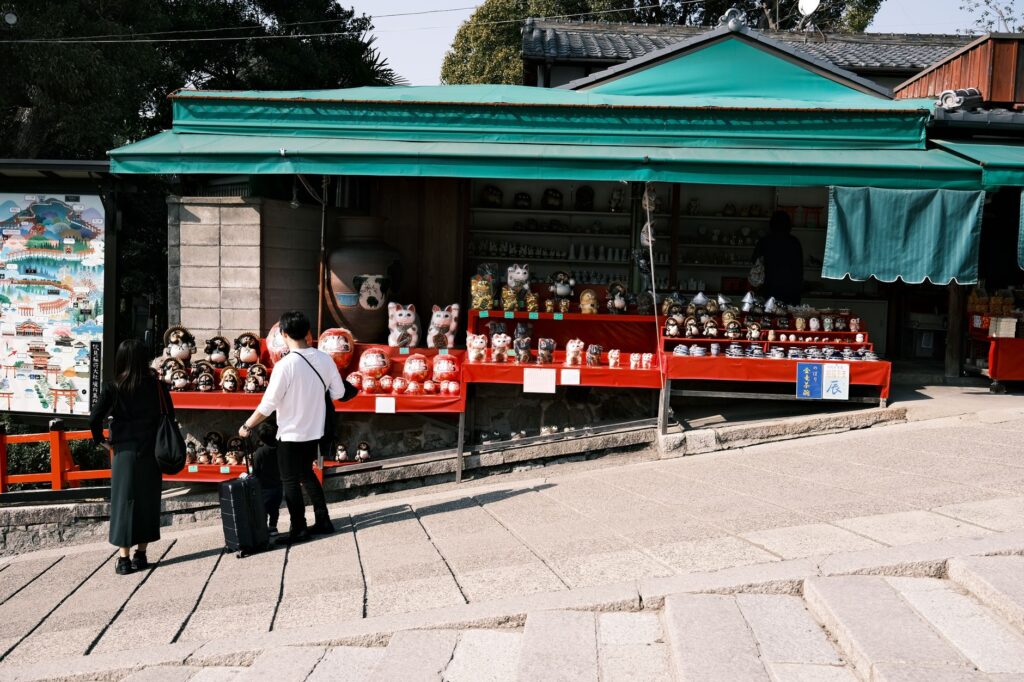
Nishiki Market, known as “Kyoto’s kitchen,” is a covered passage five blocks long lined with more than a hundred stalls and shops. Here you can buy pickles, fish, traditional sweets and kitchen utensils. It is a workplace for merchants and also a very popular spot.
Etiquette is essential. Authorities recommend eating at the stall where you buy and not walking while eating, to avoid accidents and litter. Visitors are also asked not to touch products without permission and not to block the aisle, which gets crowded at peak times.
Some merchants have expressed concern about the excess of visitors at certain times of day. The response has not been to close the market, but to promote alternative hours and remind people that this is a place where locals work and shop daily.
Beyond the center: neighborhoods that also breathe
Kyoto is not just its historic center. To the north, in areas like Ohara or Kurama, the landscape becomes rural and temples blend into forests and mountains. To the south, in Fushimi, canals and sake warehouses tell another story. To the west, in Uji, green tea is the protagonist.
These neighborhoods offer an alternative for those who want to experience Kyoto without contributing to the saturation of the most crowded spots. They also help visitors understand that the city is a vast and diverse territory, where the relationship between landscape and daily life changes from neighborhood to neighborhood.
In Fushimi, for example, life revolves around water. The canals that once served to transport sake remain a central element of the landscape. In Uji, tea fields spread across the hills and tea houses invite a pause that has little to do with the pace of the center.
Everyday life in the alleys
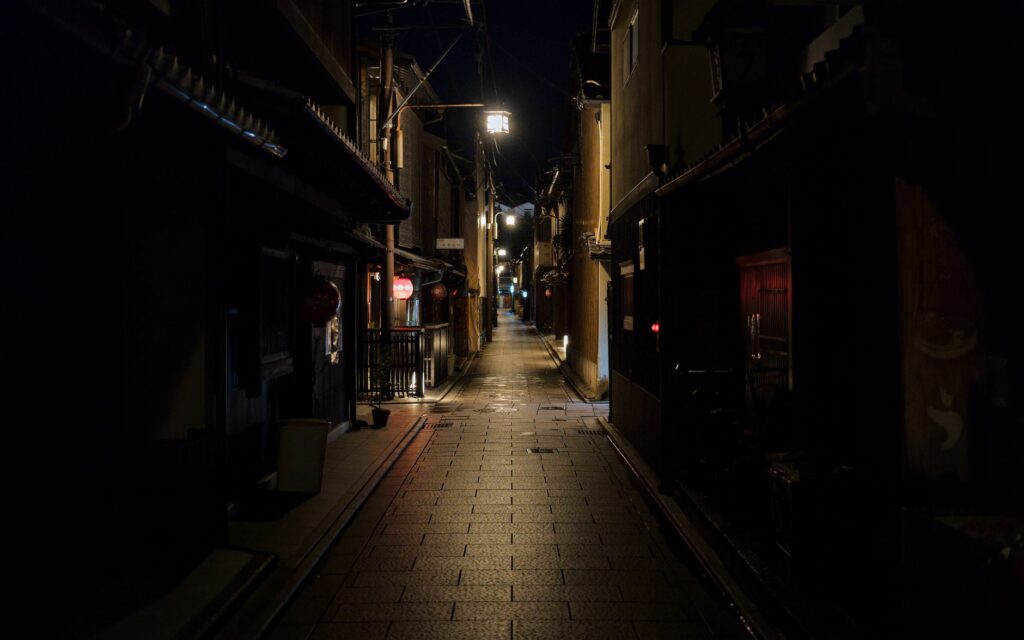
Beyond the great temples, Kyoto’s life unfolds in alleys and small squares. There, neighbors tend their plants, chat with shopkeepers and maintain support networks that never appear in travel guides.
The machiya is not just a house: it is a space that opens onto the street through the shop or workshop. That continuity between public and private explains why the massive arrival of visitors can feel invasive. When a group of tourists stops to photograph a facade, they are entering, if only visually, someone’s space.
Residents are not asking for Kyoto to be off-limits. They are asking for visits to be made with care. To ask before photographing. To respect rules of coexistence. In short, to remember that the city is not a museum, but a place where people live.
The role of institutions and communities
The City of Kyoto has launched various initiatives to manage tourism. One is the congestion forecast map, which allows users to check real-time crowds at the most visited spots. It also encourages visiting temples at less busy times, such as early morning or dusk.
Local communities have created their own awareness campaigns. In Gion, for example, signs in several languages explain basic rules: no street smoking, no littering, no touching private property. Some neighborhood associations organize guided tours to explain the area’s history and encourage more respectful tourism.
These measures are not always well received by everyone. Some visitors feel restrictions limit their experience. Others appreciate the information because it helps them understand the context. The balance is delicate and varies by neighborhood and season.
The relationship between landscape and daily life
In Kyoto, the landscape is not a backdrop but an active element of daily life. The mountains surrounding the city mark the rhythm of the seasons. In spring, cherry blossoms attract crowds; in autumn, maples turn temples red. Residents live with these cycles and with the arrival of visitors who want to see them.
The Kamo and Katsura rivers are spaces for walking and gathering. In summer, riverside terraces offer outdoor dining. In winter, cold air and occasional snow transform the landscape. This relationship with nature is part of Kyoto’s identity and a source of pride for its inhabitants.
Daily life is organized around these rhythms. Tea ceremonies, festivals like Gion Matsuri and practices such as hanami (cherry blossom viewing) are not just tourist events but traditions that structure the year.
Practical guide
To visit Kyoto without contributing to overcrowding and with respect for its residents, keep these recommendations in mind.
- Timing: Visit the most popular temples and neighborhoods early in the morning or late in the afternoon. Check the City of Kyoto’s congestion forecast map to choose the best times.
- Transport: Use trains and buses. Leave luggage in station lockers or storage facilities to avoid carrying it and reduce congestion on public transport.
- Gion etiquette: Do not stop geishas or maikos for photos. Do not touch their clothing. Do not enter private property. If you want an experience with maikos, consider booking an activity at Gion Corner or other authorized venues.
- Nishiki Market: Eat at the stall where you buy. Do not walk while eating. Do not litter; bring a bag for trash if needed.
- Smoking: Street smoking is prohibited in many central areas, including Kiyomizu and Gion. Look for designated smoking areas.
- Alternative neighborhoods: Explore areas like Ohara, Kurama, Fushimi or Uji to see another side of Kyoto and help distribute visitor flow.
- Accommodation: Consider staying in restored machiya or ryokan outside the center for a quieter, more respectful experience.
These guidelines are not meant to limit your visit but to make it more conscious. Kyoto is a living city, and its future depends on visitors and residents sharing space with care.
A closing with a human gaze
At the end of the day, when the buses leave and the streets empty, Kyoto recovers its rhythm. Neighbors come out to water their plants, shopkeepers close their shutters and the alleys fall silent. It is then that you sense the city is not just a destination but a home for those who inhabit it.
That home is what deserves protection. Not with barriers, but with respect. The next time you visit Kyoto, remember that every photograph, every step and every gesture can help keep that coexistence possible.