
In the Chiloé archipelago, off the coast of southern Chile, wood does more than build houses and boats: it raises temples that have defied rain, wind, and time for centuries. The Churches of Chiloé, declared a UNESCO World Heritage Site in 2000, are the finest expression of an architectural tradition unique in Latin America, born from the encounter between Jesuit and Franciscan missionaries and the island communities.
Far from being museum pieces, these temples remain the heart of community life. Every Sunday, in towns like Achao, Dalcahue, or Chonchi, the wooden pews fill again and the sound of bells calls together neighbors and visitors. To know them is to glimpse a culture that has integrated faith, landscape, and human ingenuity in a fragile but persistent balance.
An archipelago shaped by wood
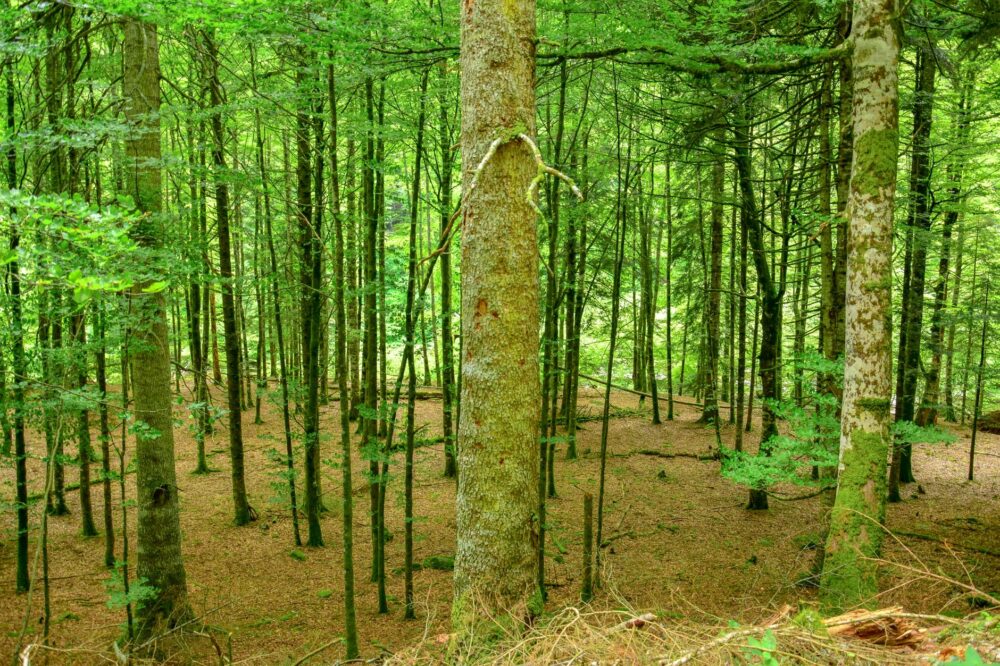
Chiloé is a group of islands separated from mainland Chile by the Chacao Channel. Its humid, temperate climate favored the growth of valuable native forests, including alerce, Guaitecas cypress, and coigüe. This abundance of wood, combined with geographic isolation, gave rise to a distinct building culture—the so-called Chilota School of architecture—that reached its highest expression in the churches.
The first temples were erected in the 17th century by Jesuit missionaries who traveled the islands in a circular mission system. After the expulsion of the Jesuits in 1767, the Franciscans took up the work and continued to enrich the model into the 19th century. At their peak, there were more than a hundred churches; today about seventy remain, of which sixteen are part of the World Heritage list.
Architecture that mimics the sea
Anyone who looks closely at a Chilota church will notice that its structure resembles that of a ship. This is no coincidence: the carpenters who built them were also boat builders, and they brought naval techniques to the temples, such as joining pieces, using wooden pegs, and shaping the roofs. The tower façade, the arched portico, and the single nave with a gabled roof are distinctive features of this style.
The materials are local: alerce planks, cypress and coigüe shingles, and plant fibers for ties. The result is buildings that seem to blend into the landscape, painted in soft colors or left natural, always in dialogue with the green forest and gray sky. Inside, the decoration combines religious images, traditional colors, and an atmosphere of recollection that invites silence.
UNESCO highlights that these churches represent a successful fusion of indigenous and European cultural traditions, as well as the full integration of their architecture into the landscape and environment. The orientation and location of the temples were deliberate: built according to the demands of the sea, they were arranged on hills to be seen by navigators and to prevent flooding. Their associated esplanades remain important components, embodying communication with the sea and serving as scenes of religious festivals.
The sixteen jewels of World Heritage
UNESCO recognized sixteen churches for their outstanding value: Achao, Quinchao, Castro, Rilán, Nercón, Aldachildo, Ichuac, Detif, Vilupulli, Chonchi, Tenaún, Colo, San Juan, Dalcahue, Chellín, and Caguach. Each has its own character, but all share the same essence: being the spiritual and social center of their community.
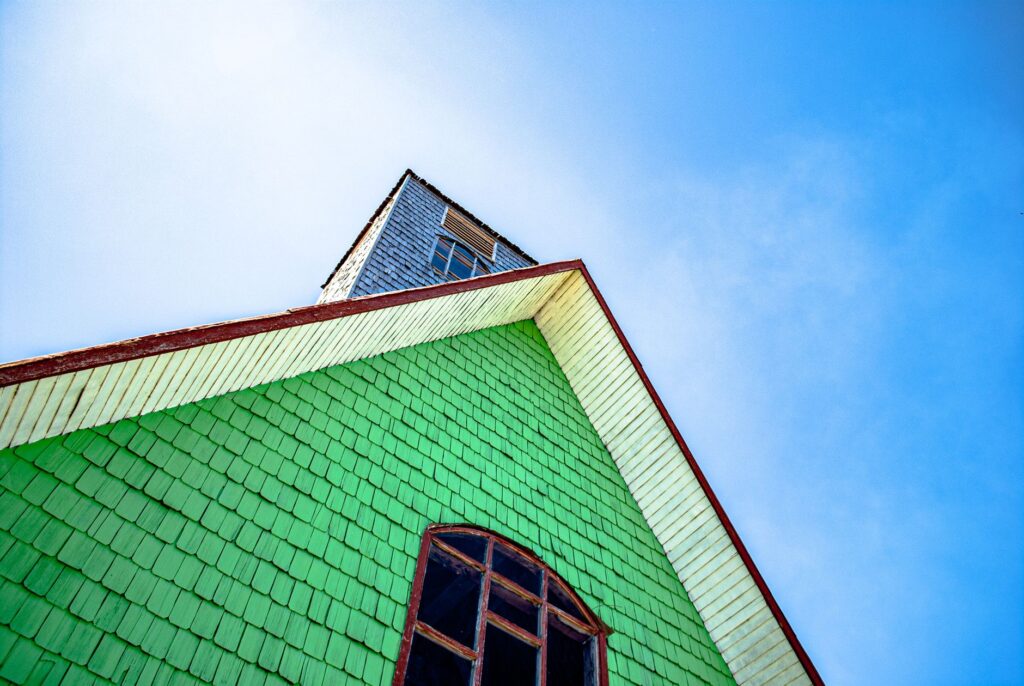
The church of Achao, on Quinchao Island, is considered the oldest and one of the most beautiful. Its construction dates to the mid-18th century, and its interior houses a valuable altarpiece. In Dalcahue, the Church of Our Lady of Sorrows surprises with its slender tower and seaside location. Chonchi, known as the city of three floors, has a blue church that has become a symbol of the archipelago.
These sixteen churches are significant not only for their basic architectural design but also for their building material, construction systems, and the expertise demonstrated by Chilote carpenters, as well as for their interior decoration, particularly the traditional colors and religious images. The churches are distinguished by an indigenous tradition of building in wood strongly influenced by boat-building techniques, as shown by the forms and jointing of the tower and roof structures.
“These churches are not just monuments: they are the place where the community gathers, celebrates, and recognizes itself,” notes an informational sign from Chile’s National Monuments Council.
A living heritage, not frozen in time
Unlike other historic sites, the Churches of Chiloé still serve their original function. Masses, baptisms, weddings, and festivities such as the Feast of San Antonio in Colo or the Virgin of Candelaria in Caguach, which draws thousands of faithful each year, are held in them. This vitality is also their greatest challenge: constant use and extreme weather conditions demand ongoing maintenance.
The 1960 earthquake and later storms, such as the one that caused the collapse of the Chonchi tower in 2002, highlighted the vulnerability of these structures. Since 2003, a program led by the Government of Chile and the Inter-American Development Bank has restored numerous churches, recovering traditional techniques and training new carpenters.
UNESCO notes that the churches require constant conservation efforts; the nature of the building material and the environmental characteristics make continual maintenance an imperative. The communities have always assured their conservation, but current phenomena associated with modernization and globalization have increased the vulnerability of the churches.
The community as guardian
The conservation of the churches does not fall solely on institutions. Residents actively participate in cleaning, maintenance, and organizing festivals. The minga, a form of voluntary community work, remains alive and has been key to repairing roofs, painting façades, or restoring altars.
The Friends of the Churches of Chiloé Foundation, created by the Diocese of Ancud, coordinates efforts and channels contributions. Its work has allowed communities to take ownership of the heritage and feel it as their own. “Without the people, these churches would not exist,” summarizes a foundation brochure.
UNESCO emphasizes that devotional and communitarian practices, religious festivals, and supportive group activities such as minga are key components of the intangible values of the relationship between the communities and the churches. The unified and selfless participation of the community in the conservation and preservation of the wisdom, expertise, and ancestral knowledge of the carpenters is essential in this regard.
Environmental and conservation challenges
Climate change and the scarcity of noble woods like alerce and cypress pose growing threats. Historical logging drastically reduced the populations of these species, and alternatives with similar properties are now being explored. Additionally, constant humidity encourages xylophagous insects that attack wood, so preventive treatments are being researched.
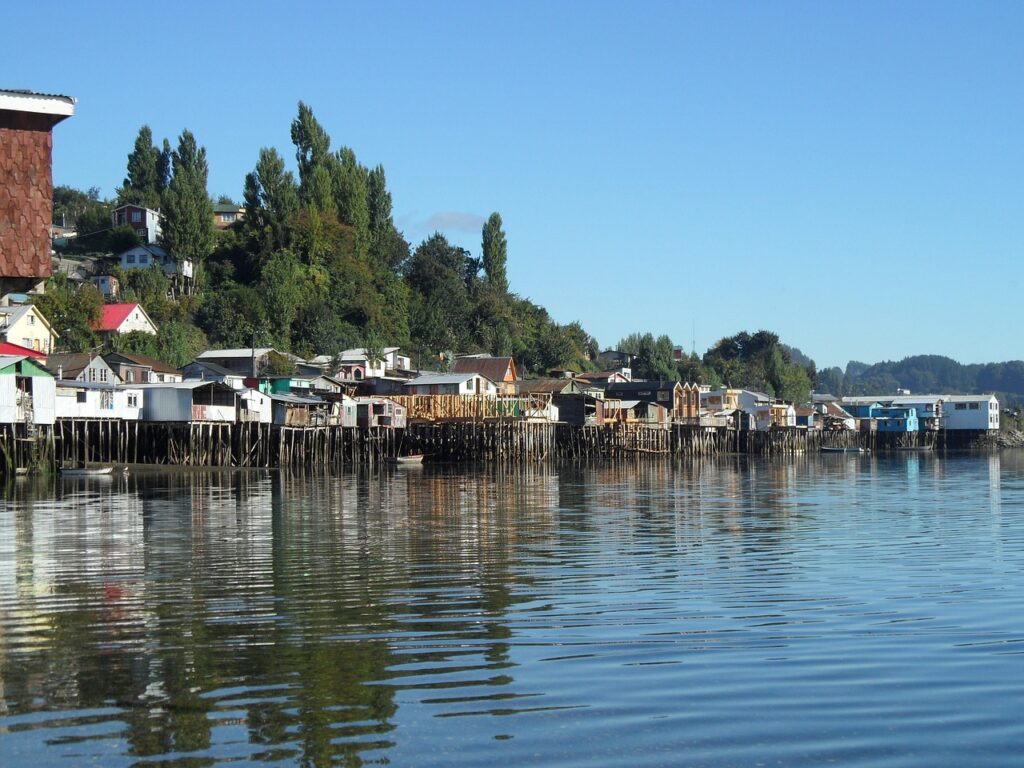
Another challenge is tourism. While it can generate economic benefits, it also carries risks of over-commercialization or trivialization. The balance is delicate: the goal is for visitors to contribute to conservation without altering the daily life of the communities.
UNESCO points out that the sustainability of the conservation effort is a significant challenge: the churches are located at the centers of their communities’ development, and a formula must be found to ensure their conservation in the context of any such development. A shortage of fine hardwoods and the protection of the species that provide them represent current challenges. Investigating, recording, and transmitting the building techniques to new generations are essential, as well as research on the properties of different woods and on the treatments that mitigate the effects of weathering and attacks by xylophages.
What to see and how to visit
Touring the Churches of Chiloé requires time and respect. Most are in rural areas or small towns, accessible by car, bus, or boat. Some open only during worship hours or by coordinating with the communities. It is advisable to check in advance at local tourism offices and respect the rules of each temple.
Beyond the churches, the archipelago offers landscapes of forests, wetlands, and coasts, as well as a unique cuisine: curanto, milcao, and fresh seafood are part of the experience. Wood and wool crafts also reflect Chilote identity.
Visitors should remember that these are active places of worship. The churches are part of the Catholic Church’s Diocese of Ancud and are administered by the Bishop of Ancud and parish priests, with the support of the Friends of the Churches of Chiloé Foundation. Respect for local customs and sacred spaces is fundamental to ensuring that tourism remains a positive force for conservation.
Practical guide
- How to get there: Flights from Santiago to Puerto Montt (about 2 hours), then bus or car to Pargua to cross the Chacao Channel by ferry (30 minutes). There are also direct flights to Castro from Santiago.
- When to travel: High season runs from December to February, with milder temperatures. The rest of the year is rainier but ideal to avoid crowds.
- What to bring: Waterproof clothing, comfortable shoes, and respect for sacred spaces. In winter, warm layers.
- Where to stay: Castro, Dalcahue, and Chonchi offer varied accommodations, from hostels to boutique hotels. There are also cabins in rural areas.
- Responsible tips: Do not touch the images or the wood; ask before photographing; attend services respectfully; buy local crafts; and avoid leaving waste.
A legacy that renews itself
The Churches of Chiloé are much more than historic buildings. They are proof that a community can keep a tradition alive for centuries, adapting to change without losing its essence. Every board, every nail, every color tells a story of faith and ingenuity. Visiting Chiloé is, in a way, participating in that story and helping it continue to be written.
At dusk, when golden light filters through a church window and the smell of damp wood fills the air, you understand why this heritage is unique. It is not behind glass: it beats in the daily life of its people.