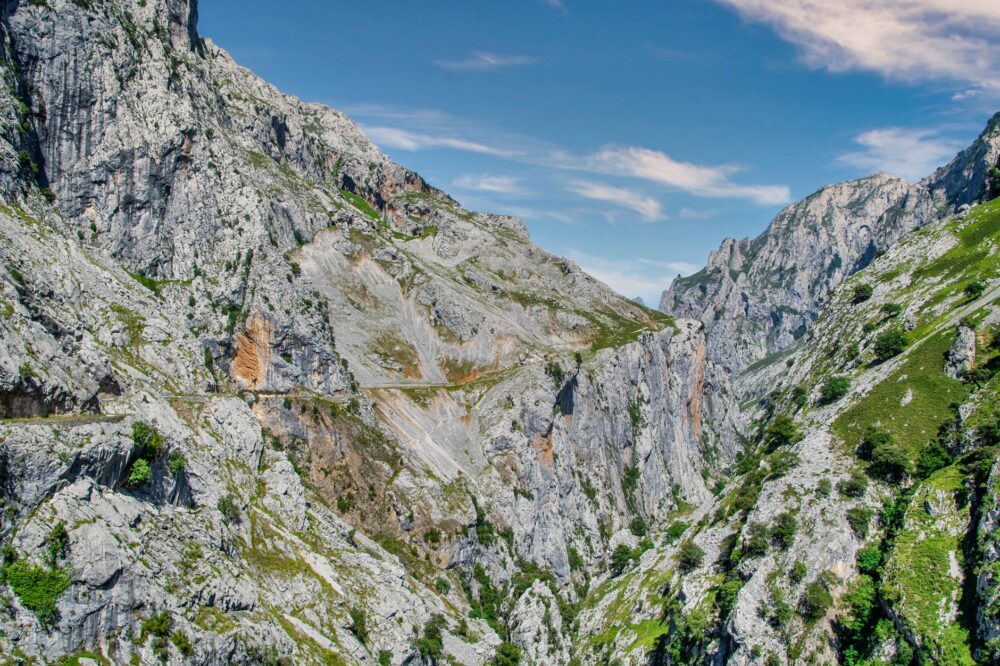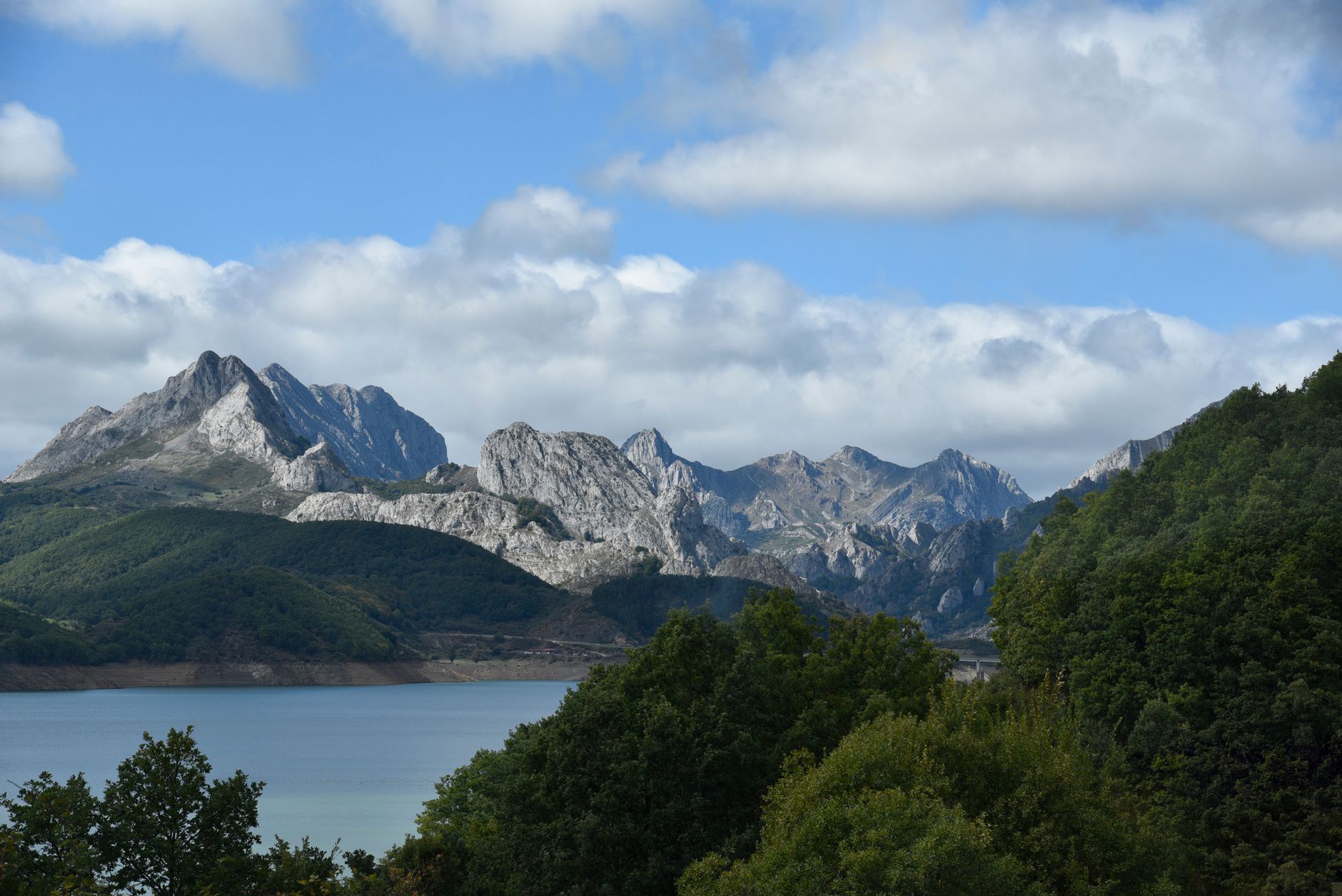

On the shaded slopes of Spain’s Cantabrian Mountains, oak and beech forests form a green mosaic that has once again become brown bear territory. What for decades was a residual presence, almost a rumor among valley residents, has become a recovery phenomenon that forces us to rethink the relationship between wildlife, livestock farming, and rural life. This is not a theme park or a guaranteed spectacle: seeing a bear is a matter of chance, and most people who live here coexist with its tracks rather than its figure.
The Cantabrian Mountains stretch for more than 400 kilometers across Galicia, Asturias, Cantabria, Castile and León, and the Basque Country. In its valleys, depopulation and the abandonment of traditional uses have left a landscape in transition, where forests advance over former meadows and natural corridors are reassembling. This context partly explains why the brown bear has found a possible refuge here.
A landscape of forests and meadows that sustains wildlife
The brown bear’s habitat in the Cantabrian Mountains combines stands of sessile oak, beech, birch, and chestnut with hay meadows and high-mountain scrub. This plant diversity offers seasonal food: acorns in autumn, beechnuts, wild fruits, tender shoots in spring, and occasional carrion. Bears do not depend on a single resource, and that flexibility has been key to their recovery.
The rugged topography, with slopes rising more than a thousand meters in just a few kilometers, creates microclimates and natural refuges where the plantigrade finds tranquility. Mature forests, with old trees and hollows, serve as dens for winter torpor. North-facing slopes, cooler and more humid, concentrate the densest vegetation, while sunny slopes offer early pastures.
The return of a species that was on the brink of disappearance
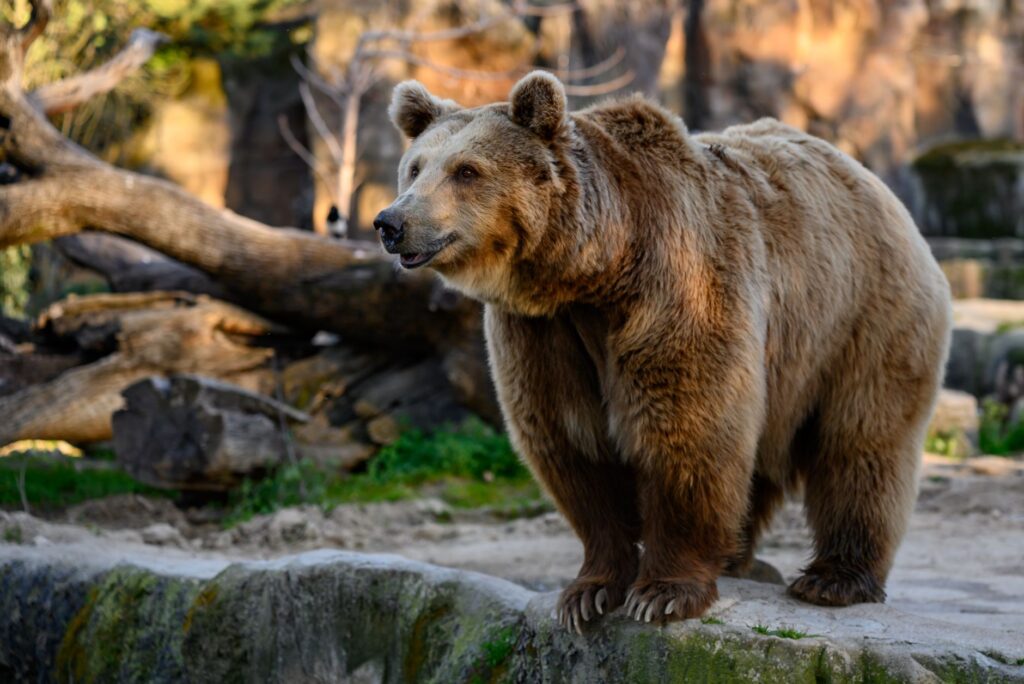
Just three decades ago, the Cantabrian brown bear was considered critically endangered. Hunting, habitat fragmentation, and direct persecution reduced its numbers to a minimum that raised fears for its viability. Legal protection, monitoring, and conservation projects changed the trend, and today the species is returning to areas from which it had disappeared.
That recovery has not been linear or free of conflict. In valleys where the bear has returned, livestock farmers have had to adapt their practices: electric fences, guard dogs, more constant human presence. Authorities have articulated compensation for damage, although coexistence remains a fragile balance negotiated each season.
The recovery of the bear is not only a biological achievement: it is proof that a territory can reorganize itself without expelling those who inhabit it.
Biological corridors: the invisible routes of the plantigrade
Bears need space. An adult male can travel dozens of kilometers in search of food or a mate, and landscape fragmentation by roads, infrastructure, and urban centers represents a constant threat. Biological corridors, strips of land connecting protected areas, are essential so that the population does not become isolated.
In the Cantabrian Mountains, these corridors run through valley forests, ridges, and mountain passes. Their preservation requires agreements between landowners, authorities, and conservationists, and it is not always simple. Roadkill remains one of the main causes of loss of individuals, underscoring the importance of wildlife crossings and signage.
Extensive livestock farming and wildlife: a coexistence under construction
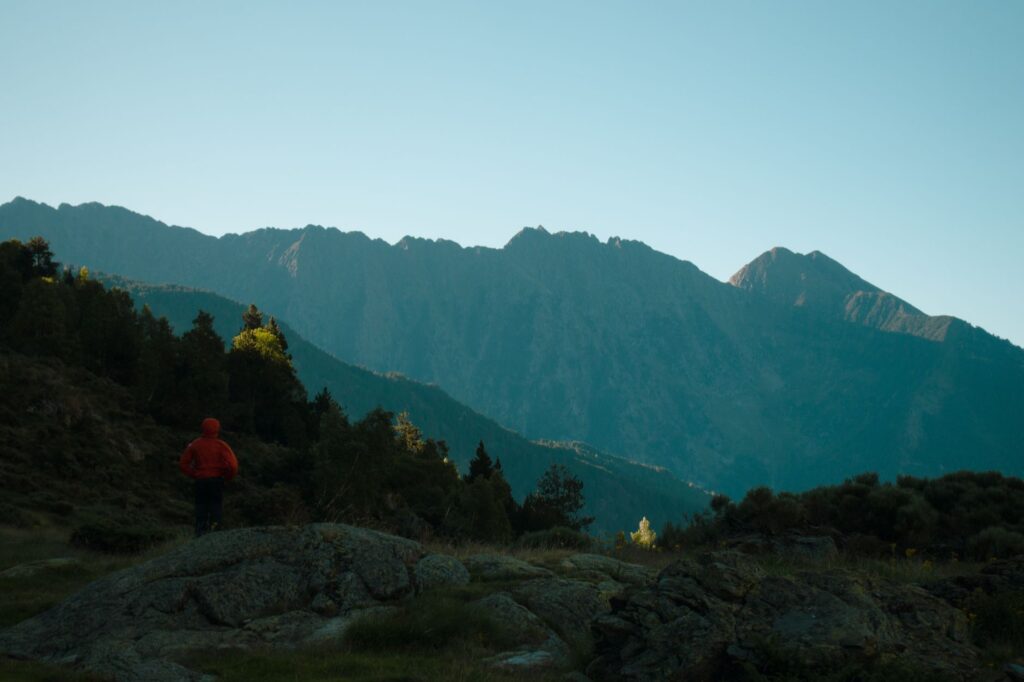
Extensive livestock farming has shaped the Cantabrian landscape for centuries. Cows, sheep, and goats graze on meadows and mountain pastures, keeping scrub at bay. That activity is also a food source for bears, which may prey on smaller livestock or take advantage of dead animals.
Conflict is not inevitable, but it requires attention. Protection systems, such as night pens and mastiff dogs, reduce attacks. Compensation covers part of the losses, although farmers demand agility and fair amounts. In some valleys, the bear’s presence has become an argument for nature tourism, generating complementary income but also new management challenges.
The bear as cultural and natural heritage
The brown bear is not only a protected species: it is a cultural symbol in the Cantabrian Mountains. It appears in legends, place names, and festivities, and its image has become an emblem of conservation. That cultural dimension reinforces the identity of villages and can be an engine for rural development if managed wisely.
However, the heritagization of the bear also carries risks: excessive romanticization can hide real conflicts and generate inflated tourism expectations. Responsible observation, with specialized guides and prudent distances, is the only path compatible with the well-being of wildlife.
Seeing a bear is not a traveler’s right, but a privilege that depends on respect and patience.
What makes the Cantabrian habitat unique
The combination of Atlantic and Mediterranean influence, with mild summers and humid winters, creates a singular ecosystem. Oak and beech forests mix with holm oak and chestnut groves, and at higher elevations alpine grasslands and broom scrub appear. This diversity sustains a complex food chain that includes the bear, the wolf, the chamois, and numerous birds of prey.
Land management is key: rural abandonment favors forest expansion, but also reduces the human presence that deters bears from approaching inhabited areas. The balance between conservation and traditional use is the great challenge of the mountain range.
Research and monitoring: science for conservation
Monitoring the bear population is carried out through camera trapping, genetic analysis of hair and scat, and GPS collars on some individuals. These data reveal routes, home ranges, and health status, and form the basis for management decisions.
Research also assesses the impact of infrastructure and designs corrective measures. Citizen science projects, with volunteers collecting signs, complement the work of technical teams.
Villages that resist and adapt
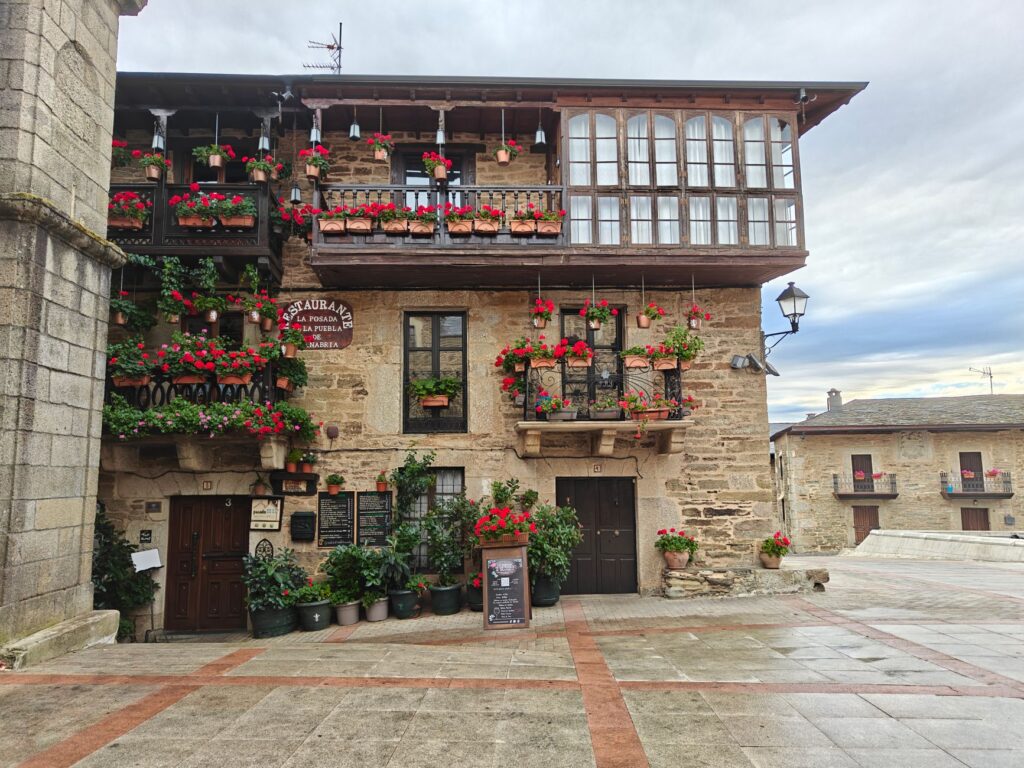
The Cantabrian valleys have lost population in recent decades, but some municipalities resist thanks to livestock farming, rural tourism, and crafts. The bear’s presence has given visibility to these territories and has driven local development initiatives, from rural houses to cheese shops and signposted trails.
However, life in these villages is not easy: limited services, harsh winters, and an economy dependent on subsidies. Bear conservation does not solve those problems, but it can help maintain the social fabric if integrated into a broader strategy.
Practical guide
If you want to explore the brown bear’s habitat in the Cantabrian Mountains, keep in mind that sightings are never guaranteed. The best time to visit the area is spring and autumn, when bears are more active and the landscape is more accessible. Summer months attract more visitors, but also more heat and less bear activity.

Always respect signs and local guides’ instructions. Do not enter restricted areas or leave food or waste behind. If you go hiking, carry water, proper footwear, and a map; mobile coverage is patchy in many valleys. To observe wildlife, hire authorized guide services that operate at safe distances without disturbing the animals.
Staying in rural houses and buying local products contributes to the valley economy. Ask about interpretation trails and visitor centers, where you will find updated information about the species and its environment.
A closing among oaks and silence
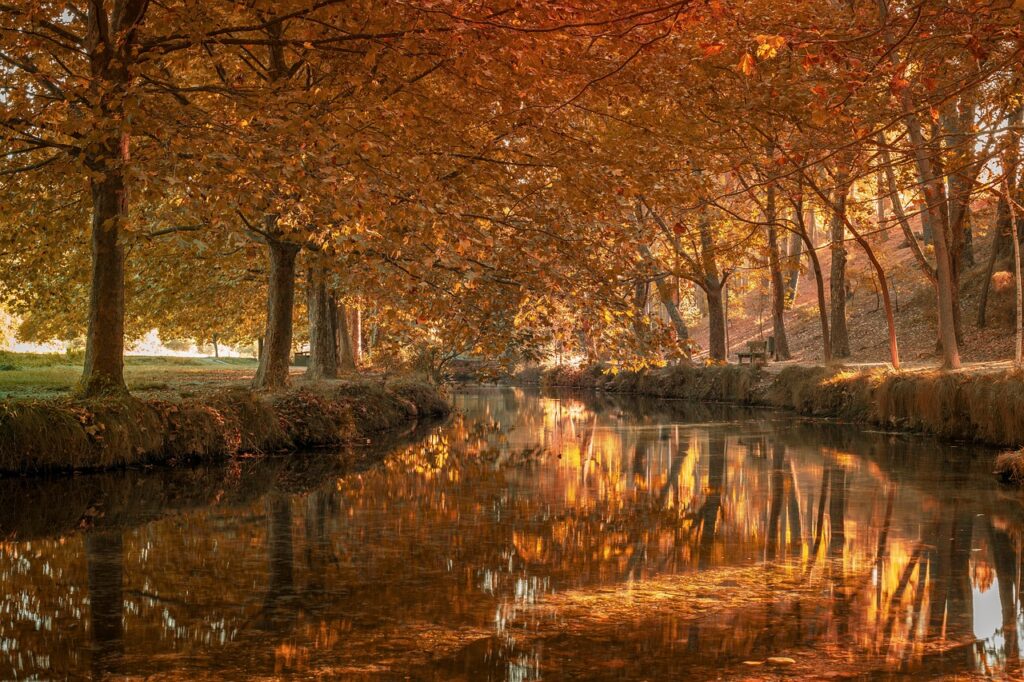
At the end of the day, when light falls on the oak groves and silence settles over the meadows, Spain’s Cantabrian Mountains remind us that coexistence with the brown bear is an exercise in patience and respect. There is no guaranteed spectacle, but there is a landscape that continues to pulse with the discreet presence of a species that has returned to stay. And that, in a world of accelerating extinctions, is extraordinary news.