
Venturing into Gabonese territory means crossing an invisible border where contemporary civilization cedes absolute prominence to the thick canopy of the equatorial forest. This expedition organized by EL PAÍS Travel proposes a rigorous journey through one of the best-preserved biogeographical enclaves on the African continent, a territory where human pressure has historically been low and biodiversity maintains its pristine balances.
Far from the mass-market circuits of conventional tourism, Gabon stands as a vast green sanctuary. Through this report, we analyze the keys to a journey designed for inquisitive minds, veteran explorers, and travelers seeking to understand the complex relationship between environmental conservation, local development, and the immensity of Central African ecosystems.
The Great Green Blanket of Central Africa
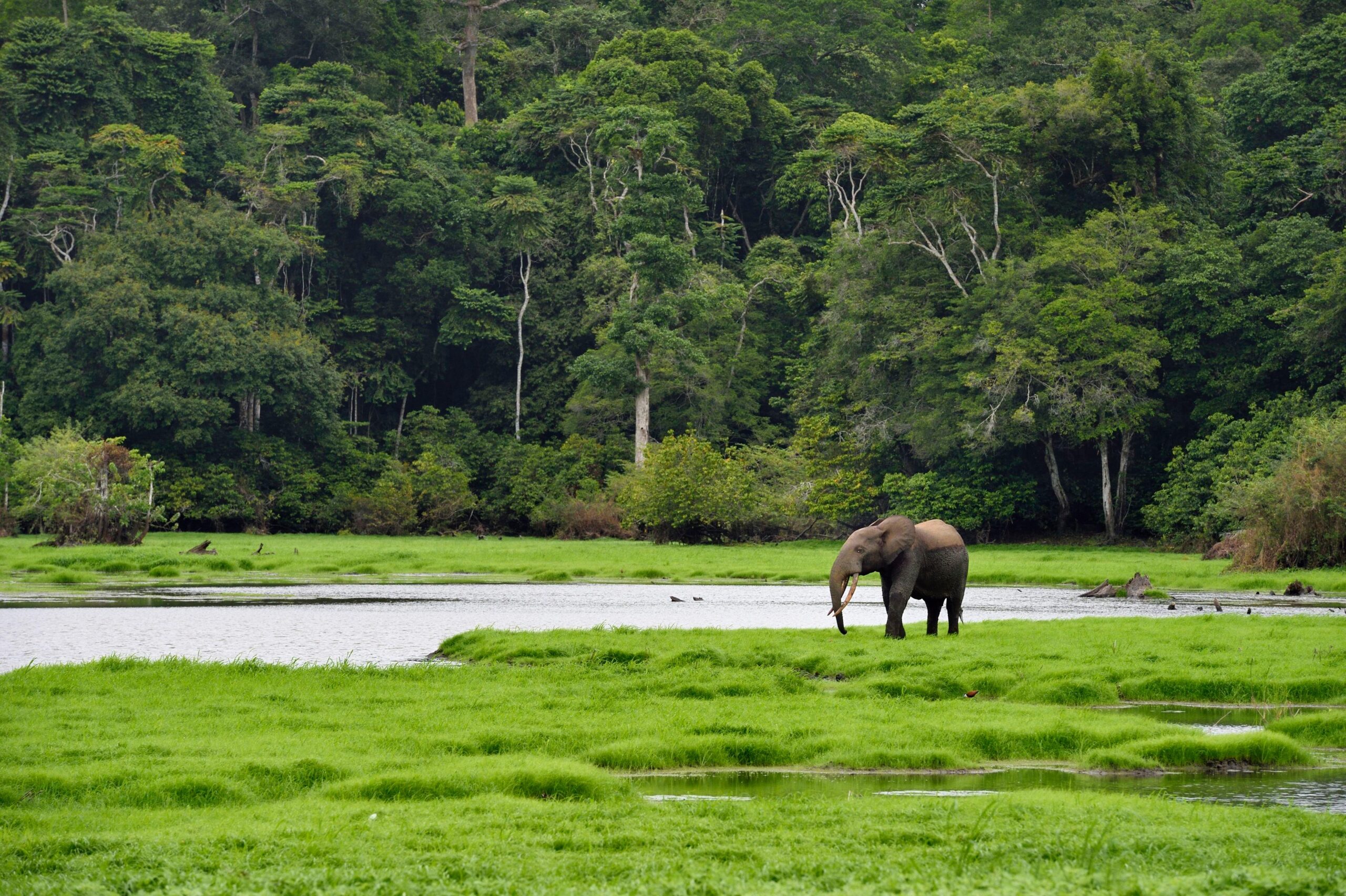
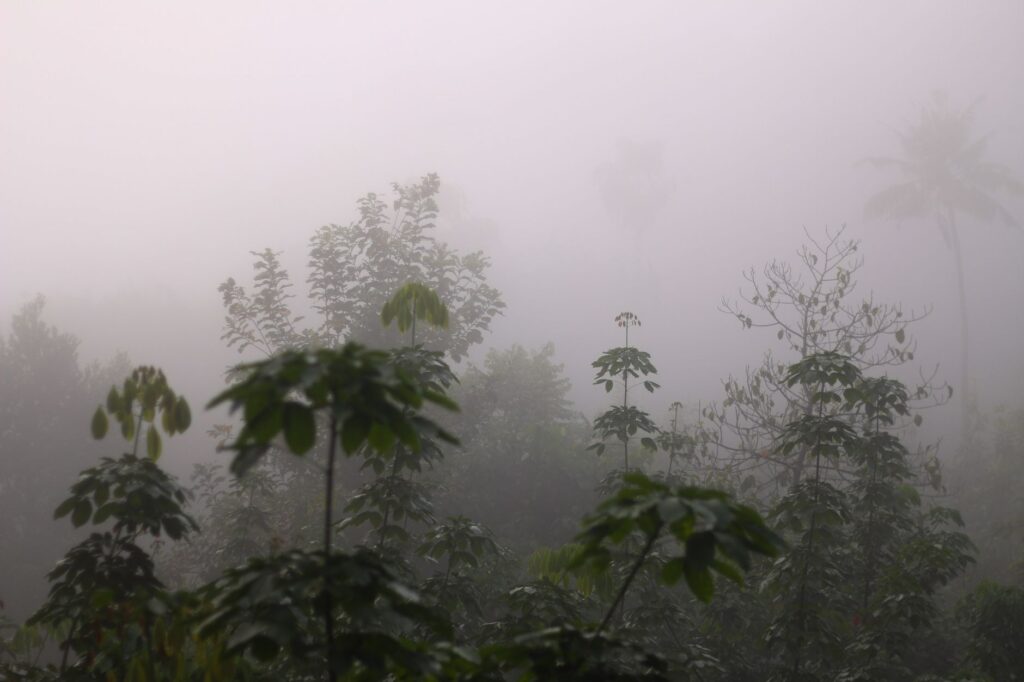
More than eighty percent of Gabon’s surface is covered by a dense forest mass that forms part of the Congo Basin, the planet’s second green lung. This humid tropical forest is not merely an aesthetic landscape, but a complex biological network where thousands of endemic plant species, large mammals, and exceptional birdlife coexist. The density of the foliage creates a unique microclimate, characterized by constant humidity and permanent gloom that barely allows the sun’s rays to filter down to the understory.
The natural history of this region is intrinsically linked to the country’s low demographic density. With just over two million inhabitants concentrated mostly in urban centers like Libreville and Port-Gentil, the rural and forested interior has remained for centuries on the margins of the massive deforestation that has plagued other points of the continent. The result is a territory where the traveler experiences a genuine sensation of isolation and direct contact with wild nature.
The National Conservation Strategy and National Parks
At the dawn of the 21st century, the Gabonese state made an unprecedented decision by setting aside eleven percent of its national territory to create a network of thirteen national parks. This bold environmental policy transformed the country’s territorial management and laid the foundations for a model of scientific and controlled ecotourism. Parks like Lopé, Ivindo, or Loango are not mere spaces of passive protection, but living laboratories where the interaction between wildlife and primary habitats is investigated.
The creation of the national park network in Gabon marked a global turning point in the protection of Central Africa’s tropical rainforests.
During the expedition, access to these enclaves is carried out under strict scientific protocols and with the accompaniment of specialized guides and local rangers. The fundamental objective of these visits is to minimize the ecological footprint while allowing the direct observation of emblematic species in their natural environment, ensuring that tourism acts as an economic engine for habitat preservation.
Loango: Where the Jungle Embraces the Atlantic Ocean
One of the greatest geographical and iconographic attractions of Gabon is Loango National Park, frequently referred to as Africa’s last eden. At this singular point, the dense and impenetrable equatorial jungle abruptly flows into the extensive, pristine white sand beaches of the Atlantic Ocean. This intersection of marine and terrestrial ecosystems generates unusual animal behavior that has fascinated naturalists and photographers worldwide.
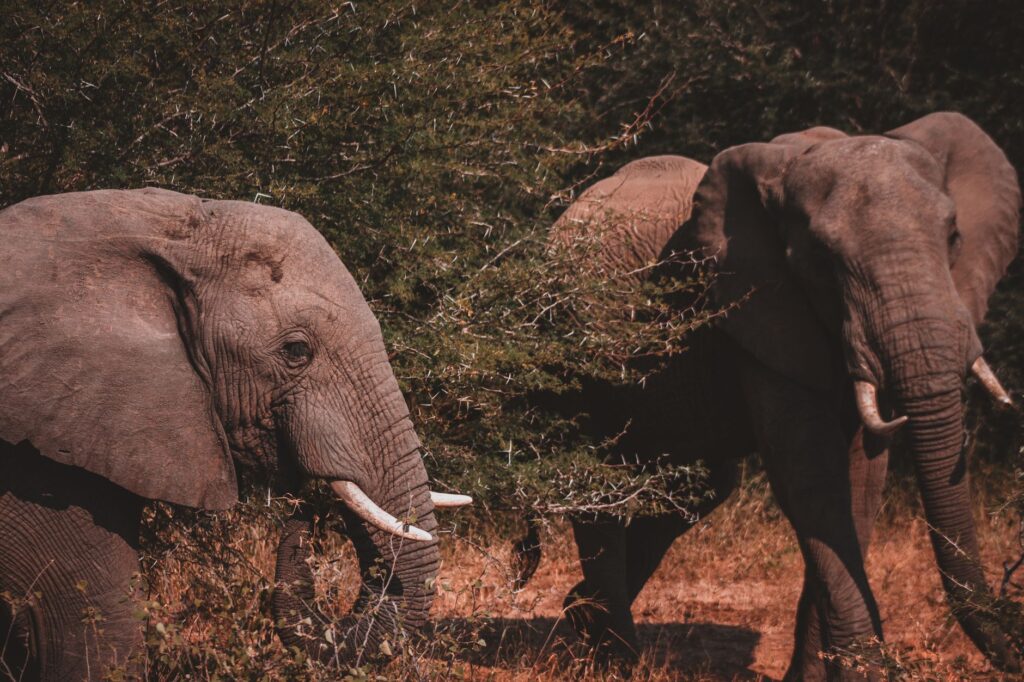
It is on the shores of Loango that the famous image occurs of forest elephants, buffaloes, and occasionally hippos walking with complete naturalness along the coastline, looking for food or cooling off in the salt waters. The dynamics of the tides and the mouths of coastal rivers create lagoons and mangroves that serve as refuge and breeding grounds for numerous species of fish and water birds, shaping a landscape in constant visual and auditory transformation.
Wildlife and the Challenge of Observation
Observing wildlife inside the Gabonese jungle requires patience, silence, and a deep capacity for adaptation to the rigors of the environment. Unlike the open savannas of East or Southern Africa, where large herbivores and predators dominate the horizon, the thickness of the tropical forest forces travelers to look for clues: footprints in the mud, distant sounds among the foliage, traces of chewed fruit, or the persistent presence of insects.
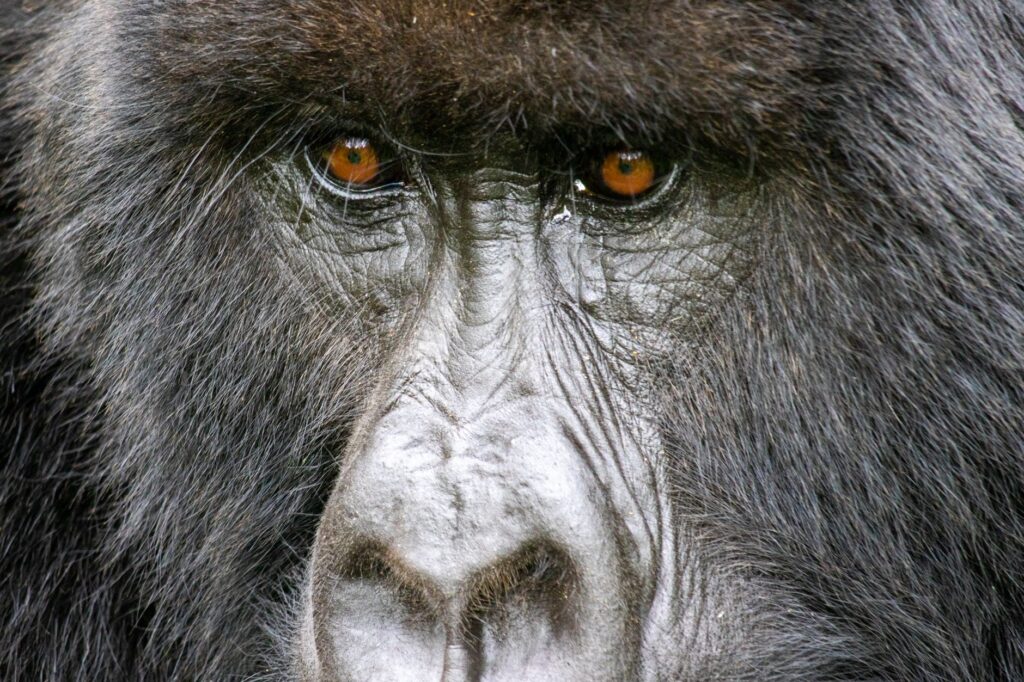
Among the mammals most sought after by expedition members are western lowland gorillas and chimpanzees. Scientific habituation programs, developed over years by international and local researchers, occasionally allow for closely regulated, respectful visual encounters with these primates. The tension and excitement of finding oneself a few meters away from an alpha male in its natural habitat constitute an experience that redefines the human perception of the animal world.
Local Communities and Cultural Heritage
No analysis of Gabonese reality would be complete without understanding the fundamental role of its traditional communities, composed of more than forty different ethnic groups, among which the Fang, Punu, and Akélé stand out. These peoples have developed over centuries a profound ethnobotanical knowledge of the forest, using medicinal plants, resins, and woods sustainably for their daily subsistence and spiritual rituals.
Religious syncretism and the survival of ancestral traditions such as the Bwiti cult form an essential part of the country’s social fabric. During the trip, contact with local populations is carried out from a stance of mutual respect and cultural exchange, far from any hint of commercial folklorism. The elders of the riverside villages share stories about the creation of the world, coexistence with forest spirits, and the urgent need to protect nature against the pressures of the modern world.
The Ogooué River and Inland Waterways
Water is Gabon’s great backbone artery. The Ogooué River, spanning over a thousand kilometers, crosses the country from east to west and has historically functioned as the main route of communication, trade, and penetration toward the forested interior. Navigating its waters aboard riverboats allows one to contemplate the immensity of the landscape from a slow and contemplative perspective.
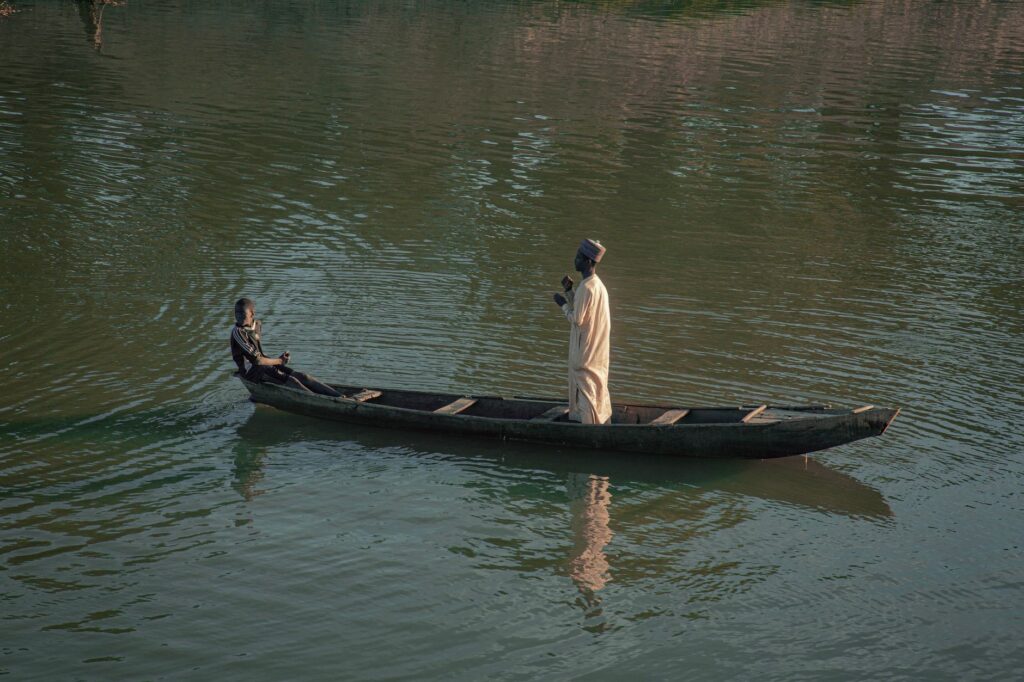
Along the banks of the Ogooué, small fishing settlements, endless mangroves, and dense walls of vegetation succeed one another, where it is common to spot wading birds, freshwater turtles, and groups of colobus monkeys leaping among the treetops. This fluvial journey evokes the great chronicles of nineteenth-century explorers, albeit tempered today by the contemporary urgency of conservation and sustainable development.
Practical guide
How to get there: The main entry point to the country is through Libreville International Airport (LBV), which receives regular air connections from major European and African hubs.
Entry requirements: It is mandatory to have a passport with a minimum validity of six months, an entry visa processed in advance, and an international yellow fever vaccination certificate.
Health and prevention: Mandatory malaria prophylaxis is required. It is essential to consult a tropical medicine center before undertaking the trip to update the vaccination schedule (tetanus, hepatitis A and B, typhoid fever).
Best time to visit: The dry seasons, spanning from June to September and from December to January, offer the most favorable weather conditions for wildlife viewing and travel through national parks.
Currency and payments: The official currency is the Central African CFA franc (XAF). Cash usage is overwhelmingly dominant outside international hotels and restaurants in the capital.
The Final Pulse of an Unwritten Eden
The culmination of an expedition to Gabon leaves an indelible mark on the traveler. It is not simply a matter of having spotted exotic animals or crossed swift rivers, but of having brushed with one’s fingers the complexity of a planet that still preserves corners where the human hand has not dictated its absolute law. The fragility of this equilibrium demands a critical, conscious, and deeply grateful gaze toward those who guard every day the last great standing forest in Central Africa.
Source in EN: EL PAÍS (https://elpais.com/elviajero/viajes/2026-09-25/una-expedicion-a-gabon-con-el-pais-viajes-el-ultimo-eden-africano.html)