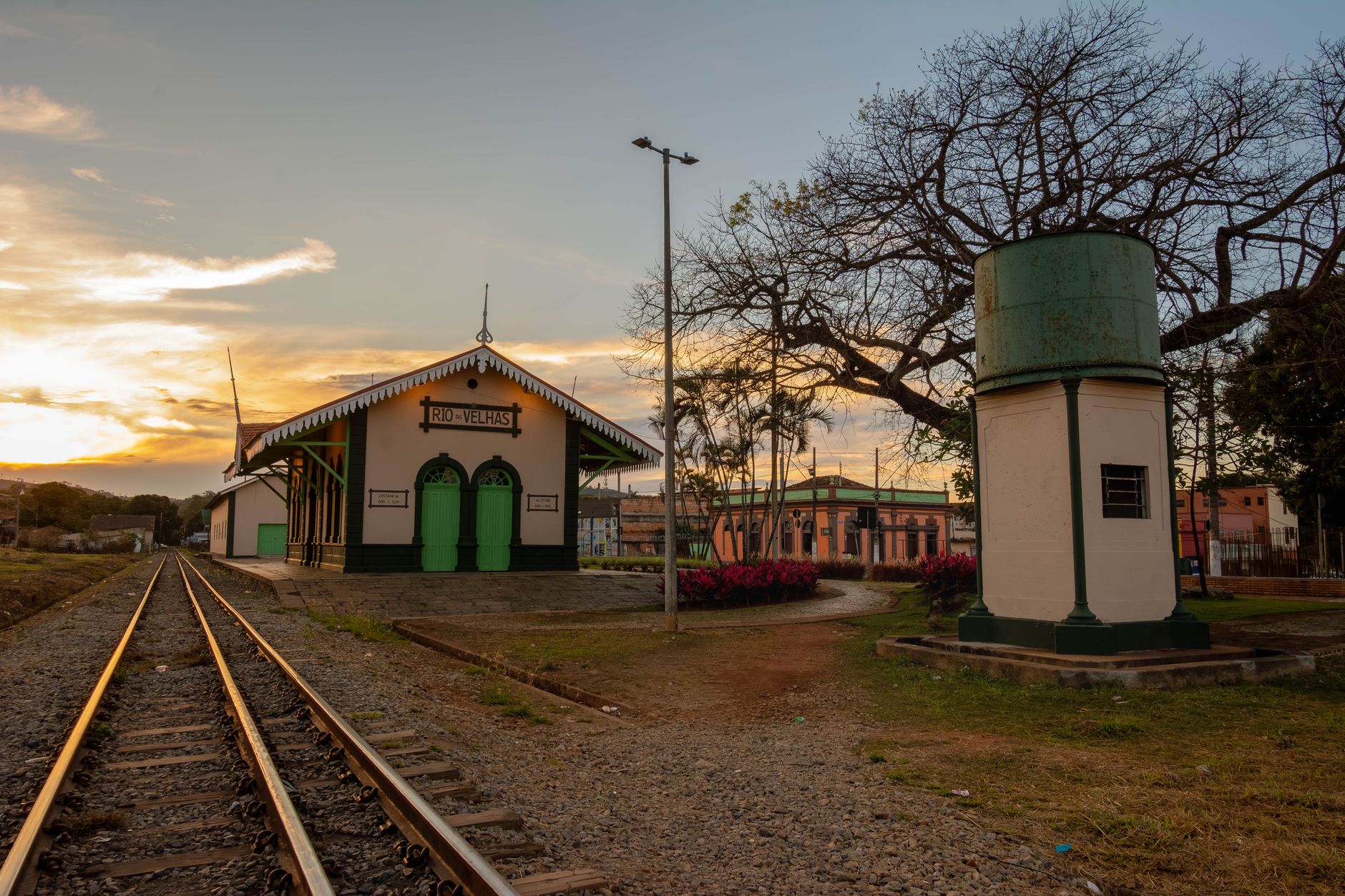

The Iron Scar Defying the Equatorial Thicket
Crossing the densest rainforest on the planet is not a matter of tourist whim, but a titanic test of engineering and logistical endurance. In the heart of Central Africa, the Transgabonais extends like a metallic serpent of over six hundred kilometers, connecting the manganese mines and immense timber domains of the interior with the Atlantic port of Owendo. This infrastructure is not merely a communication route; it is the backbone sustaining the economy and daily life of a territory where nature imposes its own unrelenting rules of humidity, invasive vegetation, and geographical isolation.
The genesis of this railway dates back decades of governmental planning and industrial ambition, conceived to extract the forest’s most precious resources without entirely compromising its fragile ecological balance. Along its route, the train runs between red laterite hills, roaring rivers overflowing their banks during the rainy season, and a vegetation canopy so thick it barely allows sunlight to filter through. Every kilometer of track represents a constant battle against corrosion, landslides, and wildlife, turning every journey into an experience where time seems suspended between the screech of bogies and the dense steam of the equatorial atmosphere.
Engineering and Extreme Topography in the Ogooué Basin
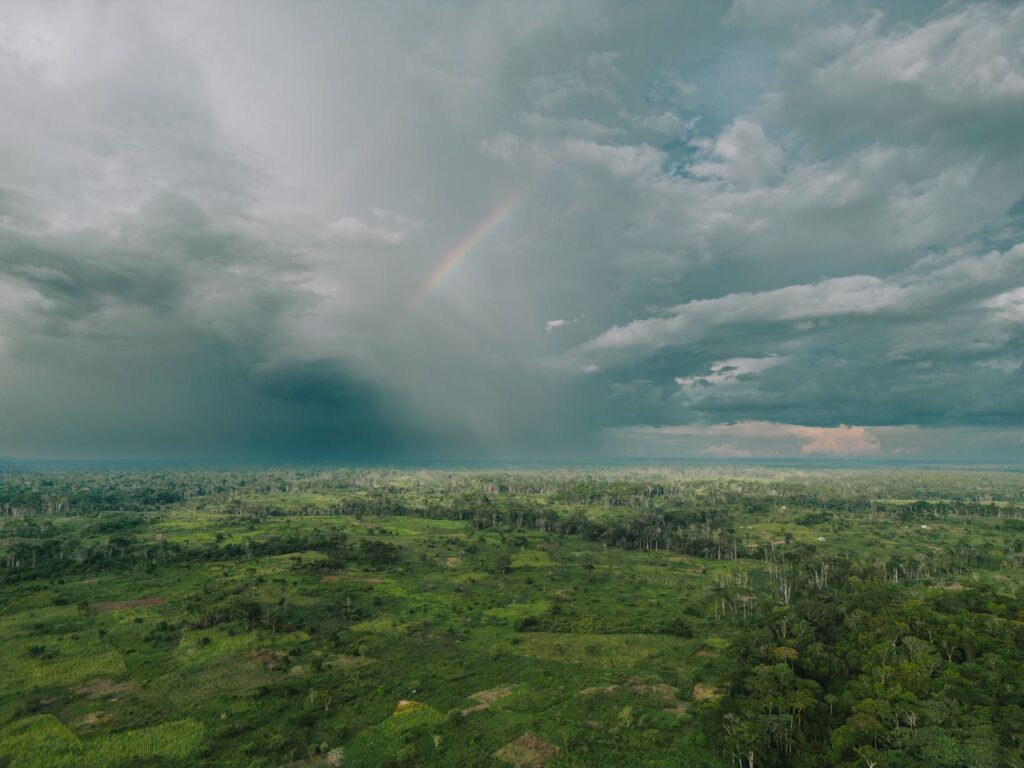
The route of the Transgabonais closely follows the capricious course of the Ogooué River, the country’s main waterway, adapting to an abrupt relief that demanded prodigious technical solutions during its construction in the latter half of the twentieth century. The French and Gabonese engineers who designed the project had to overcome deep gorges, unstable clay soils, and compact rock formations by installing metallic viaducts and tunnels excavated under extreme humidity conditions. The railway infrastructure must support not only the colossal weight of convoys laden with mineral and okoumé logs, but also the fury of tropical storms threatening constantly to undermine embankments.
Track maintenance constitutes a titanic task mobilizing specialized crews operating on a permanent basis. Tamping machines and alignment teams work tirelessly to correct deformations caused by thermal expansion and soil saturation. In this scenario, modern technology combines with traditional visual inspection methods, since any minor landslide can interrupt the vital flow of goods and passengers relying exclusively on this medium to communicate with the administrative capital, Libreville.
The Timber Economy and the Mineral Pulse of the Interior
Beyond its function as a passenger transport medium, the Transgabonais is Gabon’s true economic lung. Gigantic flatbed cars transport centuries-old logs of noble hardwoods from the most secluded forestry concessions to coastal loading shipyards, while hopper cars evacuate the manganese extracted from the Moanda deposits at the eastern end of the line. This symbiosis between resource extraction and railway logistics defines the socioeconomic profile of numerous intermediate towns born and raised under the shelter of service stations and rail sidings.
However, dependence on this logistical artery poses complex structural challenges. Fluctuations in international raw material markets immediately impact convoy frequency and investment destined for mobile park modernization. Despite these economic shifts, the rail line maintains an irreplaceable social function, guaranteeing the supply of food, medicines, and basic goods to entire communities lacking asphalt road accessibility due to the impenetrability of the jungle environment.
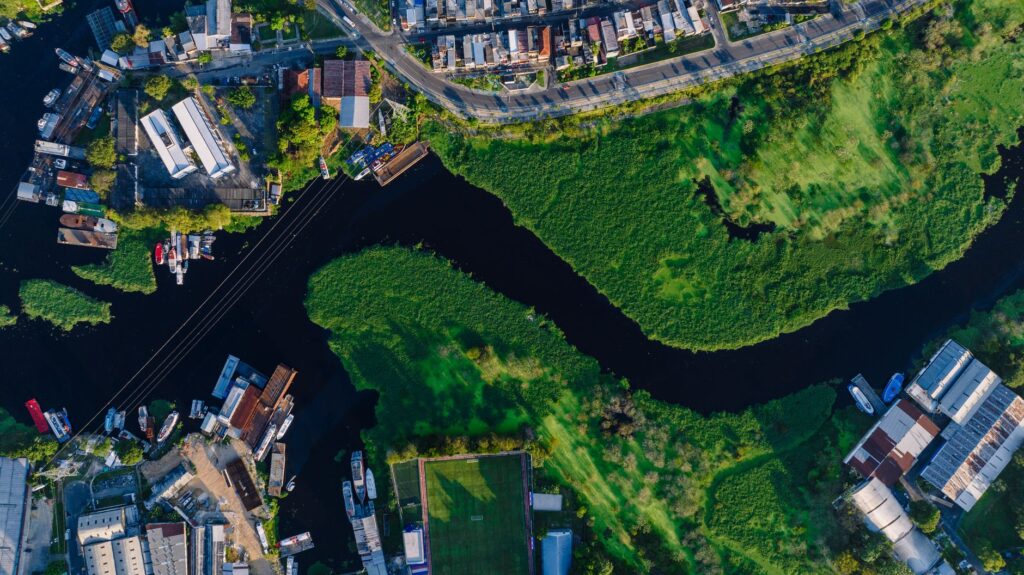
Stations of Memory: Communities and Commerce Trackside
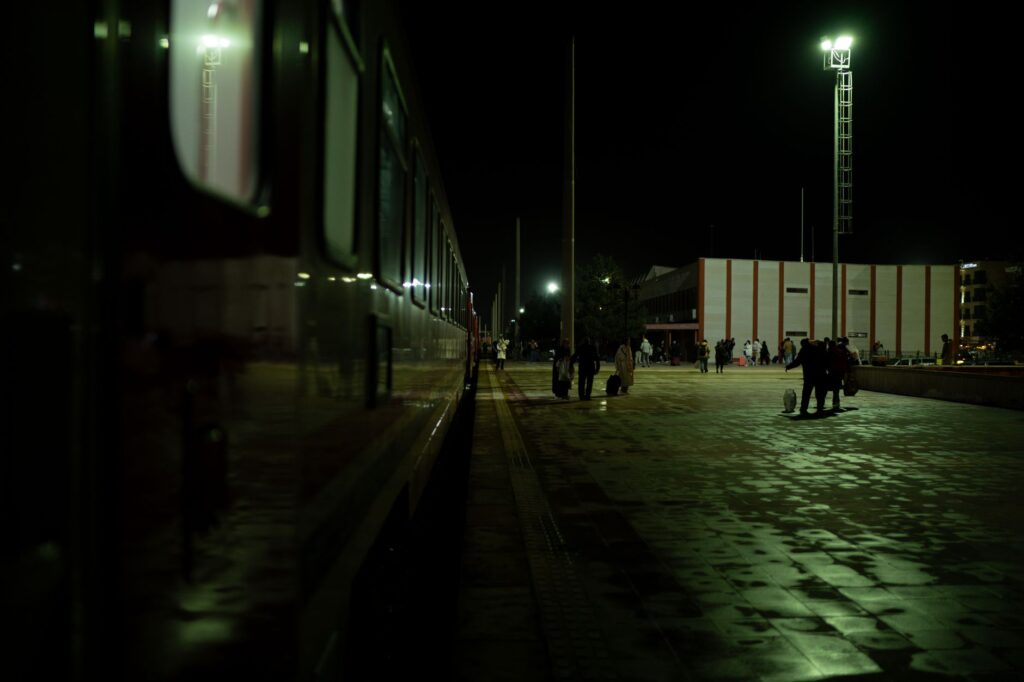
Stopping at intermediate stations along the Transgabonais, such as Ndjolé, Booué, or Lastoursville, is stepping into an anthropological microcosm where diverse ethnicities, languages, and commercial traditions converge. When the passenger train brakes to a halt with a long pneumatic sigh, the platforms instantly transform into a bustling open-air market. Local women offer steaming traditional dishes, spiced meat skewers, tropical fruit, and fresh water through the windows, establishing a relationship of complicity and mutual sustenance with travelers enduring marathon journeys aboard.
These stops also act as meeting points and cultural exchange hubs where the true identity of rural Gabon manifests. The stories of machinists, veteran railway workers who know every curve by memory, and street vendors weave a collective narrative of resilience. In these enclaves, the railway is not merely a public service, but the sole tangible link to the outside world, a constant presence marking the rhythm of hours and defining the future expectations of young generations born beside the rails.
The Ecological Challenge and Conservation Versus Industrial Advance
Coexistence between large-scale industrial infrastructure and one of Africa’s best-preserved forest ecosystems raises profound ecological dilemmas. The regular passage of trains alters migratory corridors of emblematic species like forest elephants, chimpanzees, and mandrills, forcing authorities and operating companies to implement strict protocols for collision prevention and to study specific wildlife crossings. Managing environmental impacts derived from logging and resource transport demands an extremely delicate balance between economic development and biodiversity preservation.
International organizations and local ministries collaborate in monitoring protected areas adjacent to the railway line, such as Lopé National Park, declared a UNESCO World Heritage site. In this transition territory between savannah and dense forest, scientific research demonstrates that anthropogenic pressure can be mitigated if rigorous territorial control regulations are applied. Nevertheless, constant surveillance remains essential to prevent poaching facilitated by rail access and to ensure human footprints stay bounded against the green expanse.
The Human Experience Aboard: Slowness, Conviviality, and Horizon
Traveling on the Transgabonais passenger train requires abandoning all Western haste and surrendering to the cadenced rhythm of a journey defying any schedule forecast. The carriages, equipped with worn faux-leather seats and oscillating fans fighting fruitlessly against equatorial heat, become a small floating community for hours. In this shared space, passengers exchange experiences, share provisions, and debate the country’s political and social current events while the jungle landscape slides hypnotically past frosted glass windows.
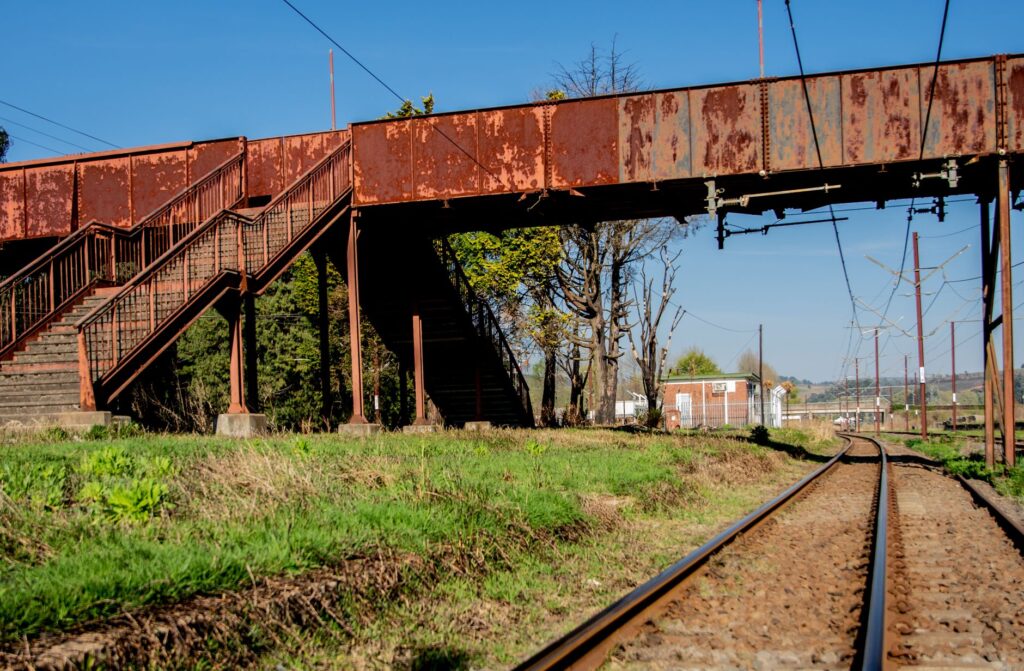
The Transgabonais does not measure its efficiency in saved minutes, but in its indefatigable capacity to unite what nature insisted on separating.
This immersive experience allows travelers to grasp the true human dimension of rail transport in regions where modernity is not measured by high-speed train velocities, but by the reliability of reaching destinations despite climatic and mechanical contingencies. Long waiting hours at secondary stations and spontaneous solidarity among strangers forge a camaraderie atmosphere more than compensating for physical travel discomforts, leaving an indelible mark on travelers willing to look beyond conventional tourist circuits.
Practical guide
How to get there: The main starting point to access the railway system is Owendo station, located near Libreville, the Gabonese capital. Libreville International Airport (LBV) receives regular flights from major European and African capitals.
Trip planning: Tickets for the Transgabonais passenger train must be purchased in advance directly at main station ticket windows. It is advisable to consult updated schedules, as frequencies may experience modifications due to track maintenance work or meteorological incidents.
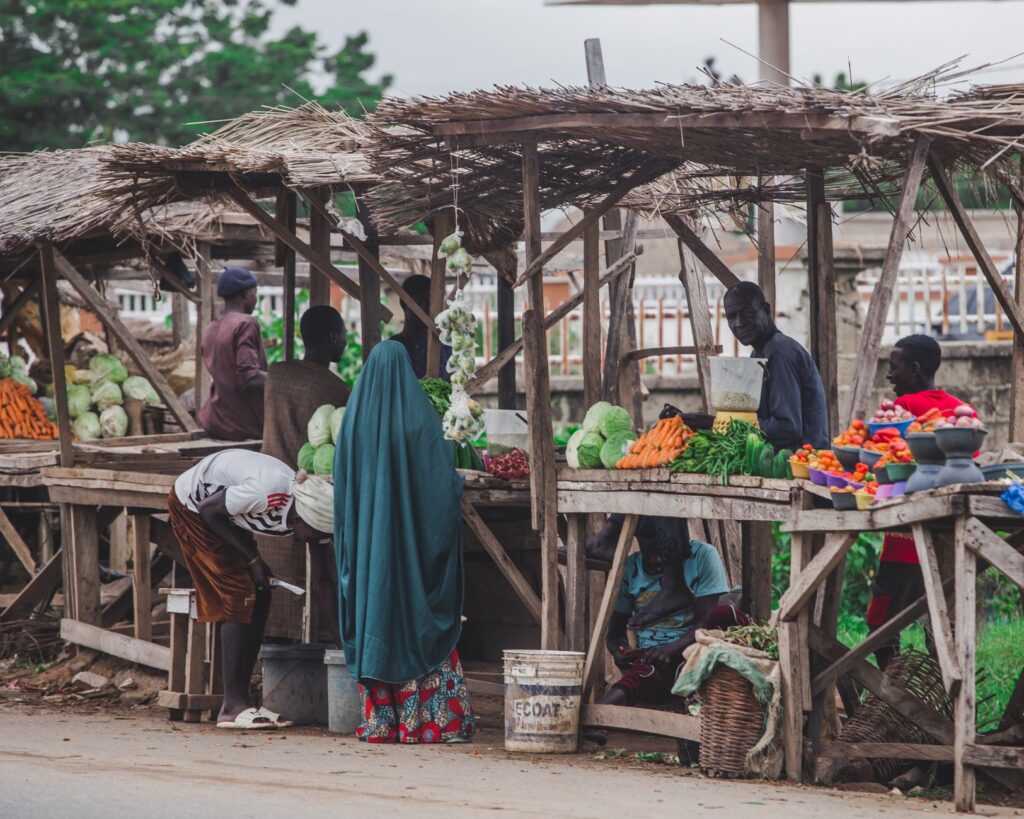
Accommodation and services: Hotel infrastructure in the country’s interior is limited and basic. Main towns like Ndjolé and Booué feature simple guesthouses, so it is advisable to arrange bookings through local agencies specializing in adventure tourism.
Health and equipment: An entry visa and yellow fever vaccination certificate are required. Essential items include lightweight cotton clothing, suitable footwear for humid terrain, highly effective mosquito repellent, and a basic first-aid kit.
The Final Embrace of Mist Over the Rails of the Ogooué
As the convoy approaches its final destination after hours traversing the green labyrinth, the sunset light dyes the waters of the Ogooué in copper and violet tones, dissolving jungle contours in a thick, warm mist. In that moment of stillness, while the locomotive’s whistle resonates one last time among river valleys, one understands that this infrastructure’s true value lies in its condition as a tenacious witness to Gabon’s living history. The steel rails, polished by constant wheel friction and unrelenting humidity, remain the silent thread uniting wild land with the incessant pulse of the world.