

There is an exact moment when the hyper-controlling traveler realizes that the map spread out on the table is nothing more than a defense mechanism against chaos. Spreadsheets with fifteen-minute time slots, restaurant reservations made six months in advance, and compulsively checked weather apps are symptoms of a deep-seated need: to insulate the experience from uncertainty. Yet real movement—the kind that shakes up certainties and transforms perspective—rarely happens within planned margins. The challenge is not to travel without a plan, but to learn to inhabit the void left when planning falls apart.
This feature examines the psychological and practical tension between the desire for absolute order and the untamed nature of travel. Through the experiences of psychologists specializing in anticipatory anxiety, expedition guides, and seasoned travelers who have crossed the frontier of over-control, we analyze how to let go without losing our sense of direction. The goal is not chaotic improvisation, but the development of conscious flexibility that turns the unexpected into the journey’s most valuable discovery.
The Mental Architecture of the Controlling Traveler
The urge to plan every second of an itinerary usually has deep roots in the need for security. For the hyper-controlling traveler, missing a train, arriving at a hotel without confirmation, or failing to find an open restaurant at a reasonable hour is not a minor inconvenience, but an existential threat. This hyper-vigilance turns rest into a full-time job, where performance and compliance with the schedule replace awe.
Specialists in traveler psychology point out that this behavior responds to a avoidance mechanism. The fear of disappointment or error acts as an invisible engine driving the traveler to design a bubble of predictability. Curiously, this attitude generates a high level of mental fatigue even before setting foot in the airport. The traveler carries the invisible weight of their own expectations.

Dismantling this mental structure requires an exercise in honesty. It is not about eliminating essential reservations, but about examining which gaps in the itinerary cause genuine panic and why. Control is a comforting illusion, but the true value of travel lies precisely in what cannot be anticipated or predicted with millimeter accuracy by Google Maps.
The Syndrome of the Perfect Checklist
The digital era has democratized trip organization to unimaginable limits. Today we have collaborative boards, offline map apps, and hyper-specialized blogs that dictate the top ten must-sees in every corner of the planet. The result is the tyranny of the perfect checklist—an endless list of tasks and mandatory locations that must be ticked off to consider a trip successful.
The problem with these lists is that they standardize experience and erase serendipity. When the sole objective is to complete the program, the traveler becomes a hurried tourist rushing from one point of interest to another with an eye on the clock. The rush to see everything prevents us from seeing what truly matters. The best travel stories are rarely born from keeping to the schedule, but from getting lost in an unnamed side street.

Excessive planning is the silent enemy of discovery; it protects us from error while depriving us of surprise.
To counteract this effect, experts recommend applying the flexible anchor rule. This involves choosing a single daily point of interest and leaving the rest of the time open to drift. This simple modification drastically reduces stress levels and restores the traveler’s control over their own time, freeing them from the self-imposed obligation to account for an impossible itinerary.
When the Plan Breaks: Collision with Reality
No plan survives first contact with the terrain, goes an old military adage that experienced travelers apply strictly. Transport strikes, adverse weather conditions, airport delays, or simple mood changes are uncontrollable factors that sooner or later make an appearance. For the hyper-controlling traveler, this moment of rupture is usually experienced as a minor personal catastrophe.
However, it is precisely in the forced detour that true adventure begins. When the train that was supposed to take you to the big city is canceled and you are forced to spend the night in a remote village, a window of opportunity opens that you would never have included in your spreadsheet. The capacity for adaptation is the most valuable muscle a traveler can train.
Accepting a change of plans requires a shift in perspective: moving from viewing the obstacle as an error to interpreting it as a new plot twist in the journey. The most memorable anecdotes never concern how well the hotel reservation worked out, but how that setback led to an unforgettable encounter with a local or the discovery of a secret landscape.

The Art of Doing Nothing in Strange Territories
One of the hardest subjects for those who want to control everything is passive leisure in an unfamiliar environment. Sitting in a public square without checking a smartphone, watching the daily bustle of local inhabitants, or simply walking without a fixed destination generates an uncomfortable feeling of unproductivity in these travelers.
Contemporary tourism has instilled the idea that every hour must be economically amortized through cultural visits, museums, or guided excursions. Rest has become a hyperactive activity. Faced with this, recovering dead time is an act of resistance. Leaving blank spaces in the daily agenda allows us to process the visual and emotional impressions that travel produces.
- Dedicate at least two hours a day to contemplation with no fixed destination.
- Turn off email notifications and work apps throughout the entire trip.
- Allow yourself to change plans mid-day if a more interesting place emerges.
- Accept that missing a few recommended monuments does not detract from the experience.
Digital Disconnection as Shock Therapy
It is impossible to learn to let go of control if the digital umbilical cord remains permanently plugged in. Checking TripAdvisor reviews before entering any restaurant, looking at the weather forecast every hour, or updating social media in real-time keeps the brain in a constant state of alert.
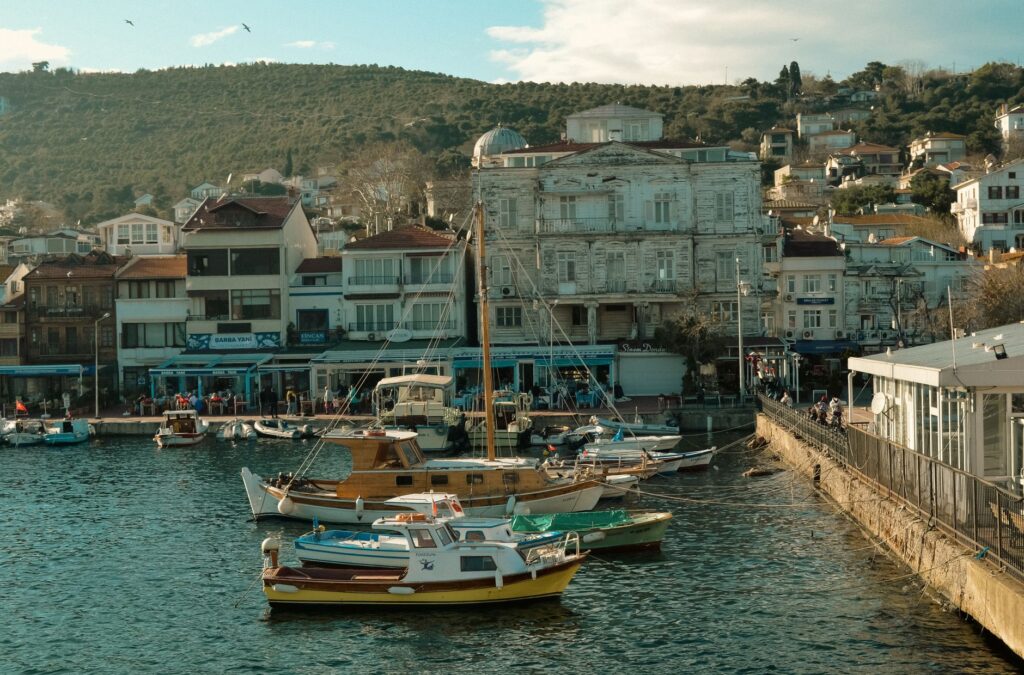
Digital disconnection is not an aesthetic whim, but a neurobiological necessity for the brain to truly rest. When screens are turned off, the senses turn on. Smell, hearing, and touch reclaim the prominence lost to the constant stimulus of push notifications.
Practical guide
Planning the transition toward a more flexible and conscious travel model requires concrete and applicable guidelines from day one on the road.
Before Leaving
Reduce bookings to the absolute minimum required: international flights, the first night’s accommodation, and travel insurance. Everything else can be managed on the go with greater perspective.

During the Trip
Establish a system of daily anchors rather than strict schedules. Choose a single important activity per day and leave the rest of the time free for spontaneous exploration.
Handling Unforeseen Events
Faced with a drastic change of plans, take a deep breath and give yourself a fifteen-minute grace period before seeking a solution. The first reaction is usually tainted by unnecessary anxiety.
The Invisible Heartbeat of the Imperfect Journey
At the end of the trip, when the bags are packed again and the return flight lands in the city of origin, detailed spreadsheets lose all their value. What remains in memory is not the schedules met with surgical precision, but the textures of sunset light, the unexpected taste of a dish shared with strangers, and the slight, almost imperceptible feeling that we were capable of adapting to the tide of the world. Letting go of control does not mean losing direction, but discovering that the real map was always drawn in wonder rather than on paper.
Source: Condé Nast Traveler España.