The Labyrinth of the Highlands: How High-Mountain Cogwheel Railways and Hydropneumatic Funiculars Transform Transport in the Bernese Oberland
An in-depth analysis of how Swiss alpine communities and mobility engineers are reshaping regional connectivity through zero-emission rail fleets and integrated trail networks, proving that high-mountain tourism can transcend the impact of the private car.
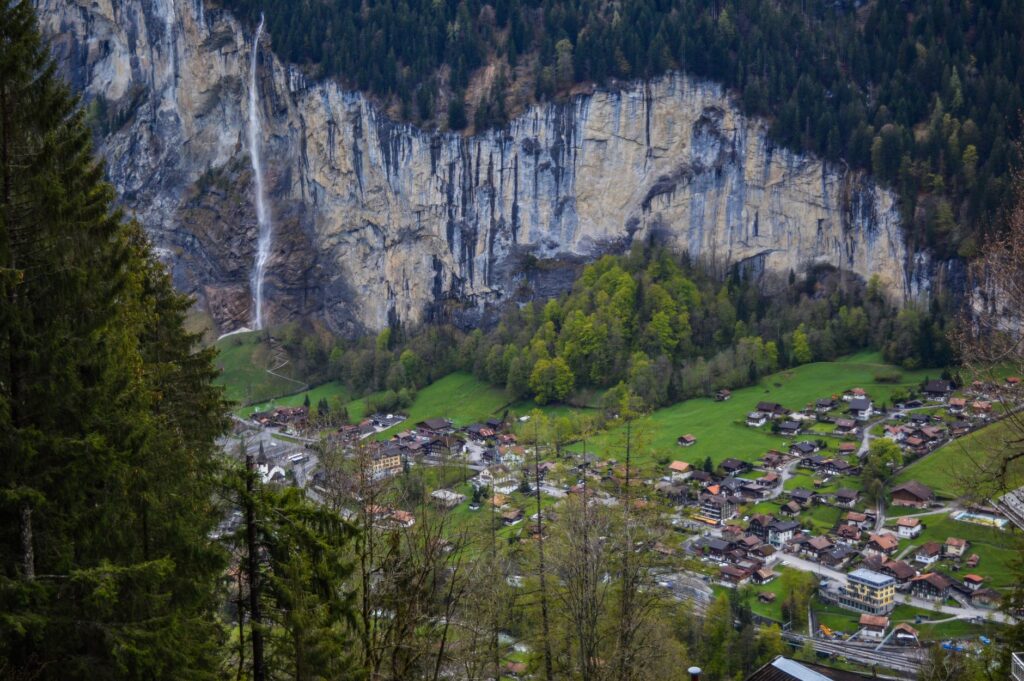
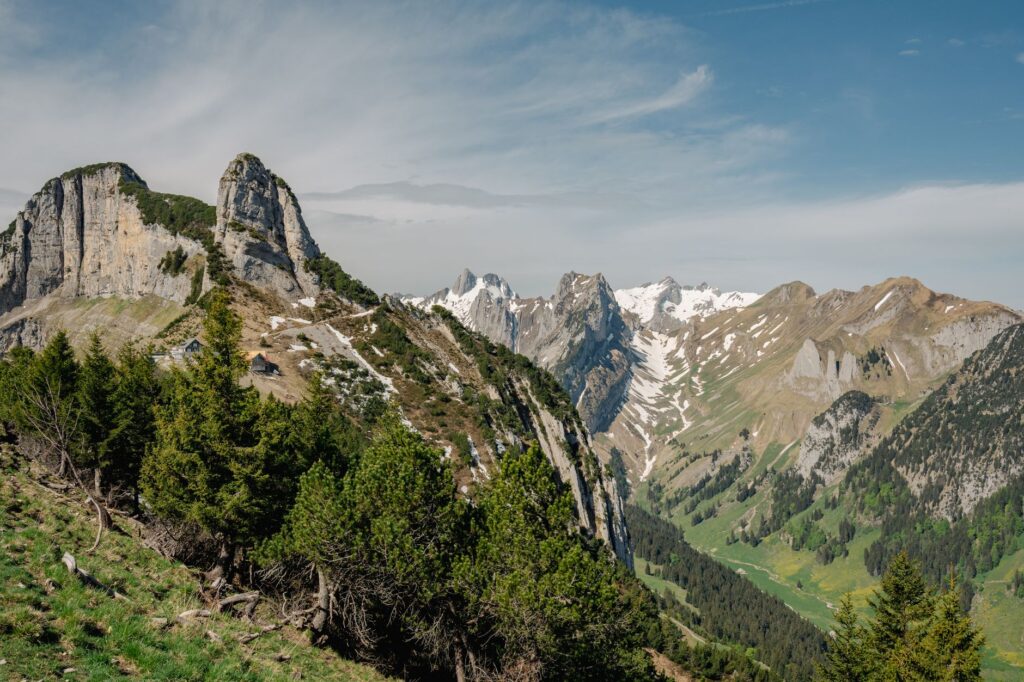
In the heart of the Swiss Alps, the Bernese Oberland is witnessing a radical overhaul of its transport system. For decades, the avalanche of private vehicles toward iconic enclaves such as Grindelwald and Lauterbrunnen threatened to overwhelm the fragile ecology of the glacial valleys. Today, however, a coordinated strategy between local municipalities, alpine transport cooperatives, and civil engineers is proving that it is possible to move millions of visitors without sacrificing clean air or the tranquility of high-mountain communities. The key to this metamorphosis lies not in imposing arbitrary restrictions, but in creating an intermodal mobility network so efficient and appealing that the use of the private car becomes entirely unnecessary.
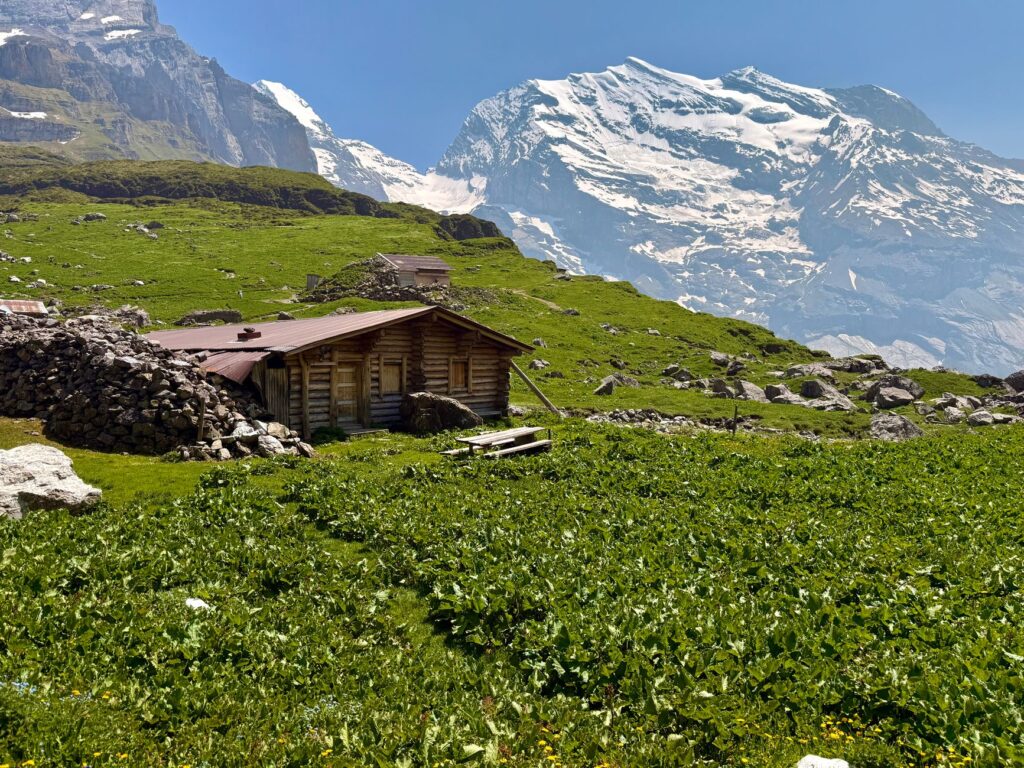
This paradigm shift is underpinned by historic investments in energy-efficient traction infrastructure and state-of-the-art cable transport systems. The old diesel buses that once struggled up impossible mountain gradients have given way to high-efficiency cogwheel trains and funiculars that harness the force of water and solar energy accumulated at high-altitude stations. The result is a continuous transport corridor connecting the lakes of Thun and Brienz to the foothills of the Eiger, Mönch, and Jungfrau, guaranteeing a steady flow of travelers that respects the natural cycles of the alpine environment.
Engineering at the Service of Alpine Fragility
The design of these new transport infrastructures has required unprecedented technical solutions. The engineers tasked with modernizing the mountain railway lines focused on minimizing footprint, utilizing pre-existing routes, and optimizing energy consumption during descents through regenerative braking systems. These mechanisms feed electricity back into the local grid every time a convoy descends loaded with passengers from the glacial viewpoints, turning each journey into a net source of renewable energy for the valley towns.
Beyond energy efficiency, landscape integration has been an absolute priority. Intermodal stations have been conceived as seamless transfer nodes where users can move effortlessly between trains, cable cars, battery-electric buses, and assisted mountain bike networks. This meticulous timetable synchronization reduces waiting times and eliminates the need for sprawling parking lots, allowing historically paved soils to be restored to their natural state through bioengineering projects and revegetation with native species.
The Active Role of Local Communities
Behind every kilometer of electrified track and every multimodal trail lies a complex fabric of community decision-making. The residents of the Bernese Oberland valleys have not been passive spectators of this transformation; rather, they are the architects and guardians of the process. Through locally owned transport cooperatives and binding consultations, communities have chosen to prioritize projects that guarantee equitable access for both permanent residents and international visitors, preventing the gentrification of public services.
This shared governance has resolved a historic dilemma: how to keep high-mountain rural economies alive without compromising water resources or overcrowding the alpine pastures used for traditional dairy farming. The revenues generated by the new transport system are reinvested directly into the conservation of the cultural landscape, the maintenance of historical paths, and support for local dairy and alpine cheese producers.
Technological Innovation and Energy Transition
The modernization of transport in this alpine region is not restricted to the main railway axes. At higher altitudes, where traditional railways reach their physical limits, high-capacity tricable gondolas powered by permanent-magnet synchronous motors have been deployed. These systems reduce electricity consumption by up to thirty percent compared to conventional technology and offer superior wind resistance, guaranteeing connectivity even under adverse weather conditions.
Similarly, the fleet of buses covering last-mile routes to villages without direct railway connections has been entirely renewed with vehicles powered by green hydrogen fuel cells and high-density batteries. The hydrogen used is produced locally via electrolyzers powered by small, self-regulated waterfalls, closing a circular economy loop that completely eliminates direct greenhouse gas emissions on the most sensitive access routes.
Impact on Biodiversity and Territory
One of the greatest achievements of this sustainable mobility rollout has been the quiet recovery of native fauna and flora in the vicinity of traditional tourist routes. By confining traveler transit to specific corridors and eliminating scattered road traffic, acoustic pollution that once disrupted the reproductive habits of emblematic species such as the chamois, marmot, and golden eagle has been drastically reduced.
The environmental authorities of the Canton of Bern have documented stabilization in alpine bird populations and a notable improvement in the quality of glacial runoff waters, as accidental hydrocarbon spills historically associated with open-air parking lots and dense road traffic have disappeared. The territory thus demonstrates that a well-planned transport infrastructure can act as a protective shield against uncontrolled human pressure.
Logistical Challenges and Lessons for Global Tourism
Despite notable advances, the transition toward a hundred percent sustainable transport model in the Bernese Oberland is not without daily challenges. Managing peak demand during high summer weekends requires constant monitoring of passenger flows through real-time prediction algorithms. These systems dynamically redirect transport capacity toward less saturated valleys, educating visitors on the importance of respecting the carrying capacity of the territory.
The experience accumulated in this alpine region has become an international benchmark for other mountainous enclaves around the globe seeking to escape the trap of mass automotive tourism. Delegations of public managers and mobility operators from the Andes, the Caucasus, and the Himalayas regularly visit control centers in Interlaken to study firsthand how the combination of political will, technical innovation, and community respect can redesign the future of high-altitude travel.
The true measure of modernity in mountain tourism is not the speed with which we move toward the summit, but the ability of our footprint to vanish when we look back down toward the valley.
Practical guide
Planning a trip focused on sustainable mobility in the Bernese Oberland requires understanding the structure of its intermodal network and making the most of local digital tools.
How to get there: The natural gateway is Bern or Zurich, from where direct trains operated by the Swiss Federal Railways (SBB) depart for Interlaken Ost every hour, perfectly synchronized with mountain trains.
Internal transit: Use the Bernese Oberland Regional Pass or the Swiss Travel Pass, which provide unlimited integration across cogwheel trains, funiculars, electric buses, and lake ferries.
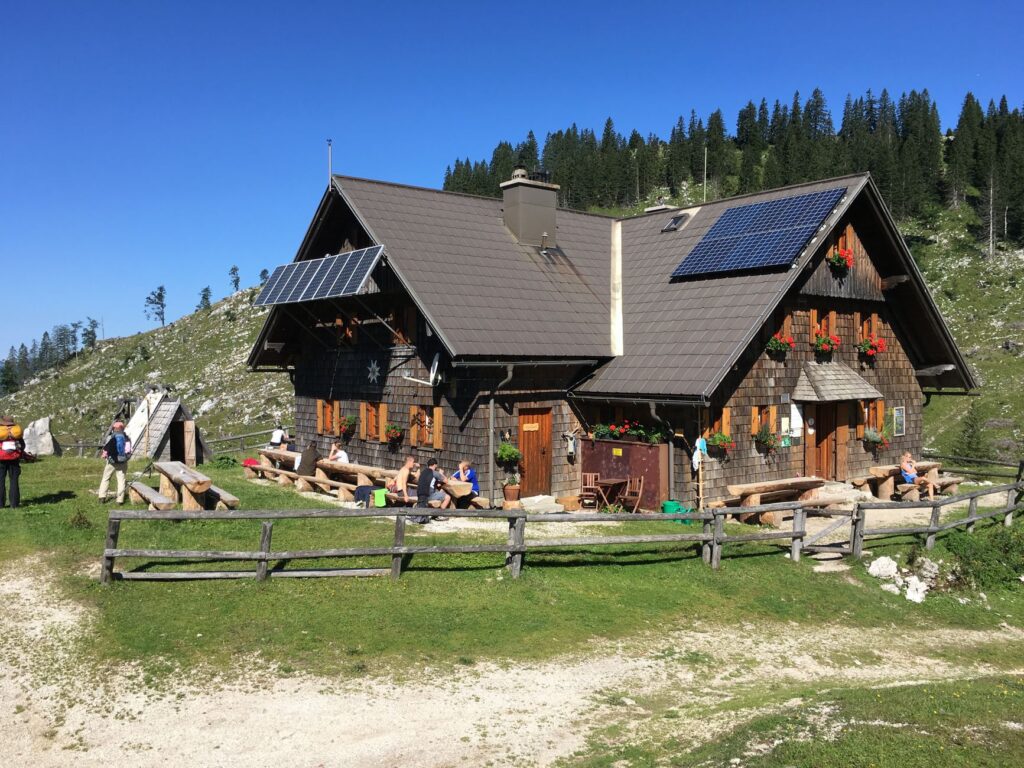
Responsible accommodation: Prioritize hotels and refuges certified with the Swisstainable label, many of which offer discounts on regional transport when staying on their premises.
Recommended season: The months from June to September offer the full network of trails and connections in full operation, while the shoulder season (May and October) guarantees lower traveler density and a more tranquil experience.
The Ethical Horizon of Alpine Travel
When travelers step off at dusk onto one of the silent electric trains winding through high-altitude meadows and snow-capped peaks, they realize that the true luxury of the twenty-first century is no longer the exclusivity of motorized isolation, but the certainty of belonging to a regenerated equilibrium. The great lesson of the Bernese Oberland lies in verifying that cutting-edge technology, when subordinated to the common good and ecological respect, does not destroy the magic of the landscape, but preserves it intact for future generations, reminding us that every journey is a decision about the world we wish to inhabit.
Traveling sustainably in the heart of the Alps is not a renunciation of comfort, but the conscious adoption of a rhythm that allows the landscape to breathe alongside us.
ATLAS LUME · BEFORE YOU GO
A story that continues at the destination
DocumentsCheck visas, health requirements and document validity with official sources.
BookingsConfirm the final price, taxes and conditions directly with the provider.
Responsible travelRespect local communities, heritage and ecosystems.