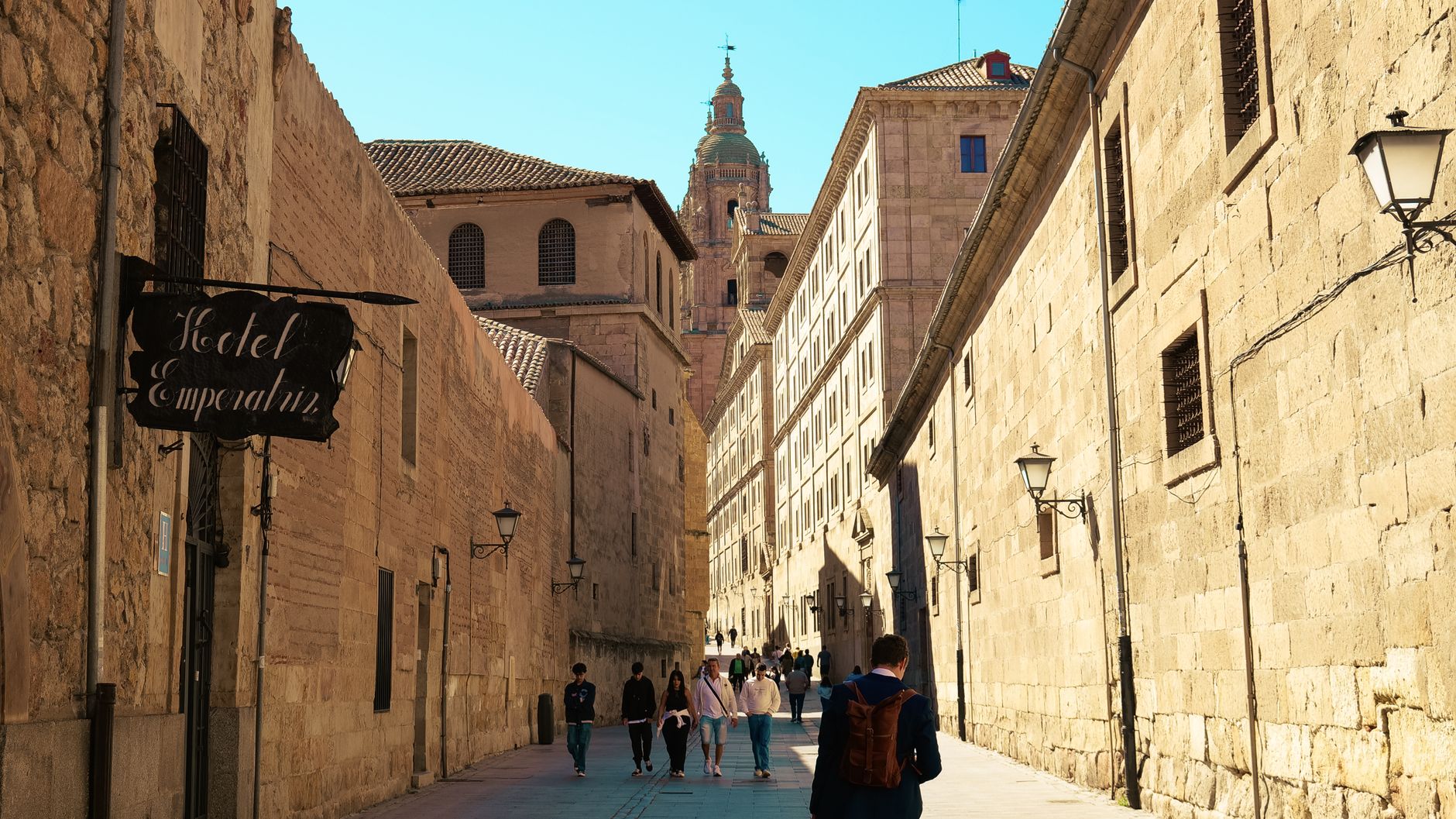

In the cobbled alleys surrounding the University of Salamanca, time does not always beat to the rhythm of digital clocks. Behind noble wooden doors and discreet shopfronts, traditional bookbinding workshops continue to apply formulas from the sixteenth and seventeenth centuries to shape, protect, and immortalize printed thought. This report delves into the core of a living heritage where hand-sewing, leather-cord stitching, and the use of soft sheepskin refuse to yield to industrial obsolescence. Through the eyes of the last master artisans in the Charra capital, we explore how respect for raw materials and the geometry of the book continue to guide a profession that is simultaneously a science of conservation and fine art.
The preservation of this craft in a premier university enclave is not a matter of nostalgia, but an imperative necessity for bibliographic conservation. As the region’s historic libraries accumulate incunables and manuscript volumes suffering from the ravages of time, these workshops act as genuine paper hospitals. Here, surgical intervention on a loose sheet requires an encyclopedic knowledge of reversible adhesives, cellulose types, and the chemistry of iron gall inks. The guiding question of this journey is not merely how the craft survives, but how the oral transmission of technical knowledge remains the sole viable bridge between the past and tomorrow’s collections.
The Anatomy of the Workshop: Between Wooden Presses and the Scent of Starch Glue
Leather paring knives, binder’s shears, awls, and small pots for melting gelatin compose the daily landscape of these Salamancan workshops. Far from the sterile environment of modern assembly lines, each workspace is imbued with a patina of use accumulated over decades. The floor, typically hydraulic tile or solid wood, supports the unyielding weight of cast-iron screw presses—true mechanical cathedrals capable of exerting tons of pressure on freshly glued paper blocks.
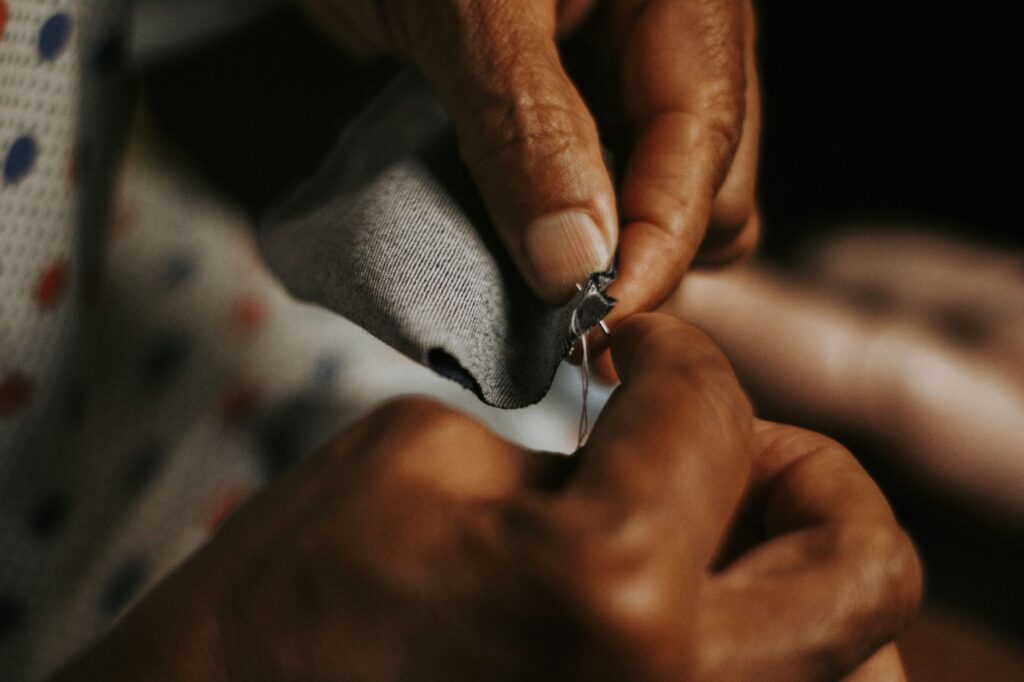
In the center of the workshop stands the sewing cradle, a vertical wooden frame where hemp threads are tensioned with millimeter precision. It is here that the artisan performs the foundational act of binding: the rhythmic crossing of the needle through the paper signatures. Each stitch represents an act of faith in the durability of the object, ensuring that the book can open at a perfect one-hundred-and-eighty-degree angle without placing the slightest detrimental tension on the spine.
The Selection of Leather: Sheepskin, Goat, and Calf in Traditional Tanneries
The choice of cover admits no shortcuts. The workshops maintaining the standards of the Salamantine school work closely with traditional tanneries capable of vegetable-tanning leather, avoiding aggressive chemical compounds that degrade cellulose fibers over time. Sheepskin, flexible and noble; goatskin, endowed with exceptional tensile strength; and calfskin, smooth and capable of receiving complex tooling, are meticulously selected according to the volume’s final destination.
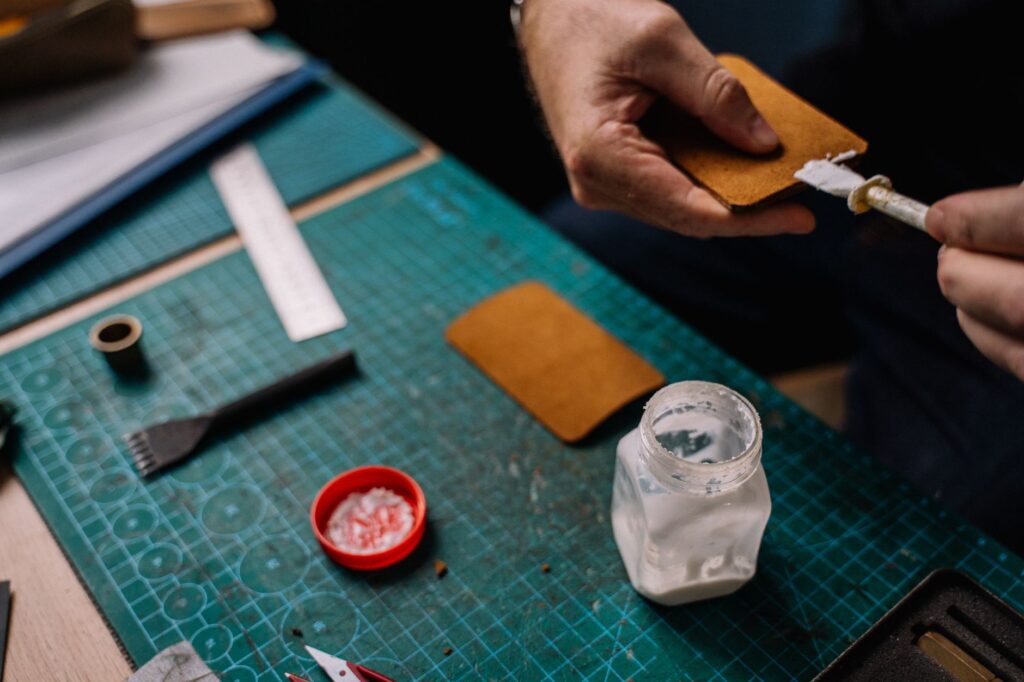
Once the hide is chosen, the skiving process demands a prodigious pulse. Using a carbon-steel paring knife, the artisan pares the edges of the leather down to an almost imperceptible film. This operation, known as skiving, allows the corners and turn-ins of the cover to fit with absolute cleanliness onto the spine board, preventing unsightly lumps and ensuring a smooth, symmetrical opening.
The Art of Gold Tooling: Fine Gold, Dies, and Temperature
Few spectacles within applied arts match the concentration required to stamp a spine with brass dies and gilding tools. The process begins by heating the brass pieces on an electric or gas stove. The artisan checks the exact temperature by spitting lightly onto the metal: if the saliva boils and evaporates with a subtle hiss, the iron has reached the ideal one hundred and fifty degrees Celsius needed to transfer the gold leaf without scorching the leather surface.
Over leather previously prepared with egg white and a fine layer of petroleum jelly to fix the metal, the fine gold leaf is laid down. With a firm, unwavering movement, resting the full weight of the body on the wooden handle, the master stamps the hot iron. Upon removing the tool and cleaning excess gold with a soft rag dusted in talcum powder, the bright embossing emerges—a golden filigree that will withstand the centuries unscathed.
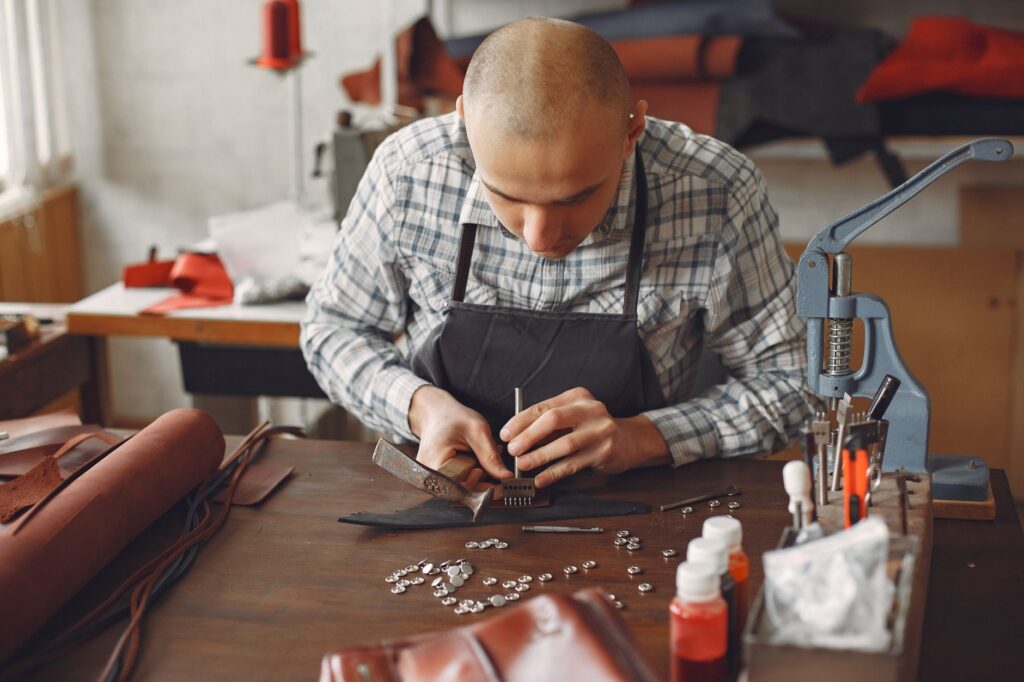
The hand-bound book is not a mere container of texts, but a portable architecture where paper engineering and leather geometry converse to defy time.
This mastery of stroke and heat is not learned in theoretical manuals, but through thousands of hours of practice where errors are paid for with the loss of irreplaceable pieces. Young apprentices approaching these workshops today quickly understand that patience is the scarcest and most valuable raw material of the craft.
Bibliographic Restoration: Rescuing Forgotten Incunables
Beyond the creation of new bibliophile editions, the bulk of activity in these studios focuses on the restoration of rare collections. On the shelves wait fifteenth- and sixteenth-century volumes whose original covers have been devoured by woodworms or mold. The restorer must first proceed with sterilization in a chamber and the consolidation of the paper through gelatin baths of animal origin with neutral pH.
The mechanical reintegration of paper losses is carried out leaf by leaf, using pure cellulose pulp that adheres imperceptibly to damaged edges. This minimalist approach always prioritizes the conservation of original materials over aesthetic reconstruction, following international guidelines for heritage intervention. Each rescued volume is, in essence, a historical archive recovered for research and public contemplation.
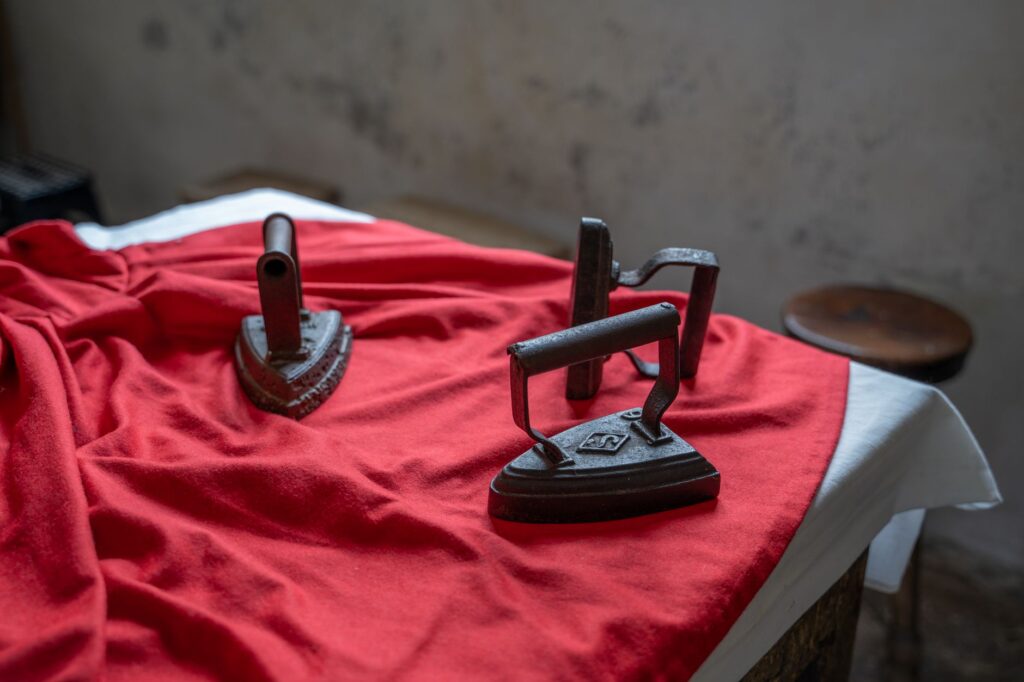
Generational Handover and New Challenges in Contemporary Design
Faced with pessimism predicting the demise of manual crafts, Salamanca’s workshops are experiencing a renewed surge of interest from an urban generation seeking to reconnect with the tactile. Graphic designers, visual artists, and young lovers of independent publishing flock to introductory courses taught by local masters. Far from competing with industrial books, contemporary binding positions itself as a branch of editorial haute couture, where each numbered copy is conceived as an unrepeatable work of art.
However, access to top-tier raw materials and the soaring cost of precious metals present complex logistical challenges. The scarcity of traditional tanneries using natural tannins forces workshops to weave very specific European supply networks, driving up costs that the mass-market book industry can hardly absorb without losing economic viability.
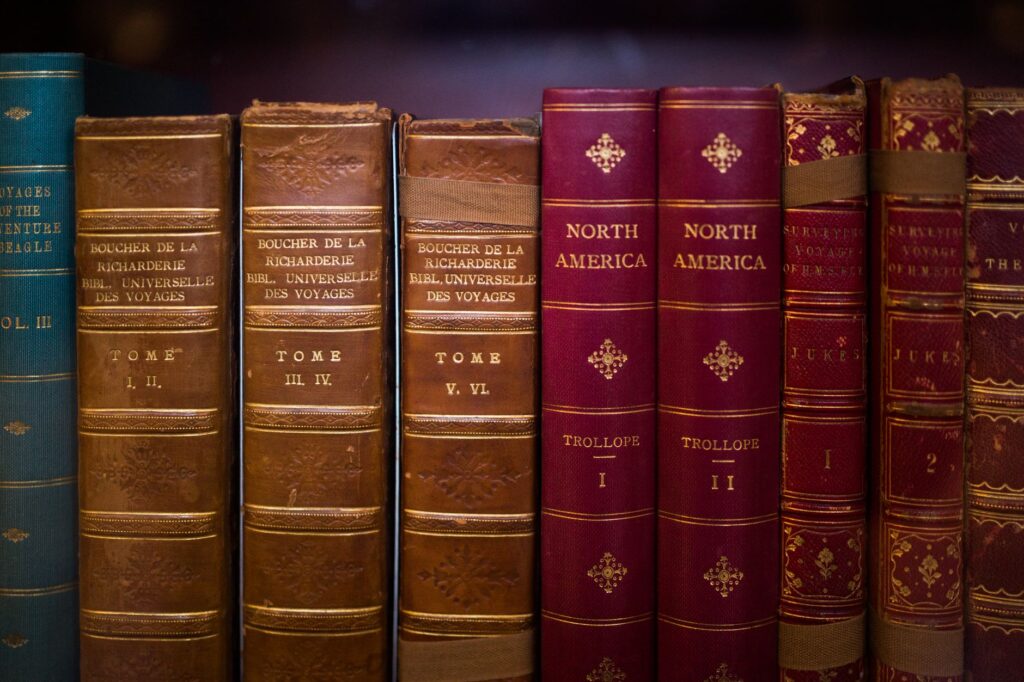
Preserving an artisanal workshop in the twenty-first century means walking the thin line that separates economic profitability from museological rigor.
This fragile equilibrium requires resolute support from public institutions for regulated vocational training in artistic crafts, as well as the promotion of cultural routes recognizing the heritage value of these spaces of creation and resistance.
Practical guide
For travelers and researchers interested in exploring the universe of traditional bookbinding in Salamanca, it is recommended to plan visits in advance, as most workshops are active working studios rather than commercial museums.
- How to get there: Salamanca boasts excellent high-speed rail connections (Alvia) from Madrid, located just an hour and a half from Spain’s capital. The historic center is entirely pedestrianized, so access to workshops must be on foot.
- When to go: Spring months (April to June) and autumn (September to November) offer the mildest climate for walking through the historic quarter and enjoying natural light in the studios.
- Workshop visits: Booking in advance through local artisan associations or direct contact with studios is essential. Several masters offer specialized demonstrations of sewing and gilding upon prior reservation.
- Antiquarian bookstores: The surroundings of Rúa Mayor and Plaza de San Benito concentrate specialized establishments dealing in antique books where hand-bound volumes and original graphic art can be acquired.
- Buying tip: If you acquire a piece of artistic binding, always request the certificate of authenticity detailing the materials used (skin type, rag paper weight, and the carat of gold used in tooling).
Crossing the threshold back out into the bustling exterior of the city, the rhythmic echo of the screw presses seems to dissolve amid the murmur of university students. Yet inside those golden stone walls, the needle continues to trace the paper with the exact unalterable cadence it held five hundred years ago, reminding the traveler that some wisdoms can never be replaced by any algorithm.