
Origins and Purpose of an Ancestral Stone Network
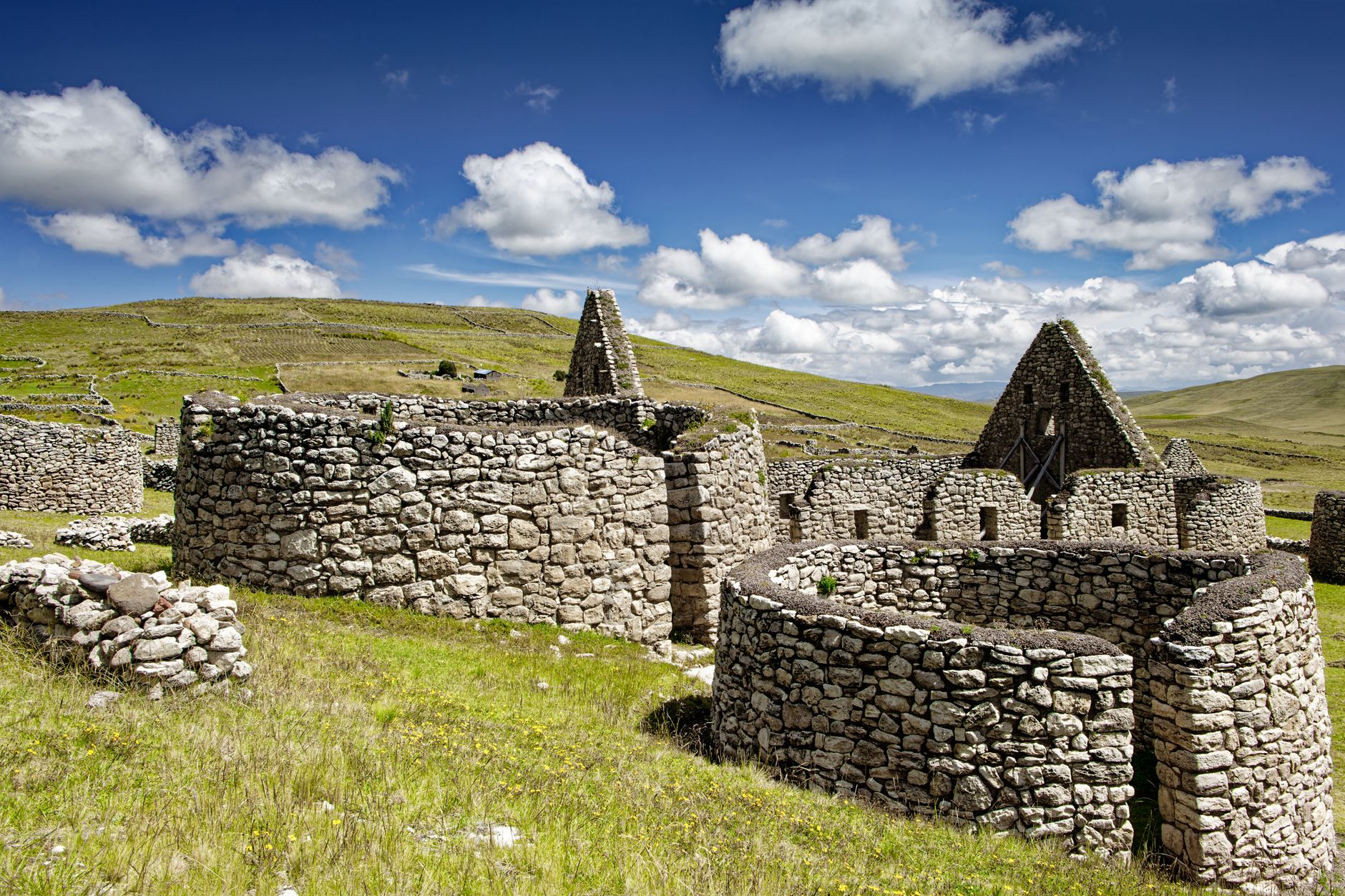
The Classic Inca Trail to Machu Picchu is far more than a conventional trekking route; it represents the most celebrated road network of the Tawantinsuyu Empire, originally conceived as an administrative, military, and religious system connecting agricultural valleys with the most inaccessible ceremonial centers of the Andean cordillera. Walking today along these millenary stone pavements means delving into a colossal engineering feat, where every retaining wall, drainage canal, and stairway carved into the living rock demonstrates an absolute mastery of vertical terrain. Unlike modern routes laid out with constant gradient criteria, Inca builders designed the layout to adapt to extreme topography, utilizing steep slopes that force modern hikers to understand physical effort not as an obstacle, but as a form of communion with the sacred landscape.
Planning this expedition requires a deep understanding of conservation regulations imposed by Peru’s Ministry of Culture. To protect the fragile archaeological structure and prevent massive soil erosion, daily access is strictly limited to a closed number of nominal permits, which must be secured many months in advance through authorized agencies. This restriction turns the Inca Trail into a destination where improvisation is entirely unfeasible. Each expeditionary must assume an ethical commitment to environmental sustainability, respecting archaeological sites along the route and understanding that the experience is subordinated to the pace dictated by the Andean nature itself and National Park regulations.

The Vertical Geography of the Four-Day Journey
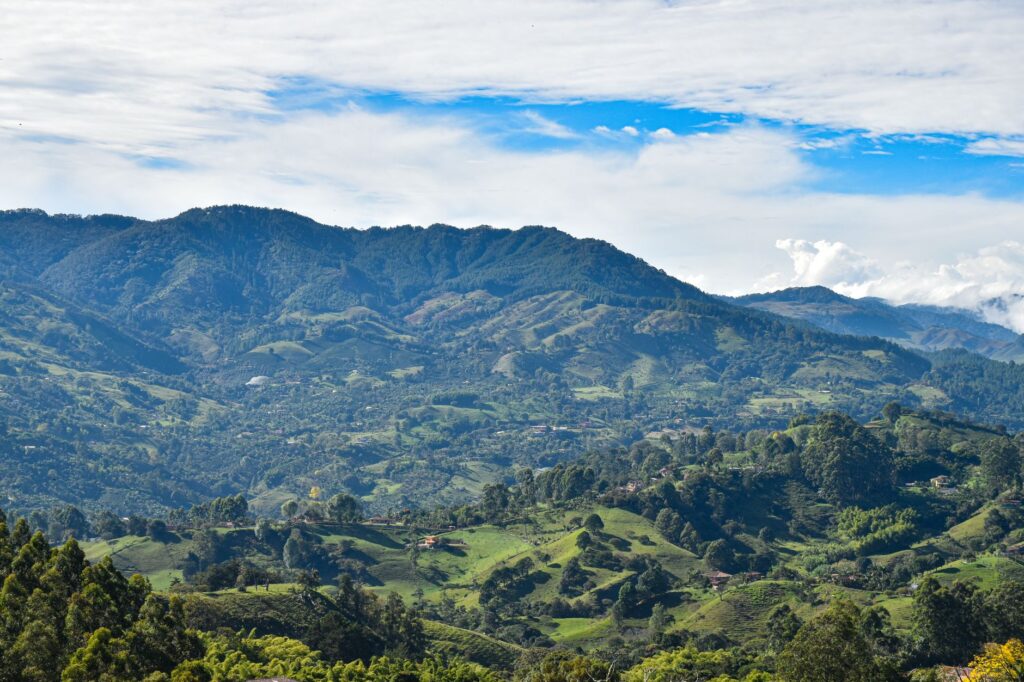
The classic four-day, three-night itinerary covers approximately forty-three kilometers of trail, but its true challenge lies in the abrupt altitudinal variation. The traverse typically begins at Kilometer 82 of the railway running parallel to the Urubamba River, situated at about two thousand two hundred meters above sea level, and culminates at the Sun Gate, or Inti Punku, offering direct views of Machu Picchu. Over these days, expeditionaries ascend and descend deep river valleys, cross microclimates ranging from sub-tropical dry forest to high Andean puna, and conquer high passes where morning mist shrouds slopes covered in bromeliads and wild orchids.
The geographical layout demands constant reading of the terrain. Trails combine compacted earth sections with irregular stone staircases that, during the rainy season, turn into extremely slippery surfaces. Likewise, solar exposure during central daylight hours contrasts sharply with sub-zero temperatures frequently recorded at high-altitude campsites such as Wiñay Wayna or Phuyupatamarca. This climatic duality demands rigorous selection of technical gear, prioritizing breathable, high-end waterproof layers that guarantee mobility and prevent hypothermia caused by sweat accumulation during prolonged ascents.
Medical Acclimatization and Altitude Physiology
A decisive factor for success and safety on the Inca Trail is proper acclimatization prior to reaching the starting point. Crossing the three-thousand-meter altitude threshold without adequate physiological preparation exponentially increases the risk of acute mountain sickness, popularly known in the region as soroche. Initial symptoms, including persistent headache, nausea, extreme fatigue, and dizziness, can incapacitate even the most experienced traveler if necessary medical precautions are ignored. For this reason, it is strongly recommended to spend at least three days prior in the city of Cuzco, situated at about three thousand four hundred meters, undertaking lower-intensity hikes to allow the body to increase red blood cell production and cellular oxygenation efficiency.
Constant hydration and a diet rich in complex carbohydrates are fundamental pillars during marching days. Added to this is the traditional use of coca leaves, consumed in infusion or chewed with an alkaline agent to alleviate the effects of altitude fatigue, an ancient practice validated both by the experience of local porters and mountain guides. It is imperative that every expeditionary knows their physical limits and immediately communicates any anomaly to professional guides, who are trained to administer supplemental oxygen or coordinate emergency evacuations in remote sections where vehicular access is nonexistent.
Human Logistics: The Essential Role of Porters and Guides
No expedition to the Inca Trail can be conceived without acknowledging the indispensable work of local porters, men and women from high-Andean communities whose strength, ancestral knowledge, and physical endurance sustain the logistical infrastructure of every campsite. These workers transport camping equipment, kitchens, and food provisions across the passes, ensuring travelers have shelter and hot meals at the end of each day. In recent years, Peruvian legislation has made significant progress in regulating their working conditions, establishing cargo weight limits, fair minimum wages, and the obligation to provide adequate gear for extreme cold.
Absolute respect for local communities and rigorous compliance with fair-load regulations are as vital to the expedition as technical footwear or the topographic map.
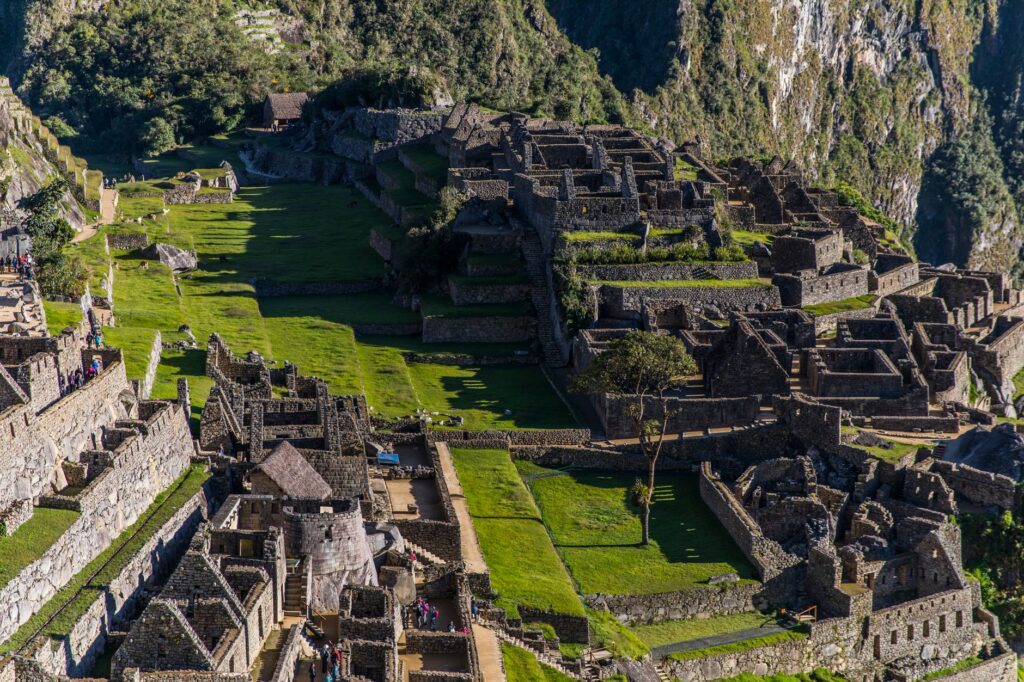
Having an official tourism guide specialized in high mountain and Andean archaeology radically transforms the travel perspective. It is not merely about following a marked path, but about deciphering the historical significance of secondary citadels like Patallacta, Runkurakay, or Sayacmarca, structures that often go unnoticed by the uninformed traveler. Guides also coordinate marching schedules, regulating group pace to prevent premature fatigue and ensuring strict compliance with opening and closing times at the historical sanctuary’s checkpoints.
Technical Gear Rigor and Weight Management
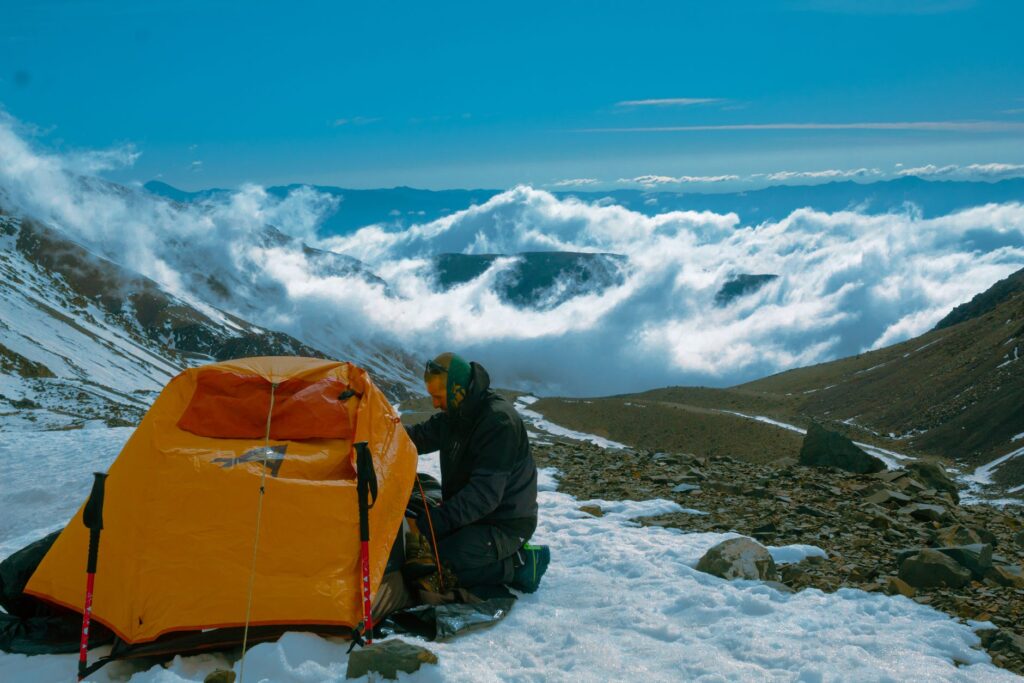
Selecting equipment for a multi-day journey in a shifting mountain environment requires a millimeter balance between functionality and load reduction. Although porters shoulder the transportation of most luggage in special duffels, each hiker must carry a daypack with capacity for water, rain gear, a personal first-aid kit, sunscreen, and extra layers. Trekking boots must be properly broken in before starting the route to prevent blistering, and using trekking poles with rubber tips is essential to protect knee joints during steep descents down thousands of stone steps.
Furthermore, managing waste generated along the route constitutes a matter of strict environmental policy. The Leave No Trace principle is applied relentlessly throughout the Machu Picchu National Park. All wrappers, reusable bottles, and personal waste must be carried back out by the expeditionary or managed by the agency through strict recycling protocols. The fragility of cloud forest ecosystems and high visitor influx make any negligence in waste management irreversibly impact endemic flora and fauna inhabiting the ecological corridor.
Arrival at the Citadel and the Climax of the Route
The high point of the expedition occurs in the early hours of the fourth day, when hikers leave camp at dawn to reach the Sun Gate before sunrise. This final stretch requires crossing a nearly vertical stone staircase popularly known as the gringo killer, where expeditionaries must climb using their hands due to the steep incline. Upon breaching the Inti Punku threshold, the visual reward is the overhead panoramic view of Machu Picchu slowly emerging through the mists of the Urubamba canyon, a moment of profound emotional weight following the sustained effort of previous days.
This moment of contemplation marks the reunion with conventional tourism, an abrupt contrast after the solitude and silence of the high-altitude camps. Descending into the ruins and touring the agricultural, urban, and sacred sectors accompanied by expert knowledge allows appreciation of the architectural magnitude of this imperial refuge that was never discovered by Spanish conquistadors. The visit concludes with a bus descent to the town of Aguas Calientes and the subsequent return train ride to the station of Ollantaytambo, closing a geographical and historical cycle of incalculable value.

Practical guide
- Best time to visit: The dry season, spanning from May to September, offers clear skies and lower probability of precipitation, though with very cold nights.
- Permits and bookings: It is mandatory to book the Inca Trail permit six to eight months in advance due to limited daily quotas.
- Recommended acclimatization: Stay a minimum of three days in Cuzco or the Sacred Valley before starting the trek to mitigate altitude effects.
- Required documentation: Original valid passport—the exact one used for permit purchase—and international student card if applicable.
- Vaccines and health: No mandatory vaccines are required for the route, but consulting a doctor regarding altitude sickness prophylaxis is advised.
- Currency and payments: The Peruvian sol is the official currency, though credit cards and US dollars are accepted in authorized businesses in Cuzco and Aguas Calientes.
Epilogue in the Andean Mist
When the trail dust settles and muscles find rest after weeks of memories etched into memory, the Inca Trail reveals itself not as a simple tourist route, but as a testament to human endurance and harmony with the landscape. The stones carved by ancient stonemasons continue to resist the onslaught of time and overgrowth, reminding us that great journeys are measured not solely by kilometers covered, but by the capacity to transform our perspective on history and nature. In every step across the high Andean puna subsists the echo of an empire that understood vertical geography not as a limit, but as its highest home.