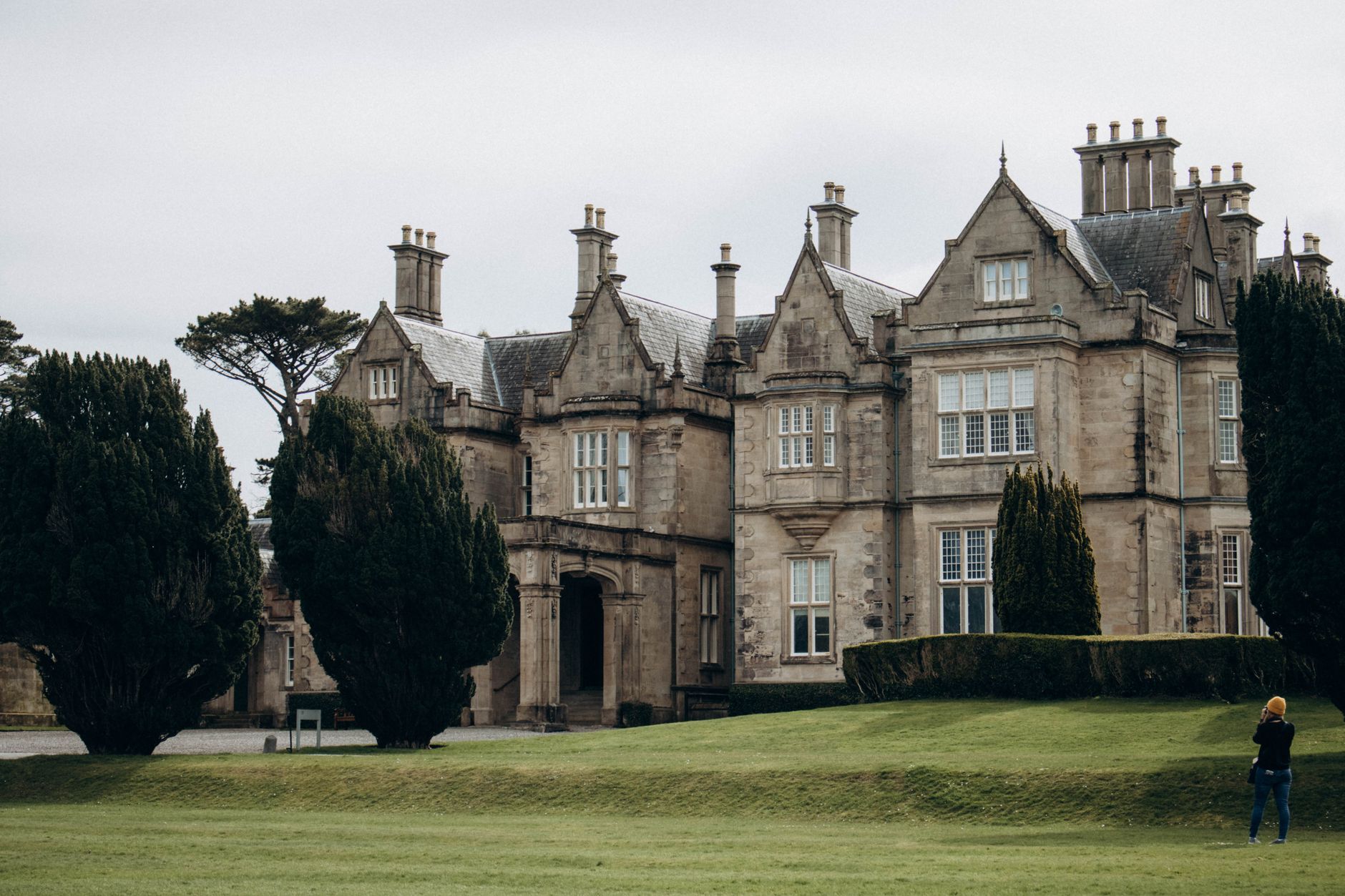

There is a precise moment when Ireland’s colors shift allegiance. The vibrant, luminous green of summer gives way to a palette of ochres, earthy browns, and metallic grays that converse directly with the gentle fury of the Atlantic Ocean. While most of Europe packs away suitcases as the thermometer drops, the emerald isle deploys a quiet, sophisticated strategy: proving that its greatest allure lies not in summer warmth, but in the enveloping, almost literary atmosphere of its autumn and winter months.
The recent official presentation of Ireland’s tourism strategy for the low-temperature season confirms a paradigm shift for the contemporary traveler. The pursuit is no longer solely about the sun-drenched postcard, but about the authenticity of the local pulse. During this period, heavy crowds vanish from the Cliffs of Moher and the trails of Connemara, returning the landscape to its ancestral silence. The traveler arriving now is not a mere spectator, but an invited guest gaining access to the backstage of a culture where refuge, live music, and unhurried conversation are elevated forms of resistance against the cold.
The Awakening of the Atlantic Coast: The Wild Route Under Winter Light
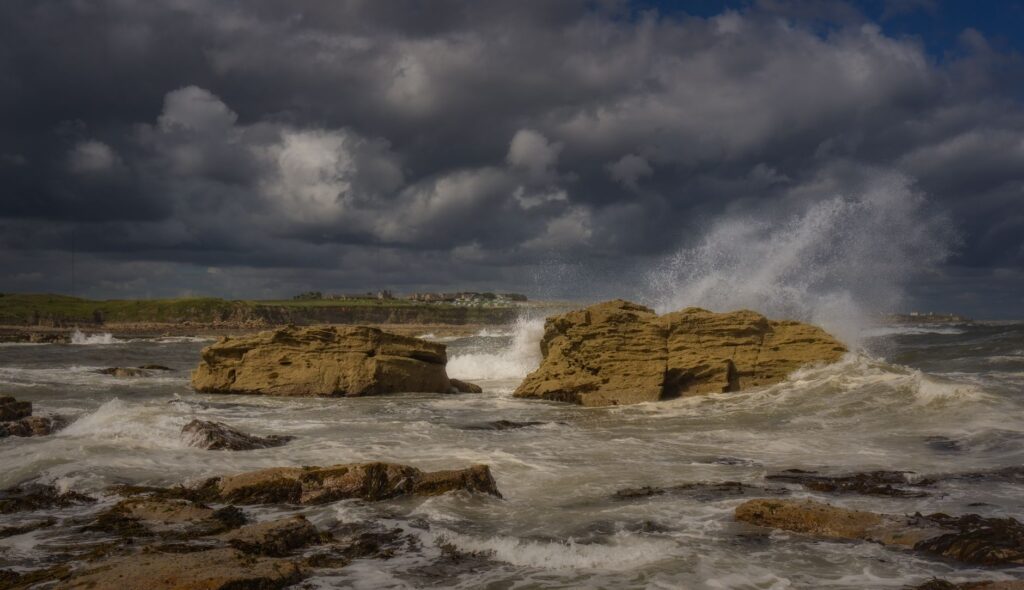
Traversing the Wild Atlantic Way when the sky curves beneath leaden clouds offers a completely distinct aesthetic experience. The route, winding over two thousand five hundred kilometers along the western coastline, takes on an epic dimension. Winter storms are not obstacles, but the very engine that sculpts the landscape, hurling white foam against dizzying cliffs and filling interior valleys with mist. In counties like Clare or Kerry, nature reveals itself in its purest, unadorned state.
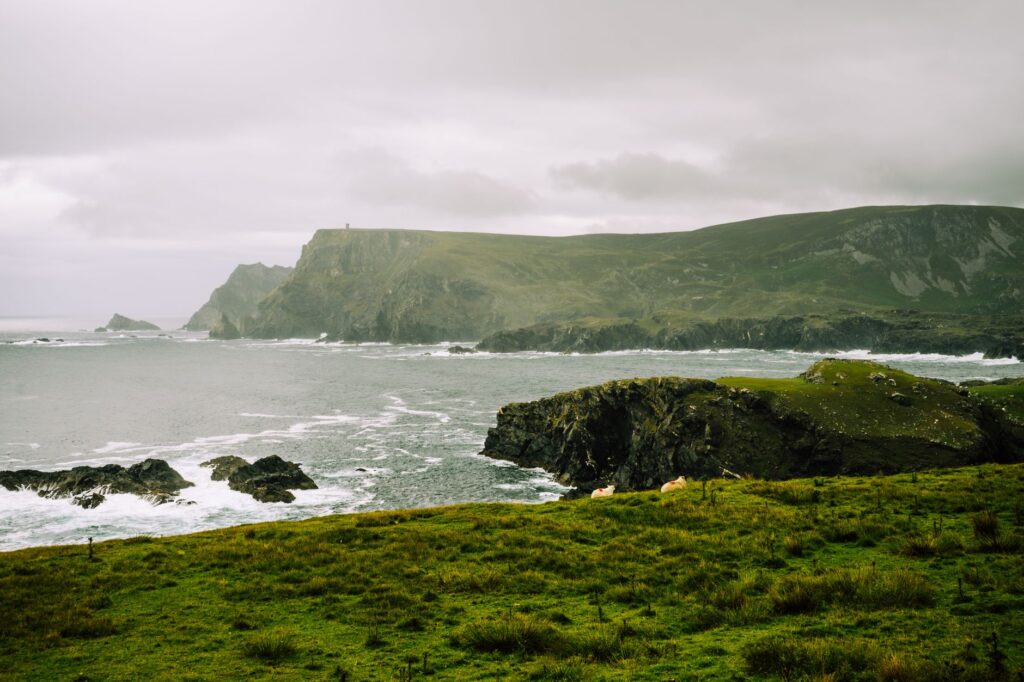
Local meteorologists and conservation experts note that winter light on the western coast possesses a unique quality—a horizontal radiance lasting barely a few hours that illuminates stone-walled fields with golden glints before melting into twilight. It is in this context that historic lighthouses, such as Loop Head, take on a cinematic prominence. Standing sheltered behind their walls while the wind roars mere meters away recalls both the vulnerability and the resilience of coastal communities that have inhabited these edges for centuries.
Stone Architecture and Fire: The Warmth of Traditional Pubs
When the wind lashes and temperatures plummet, Irish social life retreats indoors. The traditional pub is not merely a hospitality establishment, but the true agora of the community. In villages like Dingle or Westport, these spaces transform into sanctuaries of dark wood, turf fireplaces, and walls bearing witness to local history. Here, autumn and winter unfold around the hearth, where the crackling of peat releases an unmistakable aroma that infuses the atmosphere.
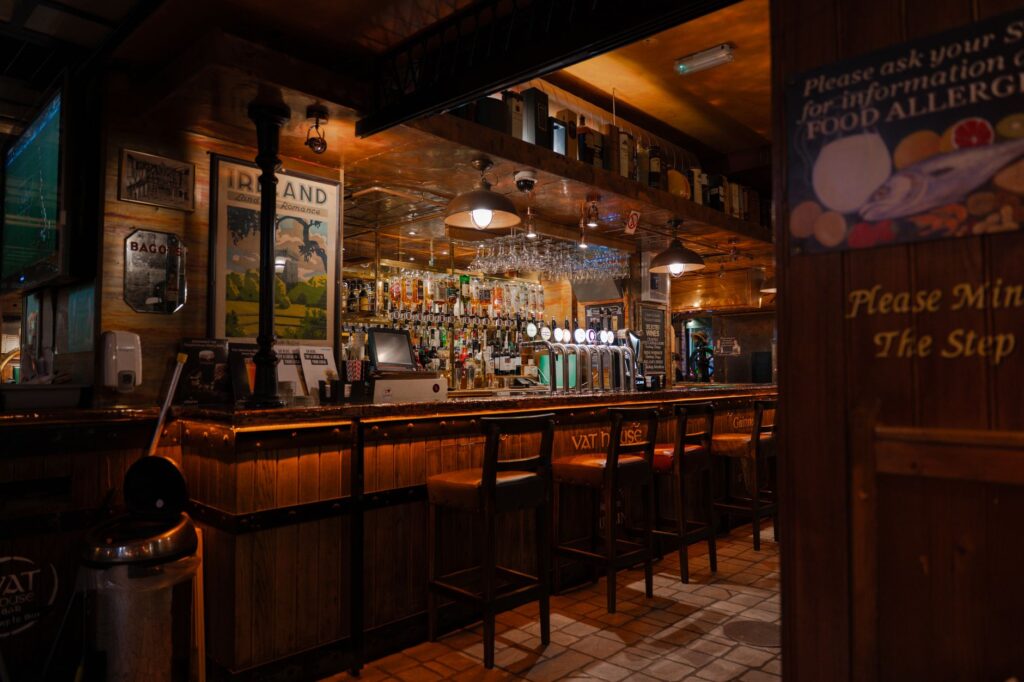
blockquote>The true character of Ireland is not discovered beneath July sunshine, but sheltered beside a peat fire while the Atlantic rattles the windowpanes outside.
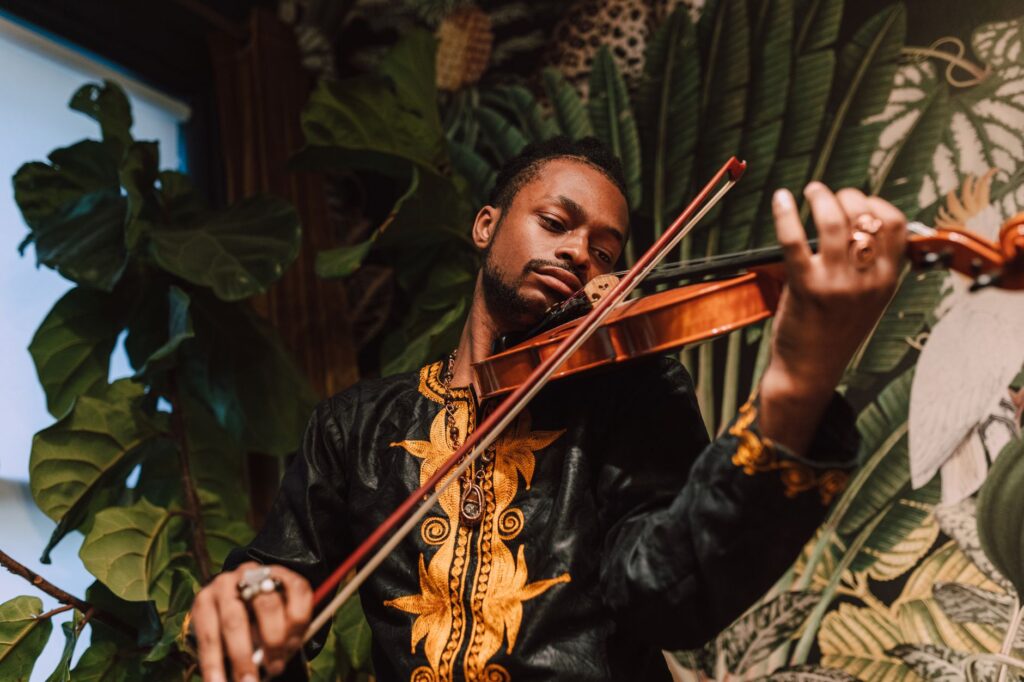
It is within these urban and rural havens that traditional music arises spontaneously. Live tuning sessions bring together local musicians and visitors in an intimate circle where the fiddle, accordion, and bodhrán weave ancestral melodies. There are no stages or grand artifices; the music flows at the same unhurried rhythm with which a pint of dark stout is poured. This direct cultural exchange constitutes one of the most valued attractions for those choosing the off-season to discover the island.
Flavor of Sea and Land: The Seasonal Larder at the Irish Table
Irish gastronomy has undergone a quiet revolution that finds its ultimate expression during the cold months. Local chefs commit decisively to zero-kilometer produce, harnessing the bounty of sea and pasture. Slow-cooked lamb stews with wild herbs, fresh seafood harvested from cold Atlantic waters—such as Galway Bay oysters—and freshly baked soda breads form part of a deeply comforting recipe book.
Autumn food fairs and local markets held in towns like Cork and Kinsale showcase the vitality of a cuisine paying homage to the land. Dining in Ireland during this era is an exercise in rootedness. Ingredients reflect the harshness and generosity of a climate that compels a deep appreciation for locally produced goods. Each dish tells a story of survival, tradition, and a growing culinary sophistication that dismantles any outdated prejudice regarding the island’s cooking.
The Cultural Pulse in Cities: Dublin and Galway Indoors
While nature roars along the coast, urban centers concentrate intense cultural activity unfolding beneath historic roofs. Dublin, with its unavoidable literary footprint, invites visitors to explore the National Library halls or lose themselves among the fine wood shelves of Trinity College, where the Book of Kells preserves centuries of monastic wisdom. Theaters, such as the historic Abbey Theatre, premiere their most ambitious seasons to coincide with the arrival of the cold.
Meanwhile, Galway maintains its bohemian spirit adapted to the winter rhythm. Its pedestrian streets, usually crowded with street performers in summer, now fill with university students and locals frequenting independent bookstores and specialty coffee shops. Museum offerings and contemporary art galleries provide a perfect counterpoint to days in the elements, proving that intellectual life in Ireland does not extinguish when the mercury drops, but rather concentrates and deepens.
Myths, Legends, and the Longest Night: The Celtic Legacy
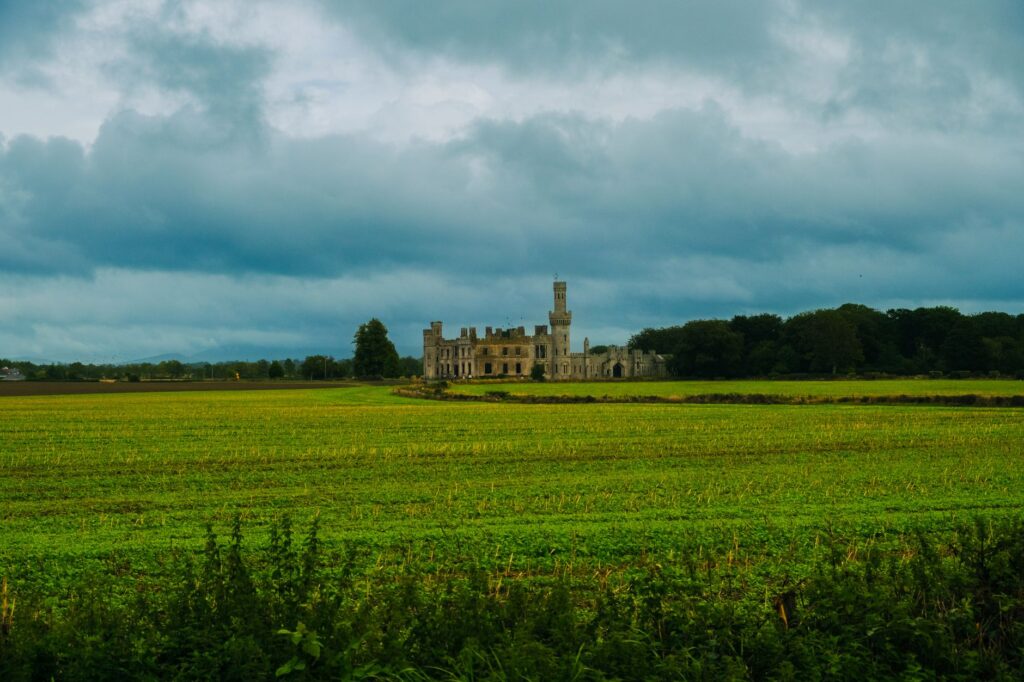
Winter in Ireland is, par excellence, the time of the seanchaí, traditional storytellers. With nights rapidly gaining ground over daylight, legends of ancient kings, Celtic deities, and fae folk assume a new dimension by the warmth of the hearth. Archaeological sites like the Brú na Bóinne complex acquire a special mystical significance as the winter solstice approaches, the moment when dawn light penetrates with millimetric precision into the interior of the Newgrange burial chamber.
This intangible heritage is a primary reason travelers choose the cold months. Connection with the island’s pagan and Christian past is perceived most clearly in vegetation-stripped landscapes. The monastic ruins of Glendalough in County Wicklow, shrouded in morning mist, transmit a sense of absolute timelessness inaccessible beneath the bustle of mass summer tourism.
Practical guide
Planning an autumn and winter getaway to Ireland requires understanding the logistical particularities of the season. Although the climate is cool and damp, proper equipment ensures full, trouble-free enjoyment of the destination.
- Transport: Renting a vehicle remains the most flexible option for touring the coast and rural areas. It is essential to verify that the car features appropriate tires and comprehensive insurance coverage.
- Clothing and footwear: Waterproofing and adaptability are key. The layering system is recommended, alongside hiking footwear with non-slip soles and a solid coat resistant to Atlantic winds.
- Hours and reservations: Many rural attractions and castles reduce opening hours between November and February. Verifying online availability before setting out is strongly advised.
- Accommodation: Rural hotels and traditional bed and breakfasts offer highly competitive rates in the low season, allowing access to high-end stays at reduced prices.
blockquote>Traveling against the current of the seasons is the only way to hear the true voice of a territory that does not sell itself to the visitor, but rather welcomes them.
The Final Refuge: The Art of Stilling Time
At the journey’s end, when the day’s exploration yields to the early evening gloom, Ireland bestows its final and most intimate lesson: the value of the pause. It is not about accumulating miles on the road or ticking monuments off a list, but about understanding that the island’s beauty lies in its capacity to stop time. Sitting before a window misted by rain, watching cattle graze calmly beneath a leaden sky, and listening to the distant murmur of a Gaelic conversation is the true luxury offered by the Irish winter.
This emotional experience, stripped of commercial artifice, leaves a lasting imprint on the traveler. The luminous melancholy of short days and the human warmth of its people form an unbeatable binomial that makes the emerald isle the definitive destination for those who view travel not as an escape, but as a reunion with the essential. Source in EN: Agenttravel.es – Ireland showcases its main attractions for autumn and winter getaways.