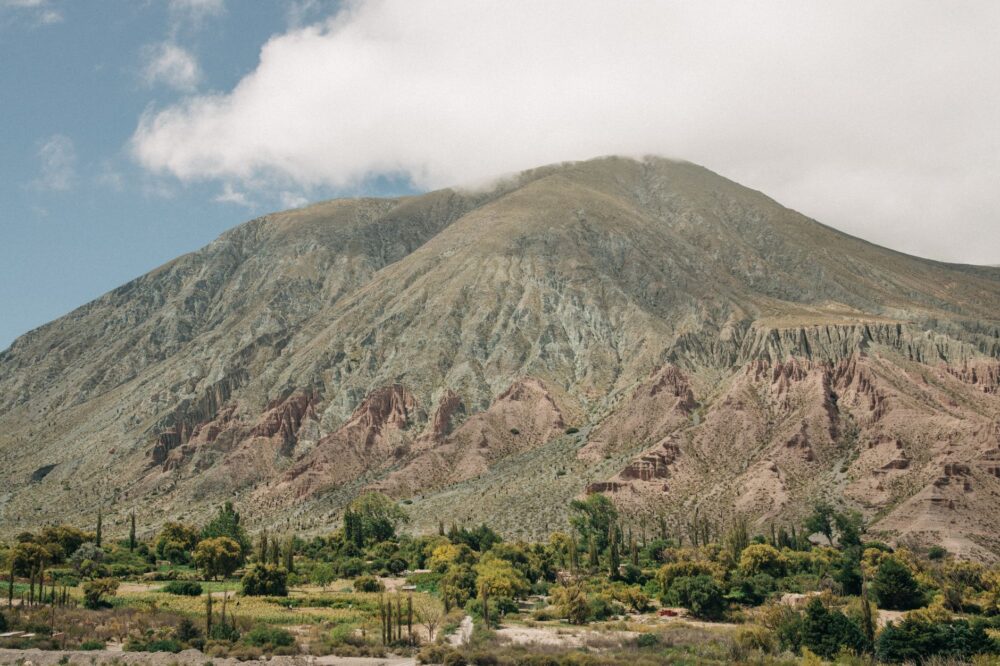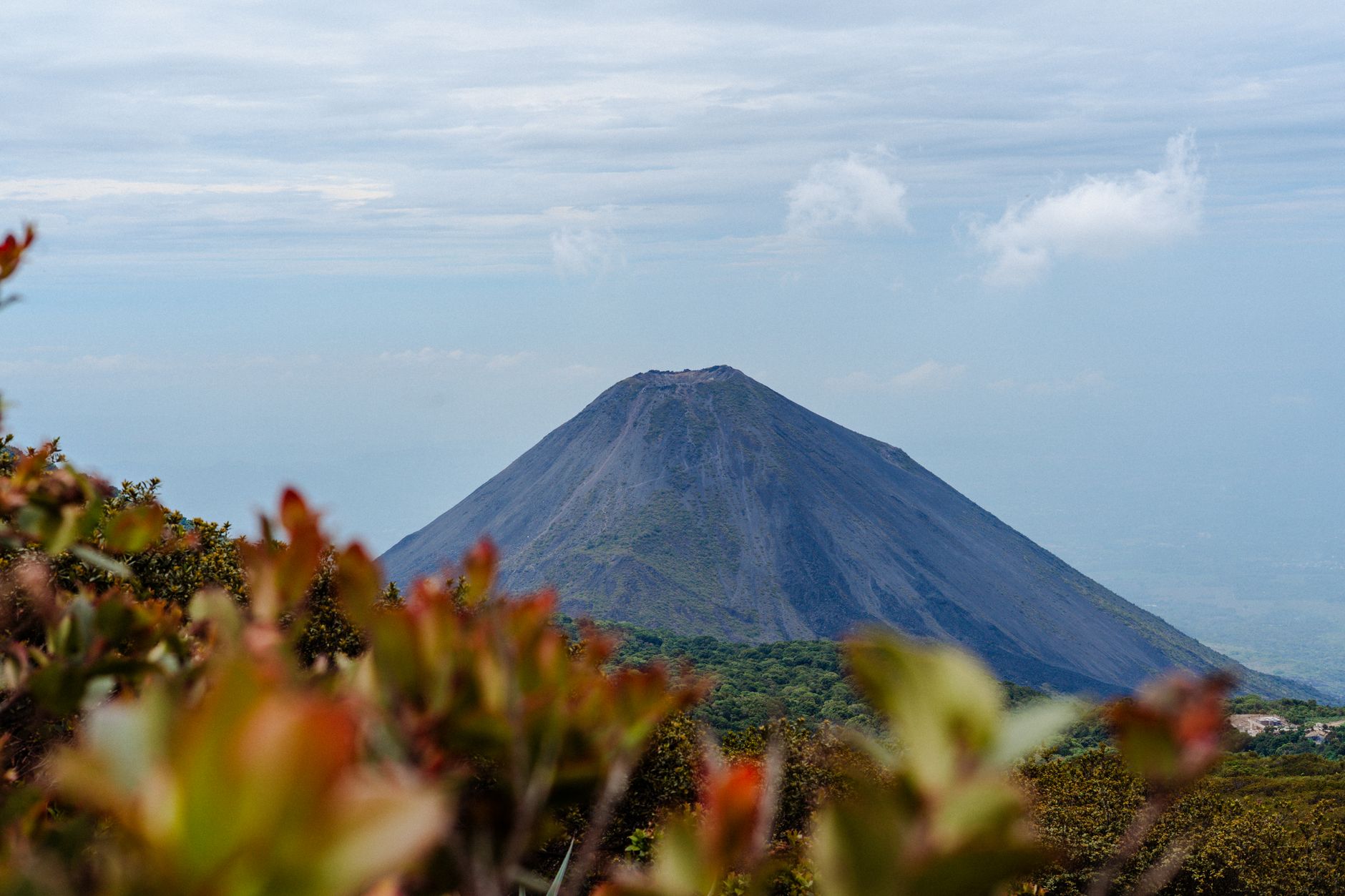

International recognition in the tourism sector is typically measured through visitor arrival volumes, hotel occupancy rates, or massive infrastructure investments. However, when the global industry pauses to evaluate the communication, narrative, and ethics behind a destination, the parameters change radically. Costa Rica recently reclaimed a prominent position on the European landscape by winning two accolades at the prestigious 2026 Travel Marketing Awards held in the United Kingdom. This achievement is not merely an aesthetic trophy for the Costa Rican Tourism Board, but concrete proof that a narrative grounded in environmental coherence can resonate powerfully in highly competitive and demanding markets.
To understand the magnitude of this award, one must examine how the image of a tropical country is constructed within the mind of the British traveler. In an environment saturated with loud advertising campaigns, hollow promises of exotic luxury, and growing skepticism toward greenwashing, the Costa Rican strategy chose sobriety, transparency, and scientific rigor. This report explores the keys to that victory, the backdrop of an industry that has spent decades refining its proposition, and the challenges faced by a small nation competing in the major leagues of international tourism communication.
Conquering the British Market and the Value of Authenticity
The United Kingdom has traditionally been one of the most mature and influential source markets for Costa Rica in Europe. The British traveler tends to seek experiences where nature is not just a scenic backdrop, but the central axis of a transformative journey. It is not merely about birdwatching or hiking along muddy trails, but about understanding the complex gears of conservation that allow a quarter of the national territory to be protected under various legal frameworks.
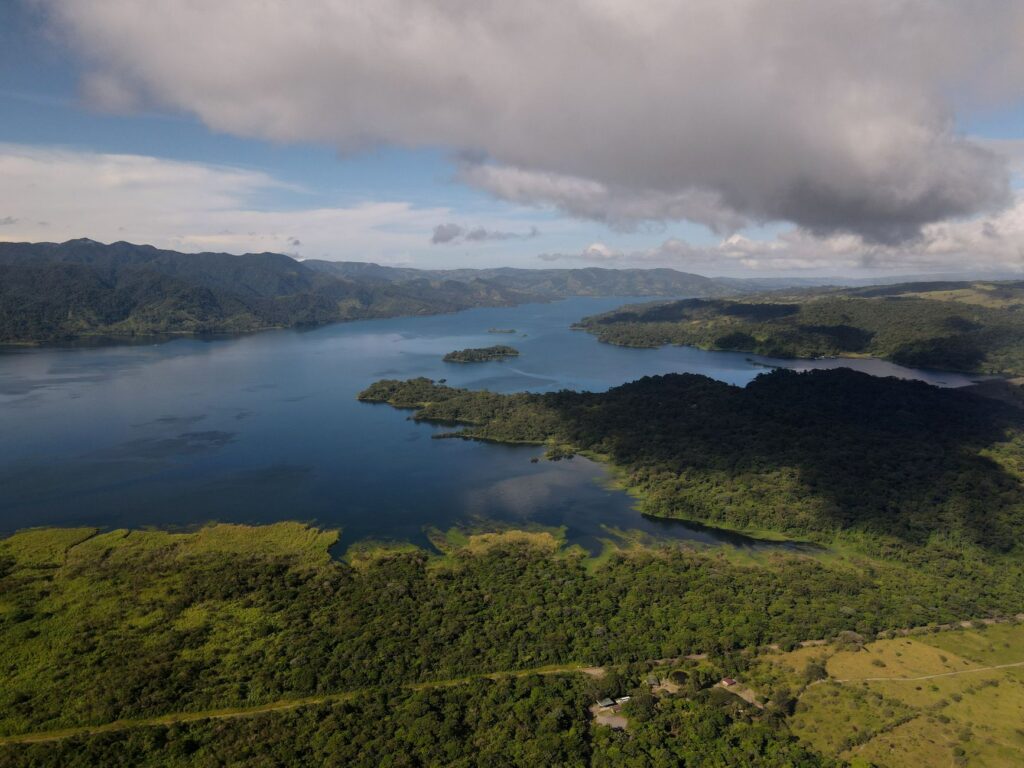
The award-winning campaigns in London successfully transcended superficial tropical folklore to connect with contemporary sensibilities: the climate urgency and the need for truly regenerative tourism. Through audiovisual pieces and digital proposals that prioritized local voices over advertising clichés, Costa Rican promotion demonstrated that authenticity remains the most valuable asset in modern marketing.
Sustainability as a Transversal Axis: From Theory to Practice
Talking about sustainability in tourism is an indispensable requirement today, but applying it systemically remains a global exception. The Costa Rican model, forged over more than four decades, is not limited to reducing plastic use in resorts or promoting energy efficiency. It is founded on a tacit social pact among the state, rural communities, and the private sector that distributes the economic benefits of the activity in a decentralized manner.
This comprehensive approach was precisely what the jury of the Travel Marketing Awards evaluated. The awarded campaigns highlighted how a developing nation can lead the global conversation on climate change without losing sight of genuine hospitality. Institutional and commercial messages avoided the sector’s habitual exaggerations, choosing to display both achievements and pending conservation challenges.
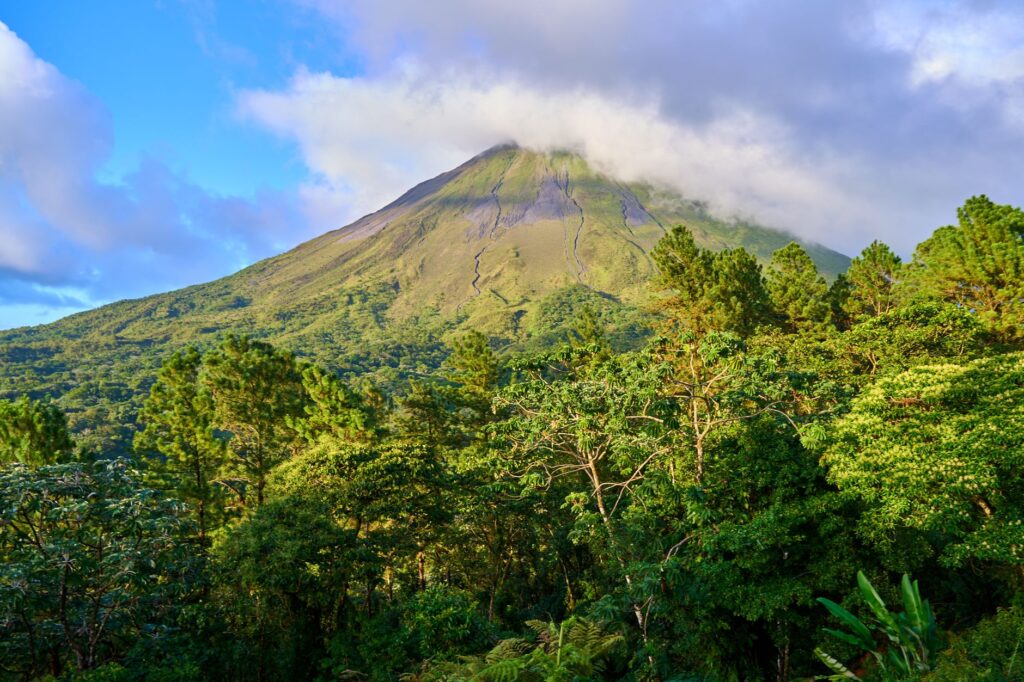
The Community Pulse: When the Local Inhabitant is the True Storyteller
One of the most notable successes of the communication strategies awarded in the United Kingdom was displacing the traditional narrator—the corporate voiceover or international agency—to give the floor to those who inhabit and protect the territory. Naturalist guides from Tortuguero, organic farmers from the Central Valley, and indigenous leaders from Talamanca became the natural spokespersons for the country brand.
This methodological decision adds an irreplaceable layer of truthfulness. When a potential visitor hears firsthand how a coastal village successfully restored its sea turtle population or how a coffee cooperative transformed its waste into clean energy, the perception of the journey changes radically. It ceases to be a passive consumption of natural attractions and becomes an act of mutual respect and support.
True innovation in tourism marketing does not lie in the technology used to sell a destination, but in the honesty of the narrative that sustains it.
Challenges and Contradictions of the Success Model
Despite the applause in London and institutional pride, Costa Rica’s international success raises complex questions. The sustained increase in European visitors places considerable pressure on the country’s fragile ecosystems and local infrastructure. Traffic congestion on key routes to national parks, the rising cost of living in rural areas, and the carbon footprint derived from transatlantic flights are realities that cannot be hidden beneath the sheen of an award.
The great challenge for Costa Rican tourism planners lies in managing growth without eroding the essence that made the recognition possible. The saturation of certain iconic destinations demands intelligent diversification toward less explored regions, ensuring that economic benefits continue to reach grassroots communities without compromising the environmental carrying capacity of the territories.
The Role of Cultural Diplomacy and International Visibility
Awards such as those obtained in the United Kingdom also act as tools of soft diplomacy. In a turbulent world where geopolitical and economic instability directly impacts traveler consumption patterns, maintaining an immaculate reputation as a safe, green, and culturally vibrant destination requires constant and coordinated diplomatic and communication efforts.
Presence at international fairs, collaboration with specialized British media, and participation in global forums on sustainable tourism are the invisible gears of a tireless machinery. This British recognition validates that sustained investment in the country’s image yields long-term fruit, consolidating a brand that transcends passing trends.
The Contemporary Traveler Facing the Green Mirror
The British tourist who chooses Costa Rica today possesses a markedly critical profile. They demand traceability in agency operations, seek accommodations with rigorous certifications, and value honesty over ostentatious luxury. The awarded campaigns read this shift in mindset with millimetric precision, offering clear answers to an audience no longer satisfied with advertising promises.
This fine-tuning between the country’s real offering and the expectations of the source market is the true foundation upon which international prestige is built. It is not about inventing attractive narratives, but about faithfully communicating a complex, imperfect reality deeply committed to the planet’s future.
A destination aspiring to be a global benchmark must have the courage to show its seams, acknowledging that environmental perfection is a path under permanent construction.
Practical guide
Planning a trip to Costa Rica from the United Kingdom requires understanding the logistical and seasonal particularities of the destination to maximize the experience while minimizing environmental impact.
- Best time to visit: The dry season spans from December to April, ideal for the Pacific coast and the Central Valley. The green or rainy season, from May to November, offers lusher landscapes, lower crowds, and excellent wildlife observation opportunities.
- Air connectivity: There are regular direct flights from London (Gatwick and Heathrow) to Juan Santamaría International Airport (SJO) in San José operated by major airlines, alongside various connecting options.
- Sustainable mobility: Travelers are encouraged to prioritize long-distance public buses, group transfers operated by sustainability-certified companies, or rental electric vehicles on major routes.
- Responsible accommodation: Seek establishments holding the Certification for Sustainable Tourism (CST), granted by the ICT, ensuring genuine practices in environmental and social management.
- Entry requirements: British citizens do not require a visa for tourist stays under 90 days, provided they present a valid passport, a departure ticket, and demonstrable economic solvency.
At the end of the journey, when the traveler leaves Costa Rican soil and returns to the hustle of major European metropolises, what endures is not the perfect postcard or the comfort of an exclusive hotel, but the deep echo of a living jungle beating to the rhythm of a collective effort. The experience demonstrates that the most genuine sustainability is not advertised with artifices, but breathed into the atmosphere of a country that has chosen to make conservation its highest international currency.
Source in EN: Periódico Mensaje – Costa Rica obtained two awards at the Travel Marketing Awards 2026 in the United Kingdom (https://news.google.com/rss/articles/CBMi1gFBVV95cUxQTlBkZ1dEVU9WMlVyTE9BMkpSV3h4dUF0ZVVCTUpEeUlfWkdVQ0lmWURCam54bzBTZktGT1BzVDhyZ0w3dWpUVGJzQjVsQXFUR2xpNFVjZFhiTjlqc0liZ2doWnFveml4RDJ6UHB1SWdZbW5HSEEzOGZaOFJJQ0lNZGtkQnBIS1FMbWZrbzkzOVZKZ1E4MFVjWnBtWWp2azhBYVRqVUV2TmpQY2JuR2R1d1BQWllMNmI3SFJxeGo1NWJaZHd3MnhiUnRHX3hDeTNUUXVzZ09R?oc=5)