
The Liquid Artery Defying Asphalt
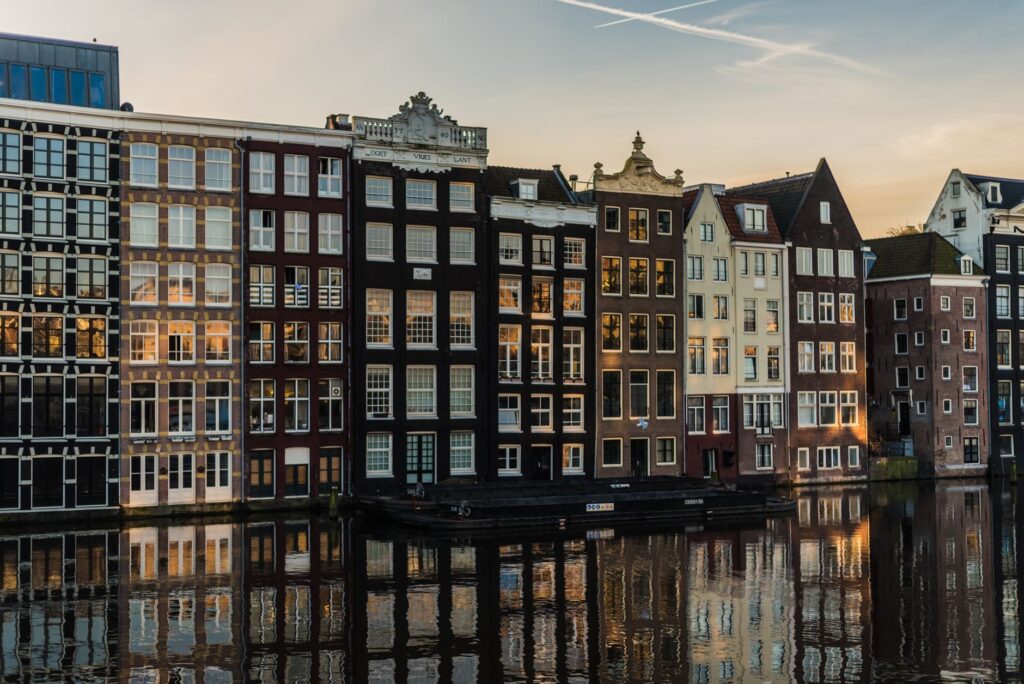
Water in the Netherlands is not merely a geographical element or an aesthetic resource; it forms the backbone upon which civilization has been built for centuries. Far from the touristic imagery of Amsterdam’s grand urban canals, the true silent revolution of sustainable mobility is brewing in the secondary waterways and historic channels of the Utrecht province and its surroundings. Here, the pressure of road traffic has forced a complete rethinking of freight and passenger transport, turning gaze back toward the past with twenty-first-century tools.
For decades, the expansion of regional roads fragmented the rural fabric and increased the carbon footprint of a densely populated region. However, the reactivation of ancient commercial canals is proving that the future of green logistics lies on the liquid surface. The recovery of these fluvial routes is not an exercise in heritage nostalgia, but a strategic necessity to decongest urban cores and protect the fragile ecosystems of peatlands and wet meadows.
The transformation process began with a rigorous diagnostic of the carrying capacity of historical canals. Unlike major industrial arteries, these waterways possess structural limitations due to shallow depths and the presence of centuries-old low-clearance bridges. The technical response has been the design of a new generation of low-profile, one-hundred-percent electric freight vessels capable of operating without generating destructive wakes for the riverbanks.
The Architecture of Clean Navigation
At the heart of this transformation lie local shipyards and fluvial transport cooperatives that have committed to the total electrification of their fleets. These vessels, constructed from lightweight materials and recycled aluminum, incorporate high-density battery systems recharged via solar energy points installed directly on historic docks. The integration of these energy infrastructures within a protected environment demonstrates that technological modernization does not have to sacrifice the aesthetic integrity of the landscape.
Beyond cargo barges, the fluvial public transport system has undergone a radical metamorphosis. Traditional diesel ferries, which for generations connected agricultural banks, have been progressively replaced by autonomous vessels guided by underwater sensors and proximity lasers. These craft optimize their routes in real time, reducing energy consumption and guaranteeing constant service even on the dense foggy mornings typical of Dutch winters.
The impact of this transition extends far beyond the water. Ancient towpaths—the dirt tracks once used by horses to pull barges—have been recovered and conditioned as soft mobility corridors. Today, these paths parallel to the canals function as exclusive greenways for pedestrians, cyclists, and low-speed electric assistance vehicles, creating an integrated system where freight transport and active mobility coexist in perfect harmony.
The Voice of Riverside Communities
The transition toward this transport model has not been without social and economic challenges. Riverside municipalities, traditionally dependent on truck transport for commercial supply, initially faced resistance from small merchants and local distributors. The key to overcoming this reluctance lay in the creation of proximity logistics hubs situated on the outskirts of villages, where large trucks unload goods to be transferred to electric barges.
This paradigm shift has revitalized the local economy of small enclaves. Small agricultural producers and local artisans now use the fluvial system to send their products directly to the urban markets of Utrecht and Amersfoort, drastically reducing distribution costs and eliminating intermediaries. Fluvial transport cooperatives act as the nexus between countryside and city, recovering the communal sense of proximity trade.
True sustainability in transport does not consist of inventing alien technologies, but of remembering how societies moved before petroleum eclipsed everything, adapting that wisdom to the demands of our time.
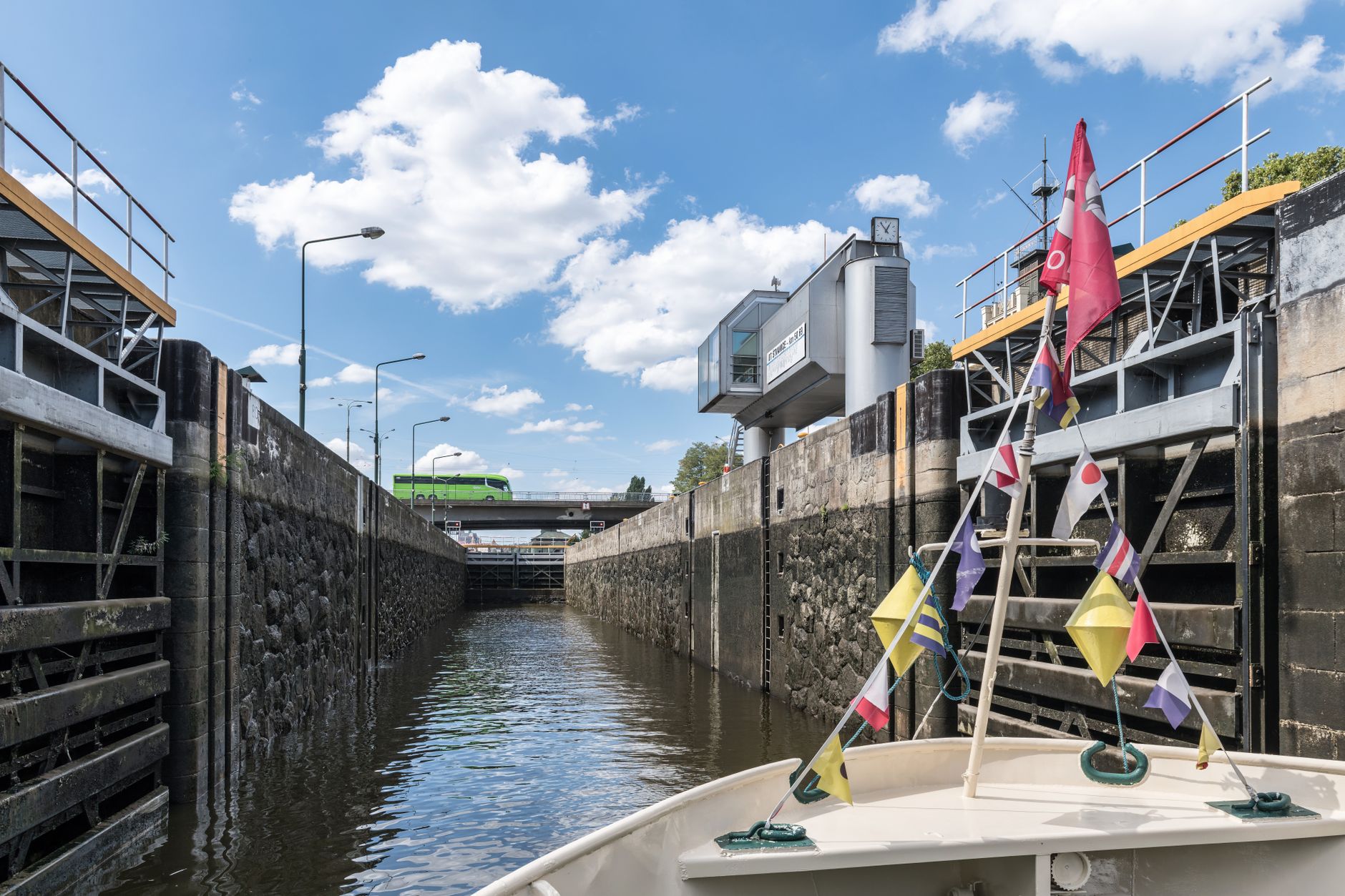
Local residents watch with pride as water returns to being the meeting space it once was. Drawbridges, now operated via automated systems powered by photovoltaic energy, open for the passage of barges with a cadence that marks the unhurried yet steady rhythm of local life. Noise pollution has diminished dramatically, allowing the sound of water and the song of aquatic birds to reclaim the daily soundscape.
The Invisible Infrastructure: Energy and Connectivity
Sustaining an electric fluvial transport network requires a decentralized and highly resilient energy infrastructure. Along the main canals, a network of fast-charging stations connected to local microgrids combining small-scale solar and wind energy has been deployed. These charging points are designed to integrate discreetly into urban furniture and old lock keeper houses, preserving architectural heritage.
Fluvial traffic management is coordinated through an open digital platform allowing barge operators, cyclists, and lock keepers to know the state of the waterway in real time. This tool prevents congestion in narrower sections and optimizes the opening of historic bridges. Digital technology thus acts as an invisible nervous system imparting intelligence to a centurylong physical infrastructure, demonstrating that tradition and advanced innovation are perfectly compatible.

Canal maintenance has also adopted an ecological approach. Instead of using heavy machinery for dredging and clearing beds, specialized equalizer boats are employed to remove sediments through gentle suction, protecting underwater flora and allowing fish to migrate without disruption. Riverbanks have been reinforced using bioengineering techniques with local timber logs and plant geotextiles instead of concrete walls.
Future Challenges Amid a Changing Climate
Despite achieved advances, the region faces formidable challenges derived from climate variability. Prolonged drought periods during summer months drastically reduce water levels in canals, threatening the viability of heavy cargo transport. On the other hand, sudden torrential rains test lock and pumping management systems originally designed for a different hydrological regime.
To mitigate these vulnerabilities, regional authorities and water boards are implementing an adaptive water management plan. This plan includes the creation of temporary retention ponds and selective deepening of critical stretches to guarantee navigability year-round. The resilience of the fluvial transport system depends directly on the capacity to anticipate climatic extremes through science-based planning and respect for natural cycles.
Training for new fluvial transport professionals has also evolved. Regional nautical schools have incorporated specific modules on electric vessel piloting, energy management, and riverbank conservation, preparing a new generation of skippers who understand their work both as a logistical service and an act of environmental stewardship.
Practical guide
How to get there: The Utrecht region is perfectly connected via the Dutch national railway network (NS). From Utrecht Central Station, access to the soft mobility network and local docks is available within minutes via electric trams or public rental bikes (OV-fiets).
When to visit: Spring (April to June) and early autumn (September to October) offer the best climatic and scenic conditions to explore the canals, avoiding summer crowds and enjoying lower recreational traffic density on the water.
Sustainable transport options: Utilize the network of cycling routes parallel to the canals (LF-routes) to explore the territory actively. To experience clean navigation, book seats on community electric ferries operating between the municipalities of Oudewater and Montfoort.

Responsible accommodation: Prioritize small historic hotels and rural houses situated in former mills or restored farmhouses featuring energy sustainability certifications and local product consumption.
Proximity gastronomy: Seek out local farmers’ markets in Utrecht and surroundings, where goods cultivated in fertile alluvial plains transported via zero-emission fluvial logistics are commercialized.
The Reflection of Water in Twilight
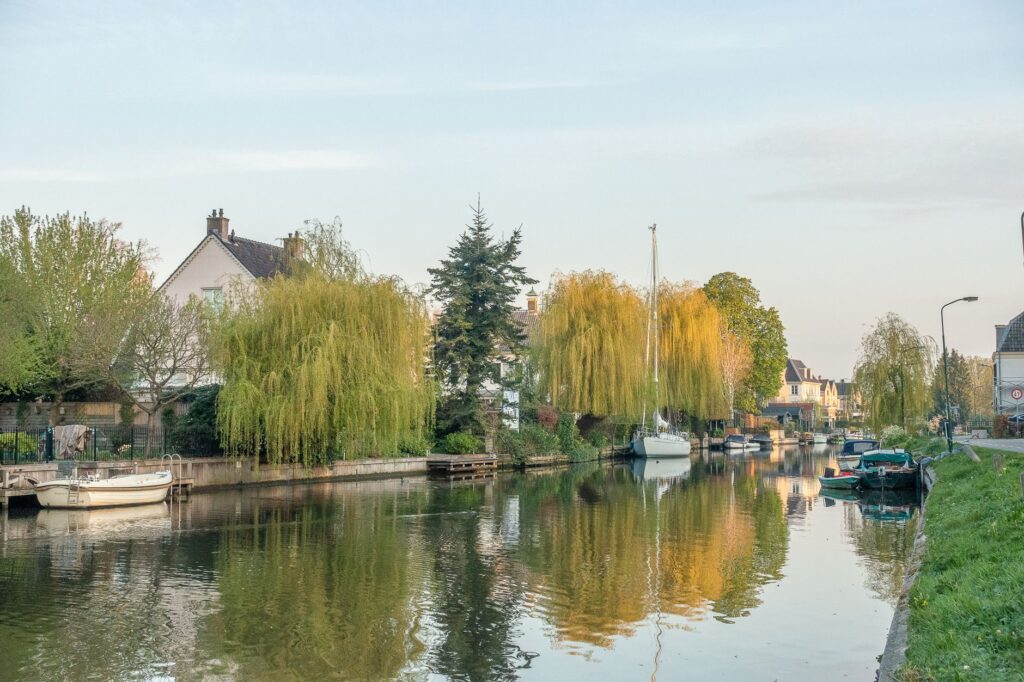
When evening falls over the Utrecht fields, the canal surface becomes a dark mirror returning the diffuse light of the crepuscular sky. Old weeping willows incline their branches toward the current, swayed by a light breeze that barely disturbs the landscape’s calm. In the distance, the imperceptible hum of an electric cargo barge briefly breaks the silence, reminding us that human activity can unfold without the mechanical violence that has characterized modern transport.
This recovered balance between mobility and nature is the true legacy the Netherlands is building in its waterways. It is not a return to an inaccessible bucolic past, but the practical demonstration that technical progress can be subordinated to environmental preservation. As we contemplate how water once again structures the community and economic life of the territory, we understand that the most advanced future often moves at cruising speed, propelled by the silent force of the current and collective intelligence.