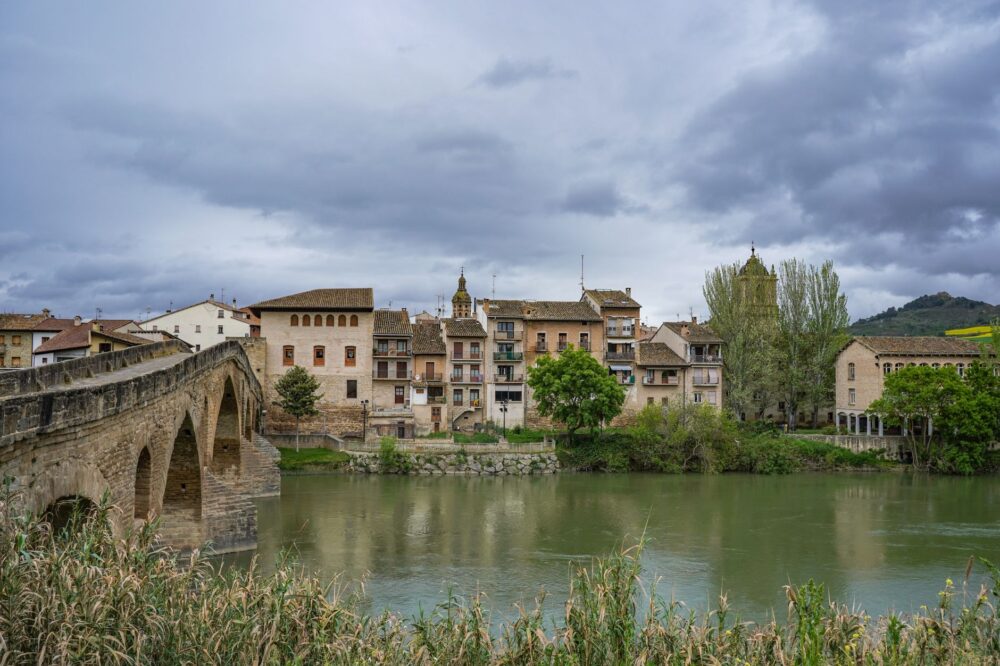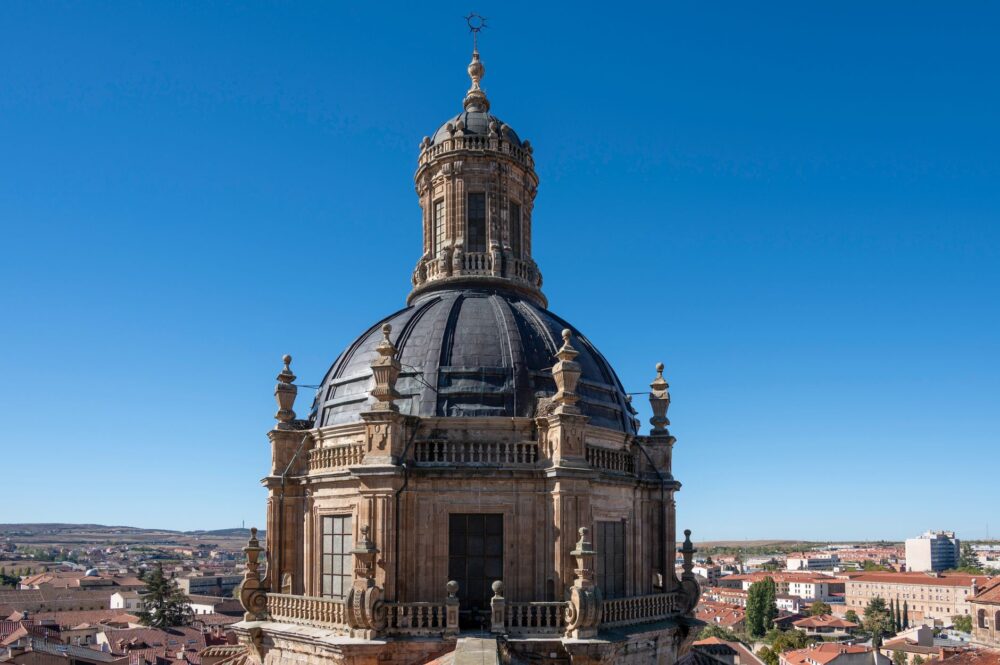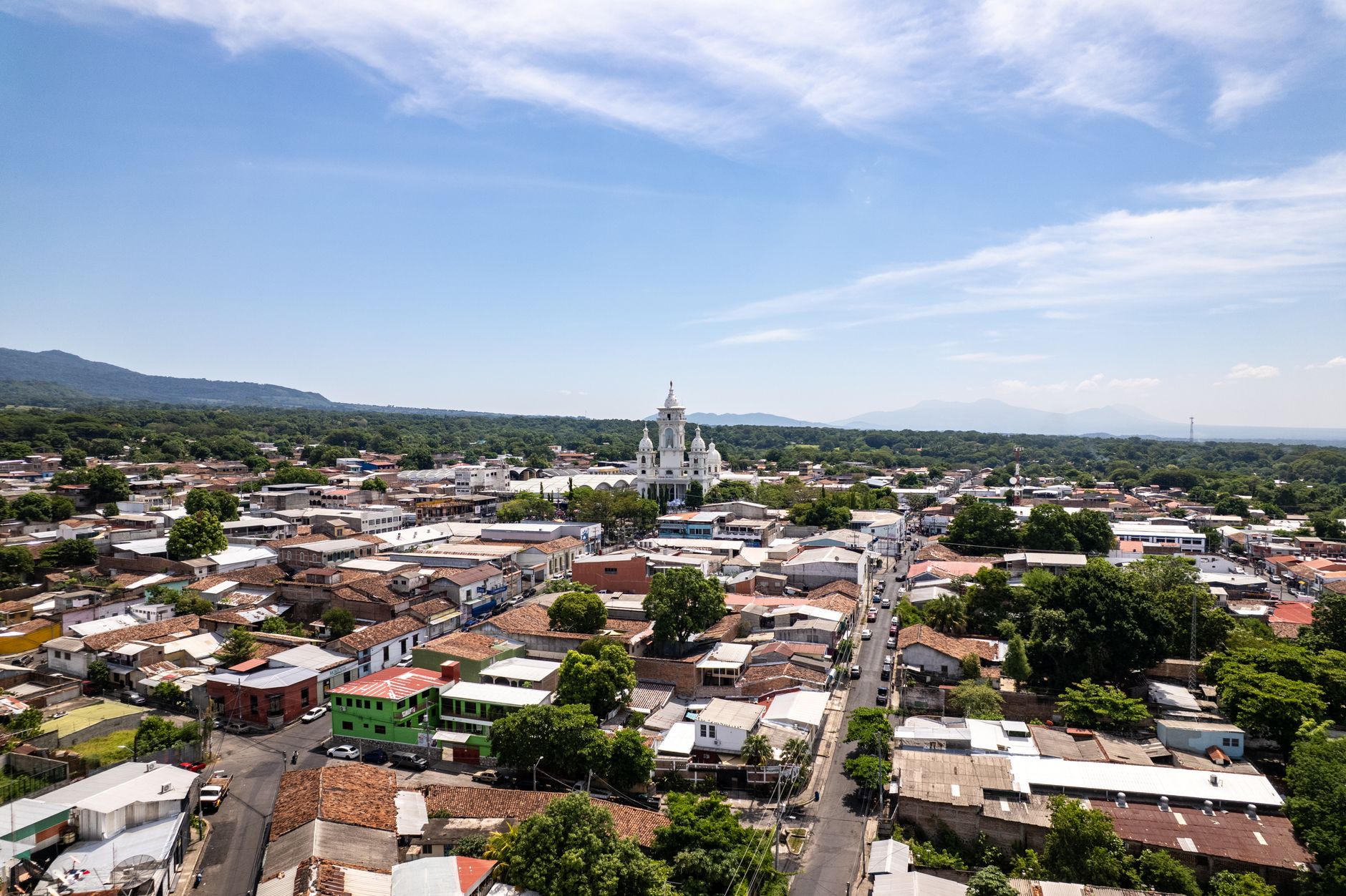

Over the past decade, the definition of a great city has undergone a radical transformation. It is no longer enough to be a financial powerhouse or a global transport hub; urban excellence is now measured by a metropolis’s ability to nurture the mental and physical health of its inhabitants. The recent ranking highlighting the ten cities with the best balance between wellness and nature is more than just a list of desirable destinations; it is a manifesto on how intelligent design can mitigate the stresses of modern life. These cities have understood that asphalt and concrete, without the counterpoint of clean air and water, eventually deplete a nation’s human capital.
Urban wellness, a concept that once seemed like a contradiction in terms, has become the axis upon which the most innovative public policies revolve. It is not simply about planting trees, but about creating ecosystems where social life, physical exercise, and aesthetic contemplation intertwine naturally. By observing cities like Vienna, Copenhagen, or Vancouver, we discover that the secret to their success lies in a holistic vision: efficient transport reduces noise, sustainable architecture improves temperature, and accessible parks democratize relaxation. It is a constant dance between productivity and pause.
The Philosophy of Green Space: Beyond Ornamentation
For a long time, urban parks were considered mere decorative elements or isolated lungs in the midst of chaos. However, the cities that today lead the wellness indices have adopted biophilia as a constructive principle. In these metropolises, nature is not a destination one travels to on the weekend, but a constant presence on the commute to work or in the view from the office. The integration of biological corridors allows biodiversity to return to the heart of cities, creating a cooler microclimate and reducing the heat island effect that so often plagues traditional capitals.
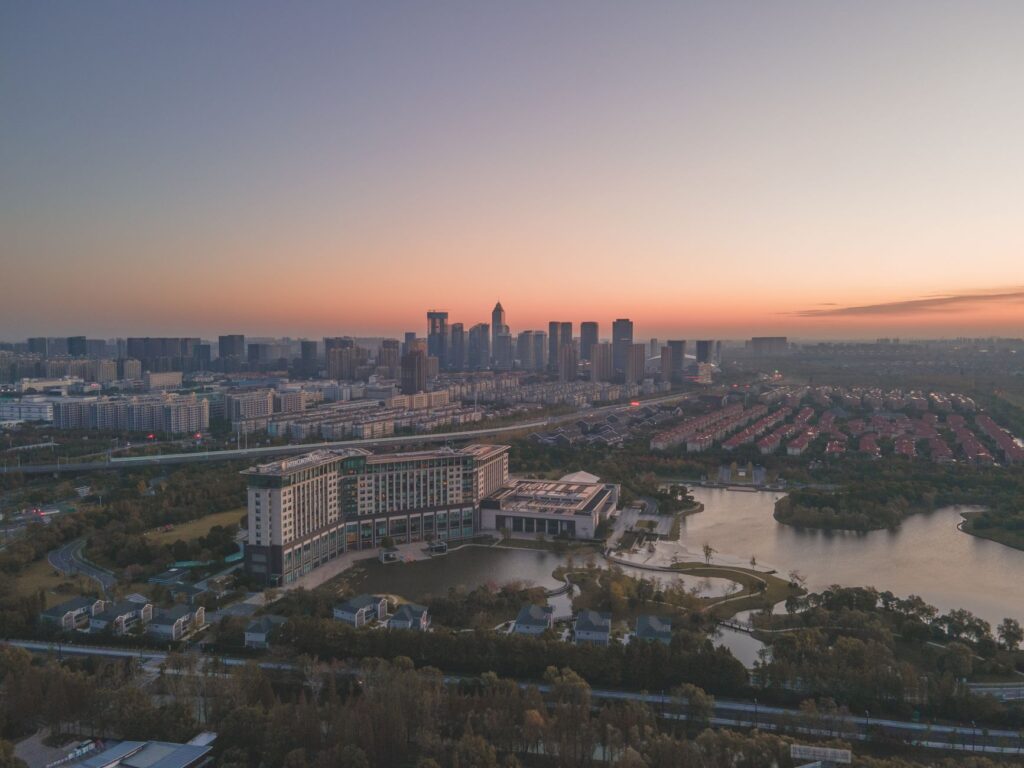
Vienna, which frequently tops these lists, is the ultimate example of this integration. With more than 50% of its area dedicated to green spaces, the Austrian capital has proven that it is possible to be a cultural powerhouse without sacrificing fresh air. Its urban vineyards, perimeter forests, and the immense Prater are not just recreational spots but essential components of the public health infrastructure. The city offers more than beauty; it offers longevity. It is this approach that attracts a new generation of travelers and residents who prioritize air quality over the glitz of skyscrapers.
“The true city of the future is not the one with the most technology, but the one that allows its citizens to feel most human in the midst of nature.”
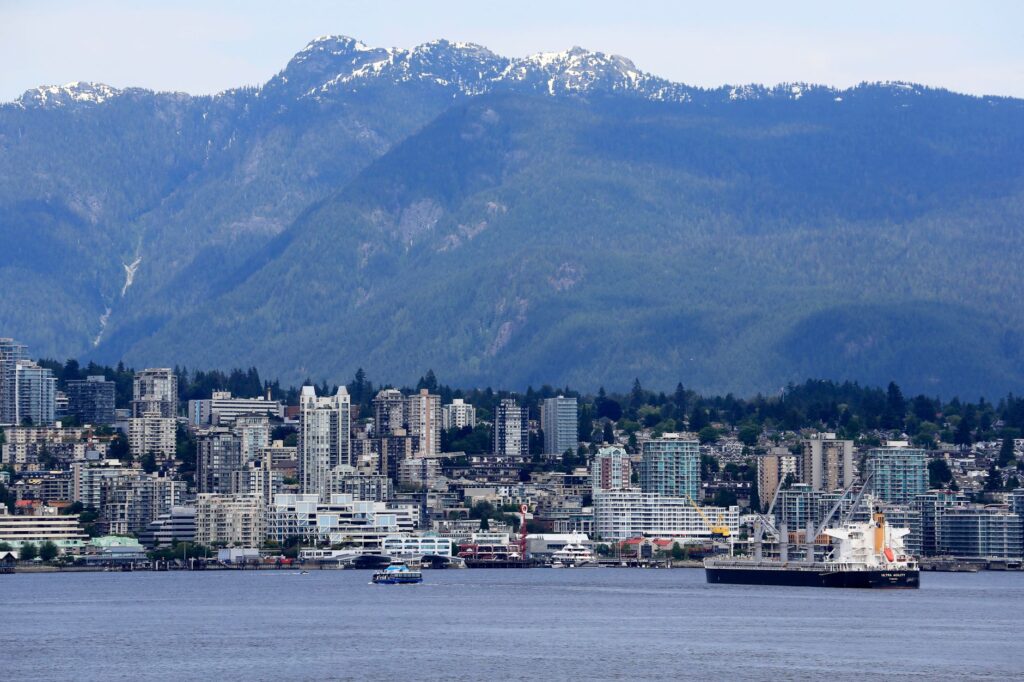
On the other hand, cities like Vancouver in Canada have successfully leveraged their privileged geographic setting to create a unique symbiosis. Flanked by mountains and the Pacific Ocean, the city has implemented strict “view corridor” regulations, ensuring that the natural horizon is never blocked by real estate development. This visual connection to the natural environment has documented psychological effects: it reduces cortisol and increases a sense of belonging. In Vancouver, wellness is breathed in Stanley Park, a sanctuary that exceeds New York’s Central Park in size and serves as a constant reminder of the human scale against the forest’s vastness.
Mobility and Silence: The Rhythm of the Healthy City
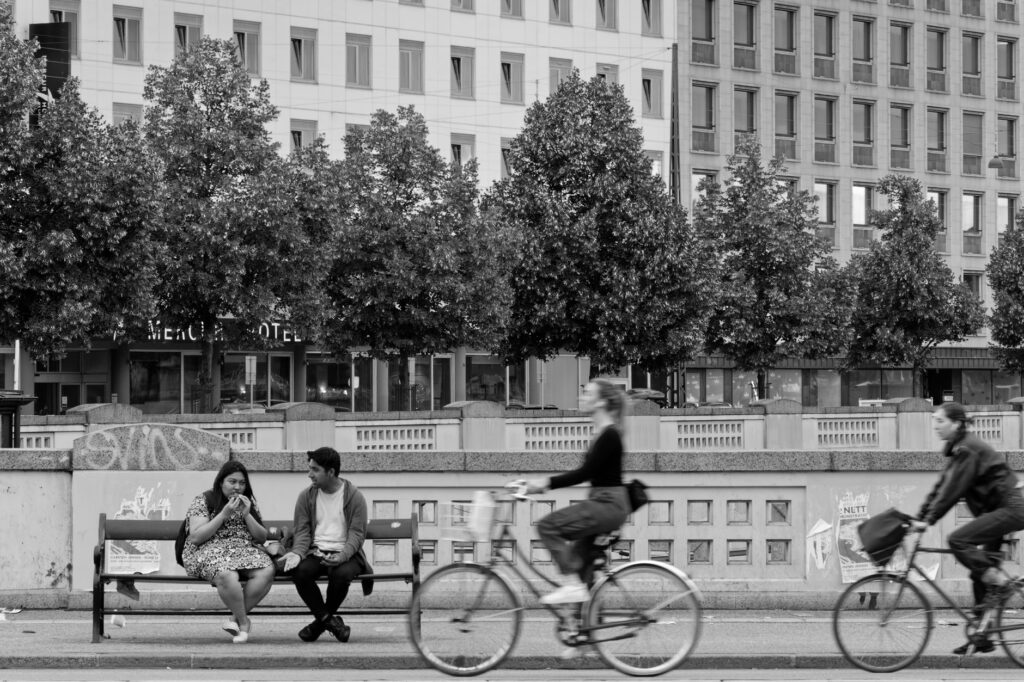
Noise is one of the most insidious pollutants of urban life, and the cities that succeed in wellness rankings are those that have managed to silence the internal combustion engine. Copenhagen is the standard-bearer of this silent revolution. By prioritizing the bicycle over the automobile, the Danish capital has not only reduced its carbon emissions but has transformed the street into a space for social interaction. Physical exercise is organically integrated into the daily routine, eliminating the need to spend extra hours at the gym. The result is a healthier, less stressed population and a city where one can hold a conversation on the sidewalk without needing to shout.
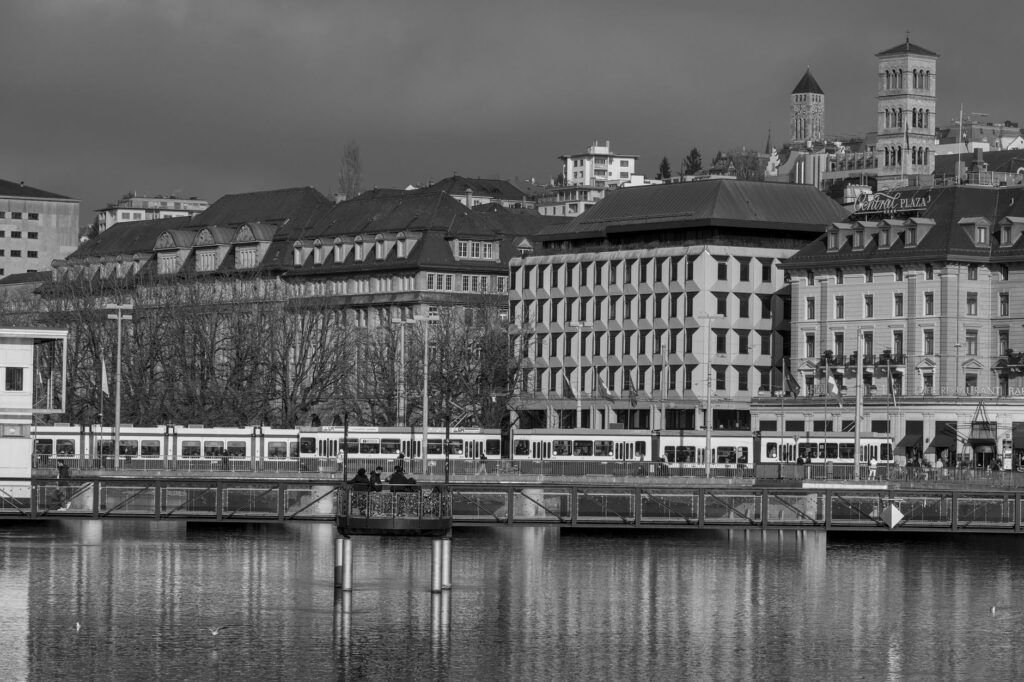
This mobility model does not just benefit the body; it redefines the perception of time. In cities like Zurich or Munich, the efficiency of public transport allows citizens to reclaim hours that, in other parts of the world, are lost in endless traffic jams. That reclaimed time is the true luxury of modern life. Zurich, in particular, uses its tram network and crystal-clear lakes to offer a living experience where water is the protagonist. Being able to swim in the Limmat River in the heart of the city after a workday is the epitome of the urban wellness that these rankings attempt to capture.
The Architecture of Connection and Social Design
It is not all untouched nature; the way we build our buildings and squares determines our capacity for connection. Cities that combine wellness and urbanity bet on the “human scale.” This means buildings that do not overwhelm, streets that invite walking, and squares that function as community living rooms. In Melbourne, for example, the revitalization of its laneways has transformed residual spaces into vibrant centers of culture and gastronomy. Wellness here is found in discovery—in the surprise of an artistic mural or a hidden café that fosters a sense of community.
Sustainable architecture also plays a crucial role. Buildings with green facades, water recycling systems, and natural ventilation are not only energy-efficient but also create healthier indoor environments. Natural light is treated as a basic right, not a privilege. Cities like Amsterdam have perfected the use of large windows and open spaces that blur the boundary between inside and outside, allowing even on the grayest winter days for the connection with the environment to remain alive.
Culture, Gastronomy, and the Concept of Slow Living
Wellness would not be complete without nourishment for both spirit and body. The cities highlighted in these rankings typically possess a vibrant cultural offering that is accessible to all, not just an elite. Museums, theaters, and galleries are integrated into the urban fabric as extensions of public space. In these metropolises, culture is a driver of mental health, offering spaces for reflection and wonder that counteract the monotony of work. The city becomes a stage for continuous learning.
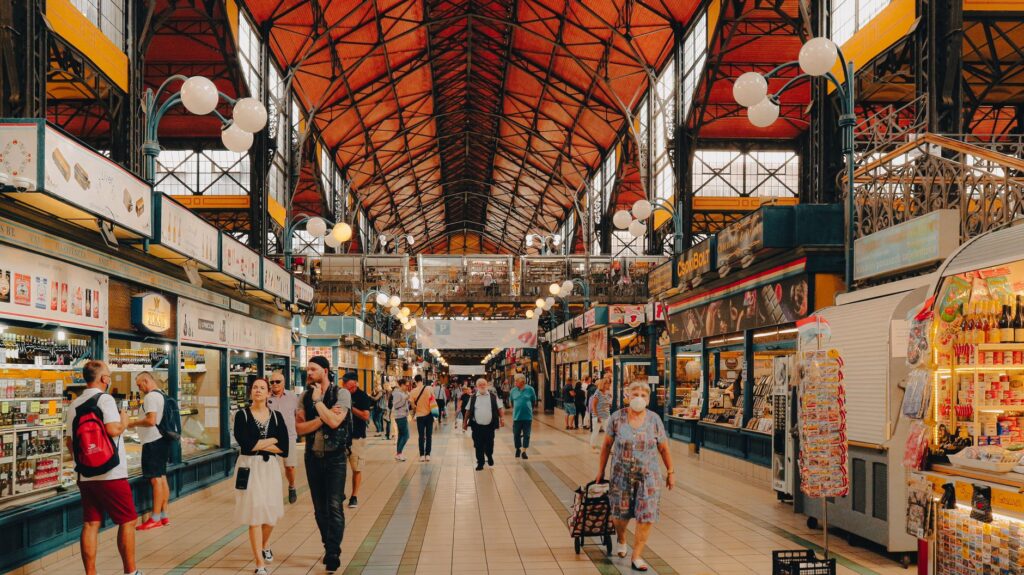
In the gastronomic realm, the trend is clear: farm-to-table in record time. Cities like Stockholm or Helsinki lead the New Nordic Cuisine movement, focused on local, seasonal, and sustainably foraged ingredients. This connection to the land through the plate reinforces local identity and guarantees high-quality nutrition. Municipal markets cease to be just points of sale and become centers for food education and social well-being, where the act of buying food returns to being a human and unhurried ritual.
“Eating well and breathing clean air in the heart of the metropolis is the greatest indicator of success for a modern society.”
The concept of slow living manifests in the proliferation of spaces dedicated to active rest. It is no longer about cities that never sleep, but about cities that know when to rest. Nighttime lighting is regulated to respect circadian rhythms, and silence is protected in residential areas. It is an architecture of care that recognizes that humans need periods of disconnection to be creative and productive in the long term.
Practical Guide for the Conscious Traveler
If you wish to experience this balance between nature and urbanity on your next trip, consider the following recommendations based on the standards of leading wellness cities:
- Choose Active Transport: In cities like Copenhagen or Amsterdam, rent a bike from day one. It is the best way to understand the city’s scale and access corners that mass tourism ignores.
- Visit Local Markets: Instead of chain restaurants, look for neighborhood markets in cities like Munich (Viktualienmarkt) or Melbourne. This is where the real pulse of urban health resides.
- Embrace the Water: If the city has a river, lake, or sea (like Zurich or Vancouver), look for public swimming areas or waterfront promenades at dawn. Contact with water is a powerful emotional restorer.
- Wander Aimlessly Through Parks: Do not see parks as a thoroughfare, but as the destination. Spend at least two hours simply being in Munich’s English Garden or Vancouver’s Stanley Park.
- Respect the Silence: Many of these cities have strict noise regulations. Appreciating urban silence is part of the wellness experience.
To plan your stay, remember that the best time to visit these cities is usually spring or early autumn, when the weather allows for full enjoyment of outdoor spaces without the summer crowds. Look for accommodations with sustainability certifications that are located near public transport hubs to reduce your carbon footprint while enjoying maximum comfort.
The Visual Closing: Harmony Found
At the end of the day, what defines these ten cities is not a statistic in a consultancy report, but the sense of peace a citizen experiences walking under the shade of a centuries-old oak while hearing the hum of an electric tram in the distance. It is the understanding that progress does not have to be noisy or gray. Urban wellness is, ultimately, an act of intentional design that puts life at the center of all decisions.
Watching the sunset from a hill in Vienna or seeing mountains reflected in the glass of a skyscraper in Vancouver reconciles us with the idea of the big city. These metropolises teach us that it is possible to live in a hyper-connected, technological environment without losing our ancestral link to the earth. They are beacons of hope in a world desperately seeking a more human and sustainable balance. The future of humanity is urban, but thanks to these examples, we know that future can also be green, quiet, and profoundly healthy.
Source: Infobae