The Myth of the Asphalt and the Invisible Pantry
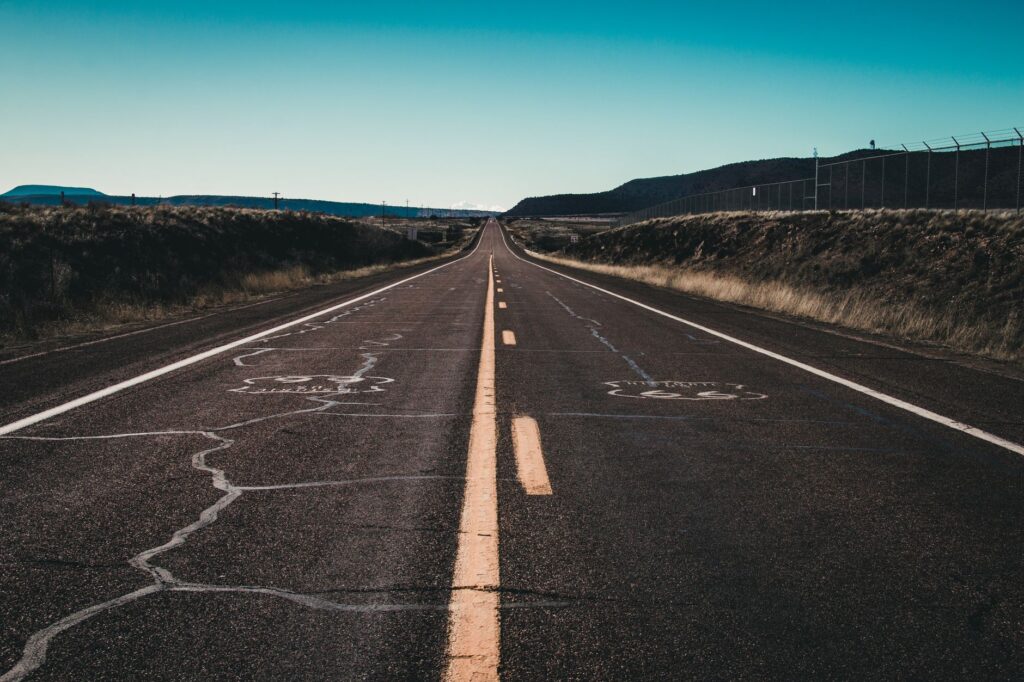
Route 66 was never merely a line drawn across dusty maps or a convenient shortcut connecting Chicago to the beaches of Santa Monica. Beneath the cinematic imagery of neon flickers, rusted jukeboxes, and faded roadside motels lies a culinary geography that top gastromones took decades to decode with precision. For generations, the route was traveled with the restless urgency of the horizon-seeker, settling for reheated drip coffee and greasy burgers served on formica counters. Today, the reality of the asphalt has transformed thanks to the scrutiny of specialized inspectors rewriting the narrative of the world’s most famous highway.
Far from being a theme park for nostalgics, the road corridor traverses one of North America’s most diverse pantries. Here, the culinary traditions of Native American communities converge with the heritage of European immigrants who sought fortune in the west and the resilience of a rural kitchen that turns scarcity into identity. The recent overview of establishments recommended by the MICHELIN Guide along this historic route confirms what locals knew all along: true luxury on the road does not reside in the artifice of mega-resorts, but in the radical authenticity of a fourteen-hour smoked brisket or sourdough bread baked in century-old ovens.
Illinois: Where Urban Recipe Ambition Begins
The starting point at the corner of Michigan Avenue and Adams Street in Chicago marks much more than mile zero; it inaugurates a territory where immigrant cuisine fuses with technical avant-garde. In this initial leg, the influence of major industrial migrations translates into venues that reinterpret tradition without losing their popular anchor. Traditional taverns coexist with contemporary bakeries supplying both the solitary traveler and the most demanding diner.

The hotel offerings of this opening section depart from the impersonal motel concept to embrace rehabilitated industrial buildings where interior design dialogues with the city’s labor memory. Sleeping in these restored spaces allows travelers to grasp the human scale of a metropolis built on collective effort. The local culinary scene stands out for its technical precision, employing ingredients from the agricultural Midwest to elevate seemingly simple dishes to the category of informal haute cuisine.
Missouri and Kansas: The Humble Realm of Smoke and Embers
As the landscape undulates and skyscrapers yield to agricultural plains, the air changes texture. It smells of slowly burning hickory wood, dry spices rubbed over top-quality cuts of meat, and fertile soil. In Missouri, the culture of smoking reaches heights of genuine craftsmanship where each pitmaster jealously guards the proportions of their rubs and the exact cooking times.
True mastery on the road consists not in disguising the produce, but in listening to the patient silence of fire during the early morning hours.
The recommended stops along this stretch demand pause. It is not about eating in a rush to reach the next mile, but about sitting down to converse with owners who have kept their businesses afloat through economic crises and demographic shifts. The accommodations associated with this region are typically historic inns where Midwestern hospitality manifests in details as simple as a porch with wooden rocking chairs and breakfasts crafted from local farm ingredients.
Oklahoma: Deep Roots and Indigenous Pantry
Crossing the Mississippi River, Oklahoma introduces a fundamental cultural stratum that has often been ignored by official motoring chroniclers: the heritage of Native American nations. Here, the kitchen recovers ancestral ingredients such as blue corn, winter squash, and wild berries, integrating them into preparations that connect ancestral history with the demands of contemporary dining.
Local chefs are rewriting traditional menus through ethnobotanical research, collaborating directly with reservation producers to rescue crop varieties facing extinction. This cuisine of cultural resistance brings unprecedented depth to the journey, transforming every meal into an act of historical knowledge. The area’s hotels, many converted from old railway warehouses, offer a sober and elegant refuge to rest after hours of driving beneath the implacable prairie sun.

New Mexico: The Sacred Fire of Chile and Red Earth
When the route penetrates the vast territory of New Mexico, the landscape turns dramatic, tinted with intense ochres, reds, and violets. Gastronomy undergoes a radical metamorphosis dominated by the omnipresence of chile, classified with near-scientific rigor between red and green. This is not cuisine designed for tourist complacence; it is a spirited, aromatic recipe book deeply rooted in Hispanic and Pueblo tradition.
The establishments selected in this segment excel in preserving secular techniques such as corn grinding on volcanic stone and sun-drying chiles on adobe facades. Accommodations match this mystical atmosphere through historic haciendas restored with absolute respect for vernacular architecture. Sleeping beneath ponderosa wood beams, with the scent of burning piñon in the fireplaces, constitutes one of the journey’s most intense sensory experiences.
Arizona: Infinite Deserts and High-Altitude Pantries
The penultimate stretch of the journey challenges the traveler with the immensity of the Arizona desert, where extreme temperatures have molded a pantry based on survival and adaptation. Despite apparent aridity, surrounding valleys produce surprisingly mineral wines and vegetables cultivated through ingenious rainwater harvesting systems inherited from pre-Columbian communities.

The culinary offerings combine border influences with auteur cuisine experimenting with native plants like prickly pear, mesquite, and diverse agave varieties. Boutique hotels integrated into the desert landscape prioritize passive architecture and absolute silence, turning rest into a meditative pause before tackling the final push toward the Pacific coast.
California: The Ocean as Culmination and Coastal Freshness
The end of the road at the Santa Monica pier offers an absolute contrast to the arid plains of Arizona. The saline Pacific air permeates a light coastal cuisine obsessed with seafood freshness and biodynamic agriculture from nearby valleys. Here, casual seafood shacks coexist with awarded restaurants interpreting Californian cuisine through a global lens.

The end of the road is not a finish line, but a shore where the memory of the asphalt dissolves into the immensity of the ocean.
This final leg invites travelers to celebrate the journey by enjoying open-air dinners while the sun sinks into the sea. Accommodations selected along the coast prioritize brightness, minimalism, and direct contact with marine nature, closing the loop on a journey that balances road toughness with contemporary hospitality refinement.
Practical guide
- Best time to visit: Spring months (April to June) and autumn (September to November) offer moderate temperatures ideal for driving without summer’s extreme heat.
- Recommended vehicle: While any functional car works, a hybrid vehicle or well-tuned classic car enhances the experience on secondary vintage asphalt sections.
- Dining reservations: MICHELIN-recommended establishments in small towns require booking weeks in advance due to limited seating capacity.
- Connectivity: Across vast stretches of Oklahoma and New Mexico, mobile signals falter; downloading offline maps and carrying cash for small shops is advised.
- Accommodation: Alternating between restored historic motels and rural inns allows travelers to understand the full evolution of route infrastructure.
- Local respect: Much of the route crosses tribal lands; understanding community rules and respecting cultural heritage is paramount.
- Pace of travel: Driving no more than 250 kilometers daily is recommended to allow ample time for culinary stops and rest.
The Final Beat of the Infinite Highway
Traveling Route 66 today guided by the contemporary rigor of haute gastronomy and quality lodging does not mean renouncing its adventurous spirit, but endowing it with a new dimension of awareness. Behind every rusted metal door or adobe facade hides a story of human effort, cultural resilience, and culinary talent surviving the test of time. When the engine finally cuts out before the Pacific waves, the true baggage accumulated is not measured in miles driven, but in shared flavors, treasured conversations along the stops, and the certainty that a country’s soul is best understood when savored slowly, mile by mile.
Source in English: MICHELIN Guide – Where to Eat and Stay Along Historic Route 66: The Ultimate Culinary Road Trip.