The Fragile Pulse of Water and the Need to Rethink Mobility
The horizon of Doñana is never static; it contracts and expands to the rhythm of the seasons, the tides of the Guadalquivir River, and the water scarcity plaguing the southern Iberian Peninsula. For decades, the transport model surrounding this natural sanctuary was dominated by conventional road traffic—an incessant flow of combustion engine vehicles that overwhelms county roads during the summer and pilgrimage seasons. Human pressure on dune cordons and marshes has forced local administrations and environmental managers to execute a Copernican shift. It is no longer just about restricting access, but about articulating a low-emission transport network that respectfully connects the towns of El Rocío, Almonte, Matalascañas, and Sanlúcar de Barrameda.
This logistical and ecological challenge requires acknowledging that mobility in a protected environment cannot be divorced from hydrological restoration. Artificial drainage channels and forest tracks traditionally traversed by private off-road vehicles have fragmented the habitat of the Iberian lynx and millions of migratory birds. Faced with this reality, the development of fluvial public transport systems and communal electric vehicles has emerged as an essential alternative. These are not merely cosmetic measures, but a structural transformation redefining the relationship between the visitor, the local resident, and the fragile marshland ecosystem.
The Transition Toward Sustainable Fluvial Navigation on the Guadalquivir
The Guadalquivir River acts as the main artery vertebrating the western boundary of the park, a historic channel that once supported active commercial traffic and now claims a leading role in ecotourism. In recent years, replacing traditional diesel-powered boats with a fleet of 100% electric propulsion barges has marked a turning point. These vessels, charged via solar panels installed at the docks of Bajo de Guía and Doñana, cross the estuary without emitting pollutants or generating acoustic noise—a critical factor in preventing stress among aquatic avifauna.
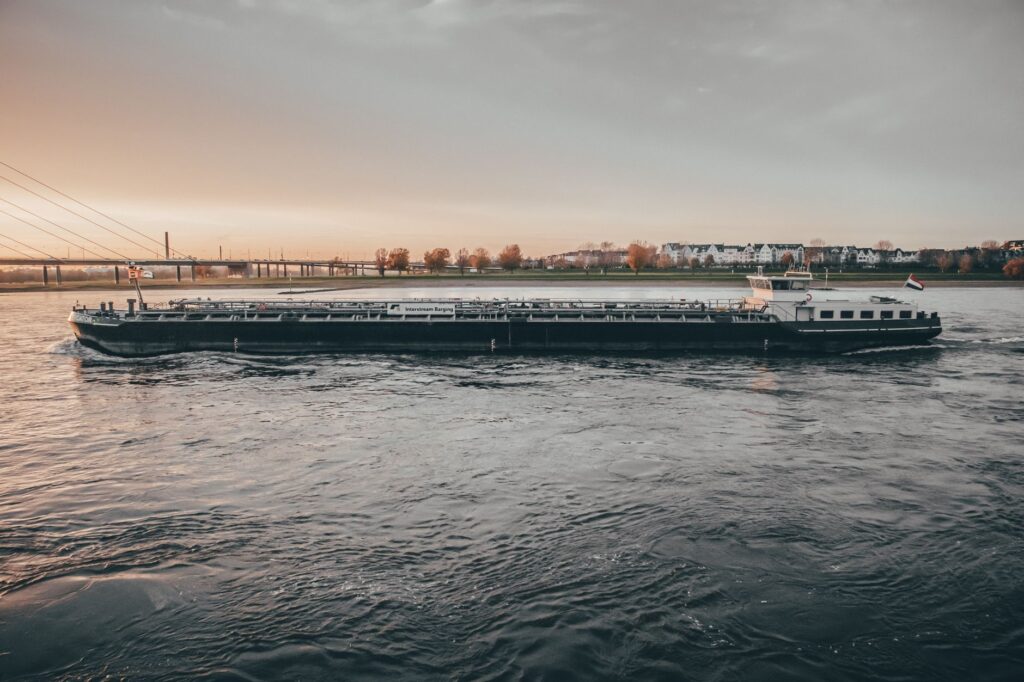
The integration of these barges with intertidal bicycle lane networks has structured a soft mobility corridor connecting the marshes with urban centers without altering the natural flooding regime. Sustainable fluvial navigation proves that traversing high ecological value environments without leaving a destructive footprint is entirely feasible. Local communities, organized into transport cooperatives, manage these routes ensuring that carrying capacity never exceeds the sustainability thresholds established by scientific committees. Thus, aquatic travel becomes an interpretive experience in itself, where the traveler grasps the dynamics of the estuary before ever stepping ashore.
Soft Transport Networks and the Elimination of Private Vehicles in Critical Enclaves
One of the greatest achievements in recentralizing mobility within Doñana has been the drastic limitation of motorized access to the northern and western entrances of the national park. Old dirt tracks, frequently waterlogged or transformed into dusty scars during summer, have been partially revegetated and converted into high-ecological-performance livestock routes and cycling trails. The installation of electric bicycle charging stations at strategic points such as El Acebuche and La Rocina has democratized access to the territory for visitors seeking an unhurried, respectful immersion.
This reconversion has not been without tensions with traditional economic sectors dependent on mass tourism, but scientific consensus has prevailed. Electric shuttle buses, operated with frequencies tailored to the biological cycles of protected species, now connect peripheral park-and-ride parking lots with visitor centers. The elimination of private cars from the heart of the natural area has drastically reduced wildlife mortality from roadkill. This intermodal transport model demonstrates that restrictions, when accompanied by efficient and comfortable alternatives, are readily embraced by an increasingly climate-conscious citizenry.
Vernacular Architecture and Transit Stations Integrated into the Landscape
The design of transport infrastructure in an area as unique as Doñana could not be solved with concrete bus shelters or glaring elements. Architects and ecologists tasked with conceiving the new electric bus stops, bicycle rental points, and access walkways opted for local materials, timber treated without harmful chemicals, and plant-covered roofs mimicking traditional marshland huts. These stations also function as environmental information nodes, where low-power touchscreen panels display real-time updates on water table levels and endangered species sightings.
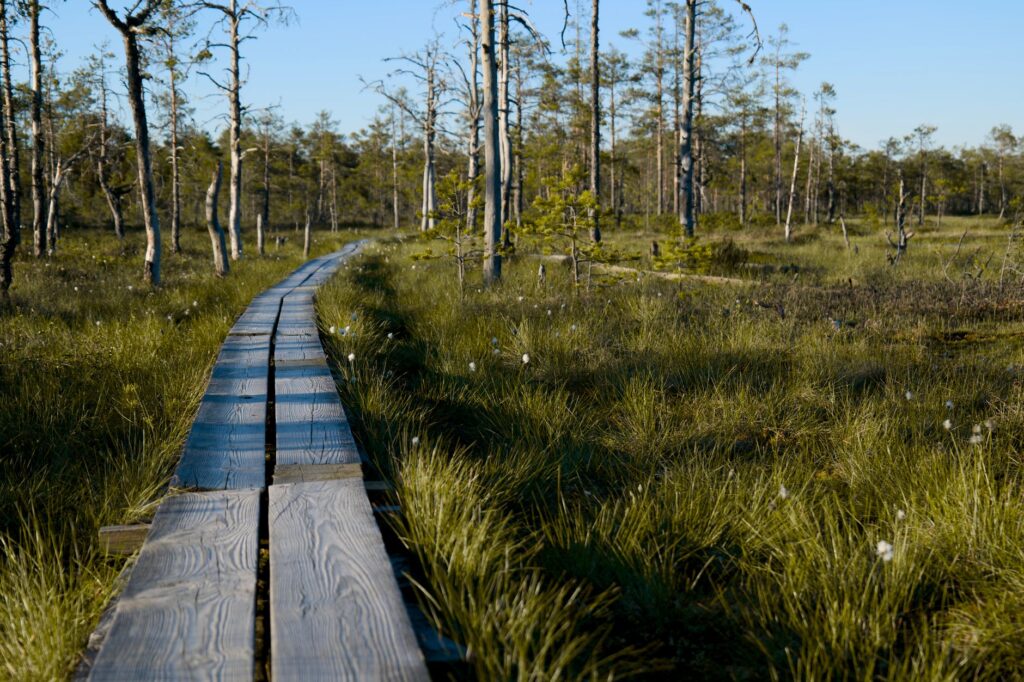
Landscape integration is particularly visible in the floating wooden boardwalks that bridge seasonal streams and creeks. These structures permit pedestrian and cyclist transit without interrupting laminar water flows or obstructing the movement of amphibians and small mammals. Transport infrastructure thus transforms into a restorative element rather than a mere thoroughfare. Elevating pathways on pylons in sensitive zones prevents the compaction of clay soils, allowing marsh vegetation to recover its original cover and reinforcing natural dikes against wind and water erosion.
The Role of Local Communities in Mobility Governance
No transformation of transport in a protected territory can succeed without the direct engagement of its residents. In the municipalities bordering Doñana, local sustainable mobility committees bring together farmers, artisanal fishers, tour guides, and municipal authorities to determine schedules and routes for public services. This participatory governance has enabled the adaptation of public transport timetables not only to tourism demands but also to the daily needs of local workers commuting between farms, cooperatives, and educational centers.
This deep community roots prevents restrictions on private vehicles from being perceived as external impositions. On the contrary, local families value the dramatic reduction in noise and heavy traffic within the historic centers of towns like Almonte and Hinojos. Sustainable mobility in Doñana is, above all, a pact of coexistence between rural livelihoods and biodiversity conservation. European green transition funds have financed the training of local youth as electric vehicle drivers and trail network maintenance technicians, generating stable employment tied directly to environmental stewardship.
Ongoing Challenges Amid Climate Crisis and Water Stress
Despite notable progress in transport electrification and access restriction, Doñana’s mobility system faces complex structural threats. The overexploitation of surrounding aquifers for intensive irrigated agriculture and climate change threaten to permanently dry out key wetlands, altering migration routes and forcing the continuous redesign of transport infrastructure layouts. A greenway or a river dock loses its ecological purpose if the channel it serves runs entirely dry during spring months.
Likewise, managing visitor peaks during mass events like the El Rocío Pilgrimage continues to test the resilience of the new model. During these days, hundreds of thousands of pilgrims converge on the park using both traditional methods (ox carts) and support vehicles. The current challenge is extending sustainable mobility best practices to these secular celebrations, introducing temporary solar energy hubs and banning combustion-engine auxiliary vehicles from temporary camping areas. Territory resilience depends on the flexibility and rigor applied to these regulations during moments of peak environmental stress.

Practical guide
How to get there: The most sustainable way to access the Doñana region is via the railway network to Seville or Huelva, combining the journey with low-emission intercity buses or electric bicycle rentals available at main stations.
When to go: Autumn months (October to November) and spring (March to May) offer optimal weather conditions and coincide with bird migrations, minimizing the impact of high summer temperatures.
Internal transport: Private vehicle access to restricted park zones is strictly prohibited. Utilize official electric shuttles and solar-powered ferry services crossing the Guadalquivir River between Bajo de Guía and Doñana.

Accommodation: Overnight stays are recommended in establishments holding the European Charter for Sustainable Tourism certificate located in Almonte, El Rocío, Sanlúcar de Barrameda, or Isla Mayor.
Regulations and respect: Always obey trail markers, avoid single-use plastics, and maintain a safe distance from wildlife, especially during nesting periods.
The Final Refuge of the Marshes and the Water’s Memory
When evening falls over the marshes of Doñana and the sun turns deep ochre, silence reclaims its ancestral territory. The roar of engines that once disturbed the twilight is gone, replaced by the distant beating of wings from thousands of geese and the whisper of wind through reeds and oleanders. This landscape, shaped by the titanic effort to restore hydrological balance and redesign every pathway with millimeter precision, proves that conservation is not a brake on movement, but a higher way of inhabiting the world. The traveler navigating these paths aboard a solar barge or mountain bike understands that true speed in Doñana is that of water slowly infiltrating the sand—a perennial reminder that the purest natural treasures reveal themselves only to those who learn to travel in silence.