

Winds of Salt and Limestone Cliffs
The silhouette of Eleonora’s falcon (Falco eleonorae) slices through the saline air of the Sulcis archipelago with a precision that defies the physics of thermal currents. Along the vertical Jurassic limestone cliffs flanking the southwestern coast of Sardinia, this apex predator finds a fortified refuge where the Tyrrhenian Sea sculptures the stone with relentless fury. Far from the mass tourism routes that define the island’s summers, this geological corner preserves a pristine rawness. Here, wildlife survival depends not on climatic benevolence, but on strict evolutionary adaptation to oceanic cycles and the migratory flows of smaller birds crossing the Mediterranean.
Understanding the dynamics of this natural sanctuary requires examining the interdependence between insular geography and avian biology. Unlike other raptors nesting in spring, Eleonora’s falcon synchronizes its reproductive cycle with the end of summer. This unique phenological strategy responds to a massive migratory phenomenon: millions of passerines leaving Europe for Africa cross these open waters, turning Sardinian skies into an exceptional hunting corridor. Ornithological research over recent decades has revealed that the stability of these populations critically depends on the conservation of marine rock formations and the absence of human disturbances during the breeding months.
The Geological Architecture of the Sardinian Refuge
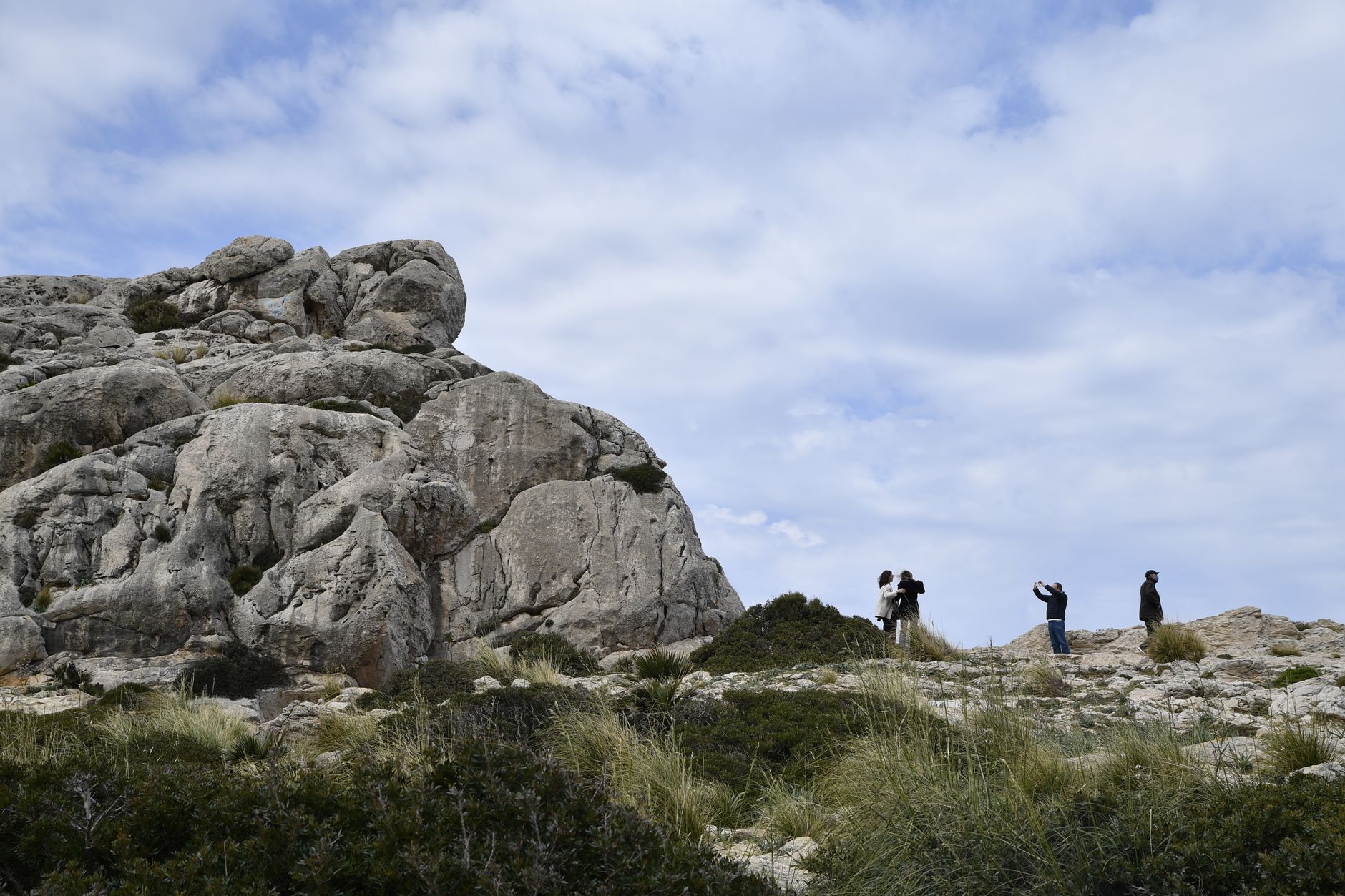
The coastal relief of southwestern Sardinia is the result of complex tectonic and erosive processes dating back millions of years. The cliffs where the falcons nest act as natural fortresses, inaccessible to most terrestrial mammals and shielded from prevailing northwest winds by the very arrangement of the ridges. This geomorphology creates unique microclimates on rock ledges, where halophytic vegetation resists persistent sea mist and salt impact. The vertical structure of the coast not only offers physical protection but generates ascending air currents ideal for patrol flight.

The interaction between the geological substrate and marine dynamics has shaped an ecosystem where every stratum fulfills a precise ecological function. At the base of the cliffs, submerged caves and rocky platforms support a rich benthic community, while upper ledges serve as observation and nesting platforms for breeding pairs. This vertical isolation has traditionally shielded the species from direct anthropogenic pressure, although the growing expansion of recreational boating nearby demands rigorous institutional vigilance to prevent the alteration of nesting habitats.
Chronobiology and Synchronization with Autumn
The most fascinating aspect of Falco eleonorae biology is its delayed reproductive calendar compared to other temperate raptors. While most species exploit the trophic explosion of spring, Eleonora’s falcon initiates courtship in July and sets chick hatching in September. This temporal inversion coincides precisely with the migratory peak of swallows, swifts, and warblers crossing the Mediterranean after leaving the European continent. The Sardinian cliffs then transform into an exceptional point of ecological intersection.

During these weeks, breeding pairs deploy cooperative hunting tactics in marine airspace. Scientific observations demonstrate that falcons intercept migratory flocks several kilometers offshore, using air currents to optimize energy expenditure. Part of the live captures is temporarily stored in rocky pantries, an unusual food-hoarding behavior among raptors that guarantees food supply during stormy days when aerial hunting is impossible. This behavior reflects extraordinary ecological specialization shaped by millennia of natural selection in insular environments.
Genetics, Populations, and the Legacy of the Crown of Aragon
The species’ scientific name pays homage to Eleanor of Arborea, the influential 14th-century Sardinian judge and sovereign who promulgated the Carta de Logu, a pioneering legal code that already contemplated the protection of birds of prey and their nesting sites. This historical context underlines a millennial relationship between local communities and wildlife, based on tacit respect for the natural resources of the cliffs. Today, ornithological censuses coordinated by Italian universities and international bodies estimate that Sardinia harbors one of the most stable breeding populations in the central Mediterranean.
However, the genetic diversity of these insular colonies faces subtle challenges derived from geographical fragmentation. Relying on specific coastal enclaves to reproduce, gene flow between distinct populations can be restricted. Mitochondrial DNA analyses conducted in recent years indicate that while connectivity with colonies in the Balearic Islands and North Africa remains active, any drastic alteration in intermediate migratory corridors could compromise the species’ long-term demographic resilience.
Contemporary Threats in the Sardinian Sea
Despite legal protection under the European Union Birds Directive, Eleonora’s falcons face mounting environmental pressures. Climate change heads the list of destabilizing factors, altering weather patterns and shifting migration timings of the passerine birds upon which they depend. If migratory flows decouple from the breeding period on Sardinian cliffs, the reproductive success of pairs can rapidly collapse.
Added to this global challenge are local threats linked to uncontrolled summer tourist pressure. The proliferation of recreational vessels approaching marine cliffs too closely generates acute stress episodes in nesting colonies, occasionally causing parental abandonment of nests. Likewise, marine plastic pollution and illegal pesticide use along African wintering routes represent indirect mortality factors monitored by conservation committees via satellite telemetry.

The conservation of apex predators in insular ecosystems is not an exercise in ecological nostalgia, but a litmus test for measuring our capacity to manage the balance between human activity and the integrity of natural cycles.
Conservation Strategies and Citizen Science
The effective safeguarding of Eleonora’s falcon in Sardinia requires a multifactorial approach combining cutting-edge scientific research with the active involvement of local communities and sea-bound economic sectors. In recent years, regional authorities have established temporary exclusion zones in the most sensitive coastal stretches during breeding months, prohibiting rock climbing and vessel anchoring near nesting walls. These preventive measures have proven highly effective in reducing chick abandonment rates.
Concurrently, citizen science programs have gained decisive prominence. Artisanal fishermen, local boat skippers, and nature enthusiasts collaborate in collecting data on sightings and atypical behaviors, feeding open-access scientific databases. This decentralized monitoring network compensates for environmental inspection agencies’ resource limitations, turning the local population into the front line of defense for Sardinian natural heritage and fostering an economy based on ecological respect.
Practical guide

For those interested in understanding the ecology of Eleonora’s falcon and the natural wealth of southwestern Sardinia on the ground, rigorous planning is essential. The best season to observe species behavior without disturbing its reproductive cycle spans from late August to early October, coinciding with the beginning of autumn passerine migration.
- How to get there: Cagliari-Elmas Airport operates regular international and domestic flights year-round. From the capital, access to southwestern Sardinia is via rental car along the SS130 state road, connecting to the coastal municipalities of Iglesias and Carbonia in approximately one hour.
- Recommended accommodation: It is preferable to choose rural agriturismi managed by local communities in the interior of the Sulcis-Iglesientes region, guaranteeing minimal environmental impact and direct support for the area’s sustainable economy.
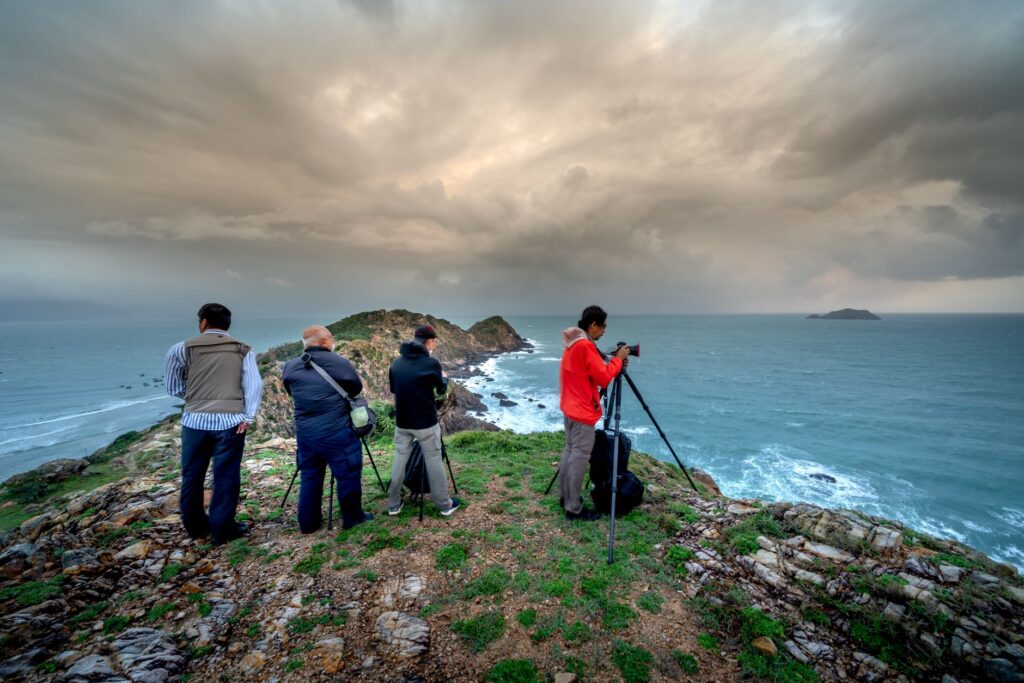
- Ethical observation zones: Natural viewpoints along coastal trails on the Cape Frisa peninsula and Buggerru cliffs offer exceptional perspectives without infringing regulations for approaching protected areas. High-power binoculars or spotting scopes are recommended to avoid visual intrusion.
- Navigation regulations: Motor navigation is strictly prohibited within 300 meters of limestone cliffs designated as critical breeding areas between July 1 and October 31. Nautical excursions must be conducted exclusively with authorized operators using silent or electric propulsion boats.
- Weather and equipment: The mistral wind can blow unpredictably hard on sheer coastal ridges. Mountain footwear with high-traction soles, technical windbreakers, and adequate drinking water reserves are essential, as observation enclaves lack commercial infrastructure.
The Eternal Pulse of the Tyrrhenian Horizon
Contemplating the silhouetted profile of Eleonora’s falcon against the golden glow of sunset over the Tyrrhenian Sea synthesizes the essence of the most resilient Mediterranean nature. On these cliffs where limestone dialogues with oceanic immensity, each breeding season represents a silent victory against environmental uncertainty. The survival of this winged predator is not an isolated fact, but a reflection of the overall health of a migratory and marine corridor connecting entire continents. As long as the wind continues to buffet the ledges of Sulcis and local communities keep their custodianship alive, the skies of Sardinia will continue to harbor the superb flight of one of the planet’s most perfect and fragile balances.


