
Introduction to the Massif and the Great Alpine Route
The Tour du Mont Blanc stands as one of Europe’s most celebrated long-distance hiking experiences, a circular route weaving through three sovereign nations: France, Italy, and Switzerland. Spanning approximately one hundred and seventy kilometers with a cumulative positive elevation gain exceeding ten thousand meters, this route is not a casual summer stroll, but a medium- and high-mountain expedition demanding flawless physical preparation and absolute mastery of alpine logistics.
Unlike linear trails penetrating remote wilderness, the Tour du Mont Blanc glides through traditional valleys, historic mountain passes, and high-altitude pastures where pastoral heritage coexists with modern mountaineering. Each stage introduces a singular topographical challenge, where altitude—approaching two thousand five hundred meters at points such as the Col des Fours or the Grand Col Ferret—introduces critical variables of temperature, fatigue, and sudden meteorological shifts.
Seasonal Planning and Window Selection
The viability of the traverse is strictly subordinated to the seasonal calendar. The optimal window for undertaking the journey spans from late June to early September. Outside this period, high mountain passes remain blocked by thick layers of winter snow and staffed refuges close their doors, transforming the itinerary into a technical high-mountain route suited exclusively for mountaineers equipped with specific winter gear and advanced snow-travel skills.
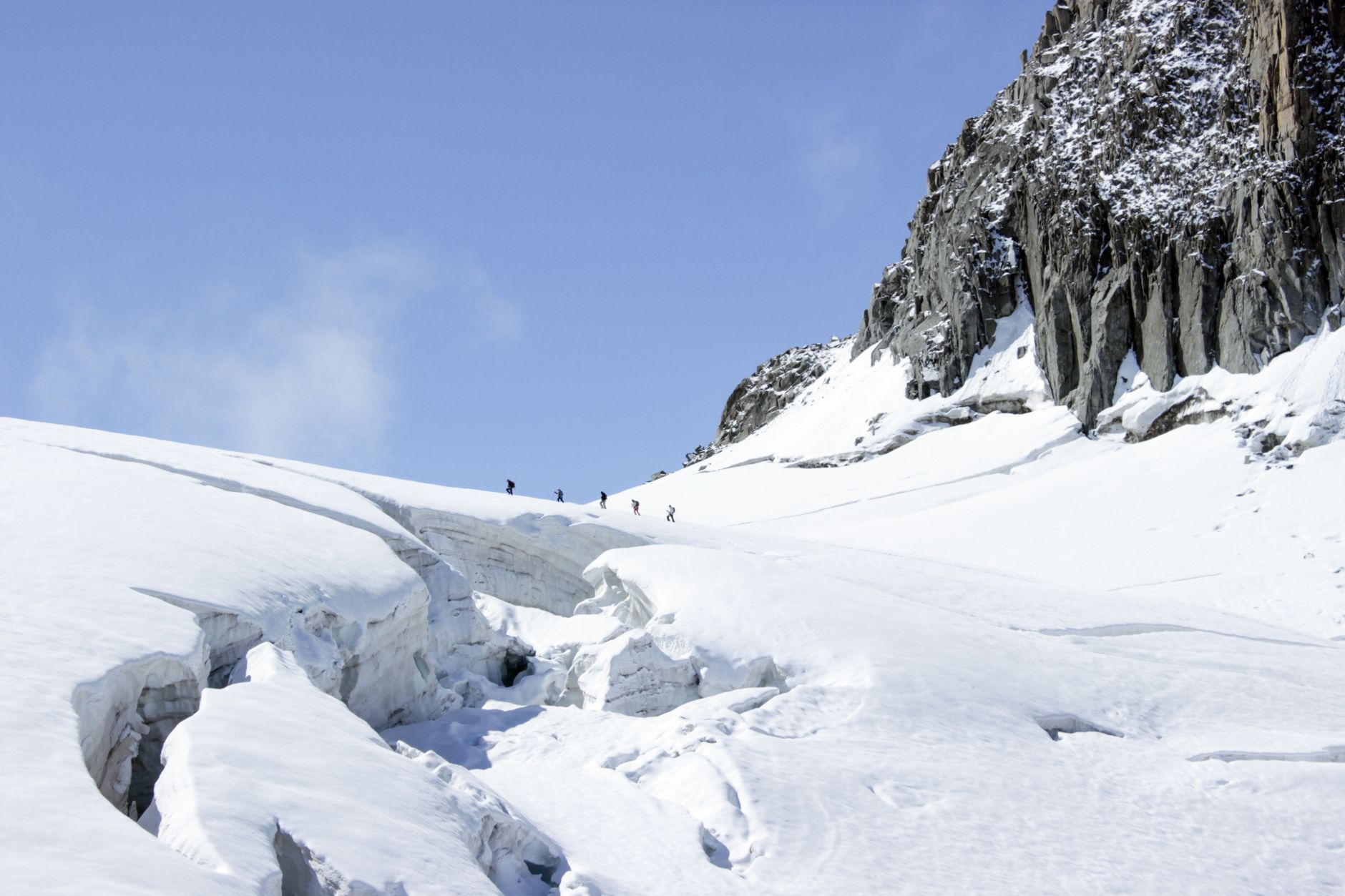
During July, persistent snowfields at higher elevations demand the occasional use of trekking poles and, on rare occasions, lightweight crampons during the early morning hours when surfaces are frozen solid. By August, the influx of hikers reaches its peak, requiring refuge reservations months in advance. September offers a reprieve from overcrowding and delivers stable atmospheric conditions, though nighttime temperatures in the refuges drop drastically.
Refuge Network and Overnight Logistics
The accommodation system along the Tour du Mont Blanc is one of its most defining characteristics. Comprising staffed alpine refuges, gîtes d’étape, and small rural hotels, this network allows hikers to travel with moderately weighted packs, bypassing tents and heavy autonomous camping gear. However, high demand necessitates a clear understanding of the strict booking and cancellation policies enforced by facility managers.
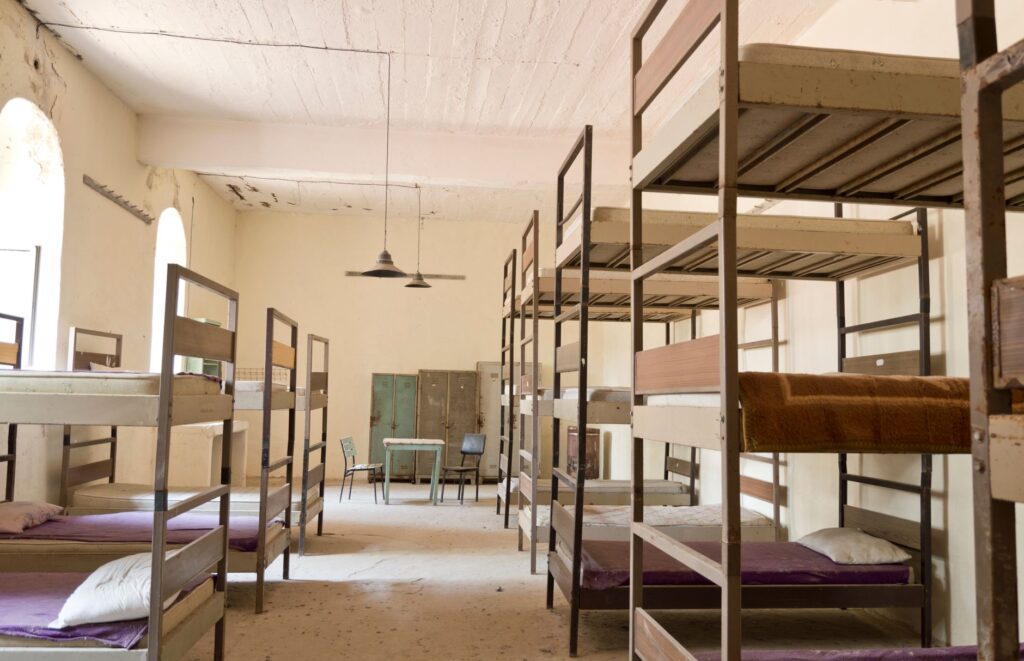
Sleeping in an alpine refuge involves adapting to a rigorous collective discipline. Rooms are typically communal dormitories, where respect for others’ rest is mandatory after ten o’clock at night. The communal dinner, generally served at a fixed time, forms the central hub for socialization and carbohydrate replenishment, blending the stories of walkers from across the planet.
The alpine refuge is not a mountain hotel, but a shelter of survival and coexistence where hot water and electricity are limited resources dictated by weather and altitude.
Carrying an inner sleep sheet, earplugs, and a pillowcase is indispensable, as refuges provide blankets only. Furthermore, the management of potable water inside establishments can vary; in certain high-altitude enclaves, running water comes from untreated sources, making purification tablets or personal filtration systems essential.
Technical Breakdown of Key Stages and Variants
The classic route can be completed in either a clockwise or counterclockwise direction, with the latter being the most travelled and recommended for a balanced progression of physical demands. The itinerary typically breaks down into ten or eleven stages, though highly experienced mountaineers can reduce this count based on their endurance and acclimatization capacity.
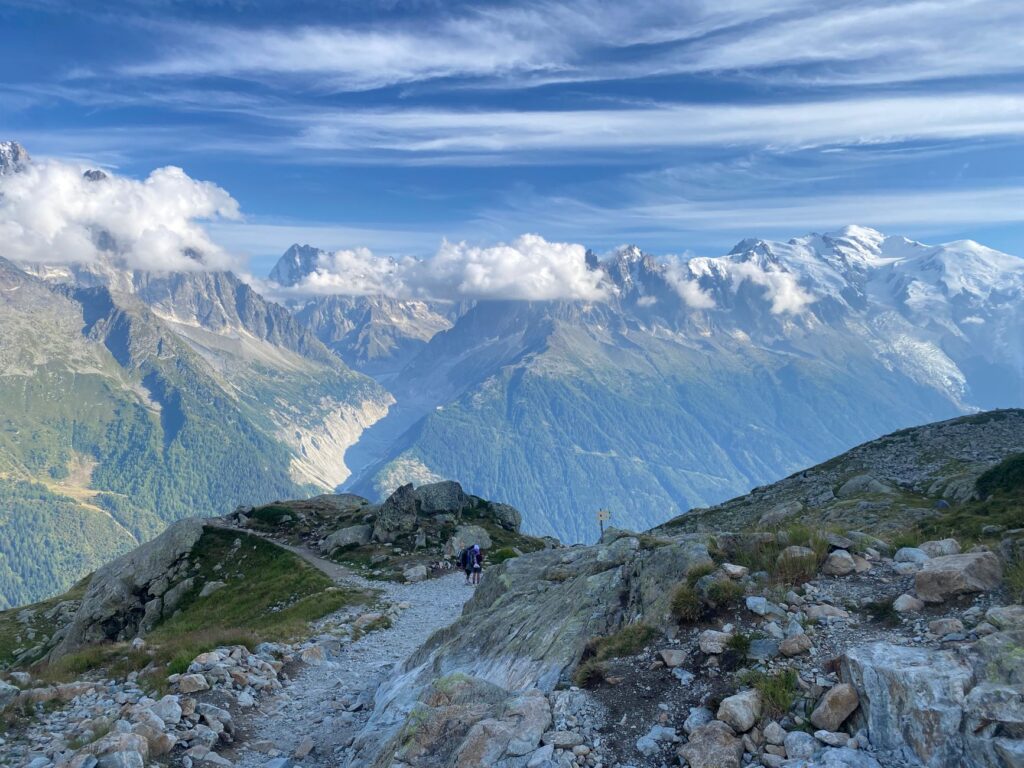
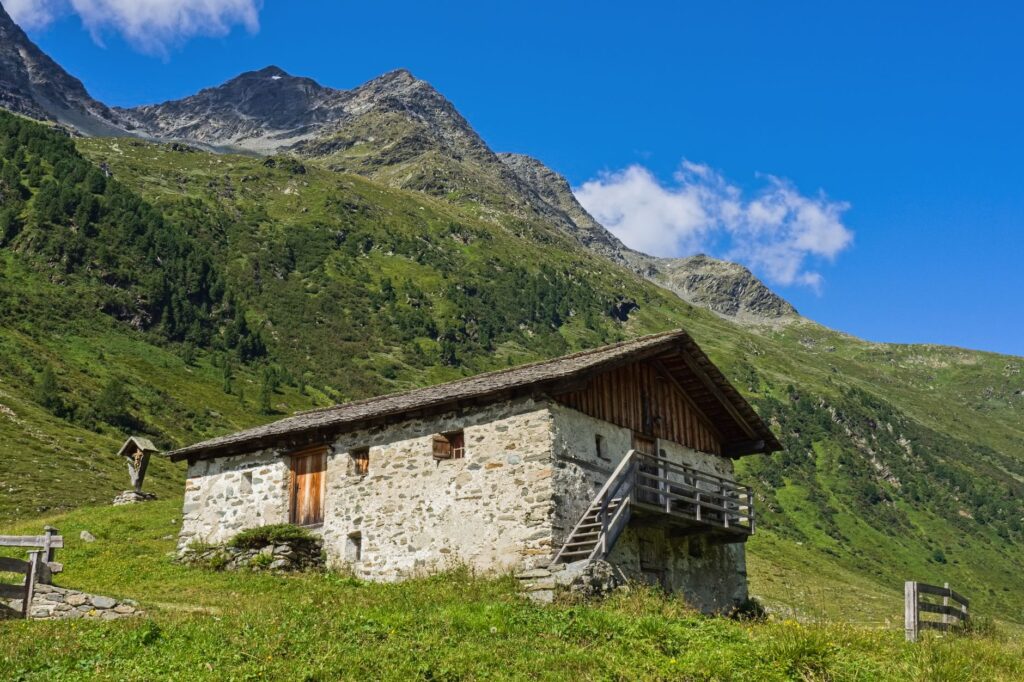
Among the most demanding sections is the ascent from Les Houches to the Miage refuge via the Tricot col, where a suspension bridge over a glacial torrent tests the hiker’s vertigo. Similarly, the traverse through the Italian Val Ferret, beneath the imposing vertical walls of the Brenva and the Grandes Jorasses, offers a colossal perspective of the massif’s glacial architecture.
Weather and technical variants, such as the climb over the Fenêtre d’Arpette in Swiss territory, must be evaluated with caution. This alternative pass, though of peerless rugged beauty, features an extremely steep descent over unstable granite boulders that is strongly discouraged during thunderstorms or heavy fog.
Alpine Meteorology and Early Warning Systems
The climate around Mont Blanc is notoriously volatile. The proximity of massive mountain ranges generates local microclimates capable of transforming a bright, clear morning into a severe electrical storm within hours. The golden rule in European mountaineering is to start hiking at dawn to crown high mountain passes before midday, when diurnal cloud buildup typically triggers precipitation.
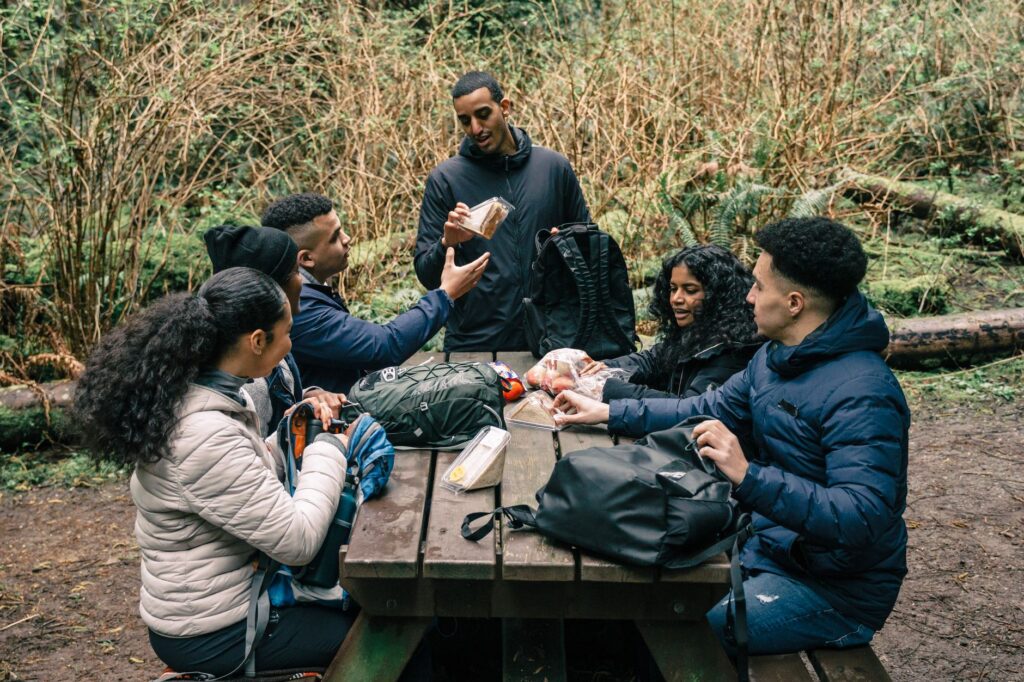
It is the inescapable responsibility of every hiker to consult local weather bulletins posted daily in each refuge or via official mountain apps. Ignoring a storm alert at the Col de la Seigne or the Brevent is equivalent to courting gale-force winds, sudden temperature drops, and the risk of severe hypothermia, even during the heart of summer.
Equipment, Weight, and Backpack Self-Sufficiency
Equipment selection must be guided by maximum functionality and minimal essential weight. A backpack with a capacity of thirty to forty liters is sufficient to house necessary apparel, provided the three-layer principle is applied: a breathable thermal base layer against the skin, an insulating mid-layer (fleece or lightweight down), and a technical waterproof, windproof outer shell.
- Mid- or low-cut hiking boots, broken in beforehand, featuring high-traction soles for wet rock.
- Telescopic trekking poles, crucial for protecting knees during prolonged descents.
- Hydration system with a minimum capacity of two liters and easily digestible energy provisions.
- Adapted first-aid kit, including elastic bandages, blister pads, and an emergency thermal blanket.
- Backups for communication, whether a mobile phone with external power banks or a satellite messenger for zero-coverage zones.
Footwear deserves special mention. Blisters represent the primary cause of premature abandonment on the Tour du Mont Blanc. Starting the trek with brand-new shoes or boots is a critical mistake; footwear should accumulate at least a hundred kilometers of prior urban or mid-mountain use.
Nutrition, Hydration, and Physical Exertion Management
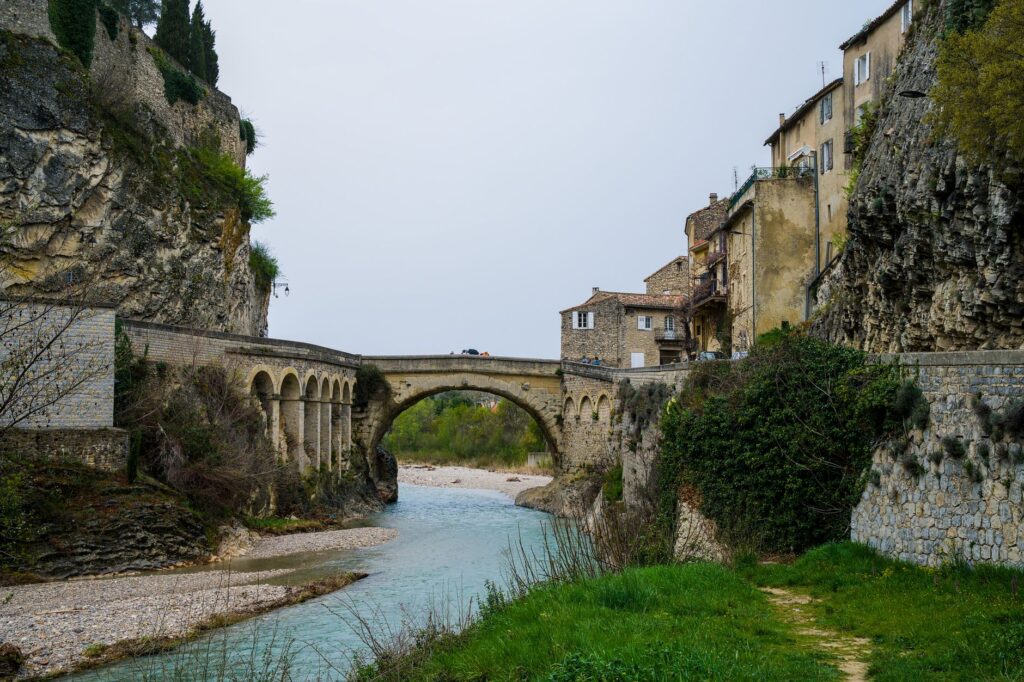
Enduring six to eight hours of continuous daily hiking demands a rigorous nutritional strategy. Daily caloric expenditure in high altitude can range from three thousand five hundred to five thousand kilocalories, depending on pack weight and elevation overcome. Breakfast at the refuges, rich in complex carbohydrates, must be complemented by frequent intake of energy bars, nuts, and dried fruit during ascents.
Hydration is another critical pillar to prevent altitude sickness and premature fatigue. While water abounds in valleys as streams and fountains, calculating dry stretches between refuges is necessary, especially on south-facing slopes subject to intense solar radiation. Water from sources near livestock pastures should never be consumed without prior purification due to bacterial contamination risks from parasites like giardia.
Environmental Impact and Code of Conduct in Protected Areas
The massive transit of visitors on the Tour du Mont Blanc exerts considerable ecological pressure on fragile alpine ecosystems. Endemic flora, adapted to brief summer flowering periods, suffers irreversible damage when hikers leave marked paths to take shortcuts—a strictly prohibited practice that accelerates erosive processes on shale slopes.
Waste management is governed by the principle of absolute autonomy: everything carried in the pack must come down the mountain. The use of soaps in natural torrents is forbidden, even those labeled as biodegradable, as they disrupt the chemical balance of high-mountain aquatic fauna. Free camping is subject to strict regulations, and across the vast majority of French, Italian, and Swiss municipalities spanned by the route, it is explicitly banned or restricted to nocturnal bivouacking between dusk and dawn.
The true measure of a mountaineer is not the speed with which a pass is crowned, but the invisible trace left behind in the planet’s most fragile natural sanctuaries.
Practical Information for the Traveler
The most common starting point is the French village of Les Houches, located in the Chamonix Valley, though joining the loop from Courmayeur in Italy or Orsières in Switzerland is entirely viable. Access to Chamonix is conveniently handled via regular buses and rail connections from Geneva International Airport, located just over an hour away by road.
Financially, carrying sufficient cash in Euros and Swiss Francs is advisable, as some traditional mountain refuges in Swiss or Italian territory lack data coverage to process credit card payments. Travel insurance policies must explicitly include high-mountain rescue coverage and medical helicopter repatriation—services whose economic cost can prove prohibitive without proper commercial or federation coverage.
Conclusion and Final Reflection
Completing the Tour du Mont Blanc transcends the mere accumulation of kilometers and elevation gains; it is an exercise in introspection and constant dialogue with the immensity of the alpine landscape. Along its trails, walkers rediscover the value of slowness, spontaneous solidarity among peers, and the profound humility demanded by snow-capped peaks. A journey that, planned with rigor and executed with respect, etches itself indelibly into the memory of those who walk it.