
Introduction to the Arctic Tundra and Its Most Emblematic Inhabitant
The Arctic Circle hides landscapes where geological silence merges with the harshness of one of the planet’s most unforgiving climates. Across the vast expanses of the Lappish tundra, survival demands extreme adaptations. Among the few organisms capable of thriving in this white, desolate environment, the snowy owl stands out—a creature whose ghostly presence has fascinated naturalists and travelers for centuries. Far from conventional tourist routes, this arctic territory offers a unique window into understanding the delicate balances of boreal wildlife.
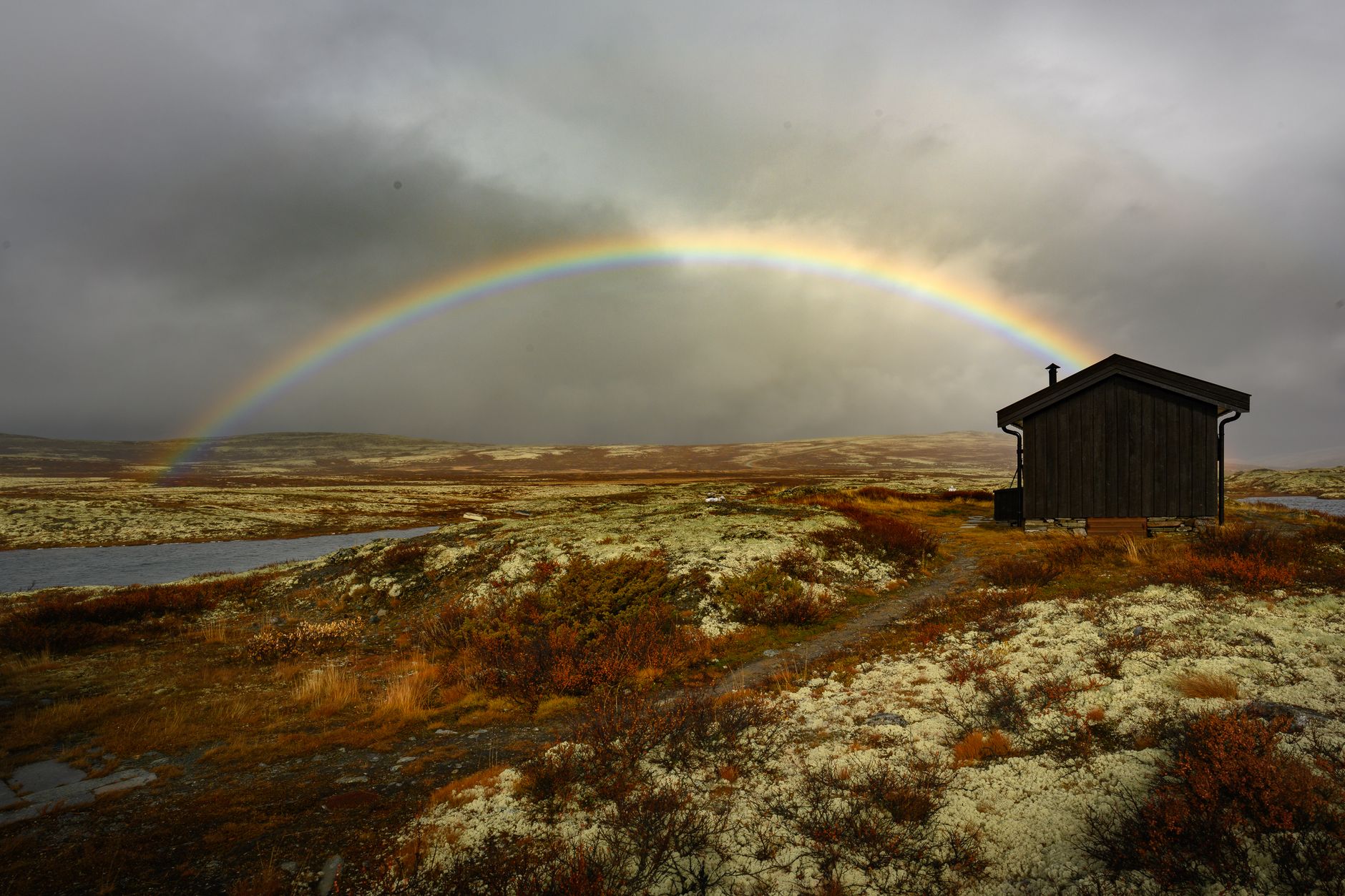
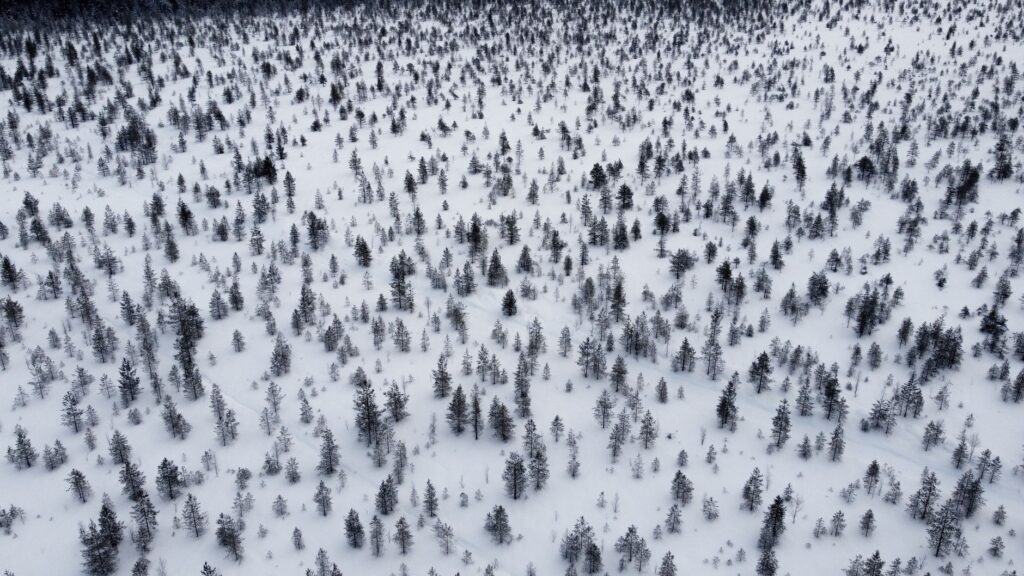
Lapland’s geography is characterized by rolling plateaus known as fell-fields, where vegetation is reduced to lichens, mosses, and dwarf shrubs adapted to gale-force winds and temperatures that plunge during long months of winter darkness. In this setting, the snowy owl acts as an apex predator whose survival is closely tied to the abundance of small mammals, especially lemmings. Understanding the species’ ecology requires immersing oneself in the complexity of an ecosystem undergoing rapid transformation due to accelerated global warming affecting northern Europe.
The Biology of the Snowy Owl: Extreme Adaptations for a Frozen World
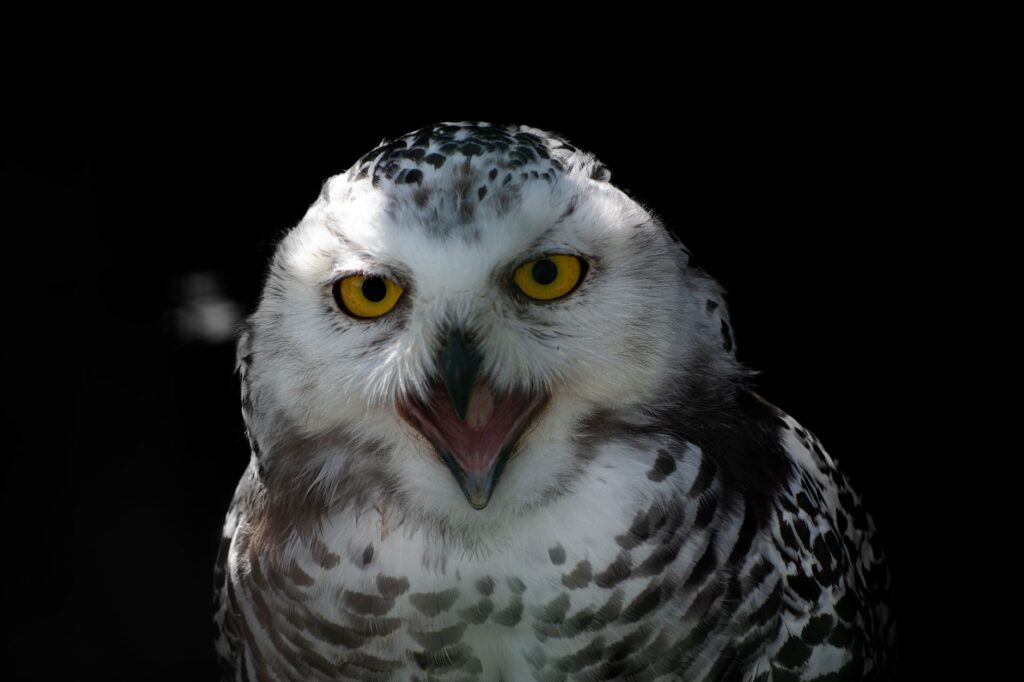
Unlike most nocturnal raptors, the snowy owl is predominantly diurnal, a logical adaptation in regions where the midnight sun dominates the arctic summer and perpetual twilight characterizes winter. Its characteristic white plumage, densely packed with feathers covering even its talons, acts as perfect thermal insulation and unmatched camouflage against the snowy backdrop of the Lappish tundra.
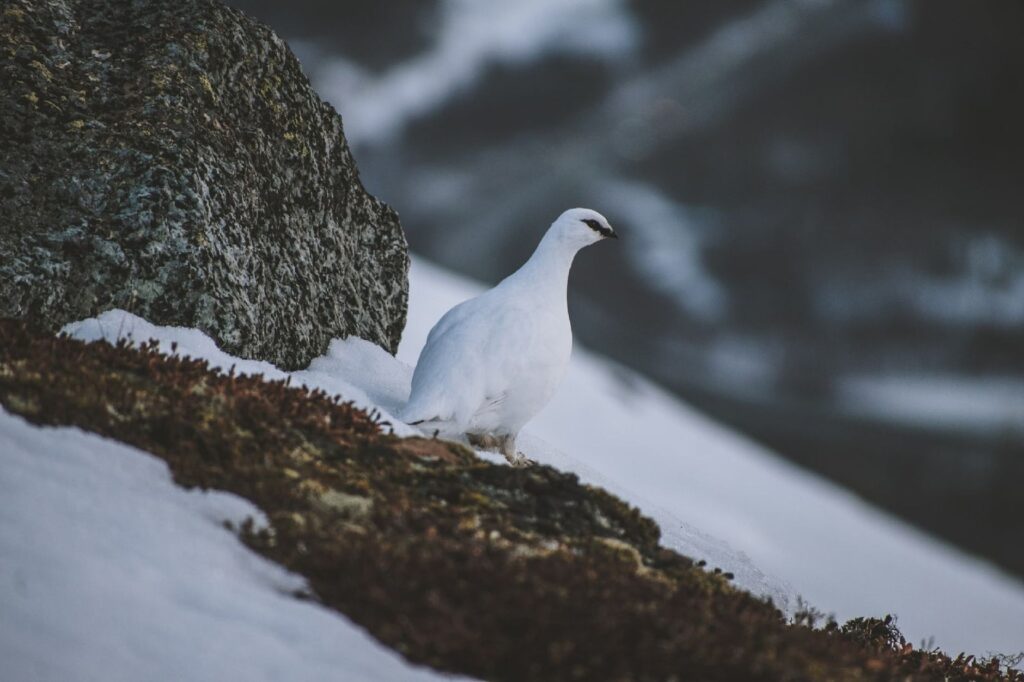
Anatomically, this animal is designed to withstand extreme cold. Its eyes, fixed in bony sockets protected by dense feathered brows, possess extraordinary visual acuity to detect subtle movements across snow from great distances. Additionally, its sense of hearing is so sharp that it can locate prey beneath a thick layer of compacted snow. Biologists studying the species in northern Scandinavia note that population densities directly correlate with rodent population cycles, experiencing notable reproductive booms in years with high food availability.
Climate Change in Lapland: An Invisible Threat to the Arctic Balance
Recent scientific research in the arctic region warns of a concerning transformation in Lapland’s weather patterns. Shorter winters, accompanied by unseasonal rains followed by intense freezes, generate impenetrable ice layers over the tundra. This phenomenon, known locally as surface icing, prevents lemmings from accessing food sources beneath the snow, drastically collapsing their populations and triggering a cascading effect on the snowy owl’s reproductive success.
Furthermore, the northward shift of the tree line due to rising temperatures is altering the open habitat that the snowy owl requires for hunting and nesting. The loss of clear tundra surface reduces available territory for these territorial birds. Scientific institutions in Norway, Sweden, and Finland collaborate on cross-border monitoring programs to record the evolution of breeding populations and assess the real impact of climate change on fragile boreal ecosystems.
The Rise of Scientific Ecotourism in Northern Europe
Faced with environmental threats, science-based ecotourism has established itself as a fundamental tool for conservation in Lapland. Unlike mass tourism, specialized expeditions focused on arctic wildlife observation operate under strict ethical codes developed in collaboration with field biologists and indigenous Sami communities.
These initiatives allow conscious travelers to venture into the taiga and tundra accompanied by expert guides who prioritize wildlife welfare above any photographic expectations. The use of high-powered spotting scopes, rigorous group size limits, and absolute respect for minimum safety distances ensure that human presence does not interfere with the life cycles of the species. Thus, tourism provides vital funds to finance research projects and demonstrates to local administrations the economic value of keeping ecosystems intact.
The Role of Sami Communities in Territorial Conservation
It is impossible to analyze Lapland’s biodiversity without acknowledging the historical and ongoing role of indigenous Sami peoples. For millennia, their semi-nomadic lifestyle, based primarily on traditional reindeer herding, has shaped and protected this arctic landscape. Sami herders possess profound empirical knowledge regarding wildlife movements and subtle climate variations.
Today, traditional Sami knowledge and Western science collaborate closely in managing national parks and protected areas in northern Europe. This intercultural dialogue is essential for designing effective conservation strategies that not only protect the snowy owl and its habitat but also safeguard the cultural and territorial rights of indigenous communities against external industrial pressures such as mining and intensive forestry.
The Arctic is not an empty wasteland frozen in time, but a dynamic and fragile system where every species plays an irreplaceable role in the planet’s health.
Sustainable Infrastructure and Logistics for the Naturalist Traveler
Planning a nature trip to Lapland requires considerable logistical rigor. The main bases for exploring northern habitats are located in towns like Inari in Finland or Kiruna in Sweden. These settlements offer efficient rail and air connections that minimize carbon footprints compared to heavy reliance on private vehicles along icy secondary roads.
Recommended accommodations for this type of sustainable tourism are typically small, locally run eco-lodges powered by renewable energy, promoting gastronomy based on locally sourced provisions and collaborating directly with citizen science programs. Travelers must be prepared for severe weather conditions, requiring adequate technical equipment and a flexible mindset toward unforeseen changes dictated by arctic nature.
Wildlife Photography: Ethics and Technique in Extreme Conditions
Capturing the majesty of the snowy owl through a photographic lens requires infinite patience, absolute respect, and rigorous technical mastery. Extremely low temperatures drastically reduce battery life and can damage mechanical equipment if proper precautions—such as thermal covers and gradual acclimatization when entering heated spaces—are not taken.
However, technical aspects pale in comparison to photographic ethics. The use of playback audio to attract birds is strictly prohibited, as is approaching closer than the critical distance established by specialists. Harassing wildlife for a close-up image generates unnecessary stress that can compromise the survival of weakened individuals during winter. True nature photography celebrates patience and the fortune of witnessing a wild moment without altering its natural course.
Environmental Education and the Future of Arctic Research
The future of conservation in the Arctic Circle depends heavily on environmental education and rigorous outreach. Interpretation centers located in northern Scandinavia play a crucial role by connecting visitors and younger generations with the ecological realities of their environment. Through interactive exhibitions and scientific workshops, a deep understanding is fostered of how small individual actions ripple through global planetary balances.
Additionally, citizen science initiatives allow travelers to contribute valuable observations to international databases on the distribution of arctic birds and mammals. This collaboration between the public and the academic community strengthens long-term monitoring of vulnerable species, ensuring that political decisions on environmental protection are based on solid, verifiable scientific data.
Protecting the home of the snowy owl means preserving the planet’s climatic memory and ensuring that future generations continue to hear the pure silence of the north.
Practical Guide for the Naturalist Traveler in Lapland
When to Travel: The months from February to April offer the optimal balance between increasing daylight hours, stable snow conditions, and the presence of birds in their wintering grounds prior to migration toward nesting sites.
How to Get There: It is recommended to use the overnight train from Helsinki to Rovaniemi or regional flight connections to Kiruna or Ivalo, combining them with local transfer services managed by certified operators.
Essential Equipment: Layered thermal clothing made of merino wool, high-end windproof coats, waterproof footwear with non-slip soles, high-luminosity binoculars, and cameras with cold-weather protective housing.
Code of Conduct: Maintain a minimum distance of two hundred meters from any nesting or resting raptor, avoid using drones in protected areas, and strictly follow the instructions of local Sami guides and scientists at all times.