

Introduction to the Piedmont Railway Hub
Northwestern Italy has historically functioned as the industrial and commercial hinge between the Italian peninsula and the heart of Europe. At the center of this complex geographical machinery lies the Piedmont region, a territory embraced by the Alpine arc that has had to constantly reinvent its transport infrastructure to overcome natural barriers. The rail connectivity of this corridor is not merely a matter of passenger displacement; it constitutes a vital artery for the supply of goods, economic stability, and the territorial cohesion of one of the continent’s most productive macro-regions.
As environmental pressure and European road congestion reach critical limits, railways emerge as the only viable and sustainable alternative to absorb the growth of cross-border traffic. However, the tracks crossing Piedmont carry the weight of a century-old history, combining cutting-edge technological sections with bottlenecks inherited from the nineteenth century. Analyzing this system involves immersing oneself in a network where high-speed engineering, complex base tunnel projects, and an intermodal strategy converge to connect the docks of the Ligurian Sea with the major mercantile networks of Germany, France, and Switzerland.
Geography as an Engineering Challenge
Piedmont’s topography imposes severe conditions on any railway layout. Bounded to the north and west by the Alps—with giants like Monviso and the Gran Paradiso massif—and to the south by the Ligurian Apennines, the territory acts as a natural fortress that only yields to narrow passes and deep river valleys. Overcoming these rock formations has required exceptional technical audacity since the dawn of the industrial revolution, visible in historical milestones such as the Fréjus tunnel, inaugurated in 1871.
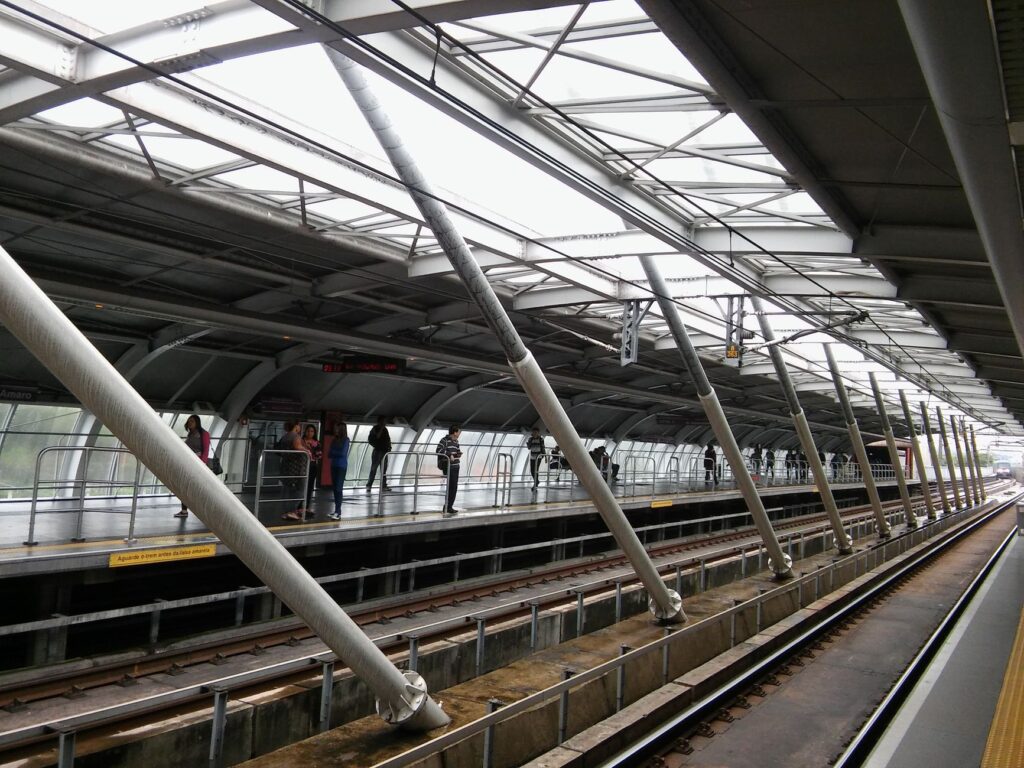
Today, the challenge lies not only in drilling through rock, but in modernizing gradients and curvature radii to allow the circulation of heavy freight trains and high-speed compositions without compromising safety. Current engineers face the delicate task of updating routes that wind alongside turbulent rivers and densely populated areas, where track expansion inevitably clashes with urban planning and environmental restrictions. Every kilometer of railway in Piedmont is the result of a delicate balance between logistical efficiency and the preservation of the Alpine landscape.
The Turin-Milan Axis and the High-Speed Backbone
Within the regional network, the east-west corridor connecting Turin to Milan represents the most advanced standard of modern mobility in Italy. This high-speed line, integrated into the trans-European transport network, radically transformed travel times and economic integration between northern Italy’s two industrial capitals. With trains regularly exceeding three hundred kilometers per hour, the infrastructure has blurred provincial borders, allowing a constant flow of professionals, students, and tourists who commute daily without relying on air or road transport.
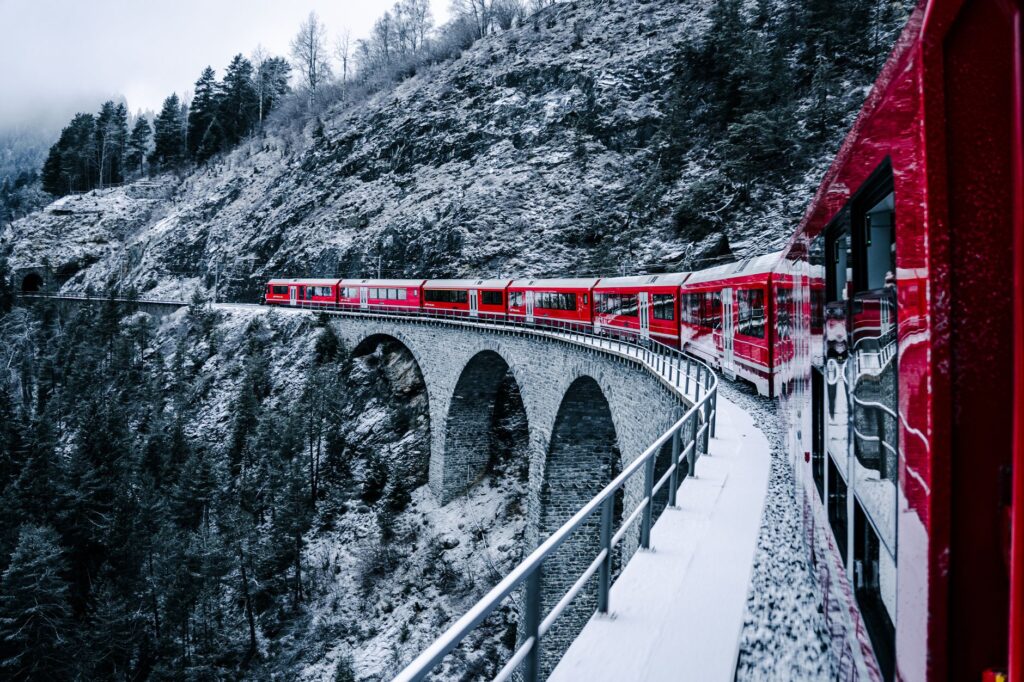
Nevertheless, the success of this axis has highlighted the need to feed the main line with secondary branches of equal efficiency. The nodal stations of Torino Porta Nuova and Torino Porta Susa act as the lungs of this system, distributing traffic toward the Alpine valleys and peripheral provinces. Managing these terminals requires millimetric synchronization to prevent chain delays that could ripple across the entire Italian national network, proving that high-speed rail is only as solid as its weakest link.
Cross-Border Connectivity and the Base Tunnel Megaproject
The horizon of rail mobility in Piedmont is dominated by one of the most ambitious civil engineering works in European history: the new Turin-Lyon link. Designed to divert heavy freight transport from Alpine roads to the rail mode, the project includes the construction of a base tunnel that will pierce the mountain range’s foundation for over fifty kilometers, drastically reducing gradients and transit times between Italy and France.
The transformation of Alpine corridors is measured not only by the speed of convoys, but by the capacity to restore ecological balance to mountain valleys through the elimination of heavy road freight.
This megaproject, however, has not been without social and local political controversies. The communities in the valleys through which the historical route passes have historically voiced concerns regarding environmental impact during construction and territory management. Despite the debates, work proceeds under strict geological and environmental supervision, aiming to consolidate a European rail corridor capable of competing on equal terms with aviation and large-scale maritime transport.
Intermodal Integration: From Ligurian Ports to Piedmont
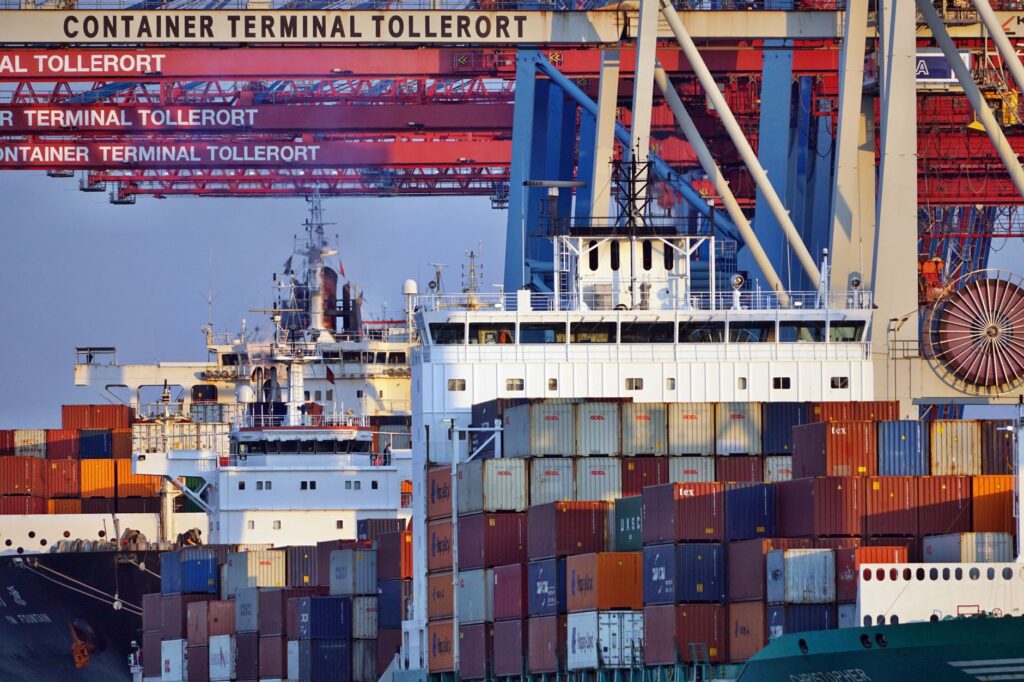
No analysis of the Piedmontese railway network would be complete without examining its symbiosis with the Ligurian port system, especially the port of Genoa. Piedmont naturally acts as Genoa’s logistical backyard and dry port; a vast share of containers unloaded in the Mediterranean Sea bound for Northern Europe must transit via the railway tracks crossing the Apennines toward Piedmontese distribution centers.
To optimize this flow, strategic intermodal terminals have been developed, such as the Orbassano interport, a massive freight classification node designed to streamline cargo transfer between trains, trucks, and regional logistics hubs. The efficiency of this machinery determines the foreign competitiveness of Italy’s entire industrial fabric, reducing carbon emissions associated with long-distance freight transport and disconnecting the regional economy from the volatility of road fuel prices.
The Role of Regional Rail and Railway Tourism
Beyond major freight and high-speed corridors, the Piedmontese railway network performs an irreplaceable social and heritage function through its local and secondary lines. Historic routes such as the Turin-Cuneo-Ventimiglia line, which winds audaciously through mountain gorges and century-old viaducts before descending toward the French Côte d’Azur, exemplify the concept of slow travel and the preservation of industrial heritage.
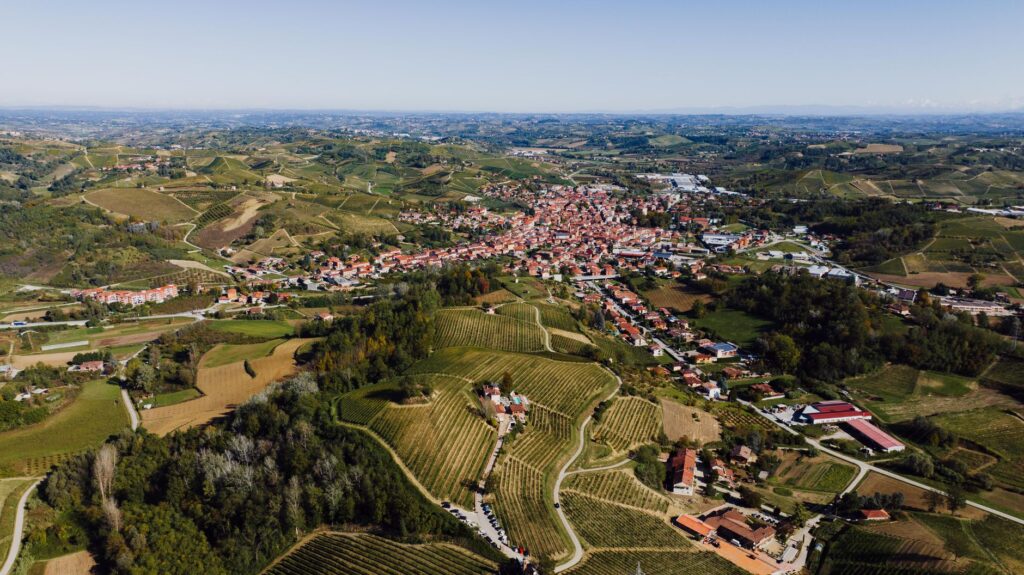
These metric-gauge and conventional lines connect small rural communities and world-renowned wine-producing valleys—such as the Langhe and Monferrato hills—with major urban centers. In recent years, regional authorities have promoted revitalization programs for these tourist routes, combining historic steam trains with modernized carriages that attract travelers eager for authentic, environmentally respectful experiences.
Infrastructure, Maintenance, and Future Challenges
Keeping such a complex railway network operational requires continuous investments and a highly sophisticated preventive maintenance strategy. Extreme weather events, increasingly frequent due to climate change, represent a constant threat to the stability of slopes, bridges, and electrification systems crossing high-mountain zones. National railway infrastructure managers already employ advanced sensor technologies and artificial intelligence to detect micro-fissures in rails and anticipate landslides.
Likewise, the digitalization process and the implementation of the European Train Control System (ETCS) are advancing at a steady pace to standardize safety and allow greater traffic density in the most congested sections. The future of the Piedmontese corridor will depend on its capacity to integrate technological innovation without losing sight of its public service vocation and its commitment to continental transport decarbonization.
Practical Information for the Rail Traveler
Planning a journey through Piedmont’s railway system requires understanding its operator structure and the connectivity of its main stations. The core network is operated primarily by Trenitalia and NTV Italo for high-speed services, while regional services are coordinated alongside Trenitalia TPER and local companies under the supervision of the Piedmont regional administration.
- Key Stations: Torino Porta Nuova manages medium and long-distance traffic heading south and west; Torino Porta Susa concentrates east-west high-speed and metropolitan services; Novara and Alessandria serve as essential intermediate nodes for freight and commuter traffic.
- Airport Connectivity: Turin-Caselle Airport features a dedicated railway line (SFM A) connecting the air terminal to the city center in approximately twenty minutes.
- Tickets and Fares: Regional tickets must be validated prior to boarding at station machines or via the official digital app, under penalty of a fine. For high-speed trains, booking in advance is strongly recommended to secure competitive fares.
- Bicycles On Board: Most regional Piedmontese trains allow free or low-cost bicycle transport, although restrictions apply during peak weekday commuting hours.
Conclusion: The Railway Destiny of Northwestern Italy
Piedmont’s railway system finds itself at a historical crossroads. Between the heritage of nineteenth-century engineering and the challenges of twenty-first-century trans-European corridors, the region has successfully positioned itself as a laboratory for sustainable mobility and smart connectivity. Ongoing investments promise to redefine the relationship between the Mediterranean Sea and the center of the continent, proving that the future of transport relies inexorably on efficient, integrated steel tracks respectful of the territory they traverse.


