
The Steel Artery That Unifies the Continent
The Rhine Valley is not merely one of Europe’s most photographed landscapes, framed by slate-clinging castles and vine-terraced slopes; it is, above all, one of the most intense logistical and passenger transport corridors on the planet. Along its banks, the millennial coexistence of river navigation, parallel motorways, and one of the world’s most sophisticated high-density rail networks creates an environment where movement never ceases. Traveling by train through the Rhine basin—specifically along the electrified, four-track corridor linking Basel to Mainz across the plains of Alsace and Baden-Württemberg—offers profound insight into how contemporary civil engineering absorbs millions of daily journeys without compromising the valley’s delicate ecological balance.
This cross-border railway infrastructure operates as a living organism where national operators from three countries—Switzerland, France, and Germany—converge under stringent technical interoperability protocols. The constant flow of freight trains and high-speed passenger services demands millimeter precision from centralized traffic control centers located in strategic hubs such as Mannheim and Strasbourg. For the contemporary traveler seeking to understand European transport mechanics beyond the tourist postcard, this corridor delivers a masterclass in how efficient mobility underpins true regional integration.
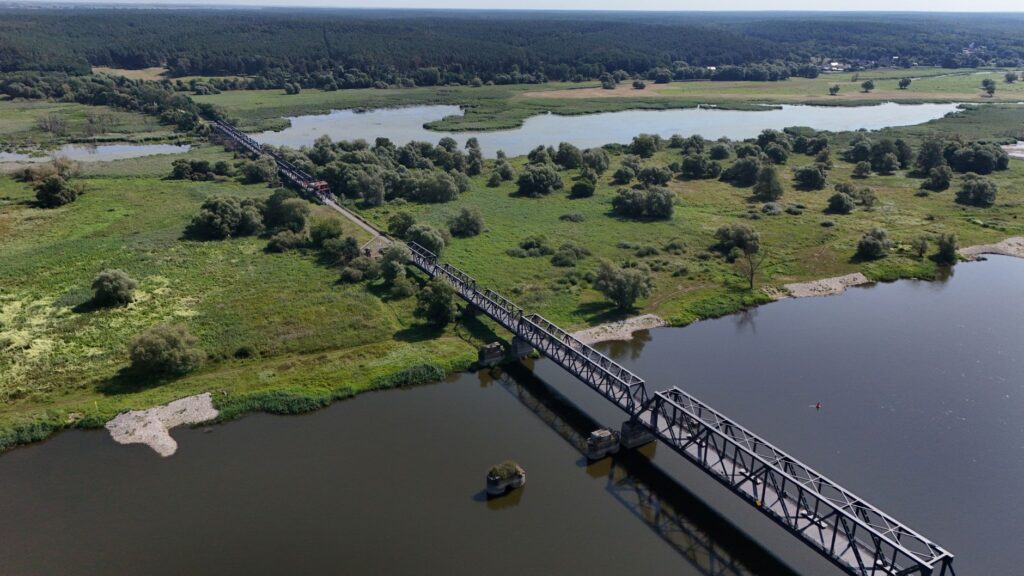
Basel and the Kilometer Zero of the Great Rail Corridor
The journey begins formally at Basel SBB international station, a unique tricultural node in Europe where Swiss, French, and German platforms meet. From this nerve center, situated at the tripoint of three nations, hundreds of trains depart daily toward northern Europe. Basel’s railway architecture reflects its historical vocation as an inland port and gateway to the Upper Rhine valley. Here, the transition between the Swiss Federal Railways (SBB) network and continental European systems is resolved through complex unified signaling and overhead catenary lines operating at different voltages, coexisting harmoniously on identical platforms without disrupting connection times.
Boarding a fast regional train heading north toward Strasbourg immerses the traveler immediately in a shared daily routine utilized by thousands of cross-border commuters, students, and business travelers. Basel’s urban landscape, dominated by the industrial silhouette of major pharmaceutical campuses and the commercial barge traffic on the navigable river, quickly gives way to the agricultural expanse of the Alsatian plain. The precise synchronization of transfers at intermodal hubs such as Mulhouse or Colmar demonstrates the maturity achieved by regional public transport in this strip of Europe, where punctuality is viewed as a fundamental civic right and a pillar of economic competitiveness.
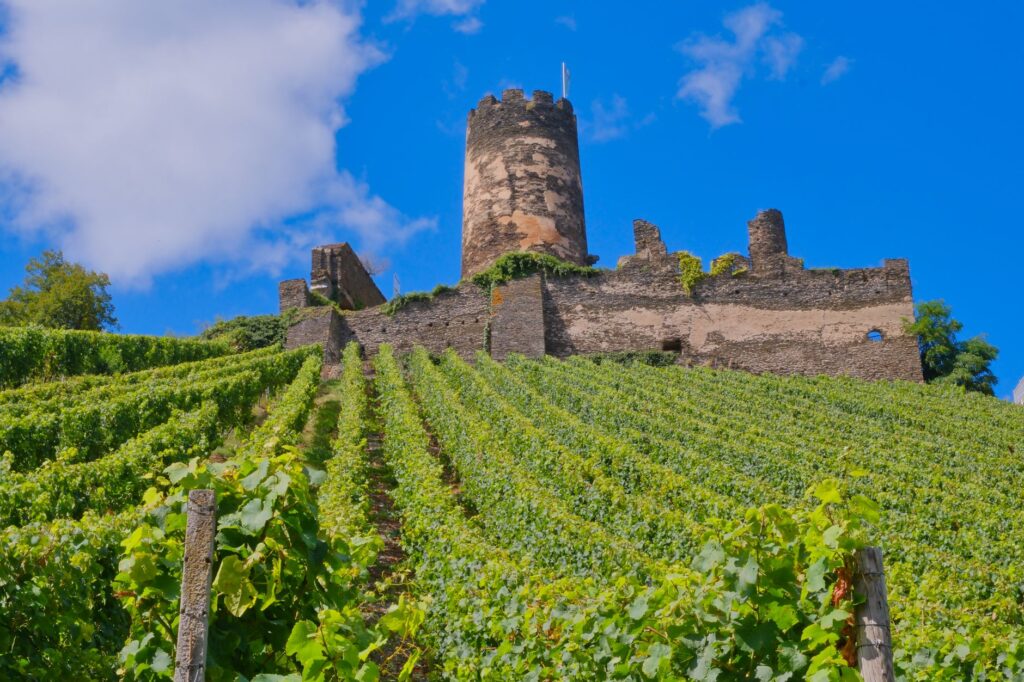
Strasbourg and Rail-Borne Diplomacy
As the train presses northward along the left bank of the river, the unmistakable spire of Strasbourg Cathedral signals arrival in the Alsatian capital and official seat of the European Parliament. Strasbourg’s central station, recently modernized with an impressive glass dome enveloping the original late-19th-century iron structure, stands as an architectural symbol of modern mobility. This hub directly links the French TGV network with the German ICE system, enabling seamless, non-stop journeys connecting Paris and Frankfurt within hours, slicing across the natural border of the Rhine without passengers ever registering the jurisdictional shift.
The integration of urban tramways with regional commuter rail (TER) in Strasbourg has radically transformed metropolitan mobility, turning the area into an international benchmark for sustainable intermodality.
The true revolution of European transport lies not in the top speeds of its bullet trains, but in the invisible fluidity with which a traveler transitions from a local network to a continental one without bureaucratic or logistical friction.
This fluidity stems from decades of coordinated public investment and a political vision prioritizing guided transport over road congestion in ecologically sensitive river valleys.
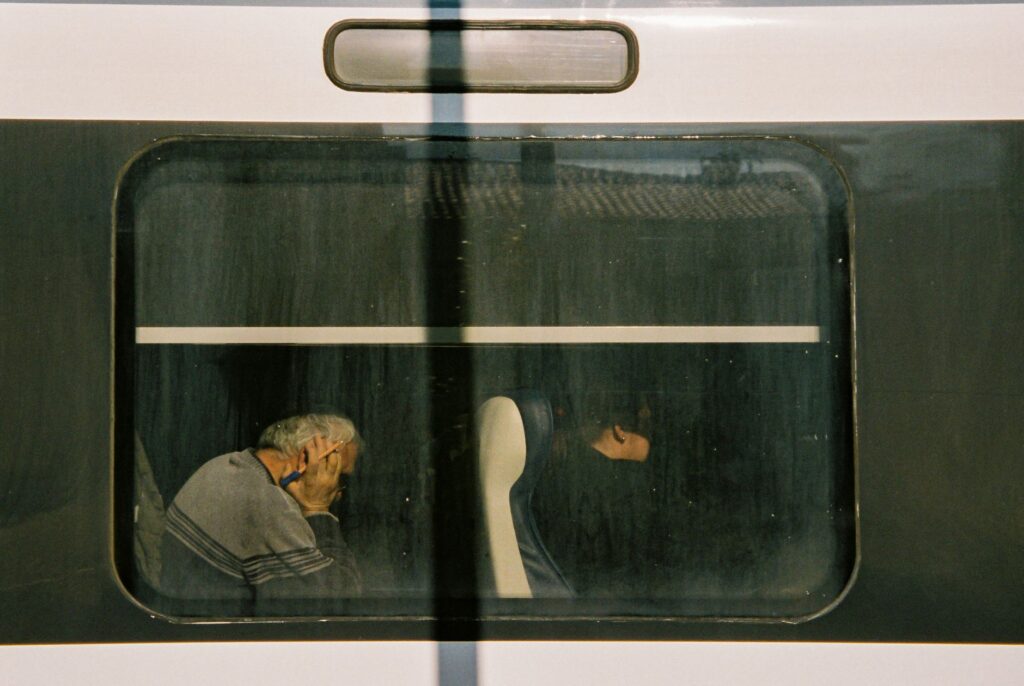
The Stone Gorge: Engineering Between Mainz and Coblenz
The most dramatic and technically demanding section of the Rhine railway line lies downstream, within the middle Rhine gorge designated as a UNESCO World Heritage site. Between Mainz and Coblenz, the river carves its way through sheer slate cliffs, forcing railway tracks to hug the natural curves of the riverbed closely. On both banks, parallel rail lines—the *Linke Rheinstrecke* and the *Rechte Rheinstrecke*—handle a colossal volume of mixed traffic day and night. Here, 19th-century engineers excavated numerous rock tunnels and built massive retaining walls to protect infrastructure from periodic floods and rockfalls.
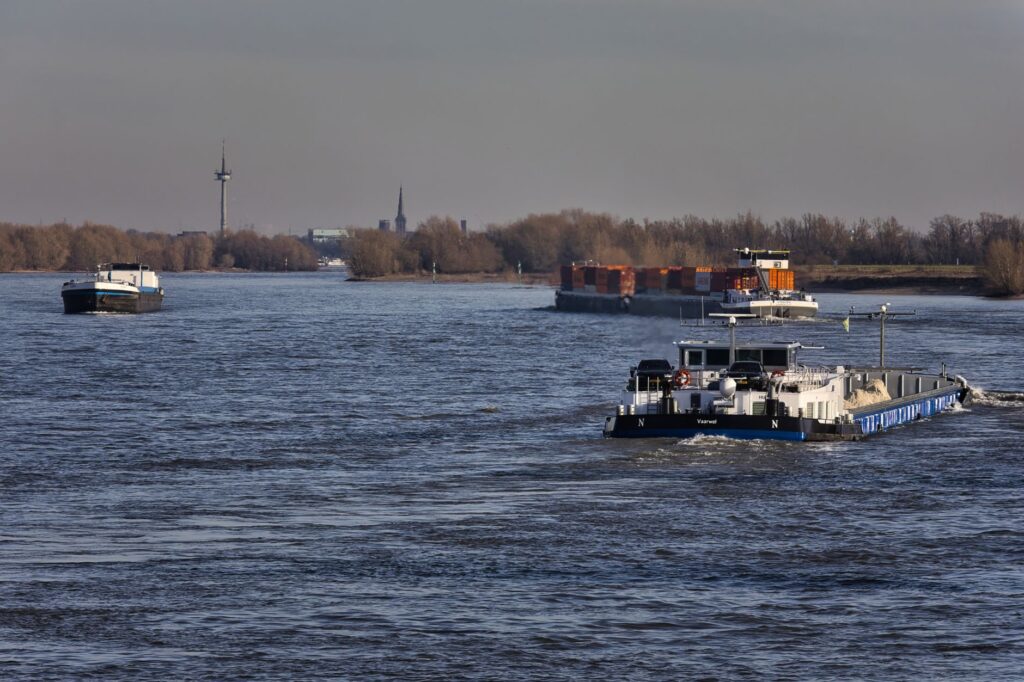
Traveling through this river corridor reveals an intimate proximity between the train, container-laden barges, and the medieval castles crowning the heights. The coexistence of heavy freight trains with passenger services running at over 100 miles per hour across such narrow embankments requires hyper-advanced safety infrastructure, anchored by automatic braking systems and continuous fiber-optic monitoring. Rail technicians inspect every meter of track to minimize vibrations that could compromise the historical foundations of riverside villages, proving that technological modernization can coexist with heritage preservation.
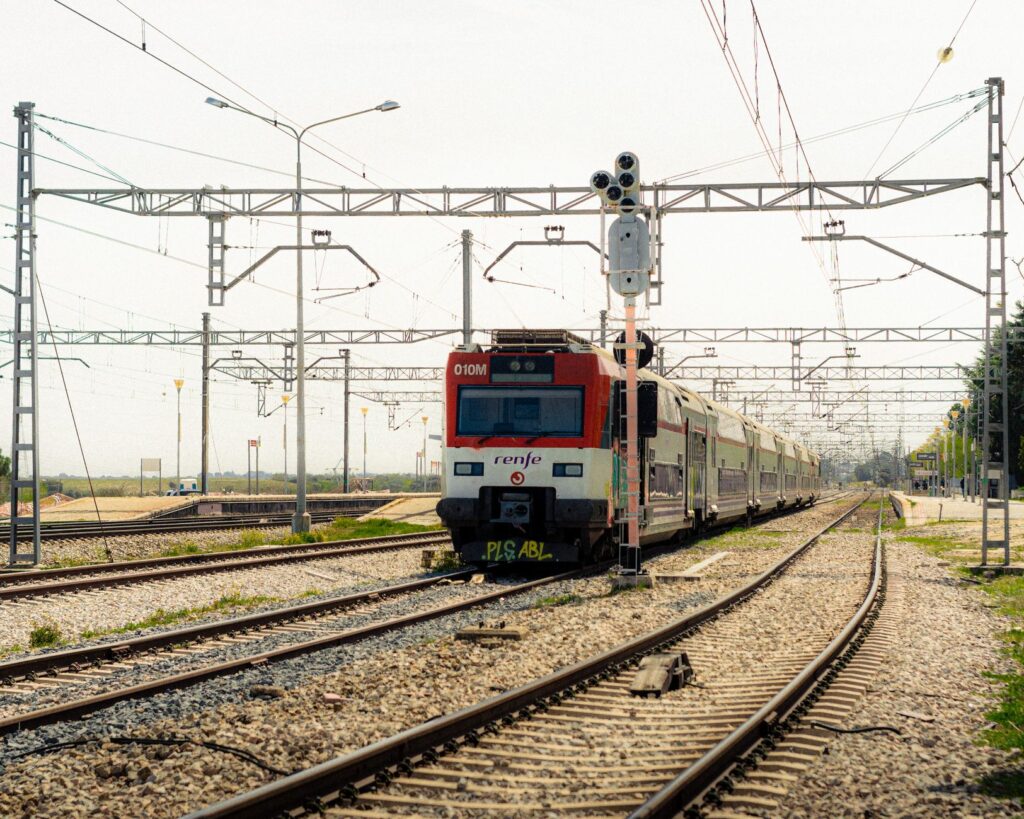
Fluvial Logistics as a Mirror to the Railway
To grasp the sheer scale of transport within the Rhine basin, one must look toward the water. Rail and river traffic do not compete; they complement each other in a meticulous logistical symphony. While railway lines absorb urgent passenger transport and high-value cargo, giant self-propelled barges ply upstream and downstream carrying coal, minerals, chemicals, and maritime containers originating from the ports of Rotterdam and Antwerp. This duality transforms the valley into a massive multimodal corridor where every ton of freight finds its optimal mode based on urgency and volume.
Locks and intermediate river ports, such as Mannheim or Karlsruhe, operate as direct transfer terminals where gantry cranes lift containers straight from vessels onto rail freight platforms. This intermodal integration drastically reduces carbon emissions per ton-kilometer, placing the Rhine region at the forefront of continental logistics decarbonization. Transport planners utilize this model as a testing ground for future freight corridor expansions across the continent.
Practical Information for Railway Travelers in the Rhine Basin
Planning an exhaustive rail journey through the Rhine basin requires understanding the specific ticketing and reservation frameworks of the three national networks converging in the area. Essential operational guidelines include:
- Recommended Ticketing: The integrated cross-border ticket within the _Regio-Tarif Basel_ zone facilitates local travel between Switzerland, France, and Germany. For broader itineraries, Eurail Global Passes or combined national tickets (such as the _Deutschlandticket_ for German regional segments) optimize travel budgets.
- Key Connection Hubs: Basel SBB, Strasbourg, Karlsruhe, and Mainz serve as the four primary nodes where long-distance services (ICE, TGV, EuroCity) intersect with commuter networks.
- Seat Reservations: While optional on most regional trains (TER and RE), reservations are strongly advised on international high-speed services during peak commuter periods and holiday weekends.
- Universal Accessibility: The vast majority of major corridor stations feature elevators, ramps, and pre-booked assistance for passengers with reduced mobility, coordinated jointly by SBB, SNCF, and DB rail operators.
- Best Time to Travel: Spring (May to June) and early autumn (September and October) offer optimal weather conditions and lower regional train congestion compared to peak summer holiday months.
Visual Coda: The Perpetual Cadence of the Valley
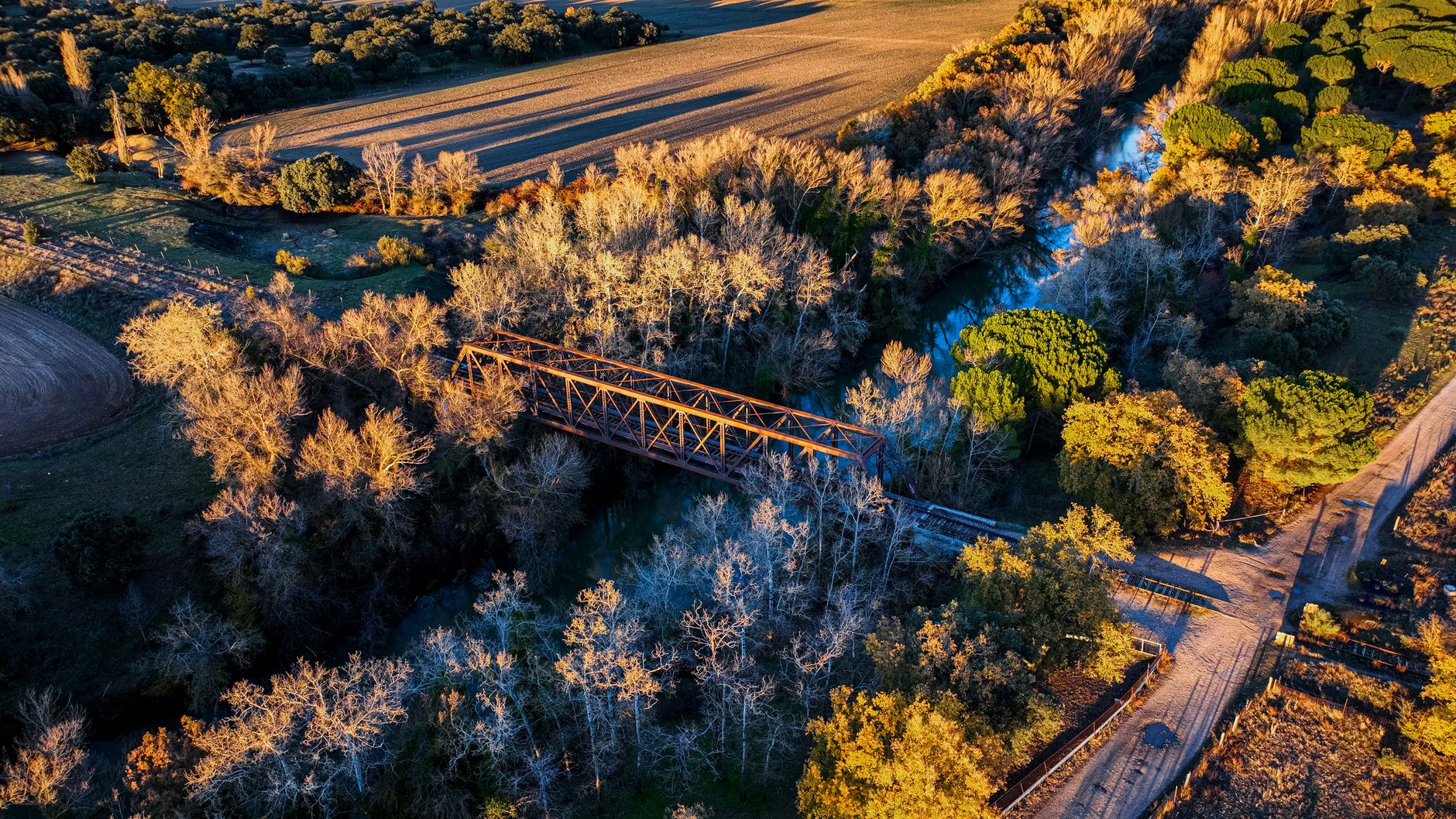
As evening falls, when the golden twilight reflects off the dark waters of the Rhine and stone viaducts ignite their engineering lights, the rhythm of the valley does not slow down; it merely shifts registers. From the window of a train hurtling northward toward Mainz, the traveler witnesses the uninterrupted procession of red and white lights crossing metal bridges over the river.
The train in the Rhine is not merely a vehicle for crossing distances, but an extension of the valley’s own human geography—a steady pulse of metal and energy uniting communities divided by political borders yet bound by a shared riverine culture.
In this corner of Europe, where history and modernity run on parallel tracks, every journey confirms that the true essence of slow travel lies in understanding the complex, silent machinery that makes everyday movement possible.